Teacher Curator

Art History - Education

  • Home
  • Who am I?
  • Blog

HomeStudent Activities

Posts tagged: Student Activities

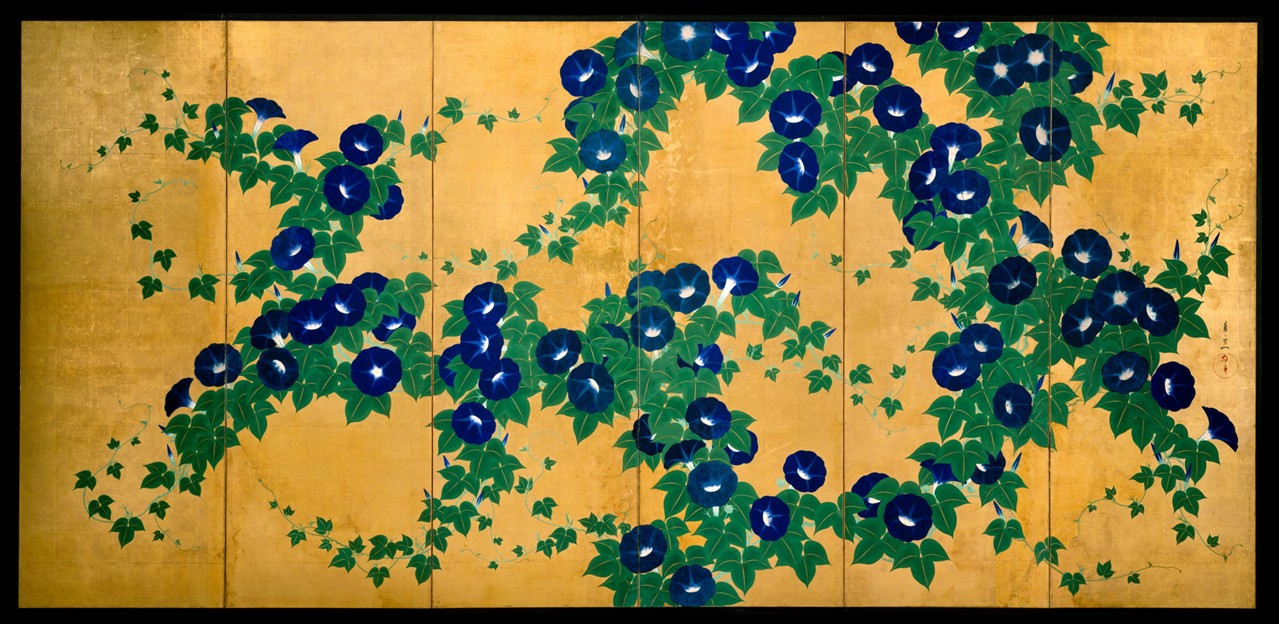
Morning Glories by Suzuki Kiitsu, Japanese Edo period artist (1796–1858), six-panel folding screens with ink, color, and gold leaf on paper, The Met Museum, New York, USA

Morning Glories by Suzuki Kiitsu

September 30, 2025
by Amalia Spiliakou 19th century ArtJapanese ArtTeaching Resources

Suzuki Kiitsu’s Morning Glories screens embody Rinpa elegance, transforming seasonal blooms into rhythmic cascades of color and gold that blur nature and design into a timeless meditation on fleeting beauty.
Read More
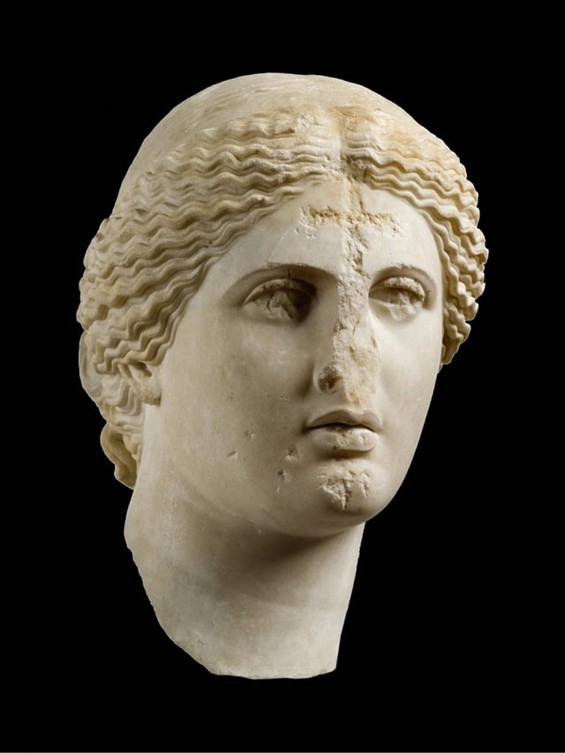
Head of Aphrodite of the Aspremont-Lynden/Arles type, 1st c. AD copy of an original 4th century BC work by Praxiteles, Marble, possibly Parian (Marathi), Height: 32 cm, National Archaeological Museum, Athens, Greece

Head of Aphrodite of the Aspremont-Lynden/Arles type 

September 22, 2025
by Amalia Spiliakou Ancient Greek ArtArchaeologyEarly Christian ArtRoman ArtTeaching Resources

The Head of Aphrodite of the Aspremont-Lynden/Arles type reflects Praxitelean ideals of serene, idealised femininity, later reinterpreted through Christian reuse and layered histories of adaptation, loss, and classical survival.
Read More
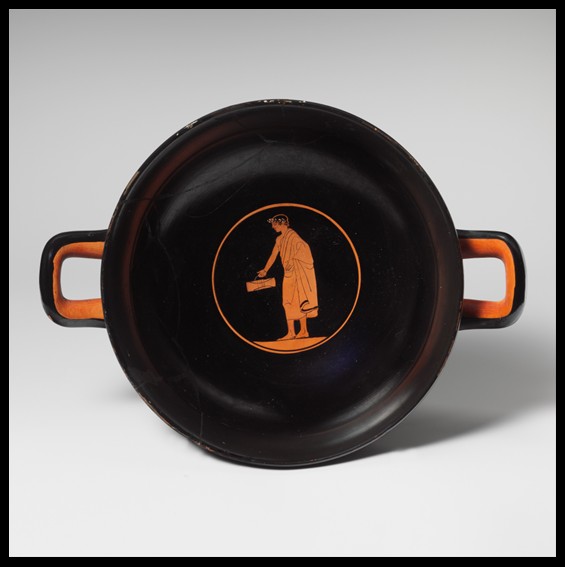
Terracotta kylix (drinking cup), Attributed to the Painter of Munich 2660, ca. 460 BC, Terracotta, Red Figure, 7x20 cm, the MET, NY, USA

Kylix with a School Boy

September 10, 2025
by Amalia Spiliakou Ancient Greek ArtArchaeologyTeaching Resources

The Kylix with a School Boy from early Classical Greece depicts a young student carrying his writing tablet, offering a timeless glimpse into ancient education, where learning, ritual, and youthful anticipation quietly shaped everyday life.

Read More

Michelangelo’s Bacchus with Satyr

September 6, 2025
by Amalia Spiliakou Italian Renaissance ArtMythologyRenaissance ArtTeaching Resources

Michelangelo’s Bacchus transforms Horatian visions of Dionysian ecstasy into marble, depicting the god’s intoxicating instability, sensuality, and mythic ambiguity through a dynamic fusion of classical form and emotional excess.

Read More

Cimabue’s Maestà di Assisi

August 14, 2025
by Amalia Spiliakou Italian Renaissance ArtRenaissance ArtTeaching Resources

Cimabue’s Maestà di Assisi marks a pivotal shift from Byzantine abstraction toward early naturalism, portraying the Virgin and Child with emerging spatial depth and human presence within a profoundly devotional medieval context.
Read More
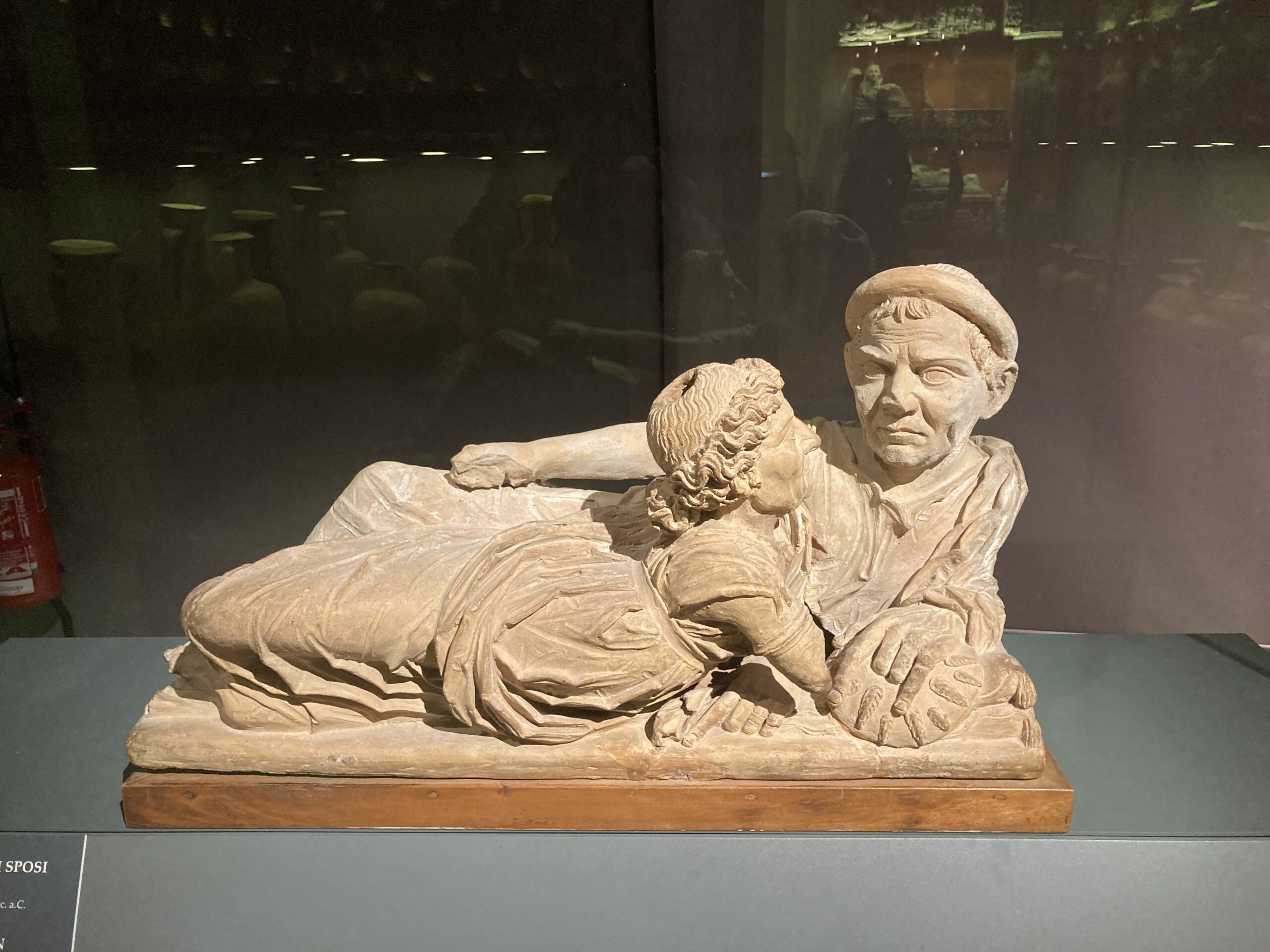
Etruscan Urn of an Elderly Couple, 1st century BC, Terracotta, Museo Etrusco Guarnacci, Volterra, Italy

The Elderly Couple from Voltera

August 11, 2025
by Amalia Spiliakou ArchaeologyEtruscan ArtTeaching Resources

The Urn of the Elderly Spouses in Volterra’s Museo Guarnacci is a rare, moving glimpse into Etruscan beliefs about death, love, and the desire to be remembered together.

Read More

Patriarch Joseph II of Constantinople

July 20, 2025
by Amalia Spiliakou Italian Renaissance ArtRenaissance ArtTeaching Resources

Patriarch Joseph II of Constantinople died in Florence in 1439, pursuing Christian unity between East and West. His tomb in Santa Maria Novella remains a quiet symbol of that dream.
Read More
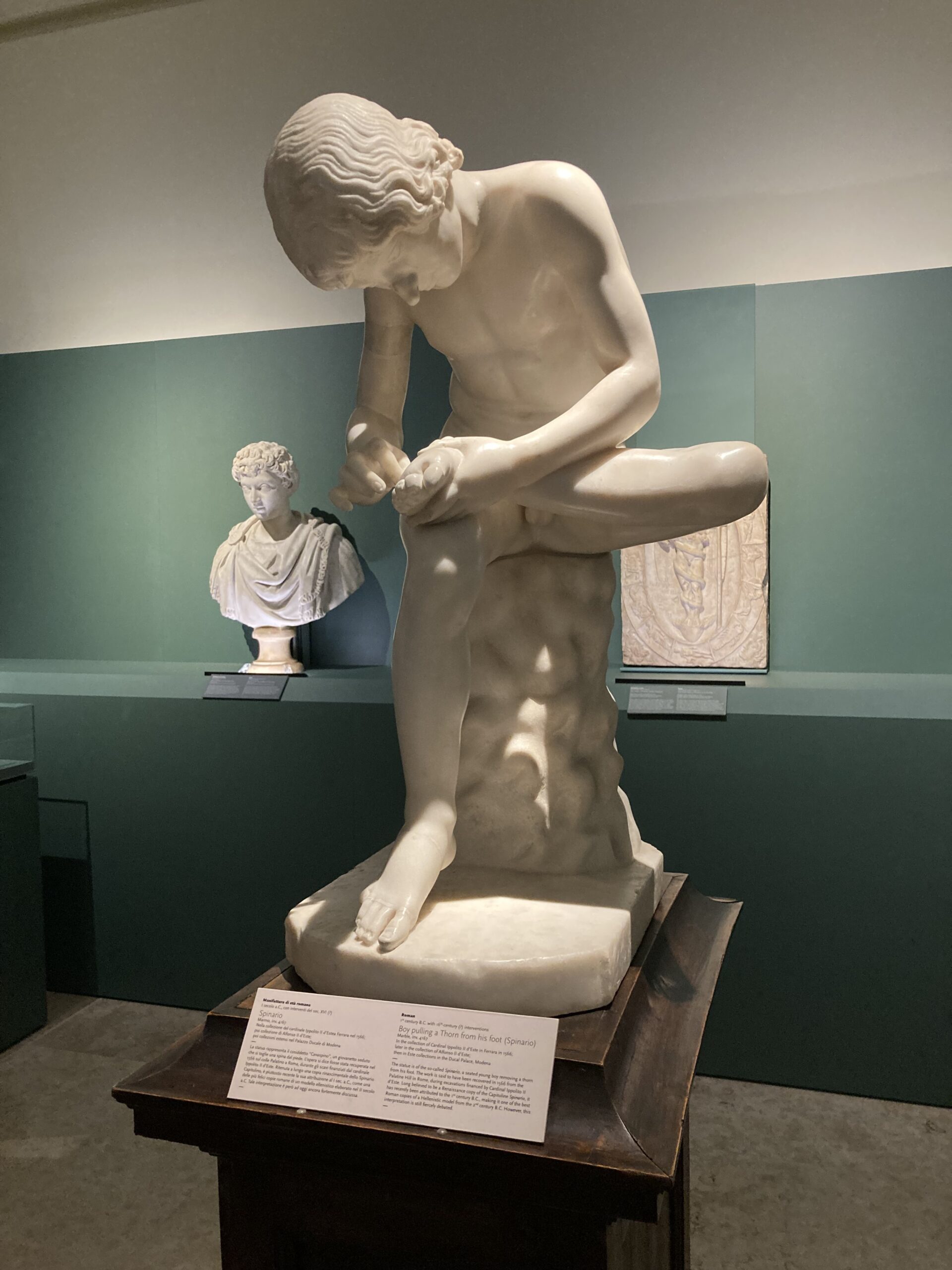
Spinario Estense, Roman Republican Art (attributed), 509 BC 509 BC / 27 BC, Marble, Height: 92 cm, Galleria Estense, Modena, Italy

The Spinario

July 17, 2025
by Amalia Spiliakou Ancient Greek ArtRenaissance ArtRoman ArtTeaching Resources

A boy pulling a thorn from his foot — the Spinario is one of antiquity’s most quietly captivating sculptures, and its story stretches from ancient Greece to Renaissance collectors.

Read More

Bust of a Lady

July 8, 2025
by Amalia Spiliakou ArchaeologyEarly Christian ArtRoman ArtTeaching Resources

Almond eyes once inlaid with rose glass, braided crown, classical folds — Chania’s mysterious Bust of a Lady offers a rare, intimate glimpse into late Roman Crete’s aristocratic world.
Read More
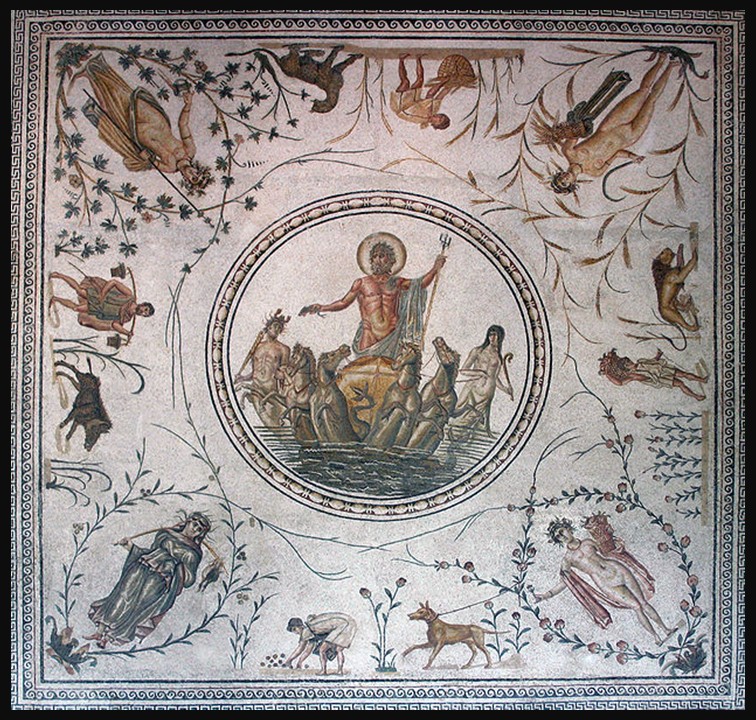
Triumph of Neptune and the Four Seasons, from La Chebba, Tunisia, late 2nd century AD,  Mosaic, Bardo National Museum, Tunis, Tunisia

Triumph of Neptune and the Four Seasons

June 20, 2025
by Amalia Spiliakou ArchaeologyRoman ArtTeaching Resources

Neptune commanding his sea chariot, the Four Seasons dancing at his corners — a breathtaking 2nd-century Roman mosaic from Tunisia, now one of the Bardo Museum’s greatest treasures.

Read More
  • First
  • Previous
  • 1
  • 2
  • 3
  • 4
  • 5
  • 6
  • ...
  • 32
  • Next
  • Last

Recent Posts

  • Nikolaos Lytras and John Singer Sargent
  • Autumn at the Vintage by Lucas van Valckenborch
  • The Sphinx Statue of the Acropolis
  • Back to School with Winslow Homer
  • Pierre Bonnard’s Paris

Categories

  • 18th century Art
    • Rococo Art
  • 19th century Art
    • Impressionism
    • Post-Impressionism
  • 20th century Art
    • Art Deco
    • Art Nouveau
  • American Art
  • Ancient Egyptian Art
  • Ancient Greek Art
    • Cycladic Art
    • Minoan Art
    • Mycenaean Art
  • Archaeology
  • Baroque Art
  • British Art
  • Byzantine Art
  • Early Christian Art
  • Etruscan Art
  • French Art
  • Japanese Art
  • Medieval Art
    • International Gothic Art
  • Mesopotamian Art
  • Modern Greek Art
  • Mythology
  • Newsletter
  • Prehistoric Art
  • Renaissance Art
    • Italian Renaissance Art
    • Northern Renaissance Art
  • Roman Art
  • Teaching Resources
  • Uncategorized

Teacher Curator

Art History - Education

© Amalia Spiliakou. All Rights Reserved. Powered by Simplyfine

Shopping Basket