Rubens’s portraits of Isabella Brant combine Baroque vitality with intimate psychological presence, preserving her grace, status, and individuality through luminous brushwork that unites affection, realism, and refined portraiture.
Gian Lorenzo Bernini’s bust of Duke Francesco I d’Este
Bernini sculpted Duke Francesco I d’Este without ever meeting him — the result is one of Baroque art’s most theatrically alive portraits, later reimagined by Giovanni Boldini’s expressive brush.
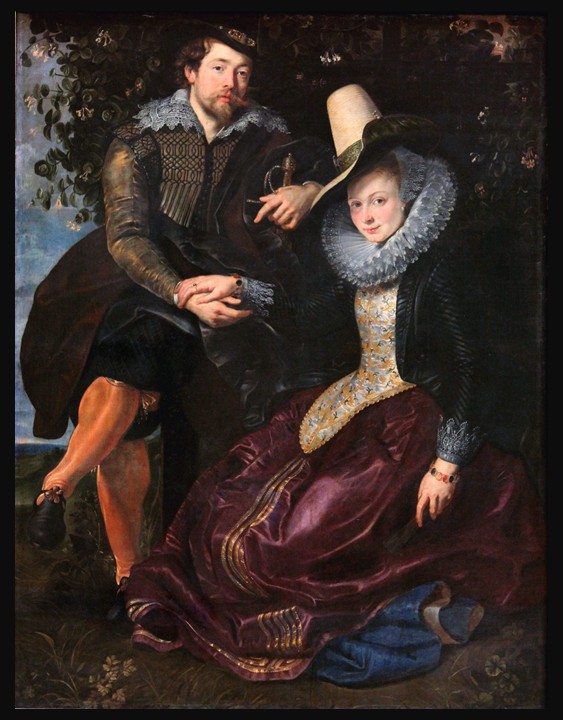
Rubens and Isabella Brant
Painted shortly after their marriage, Rubens’s luminous double portrait with Isabella Brant beneath a honeysuckle bower is an intimate Baroque masterpiece — a tender celebration of love, fidelity, and wedded devotion.
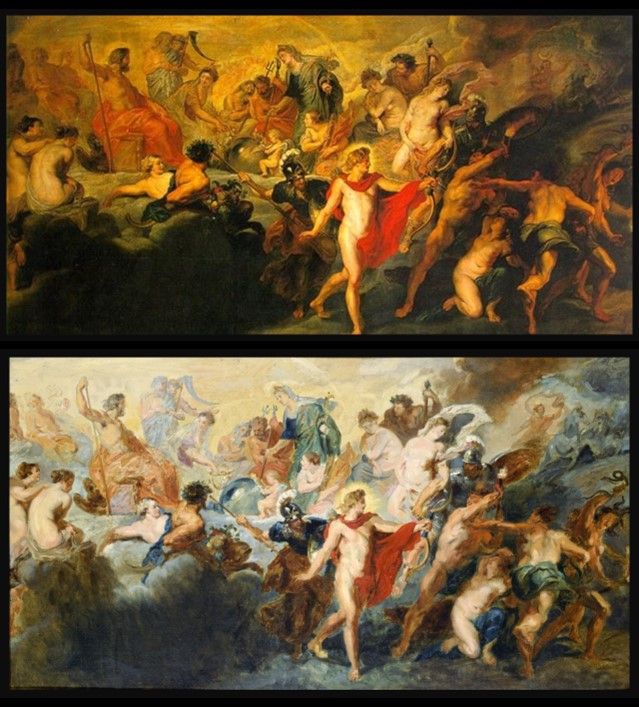
The ‘Council of the Gods’ by Rubens and Renoir
Renoir’s meticulous copy of Rubens’ Council of the Gods bridges Baroque grandeur and Impressionist sensibility — a young artist’s profound homage shaping his own distinctive, luminous vision.
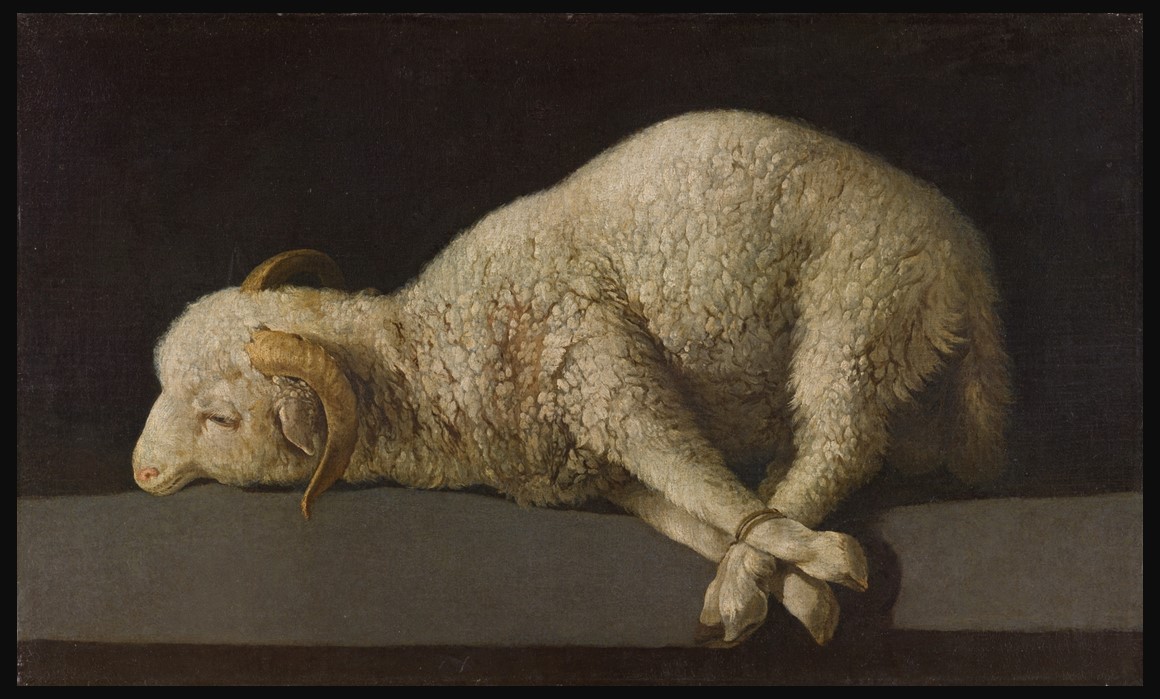
Agnus Dei by Francisco de Zurbarán
Zurbarán’s bound lamb — serene, luminous against darkness — transforms a simple Baroque still life into Christianity’s most quietly devastating meditation on innocence, sacrifice, and redemption.
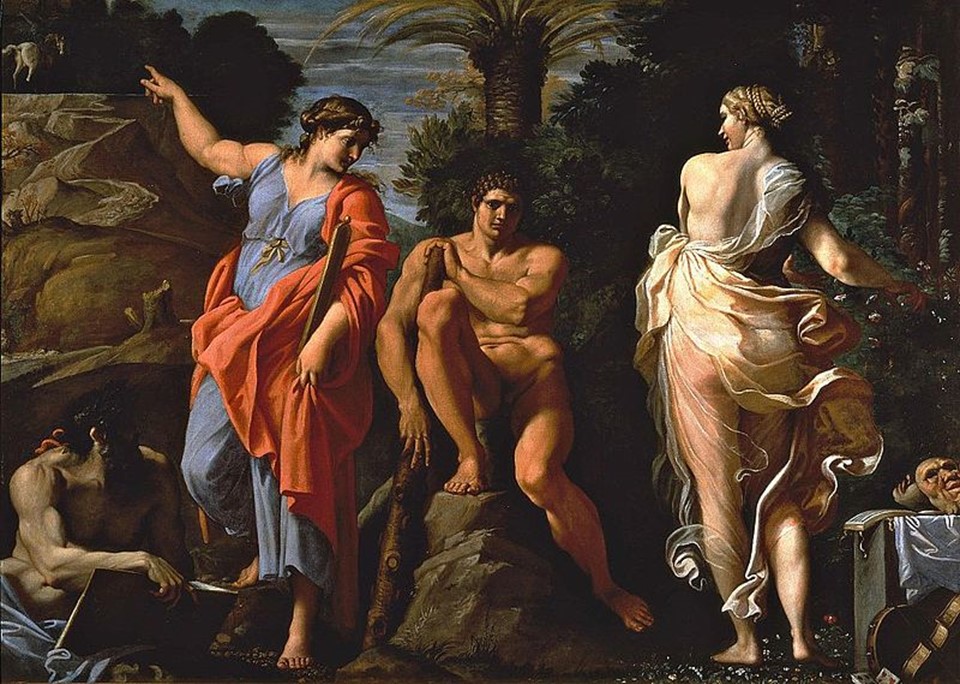
The Choice of Heracles by Annibale Carracci
Explore Annibale Carracci’s compelling Choice of Heracles — a masterful Baroque canvas where Virtue and Pleasure compete for a young hero’s soul, posing antiquity’s most timeless moral question with breathtaking artistry.
The Twelve Months of Flowers, March
George Ellis’s playful “Snowy, Flowy, Blowy…” mirrors the botanical elegance of Casteels, Fletcher, and Furber’s Twelve Months of Flowers, where March blossoms into a meticulously numbered catalogue of nature and commerce.
Diana and her Companions by Vermeer
Homer’s Artemis and Vermeer’s Diana and her Companions share a quiet fascination with divine femininity, hunting, and stillness—translating myth into atmosphere, where movement becomes suspended light and contemplative presence.
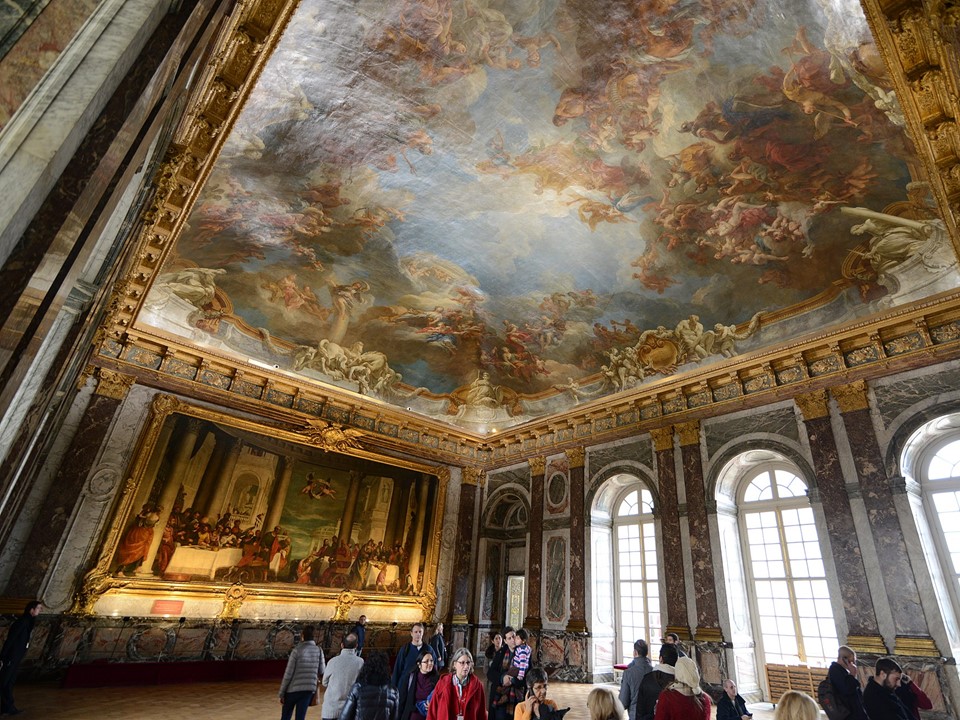
Love of Virtue by François Lemoyne
A highlight of the Versailles “Drawings for Versailles, 20 years of Acquisitions” exhibition is François Lemoyne’s preparatory head study for The Love of Virtue, revealing the delicate transition from late Baroque grandeur to early Rococo refinement in royal artistic production.
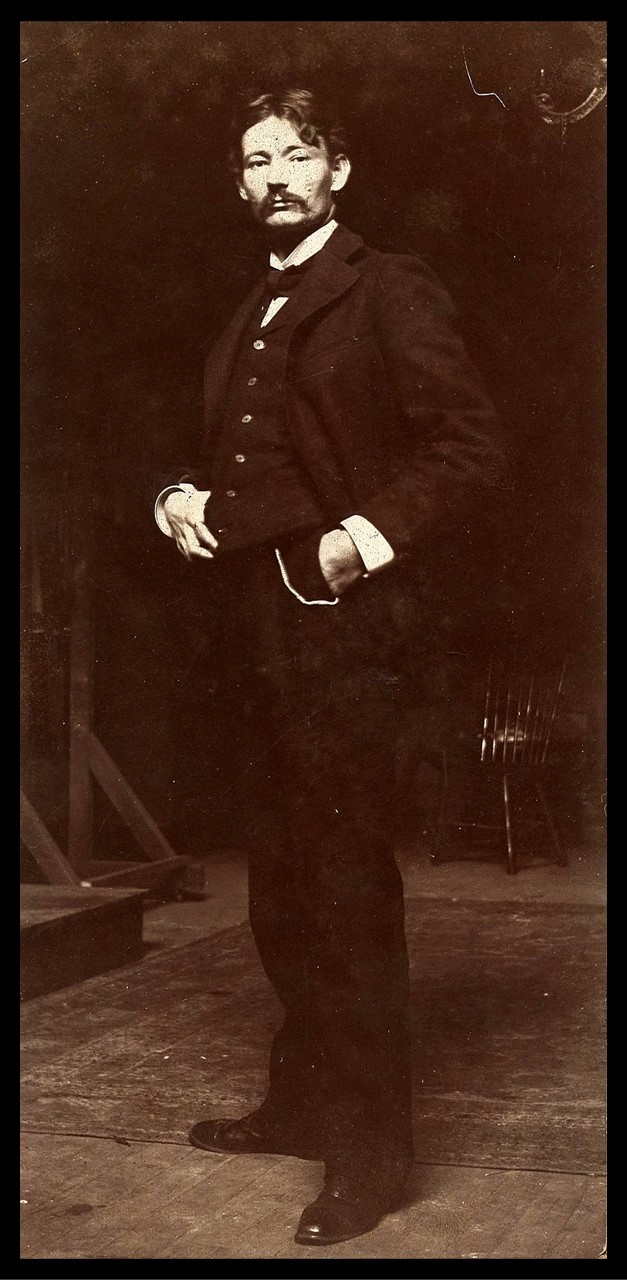
The Laughing Boy by Robert Henri
Frans Hals’s lively, spontaneous brushwork profoundly influenced modern painters like Édouard Manet, Vincent van Gogh, and Robert Henri, who admired his “modern” immediacy, especially in expressive portraits such as The Laughing Boy.