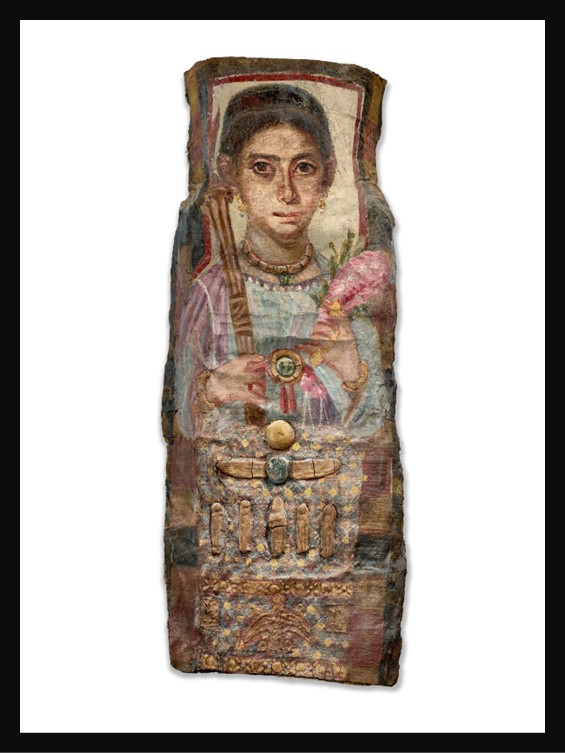
Fayum mummy portraits fuse Roman realism with Egyptian funerary tradition, preserving vivid identities through encaustic painting, rich symbolism, and multicultural influences, offering an intimate, enduring connection to individuals of ancient Roman Egypt.
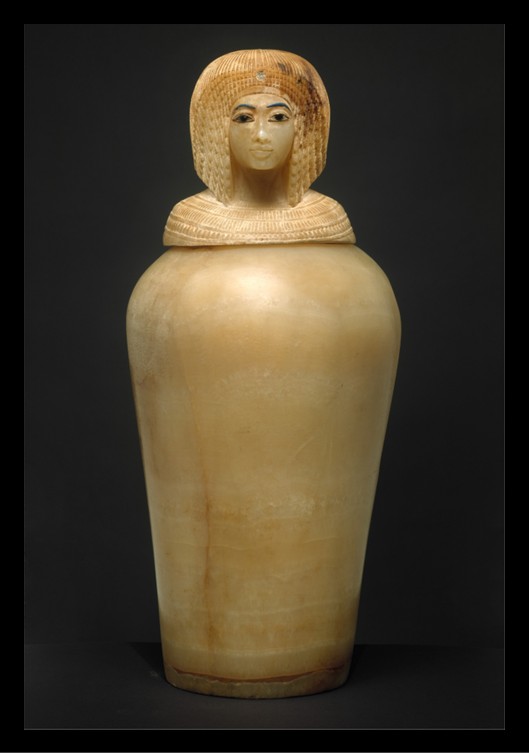
Amarna Canopic Jar
Discovered in the Valley of the Kings, this enigmatic Amarna Canopic Jar at the MET haunts with unanswered questions — its exquisitely sculpted lid concealing the identity of a mysterious royal woman.
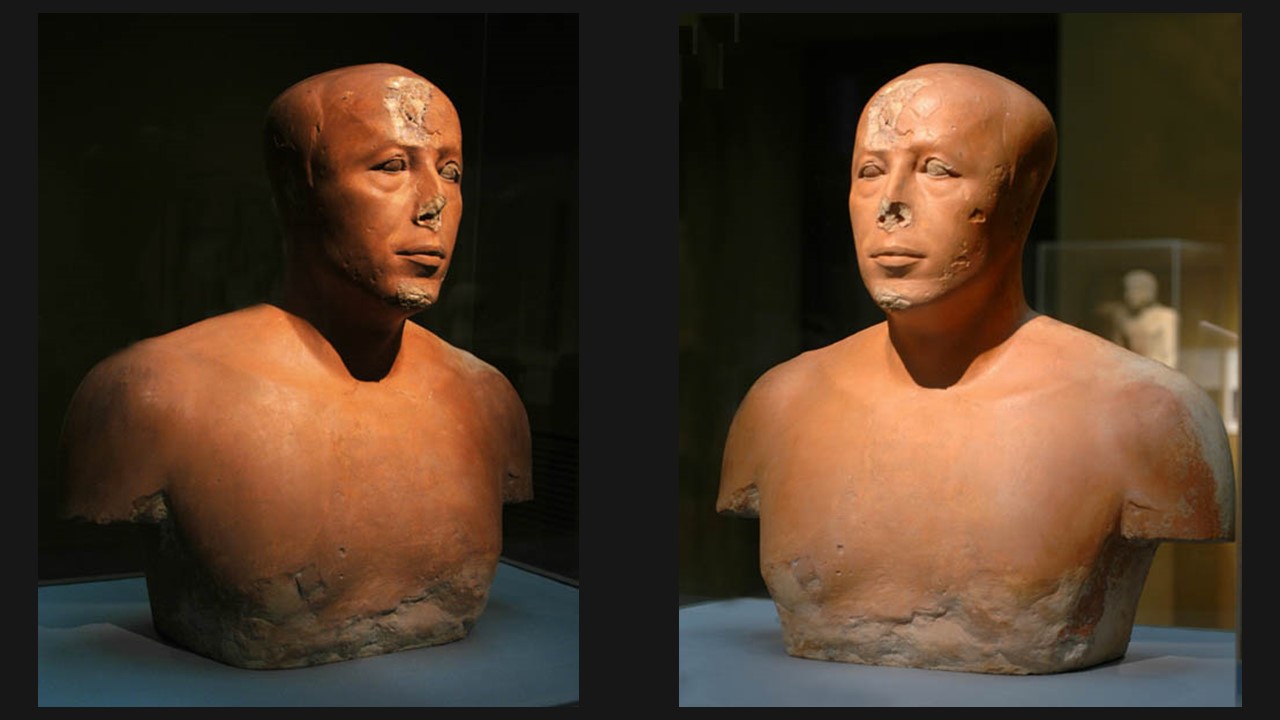
Bust of Prince Ankhhaf
Among ancient Egypt’s stylized art, the startlingly realistic Bust of Prince Ankhhaf stands apart — a powerful, intimate portrait of the man who helped build the Great Pyramid.
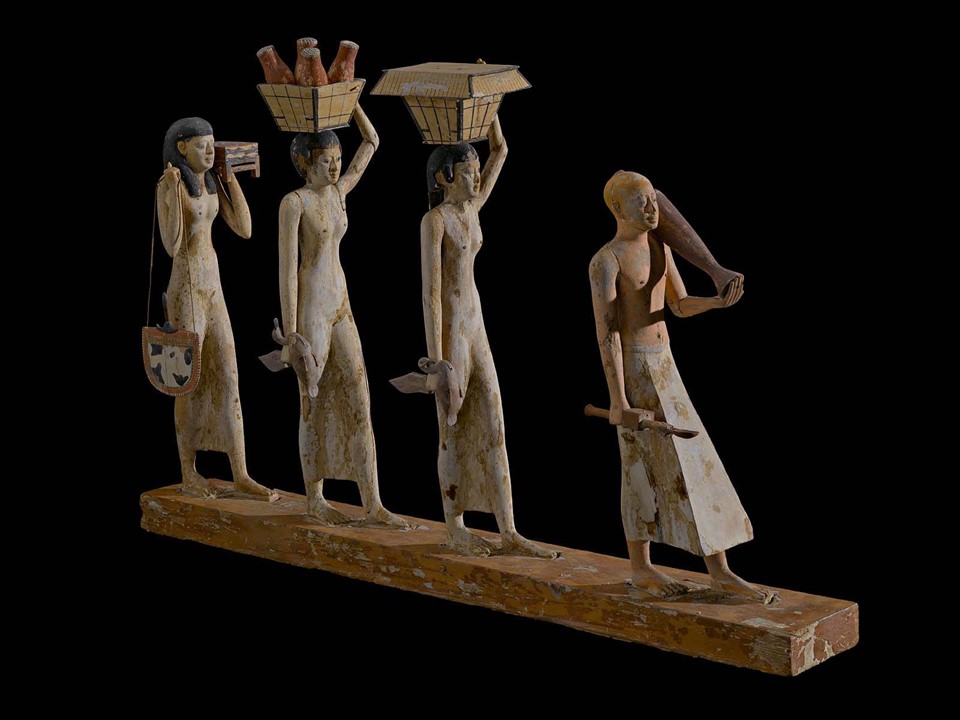
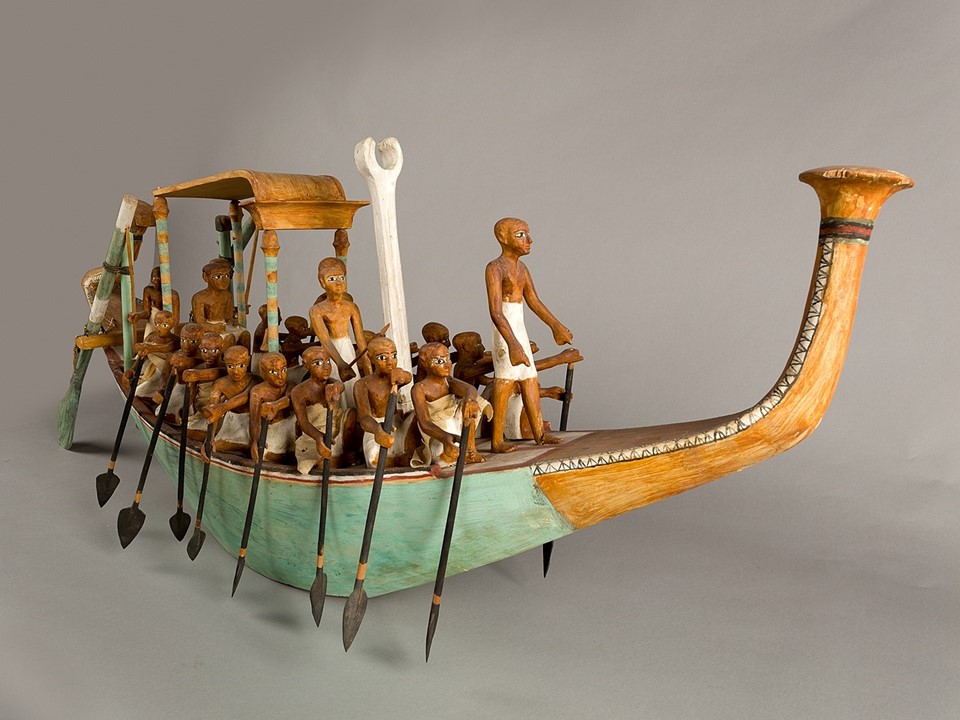
The Bersha Procession
The Bersha Procession captivates with refined craftsmanship and vivid detail, transforming humble wood into a lively vision of ritual, devotion, and daily life in ancient Egypt’s afterlife beliefs.
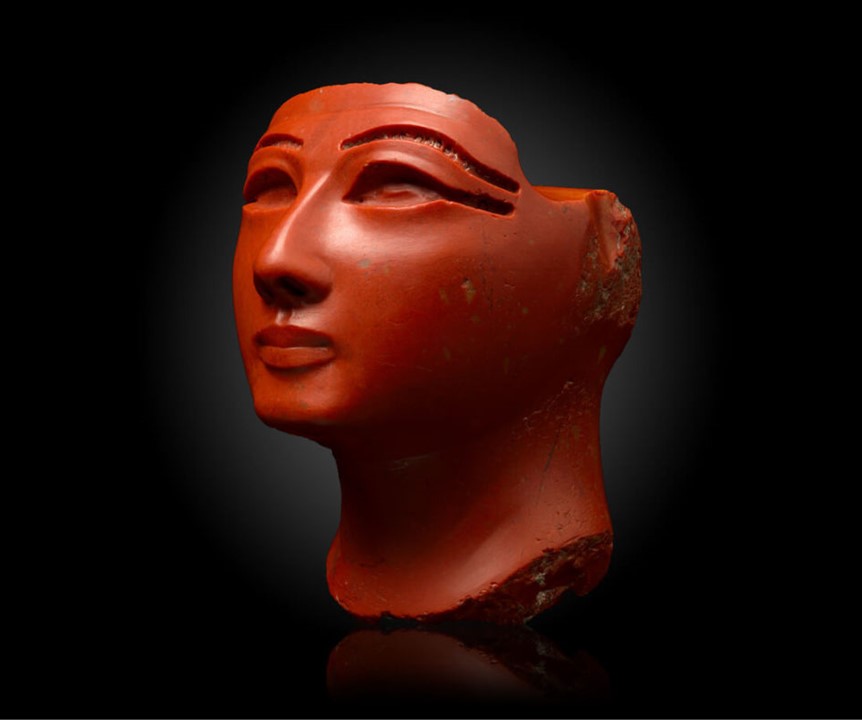
Perhaps… a Portrait of Hatshepsut!
The red jasper Head of a Royal Figure from the Al Thani Collection Egyptian royal head evokes the quiet authority of an 18th Dynasty ruler, where refined carving, idealised features, and material brilliance suggest the enduring power and ambiguity of royal identity in ancient Egypt.
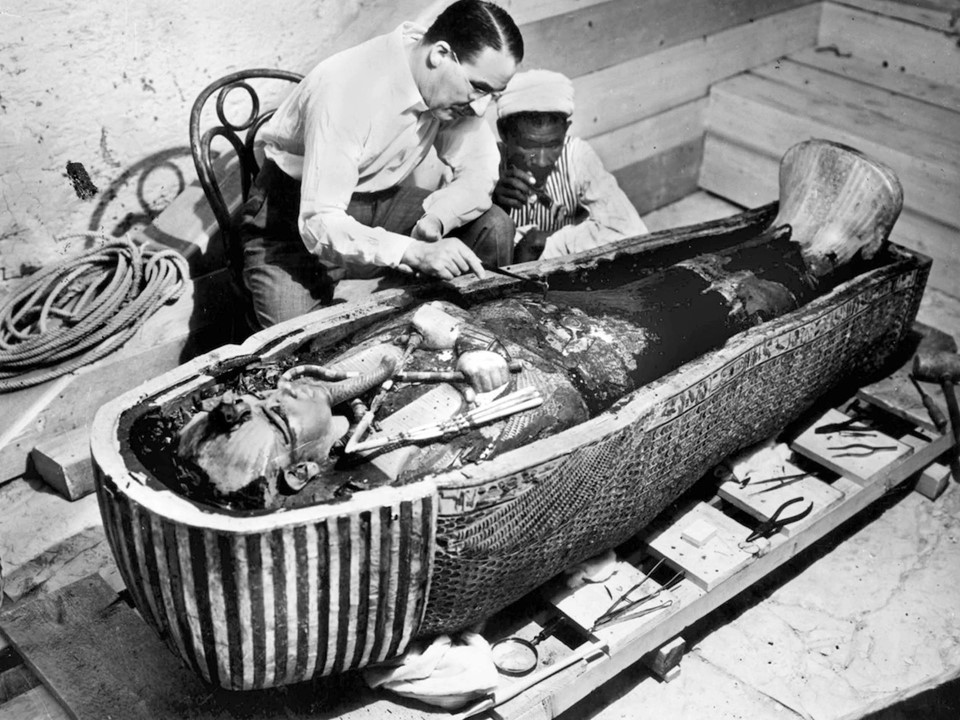
The Tomb of Tutankhamun
Howard Carter’s discovery of Tutankhamun’s intact tomb revealed “wonderful things”—a dazzling cache of artifacts offering an unprecedented glimpse into ancient Egyptian burial practices, royal life, and afterlife beliefs.
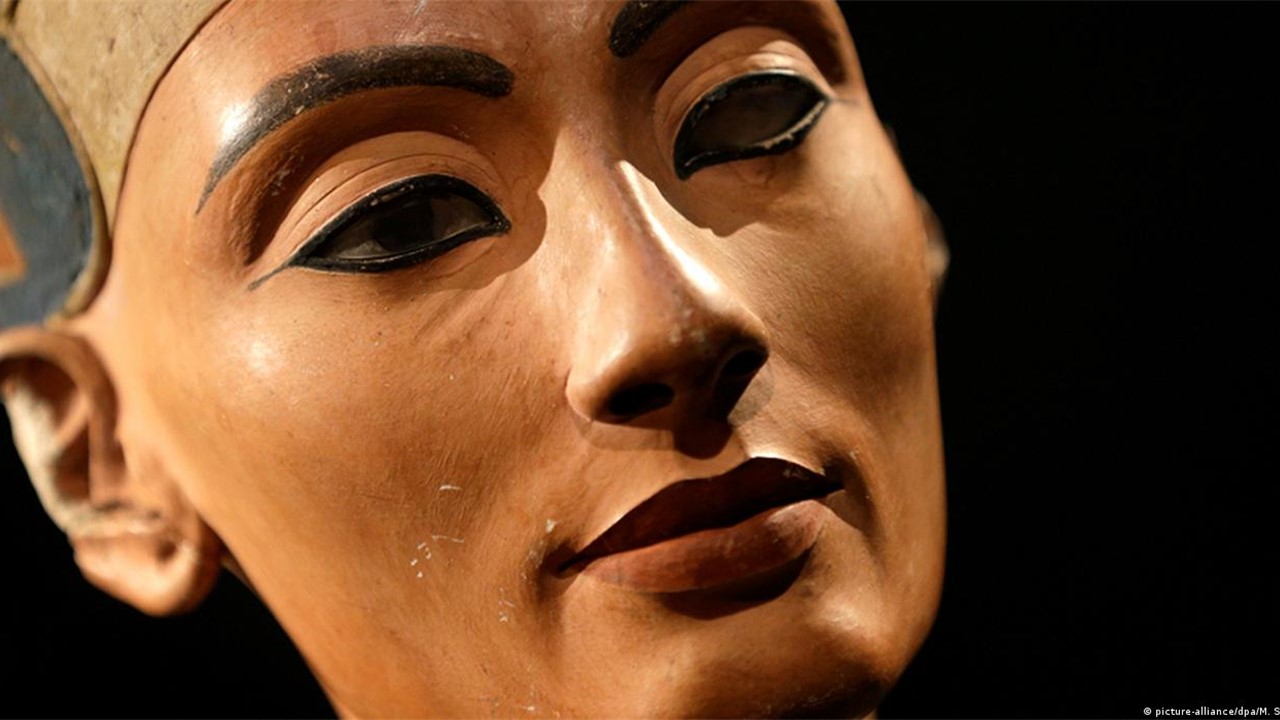
The Art of the Amarna Period
Amarna art under Akhenaten breaks with tradition, showing stylised yet intimate royal imagery, focusing on everyday life, sunlight, and family scenes, creating a strikingly human and emotionally vivid Egyptian artistic moment.
New Kingdom Rock Cut Tombs
New Kingdom Theban tombs combine rock-cut architecture with painted chapels, where scenes of daily life and religious texts express both elite status and enduring hopes for a successful afterlife.
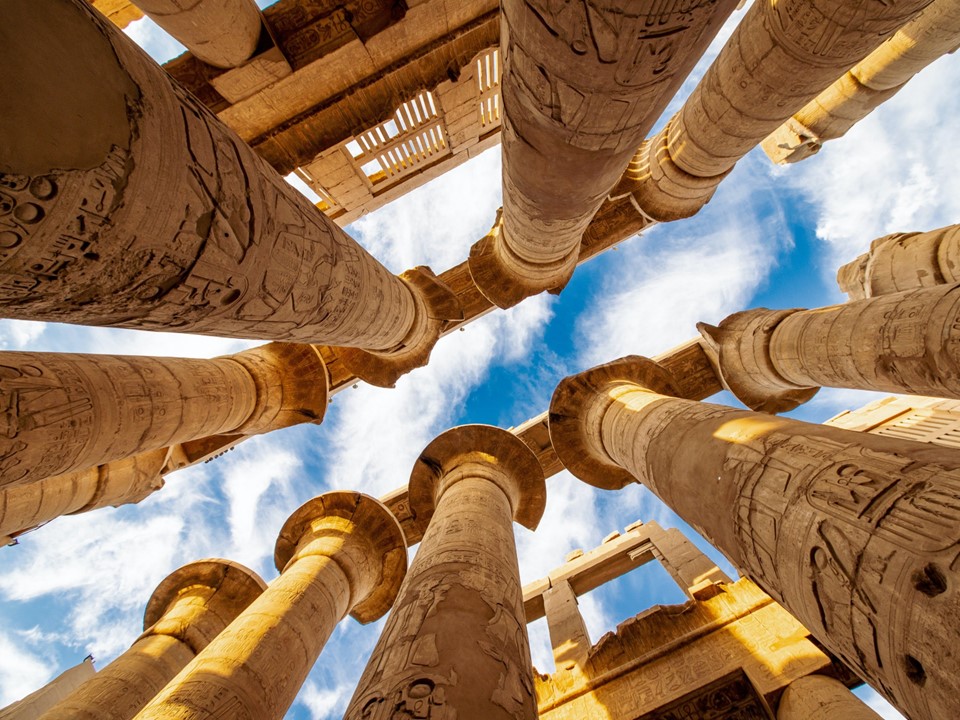
New Kingdom Temple Architecture
New Kingdom temple architecture in Thebes reflects Egypt’s imperial wealth and religious worldview, with cult temples like Karnak housing divine statues, and mortuary temples sustaining royal afterlives, together forming a cosmic, ritual landscape that linked politics, religion, and eternity.
The dynamic Middle Kingdom
Middle Kingdom Egypt marks a shift toward a more humanized kingship, renewed unity, and cultural expansion, producing realistic royal portraiture like Senusret III and increasingly elaborate private tomb art, reflecting both political stability and a broader “democratization” of the afterlife.


![Tomb of Ramose, 18th Dynasty, c. 1350 BC, Vizier of Amenhotep III, Western Thebes, Egypt - Two male guests… the man in front is "the overseer of the hunters of [Amun], Keshy". The one in the back is unknown. In front of them is Werel, the “Mistress of Goddess](https://www.teachercurator.com/wp-content/uploads/2023/02/7-NewKing-TombsFrescoes-Ramose-JPEG.jpg)