Discover how Lucas van Valckenborch transforms the grape harvest into a fascinating autumn landscape where nature, agricultural work and courtly life come together in one remarkable painting.
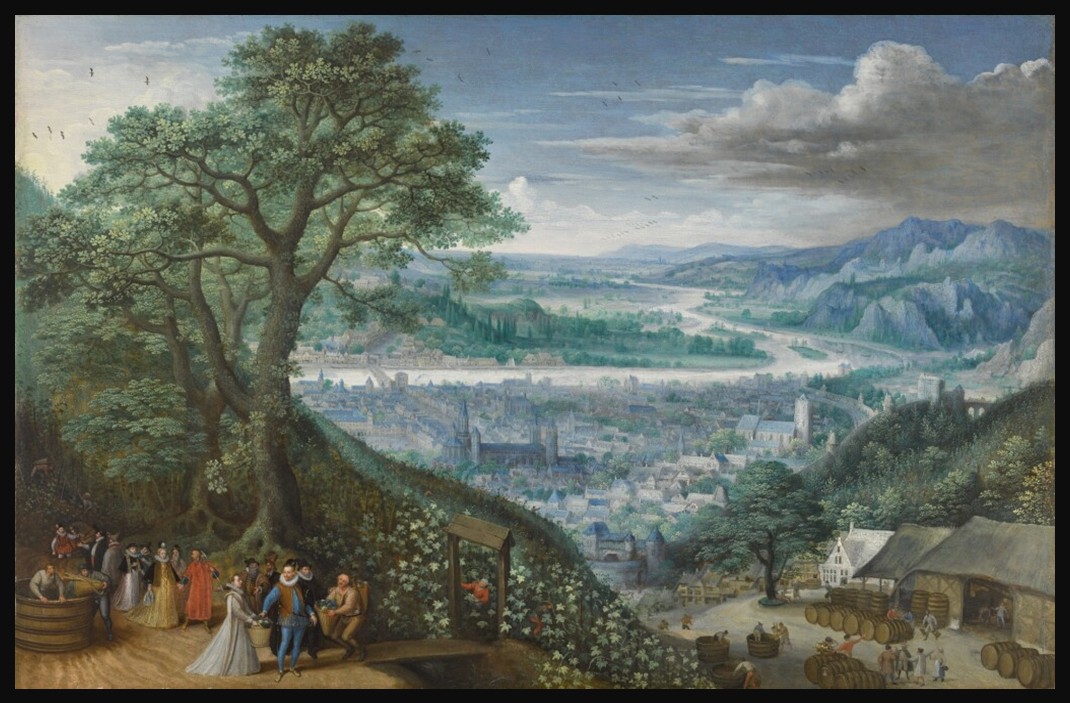
Discover how Lucas van Valckenborch transforms the grape harvest into a fascinating autumn landscape where nature, agricultural work and courtly life come together in one remarkable painting.
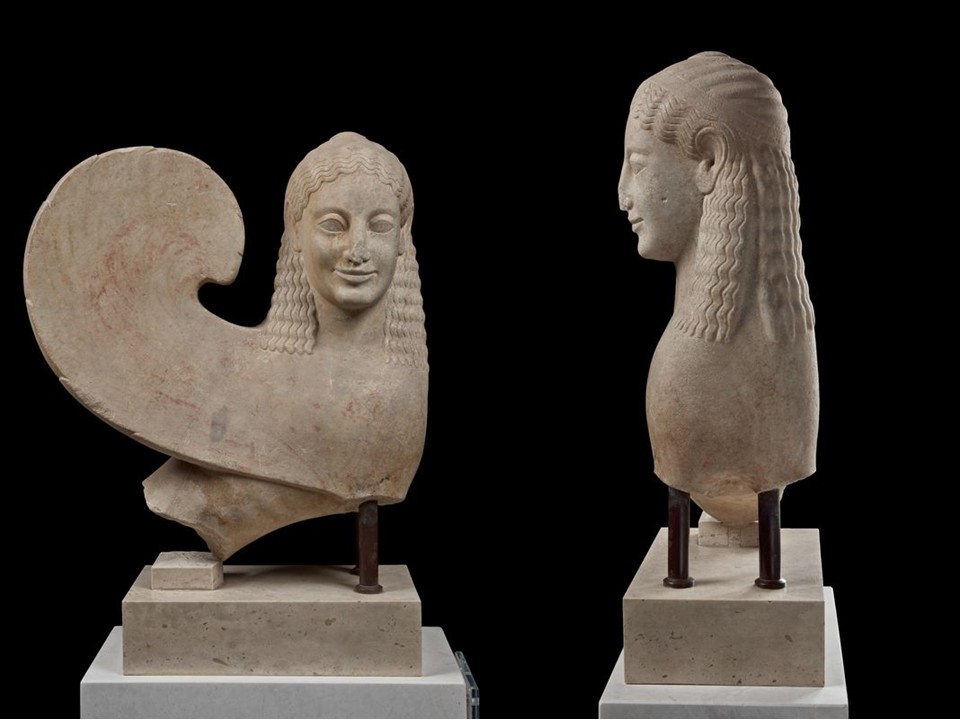
Look closely at the Acropolis Sphinx and discover how a small Archaic sculpture opens a fascinating window into Greek mythology, ancient colour, mystery, and the sacred world of Athens.
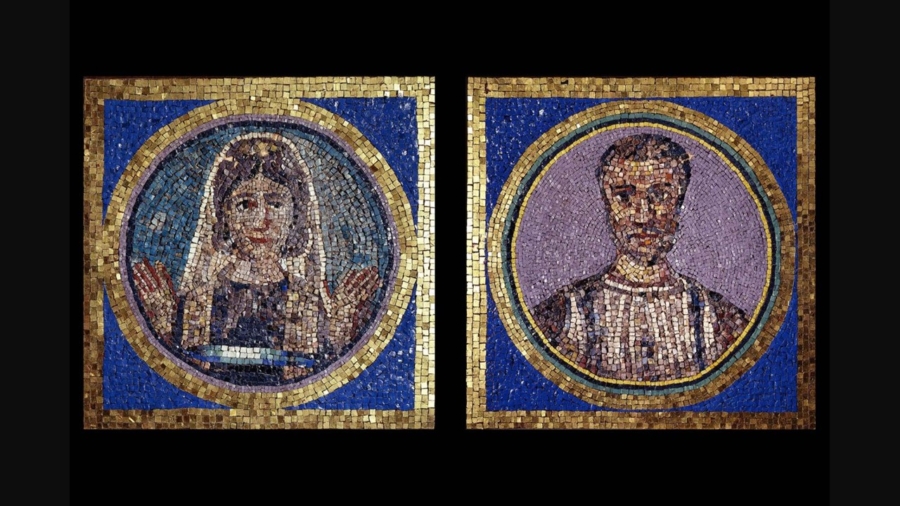
Two remarkable Late Antique mosaics reveal the story of Maria Simplicia Rustica and her husband, offering a moving glimpse into love, loss and remembrance in ancient Rome.
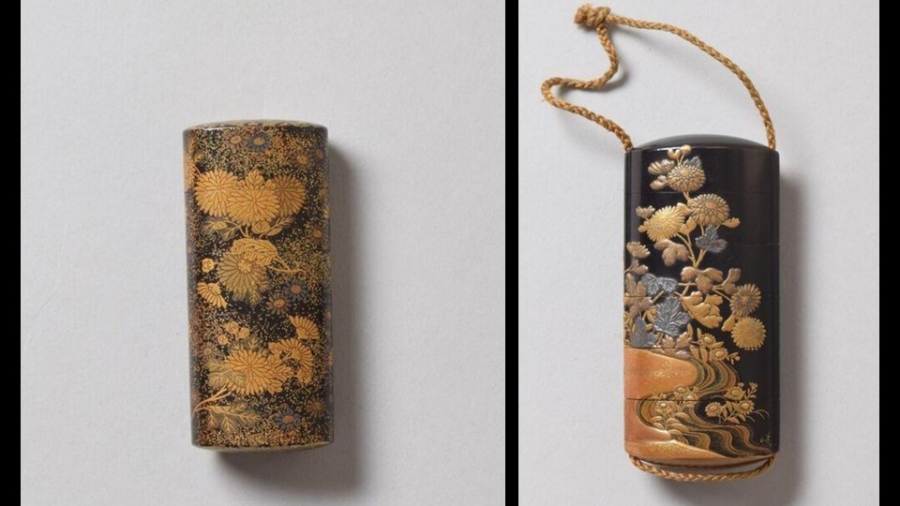
Celebrate September through a beautiful Japanese lacquer inrō, where asters and chrysanthemums capture the quiet beauty of autumn in a masterpiece that fits in the palm of your hand.
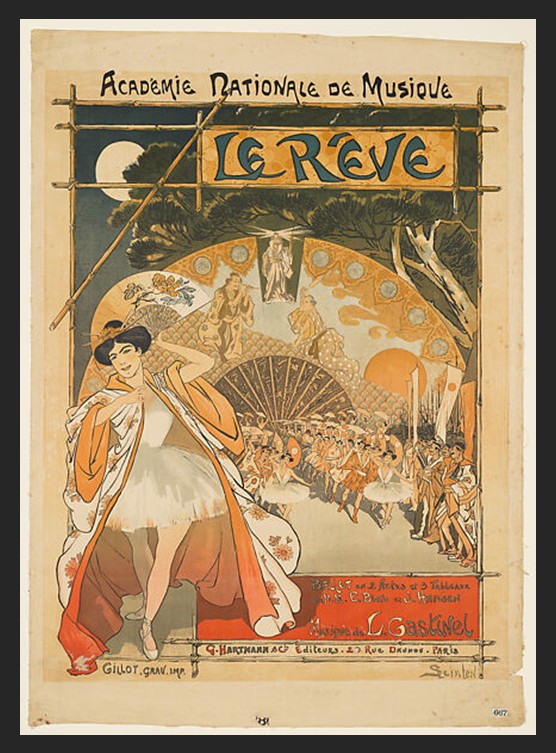
Discover how Steinlen’s Le Rêve captures the spirit of Belle Époque Paris through Japonisme, innovative gillotage printing, and a dreamlike poster celebrating art, theatre, and cultural exchange.
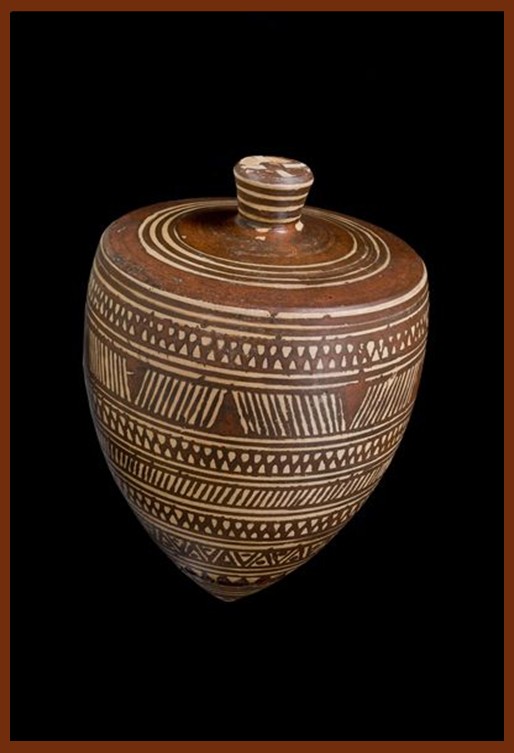
A small clay object from the Acropolis Museum reveals the elegance of Geometric art, while its unknown purpose invites us to explore archaeology’s fascinating mysteries.
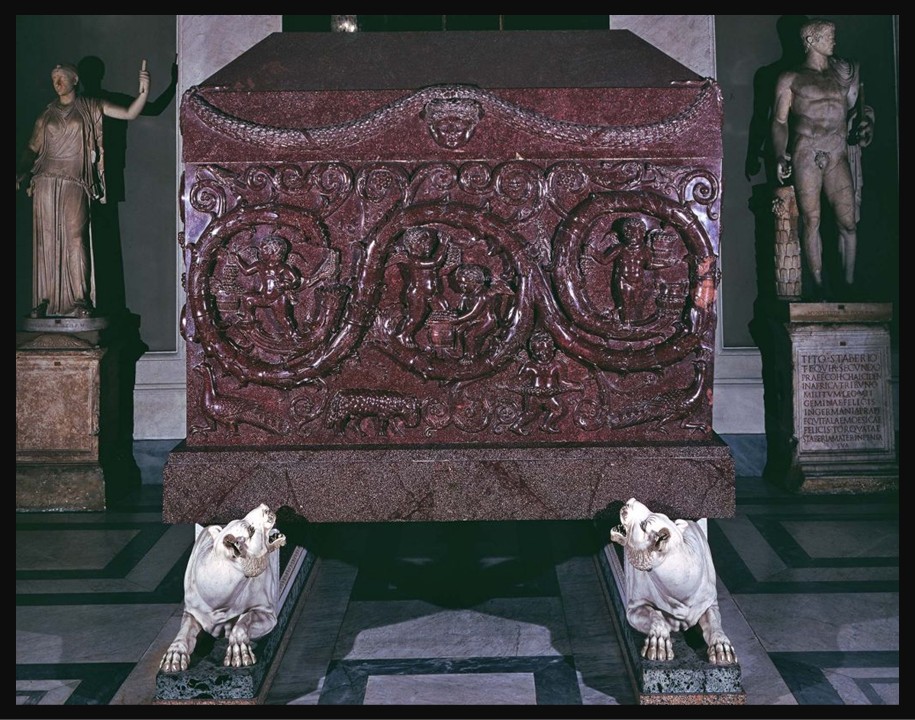
A daughter of Constantine, buried in the one stone only emperors could use — and covered in images nobody has fully explained in seventeen centuries.
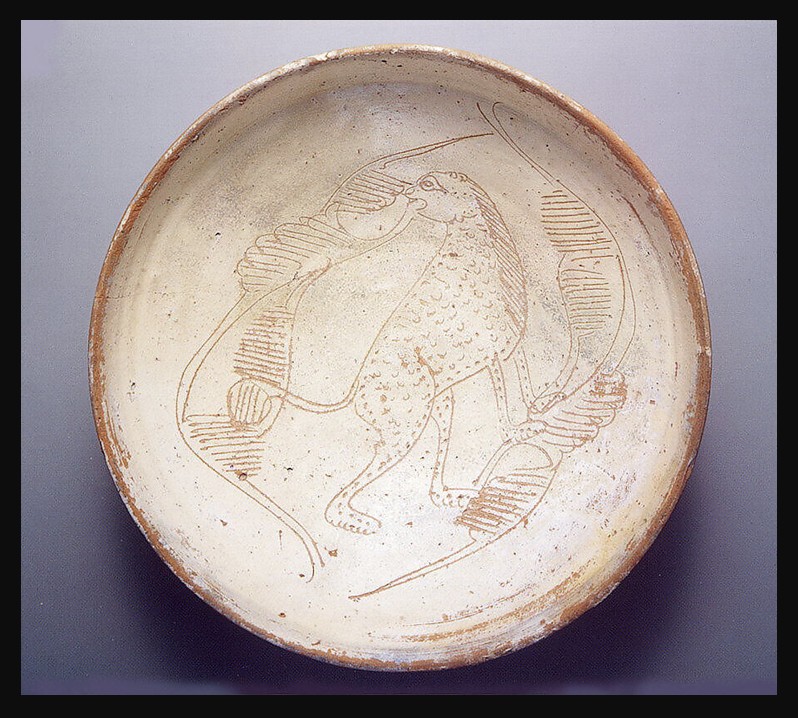
A humble Byzantine clay bowl decorated with a cheetah reveals a world of imperial prestige, artistic skill, trade, and cultural exchange across the medieval Mediterranean.
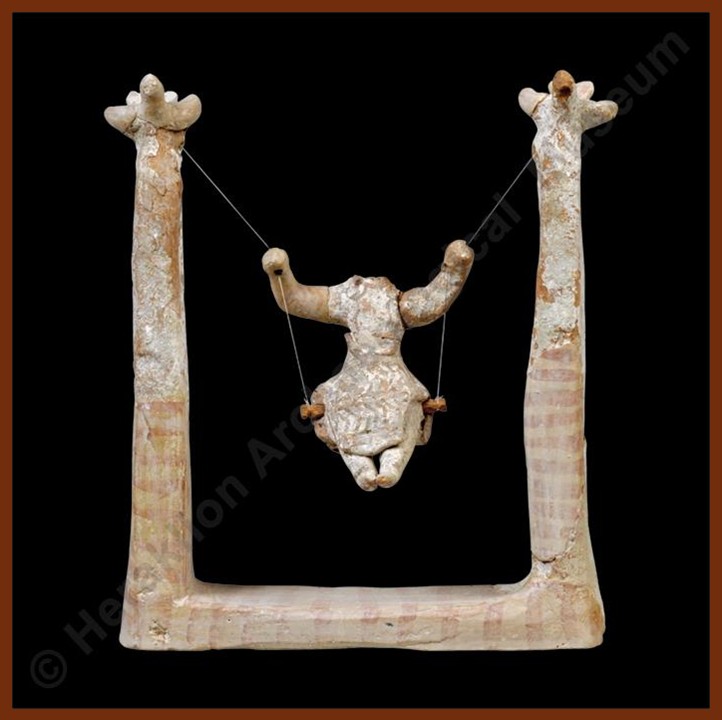
The Swing’ is a charming and unusual artifact from Minoan Crete. It’s a clay model depicting a female figure seated on a swing, suspended between two upright posts.
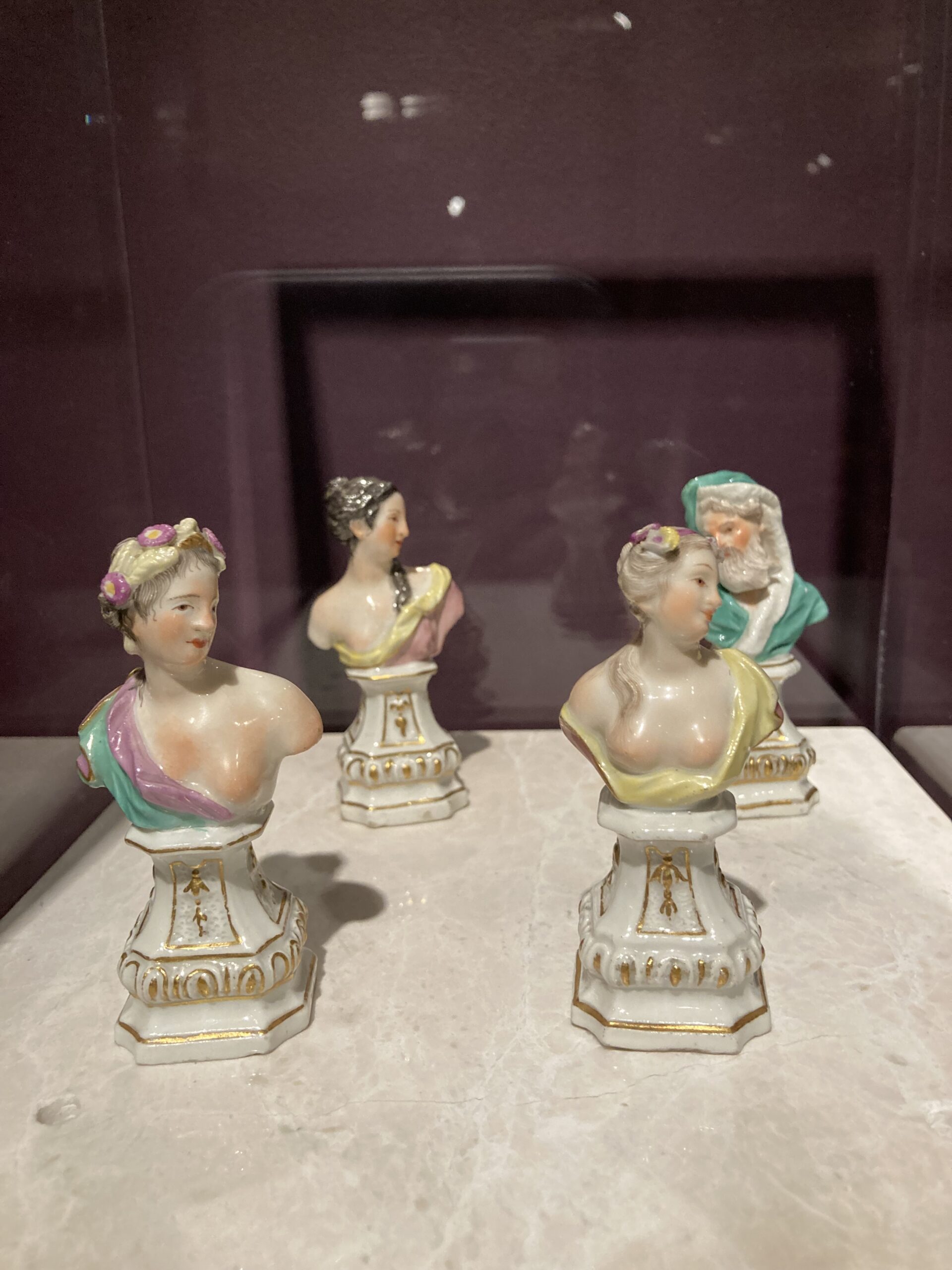
Meissen porcelain Four Seasons busts (c. 1755) reveal how 18th-century Europe visualized time through allegory, craftsmanship, and classical tradition.