Enheduanna, daughter of Sargon, emerges as the first named author, uniting political power, ritual authority, and poetic voice; her alabaster disk preserves her image, legacy, and enduring cultural influence.
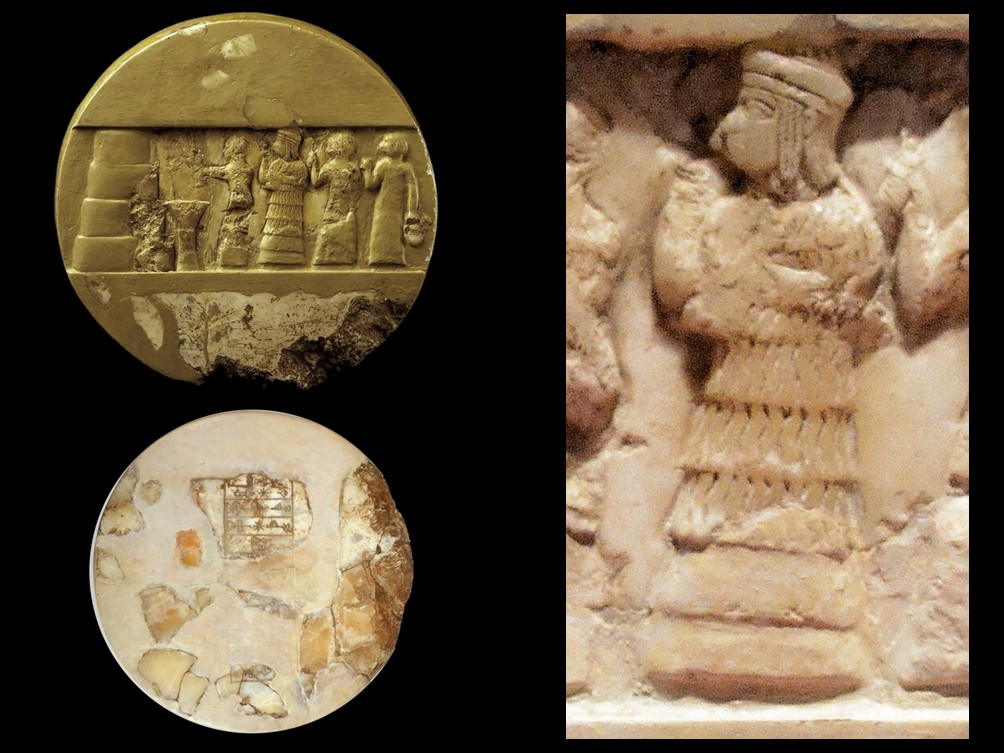
Enheduanna, daughter of Sargon, emerges as the first named author, uniting political power, ritual authority, and poetic voice; her alabaster disk preserves her image, legacy, and enduring cultural influence.
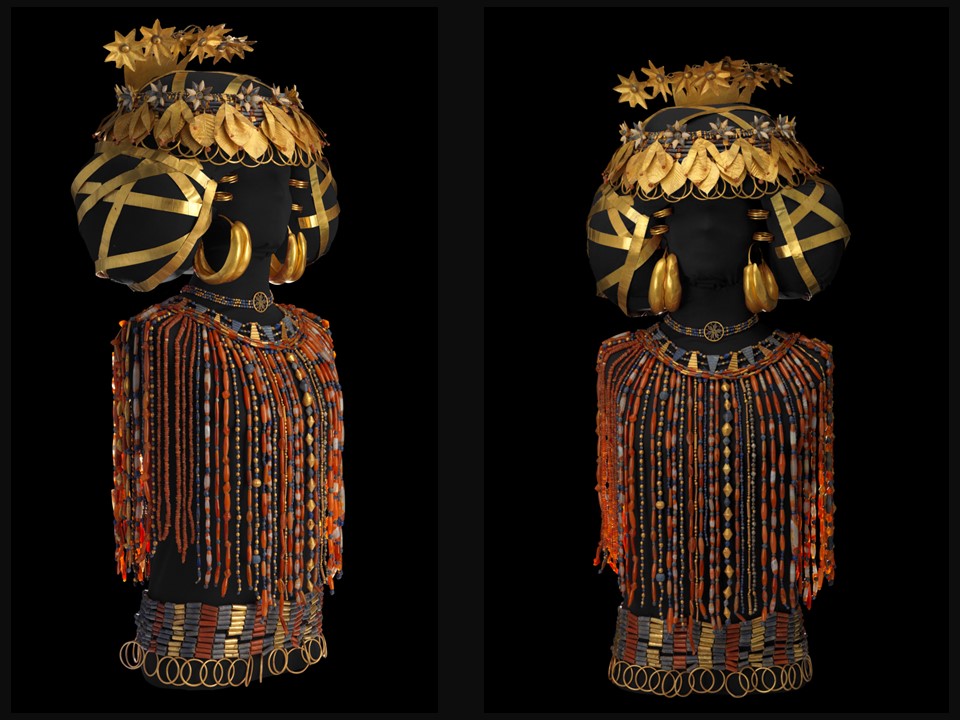
At Royal Cemetery of Ur, Puabi emerges as a figure of power and splendor, her golden regalia and lapis-lazuli adornments reflecting elite status, ritual authority, and the enduring legacy of early Mesopotamian civilization.
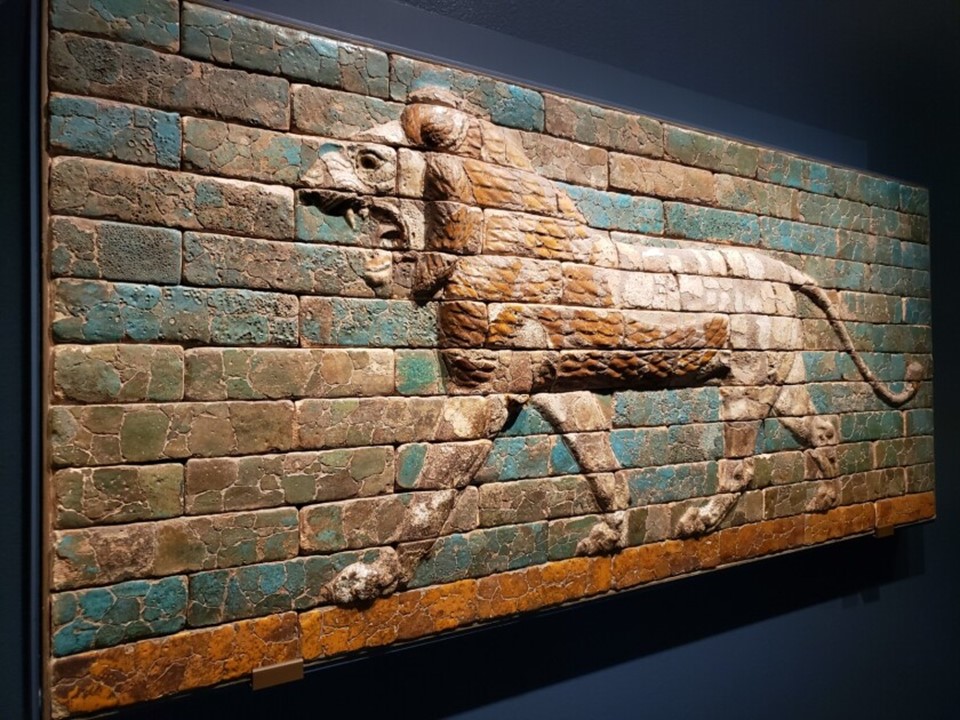
The Ishtar Gate and Processional Way of Babylon, commissioned by Nebuchadnezzar II, formed a monumental, vividly glazed ceremonial route decorated with lions, dragons, and bulls—an architectural spectacle designed to embody divine power and imperial grandeur.
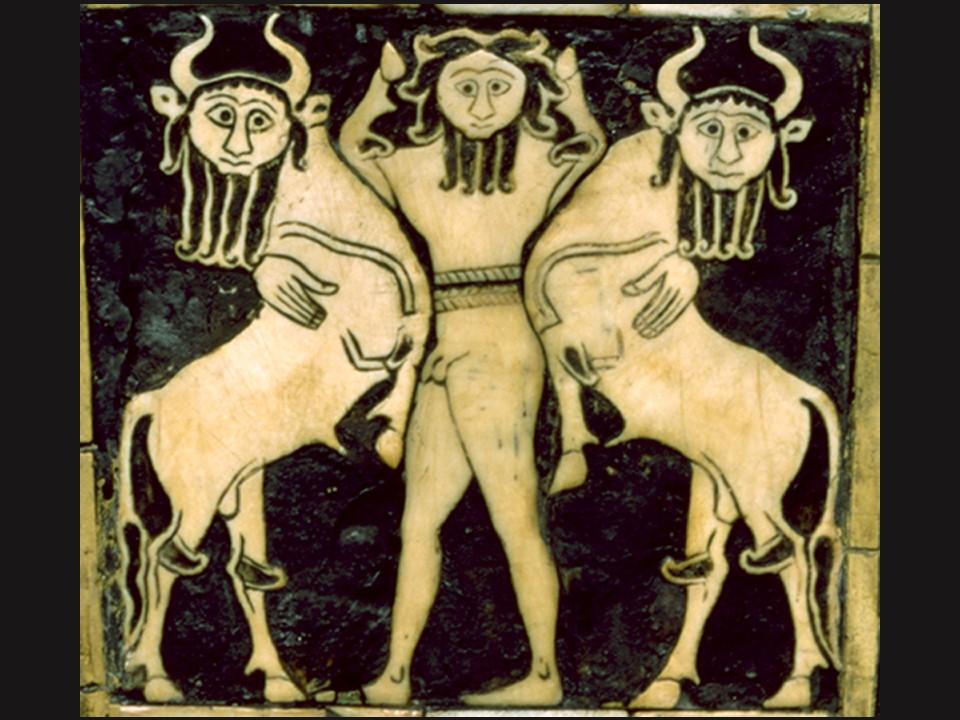
The Epic of Gilgamesh reveals how Gilgamesh, through courage, friendship, and trials, embodies timeless questions about heroism, humanity, and the spirit of great cities like Uruk.
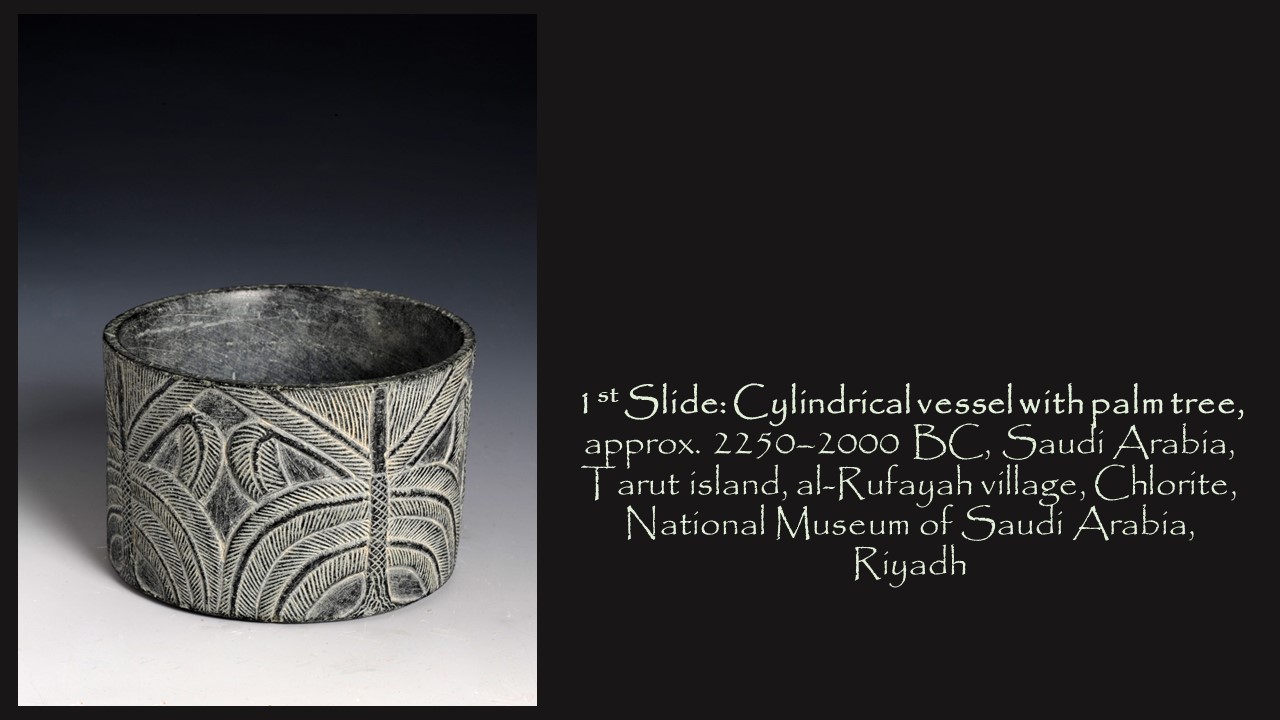
Inspired by a Bronze Age vessel from Benaki Museum, this activity explores how palm tree motifs from Tarout Island reveal ancient trade, creativity, and cultural connections across the Near East.