Luminous, stylish, and charged with youthful energy, Ghika’s Interior with Woman and Mirror is a masterclass in creative dialogue. Here’s how a Greek modernist absorbed the lessons of Picasso, and painted something entirely his own.
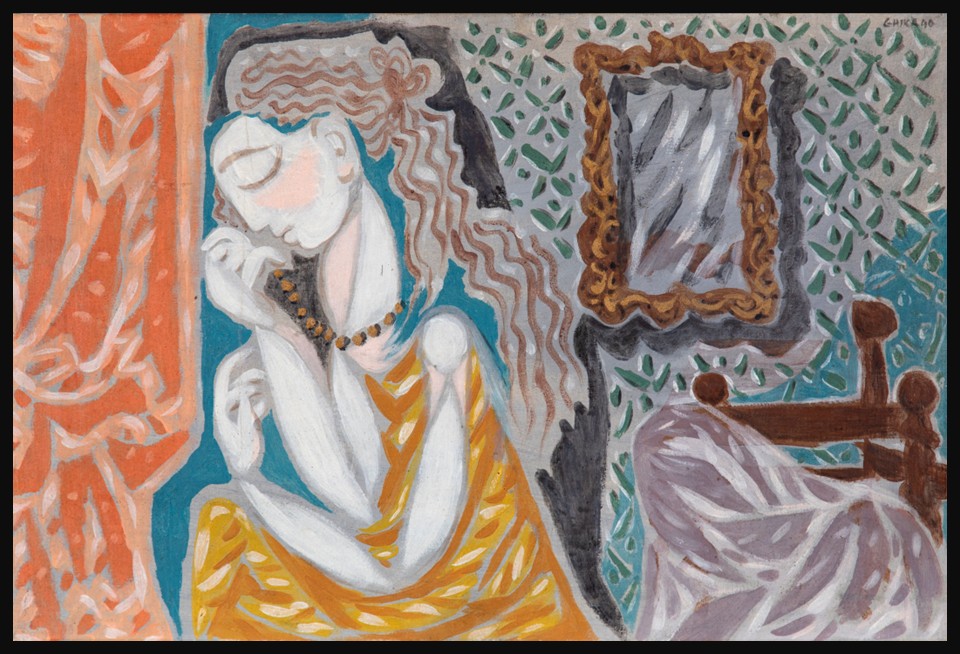
Luminous, stylish, and charged with youthful energy, Ghika’s Interior with Woman and Mirror is a masterclass in creative dialogue. Here’s how a Greek modernist absorbed the lessons of Picasso, and painted something entirely his own.
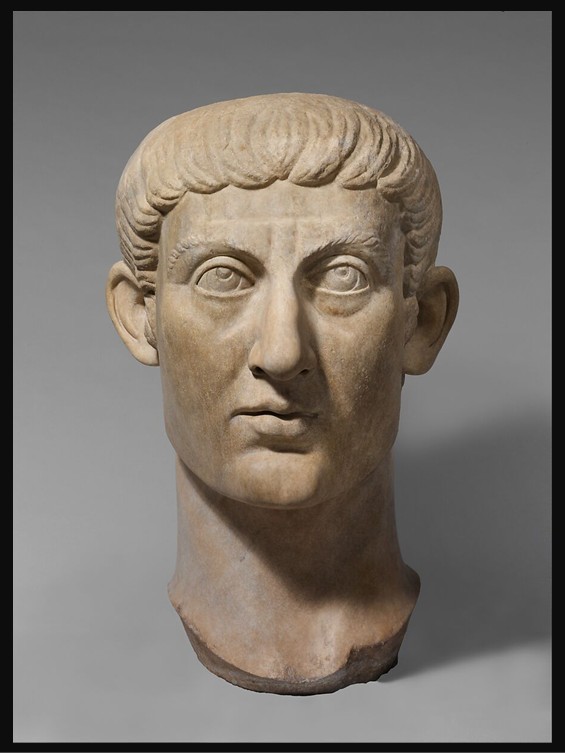
A Face Between Two Empires: Constantine in Marble presents the marble portrait of Constantine the Great as a turning point in Roman art, where classical imperial imagery, political messaging, and the rise of Christianity converge in carved stone.
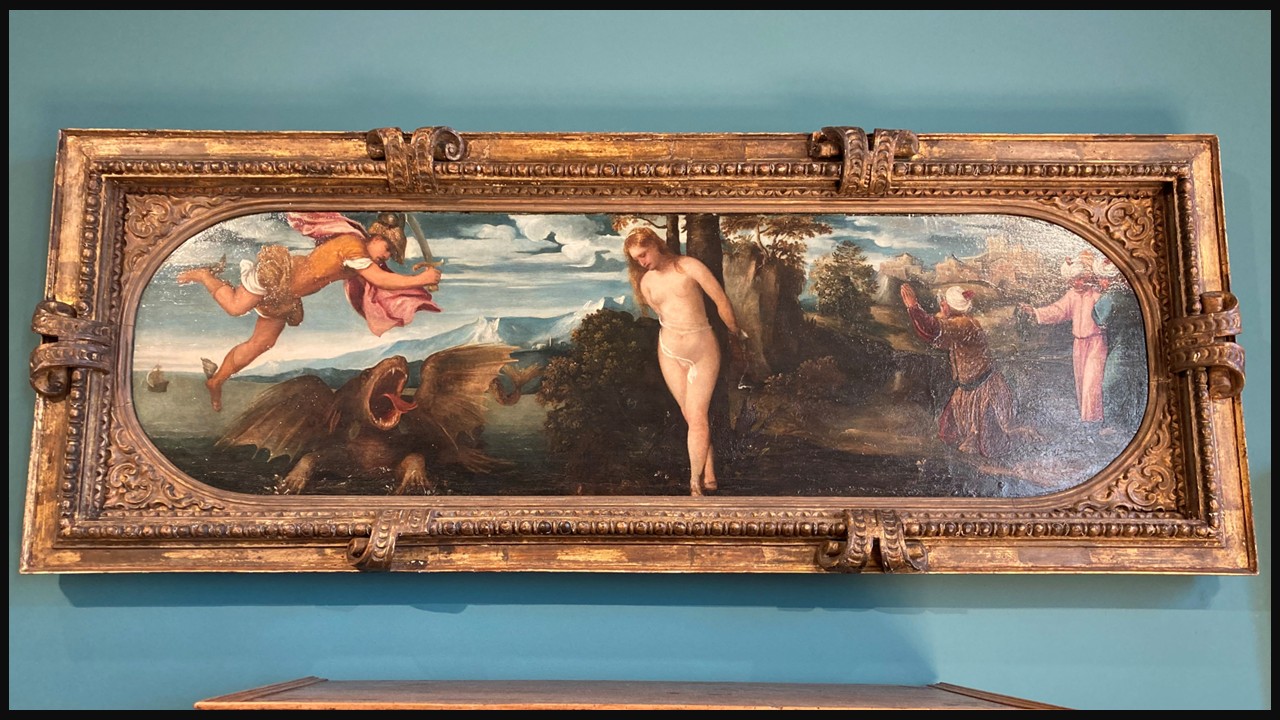
Displayed on a wedding chest, Bonifazio de’ Pitati’s painting of Perseus freeing Andromeda offers a timeless message: that love, like myth, is a journey from danger to harmony.
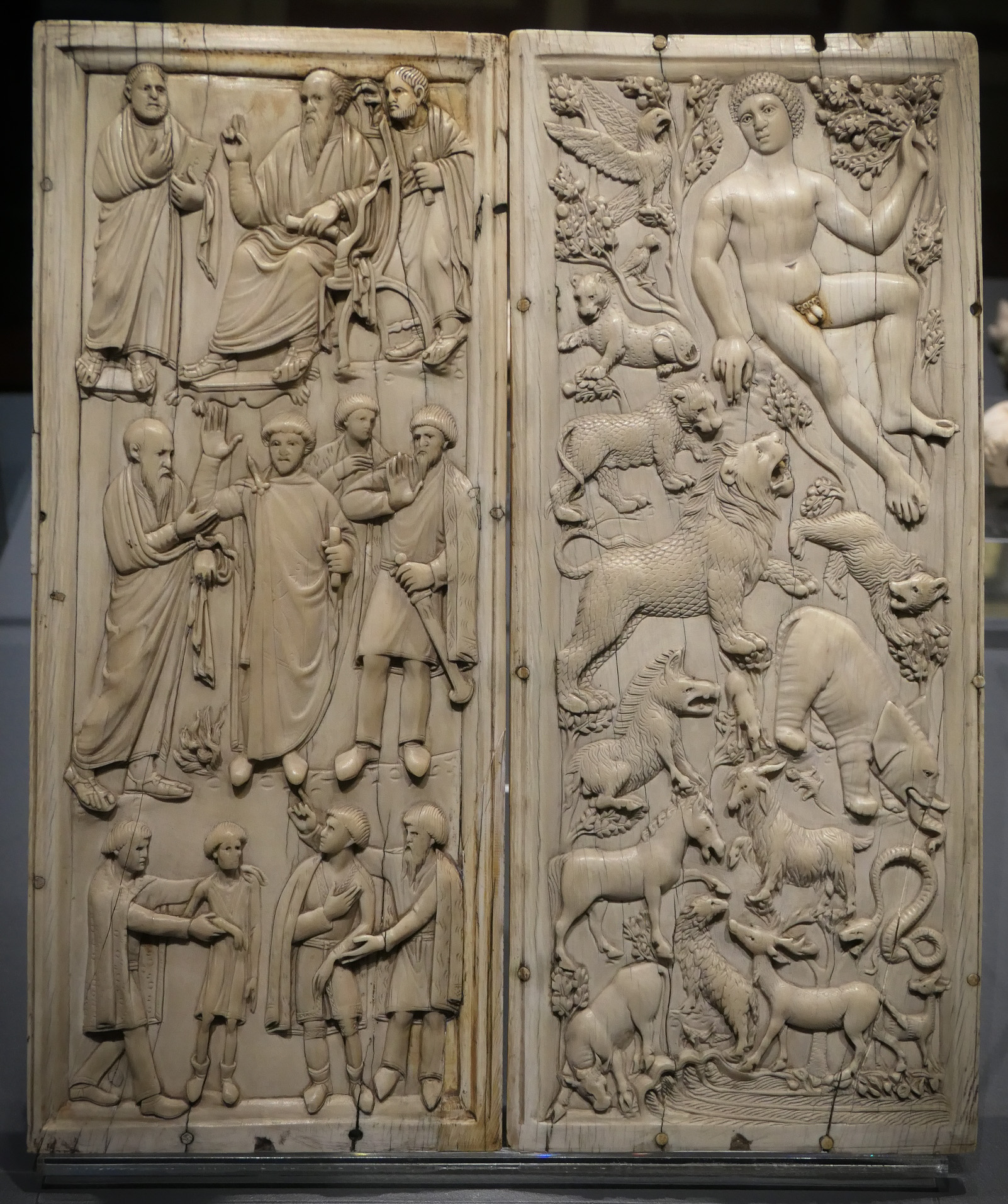
This ivory diptych pairs Adam’s primordial harmony with Saint Paul’s miraculous acts, presenting a visual argument of restored balance, where faith overcomes disorder, reflecting theological meaning and late Roman cultural tensions.
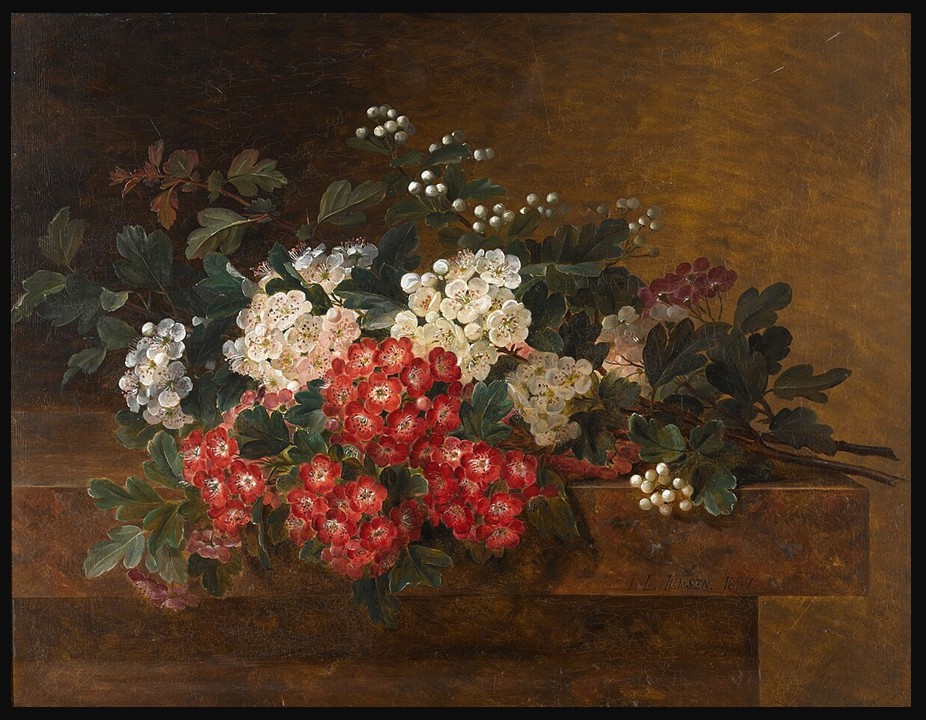
In the quiet refinement of 19th-century Danish painting, Jensen’s Still Life with Hawthorn Blossom celebrates May’s fleeting beauty — where delicate hawthorn blossoms become symbols of renewal, transience, and enduring meaning.
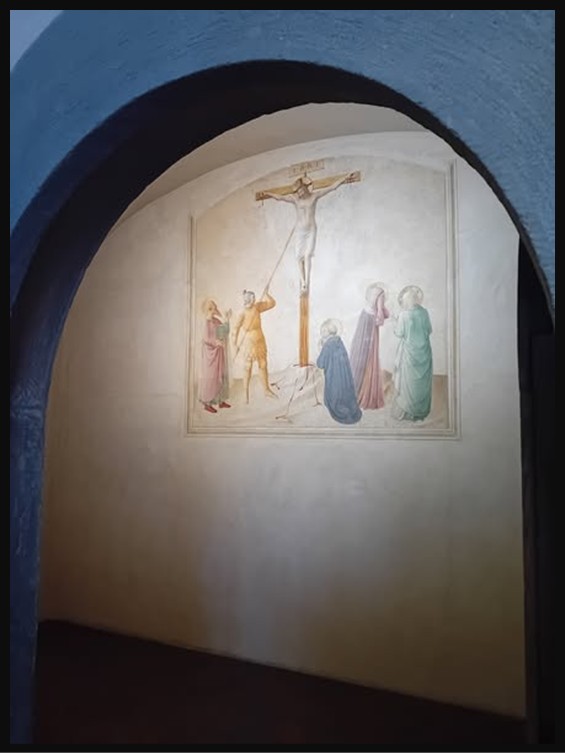
He would never take up his brushes without prayer; and in his Crucifixions, the devotion he felt is seen in the tender, pious expression of every figure.
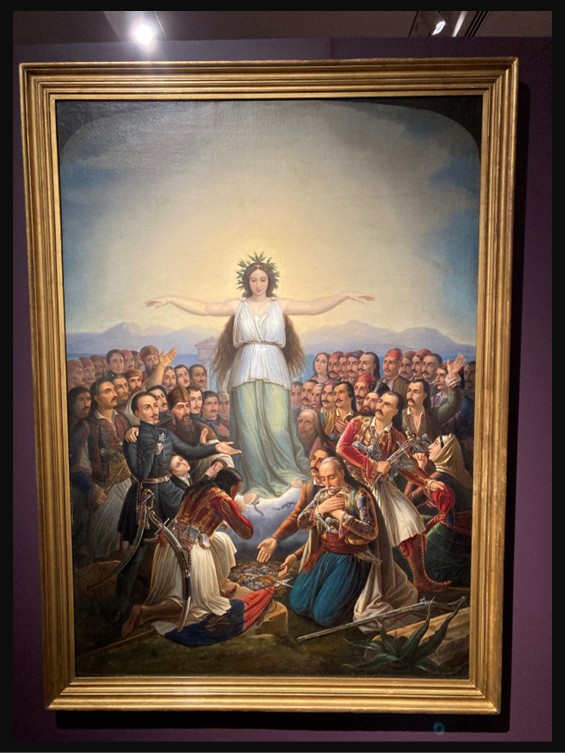
Vryzakis’s 1858 painting unites heroes of the Greek Revolution in an allegorical tribute, where personified Greece honors their collective sacrifice, transforming history into memory, identity, and national gratitude.
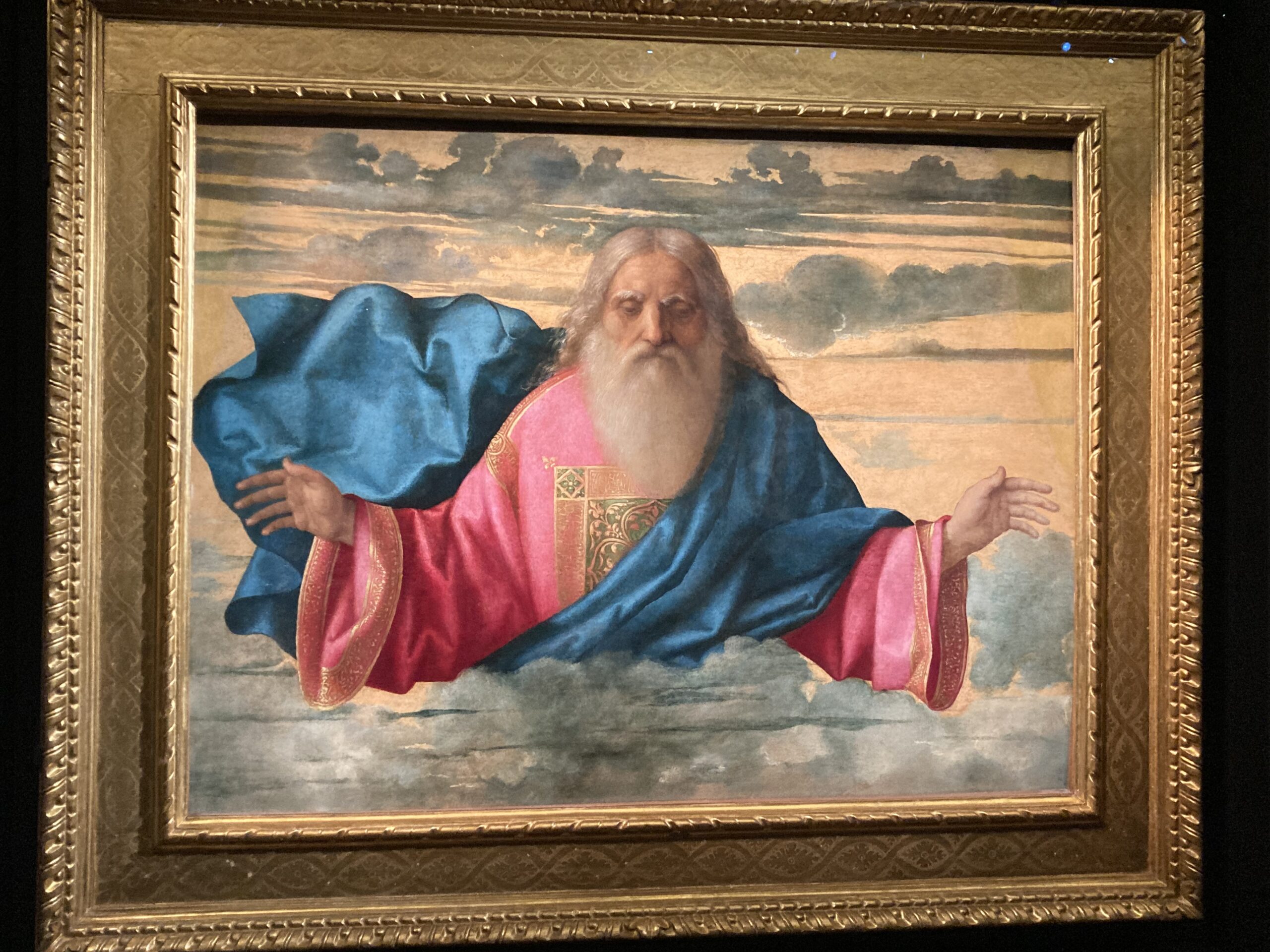
Bellini’s God the Father presents a serene divine figure emerging from clouds, where light, color, and stillness convey spiritual depth, inviting quiet contemplation and an intimate connection between heaven and viewer.
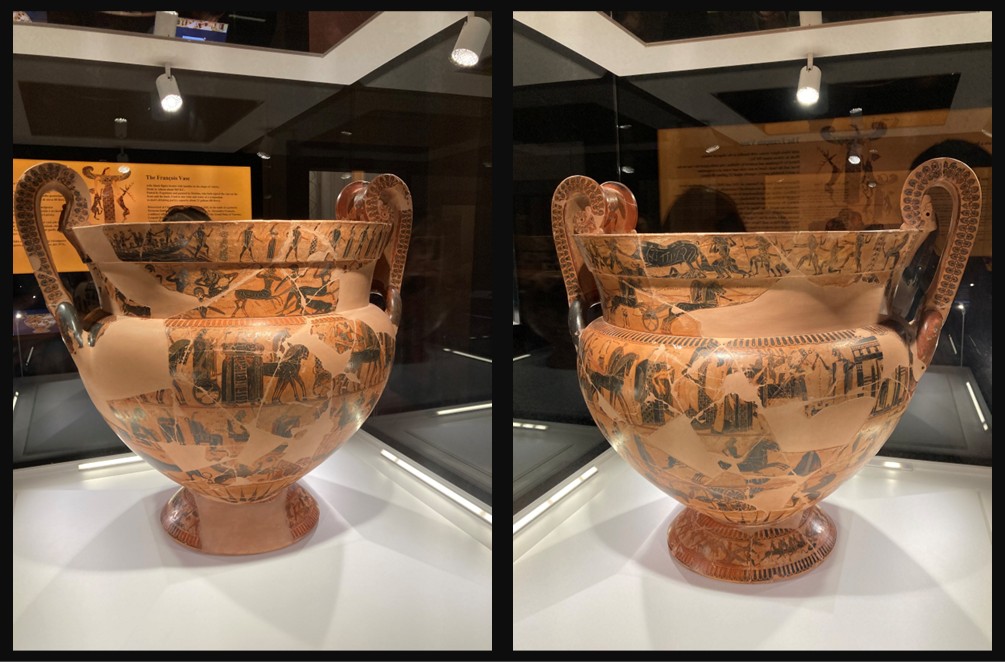
The François Vase is a masterful black-figure krater, uniting mythological scenes in intricate friezes, showcasing Archaic Greek storytelling, craftsmanship, and the collaborative brilliance of Kleitias and Ergotimos.
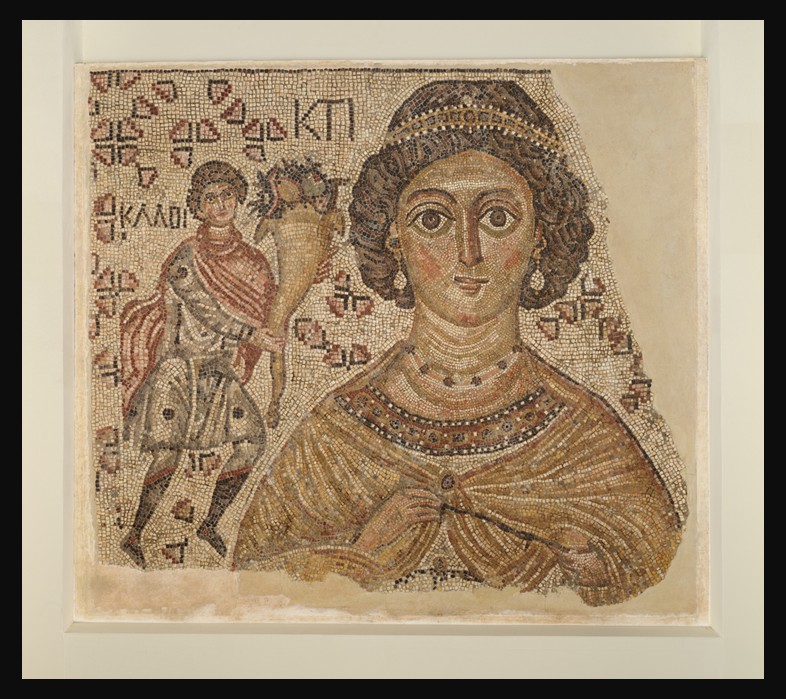
This striking mosaic of Ktisis Mosaic reveals Late Antiquity’s vision of prosperity, where personification, symbolism, and ornament merge to express civic generosity, order, and enduring cultural identity.