A rare Tetrarchic cameo from Dumbarton Oaks shows two emperors rendered with striking symmetry, symbolizing Diocletian’s vision of imperial unity and concord across a divided Roman Empire.
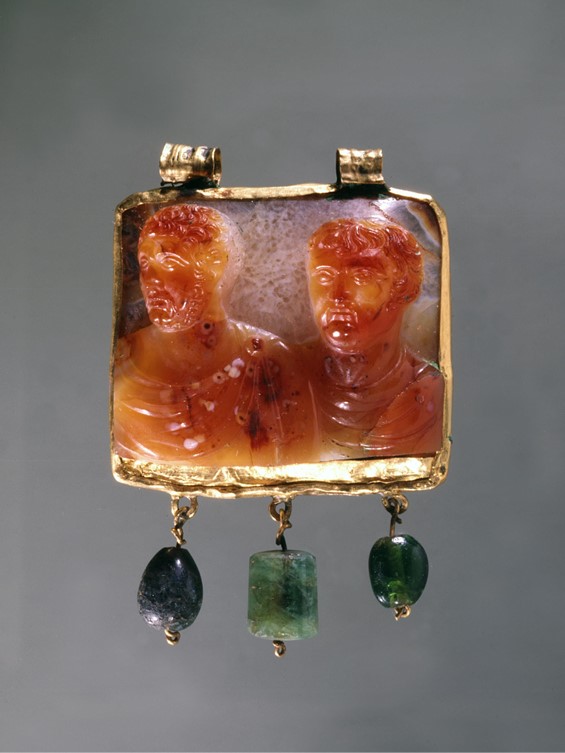
A rare Tetrarchic cameo from Dumbarton Oaks shows two emperors rendered with striking symmetry, symbolizing Diocletian’s vision of imperial unity and concord across a divided Roman Empire.
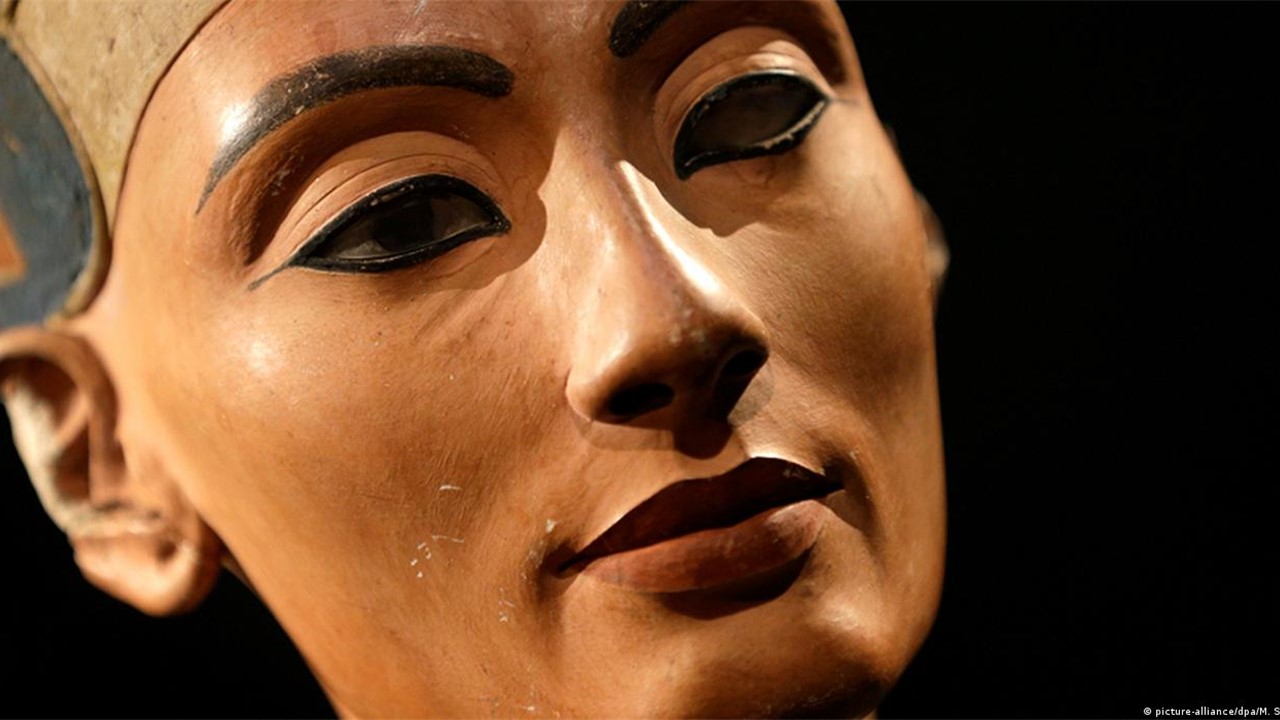
Amarna art under Akhenaten breaks with tradition, showing stylised yet intimate royal imagery, focusing on everyday life, sunlight, and family scenes, creating a strikingly human and emotionally vivid Egyptian artistic moment.
![Tomb of Ramose, 18th Dynasty, c. 1350 BC, Vizier of Amenhotep III, Western Thebes, Egypt - Two male guests… the man in front is "the overseer of the hunters of [Amun], Keshy". The one in the back is unknown. In front of them is Werel, the “Mistress of Goddess](https://www.teachercurator.com/wp-content/uploads/2023/02/7-NewKing-TombsFrescoes-Ramose-JPEG.jpg)
New Kingdom Theban tombs combine rock-cut architecture with painted chapels, where scenes of daily life and religious texts express both elite status and enduring hopes for a successful afterlife.
Theocritus’ playful tale of Eros stealing honey—only to be stung—becomes, in Cranach’s paintings, a moral allegory on desire, pleasure, and the painful consequences hidden within sweetness and beauty.
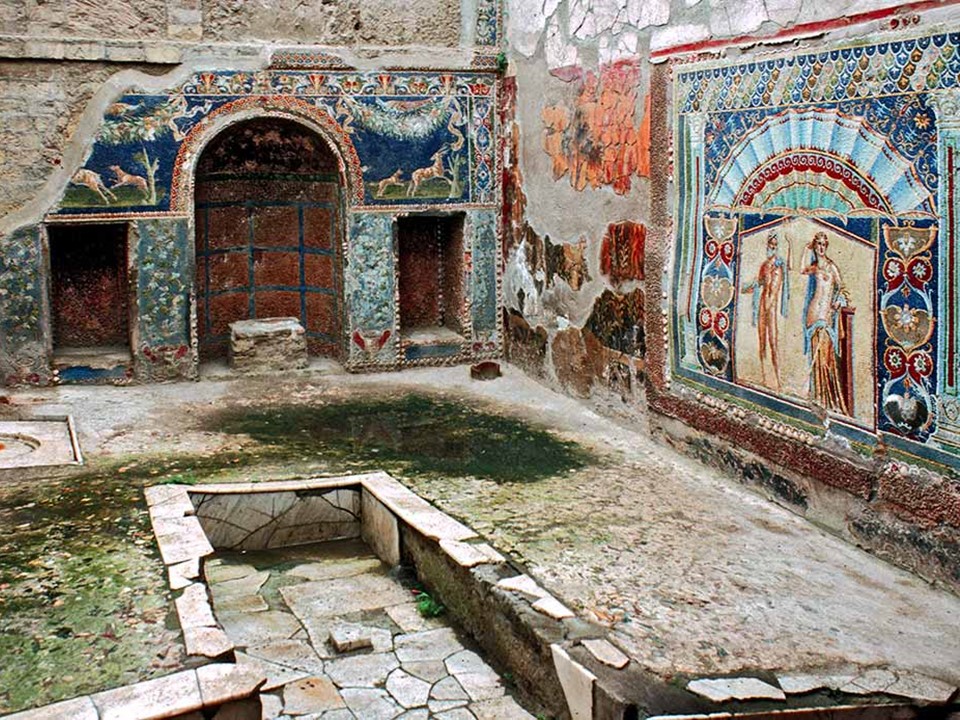
Ovid’s Niobe, turned to stone by grief after Apollo and Artemis punish her pride, finds an unexpected prelude in the Herculaneum Astragaloi Players, where myth, innocence, and fate quietly converge before catastrophe.
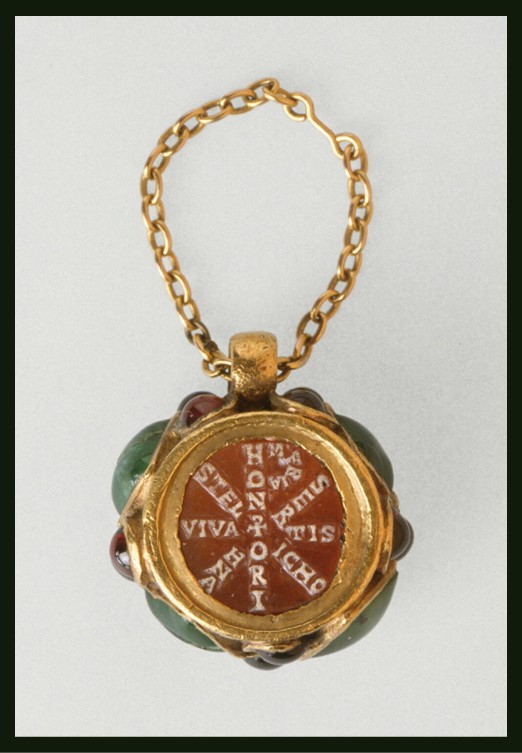
The Enkolpion of Empress Maria can indeed be read as an object where private devotion and public dynastic messaging converge: a jewel-like reliquary that compresses Theodosian family identity, Christian legitimacy, and political continuity into a portable emblem of Late Antique power and sanctified lineage.
Fujiwara Teika was a leading medieval Japanese poet and theorist whose waka shaped imperial anthologies and poetic taste for centuries, later visually reinterpreted in Edo-period screen paintings like Mitsunari’s “Twelve Months,” where verse and image merge into a unified seasonal meditation.
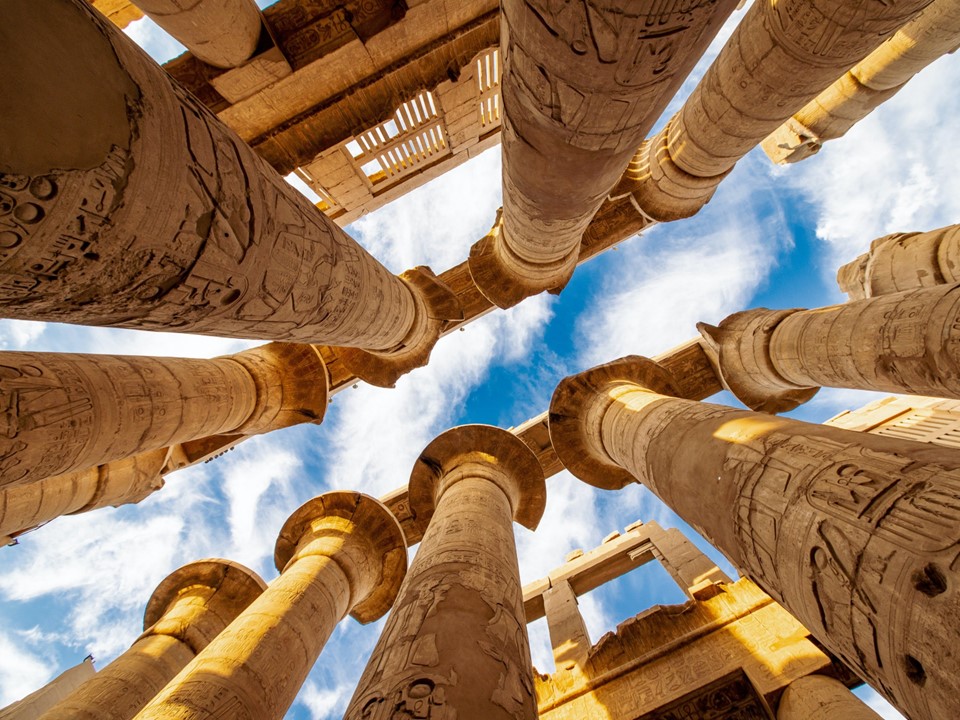
New Kingdom temple architecture in Thebes reflects Egypt’s imperial wealth and religious worldview, with cult temples like Karnak housing divine statues, and mortuary temples sustaining royal afterlives, together forming a cosmic, ritual landscape that linked politics, religion, and eternity.
Polychronis Lembesis’s The Girl with the Pigeons captures a quiet, lyrical moment of everyday life, where a young figure and restless birds are rendered with warmth, movement, and empathy, revealing the artist’s humane observation of ordinary beauty in Greek genre painting.
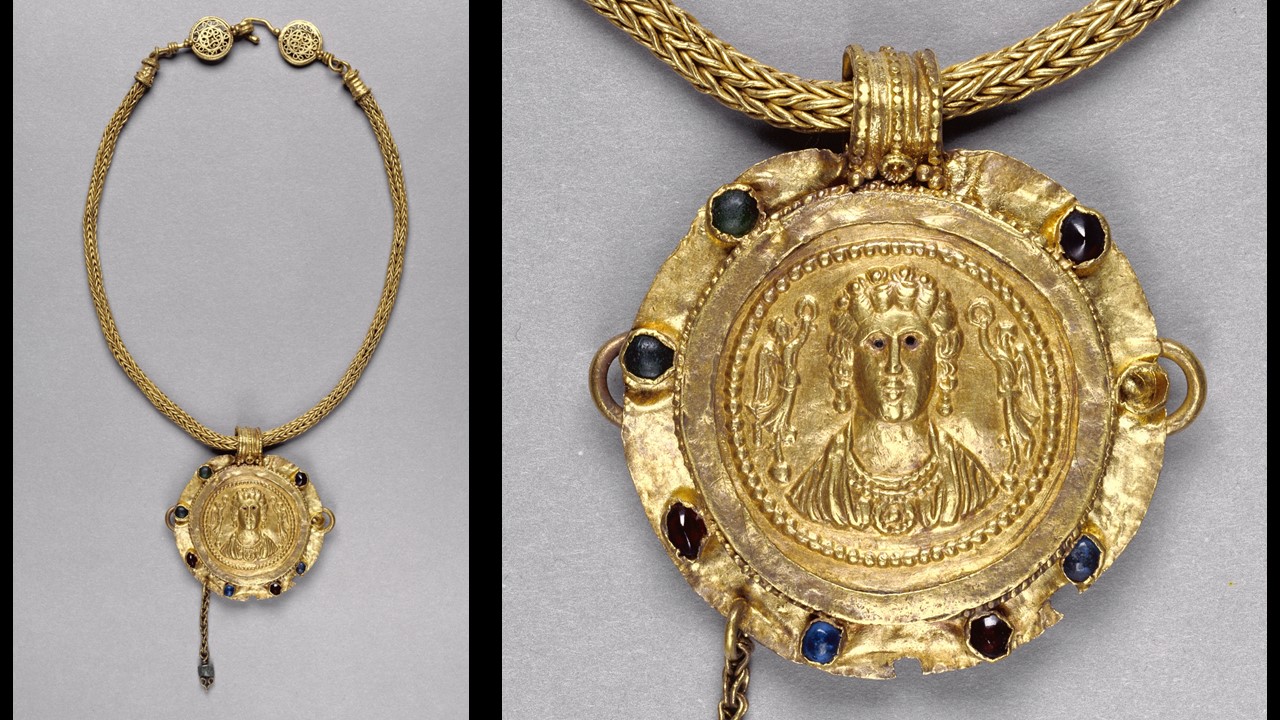
The pendant in the Getty collection cannot be securely identified as Aelia Flacilla. Although its imperial iconography and late 4th-century date place it within the Theodosian milieu, the lack of inscriptions or provenance makes any specific portrait attribution—however tempting—ultimately speculative rather than demonstrable.