The Bersha Procession captivates with refined craftsmanship and vivid detail, transforming humble wood into a lively vision of ritual, devotion, and daily life in ancient Egypt’s afterlife beliefs.
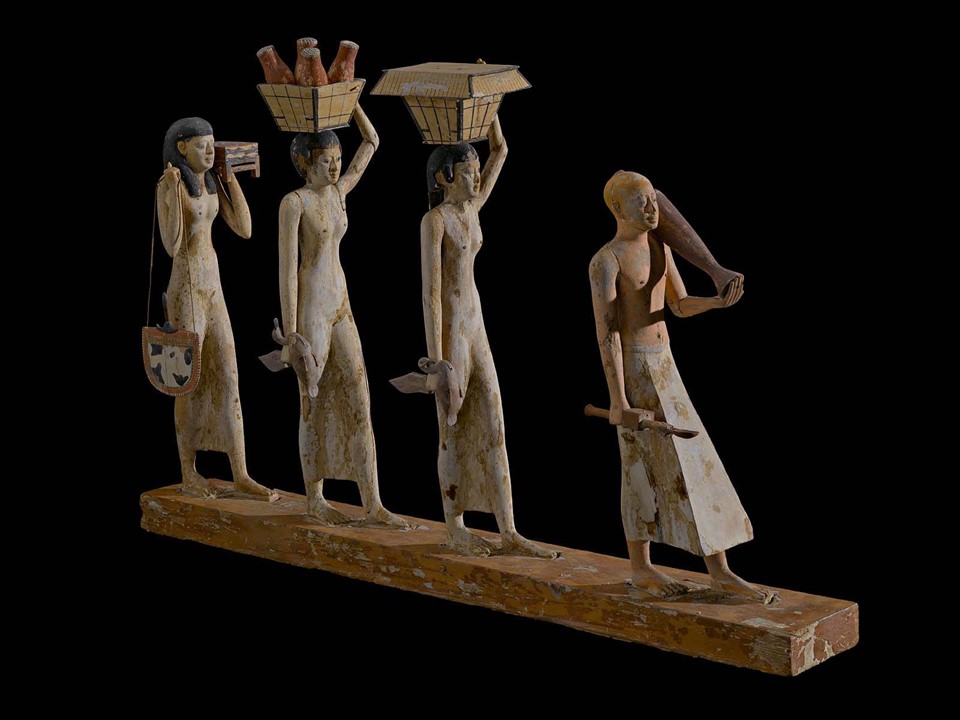
The Bersha Procession captivates with refined craftsmanship and vivid detail, transforming humble wood into a lively vision of ritual, devotion, and daily life in ancient Egypt’s afterlife beliefs.
Charalambos Pachis’s May Day on Corfu captures festive tradition with vivid colour and lively detail, preserving a joyful ethnographic moment of music, ritual, and community spirit on the island.
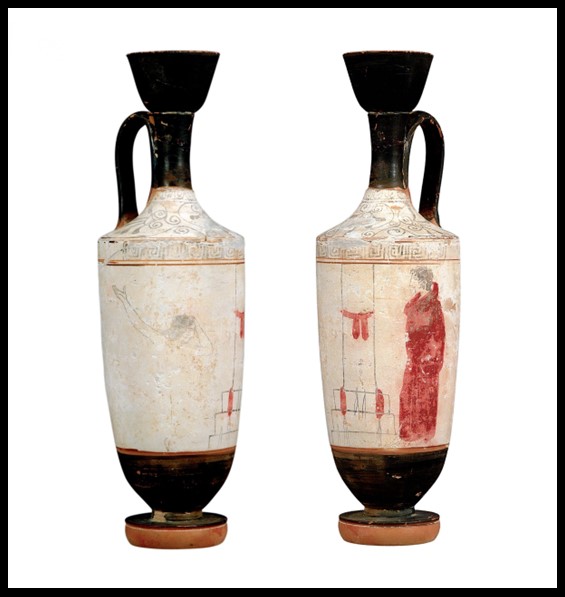
The white-ground lekythos from the Canellopoulos Museum distils grief into image and gesture, where mourning, memory, and the inevitability of death converge in the quiet language of Athenian ritual art.
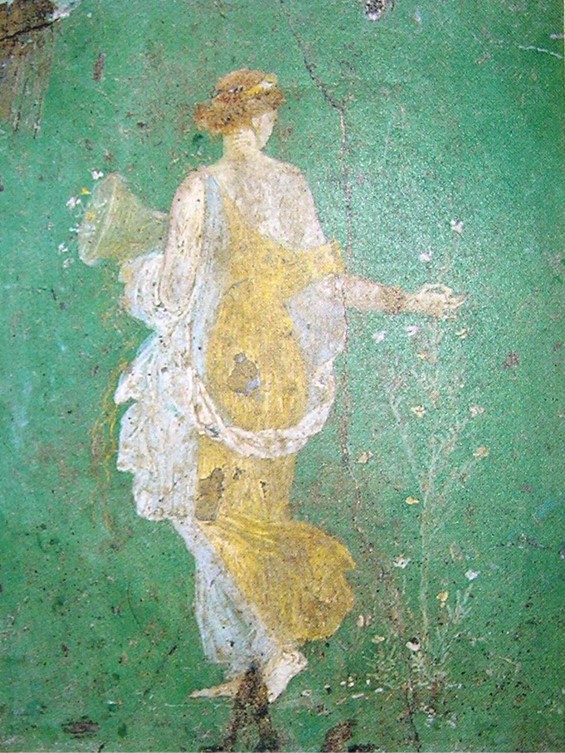
The fresco of Flora from Stabiae captures Toru Dutt’s floral rivalry in paint, transforming myth into elegance, where spring, beauty, and nature’s abundance merge in delicate harmony.
El Greco’s Agony in the Garden translates the moment of Luke 22:42–44 into visionary intensity, where Christ’s solitary prayer, fractured space, and radiant light express divine submission and human anguish with extraordinary emotional force.
Lucien Pissarro’s April, Epping translates Browning’s longing for England into paint, where light-dappled foliage, fresh colour, and broken brushwork evoke an intimate, lived experience of spring in the English countryside.
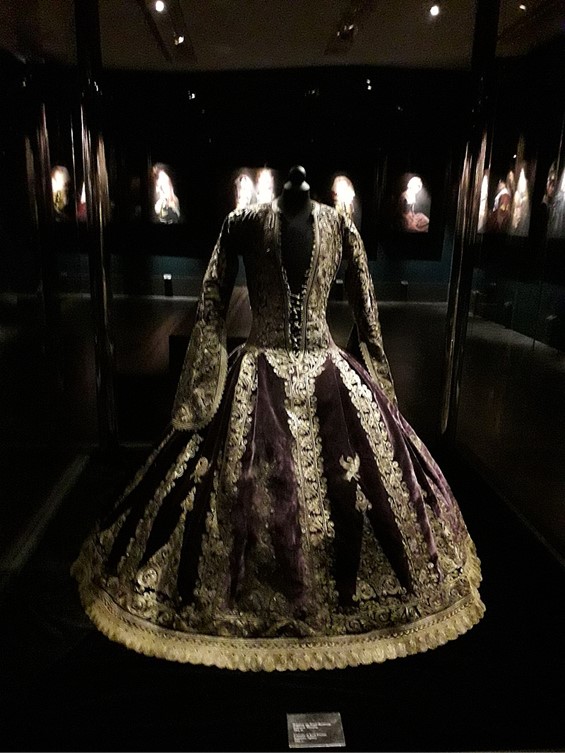
The exhibition Raiment of the Soul transforms Raiment of the Soul into a living dialogue between history and identity, where Greek traditional costumes become embroidered portraits of memory, spirit, and cultural continuity.
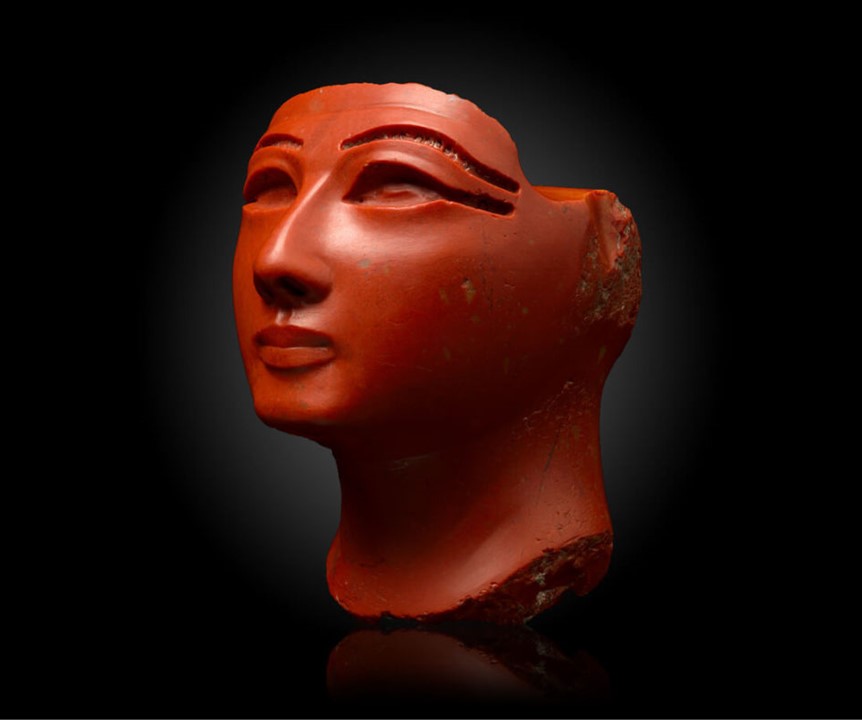
The red jasper Head of a Royal Figure from the Al Thani Collection Egyptian royal head evokes the quiet authority of an 18th Dynasty ruler, where refined carving, idealised features, and material brilliance suggest the enduring power and ambiguity of royal identity in ancient Egypt.
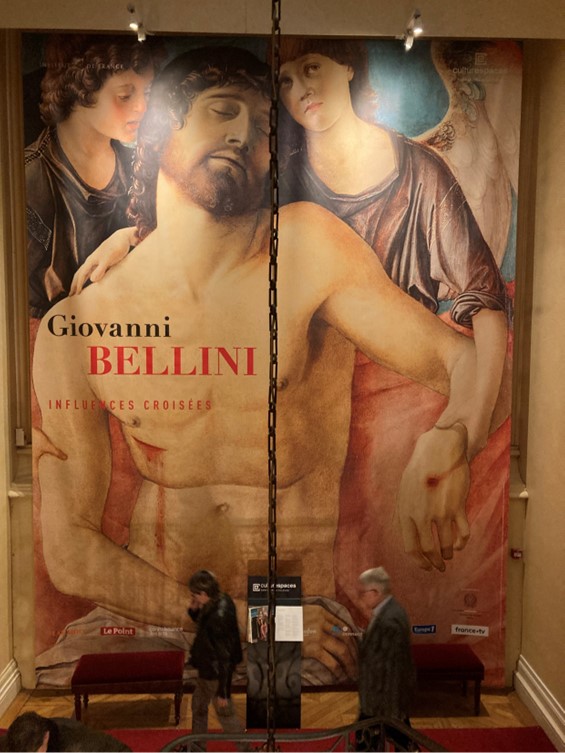
Giovanni Bellini’s The Philips Madonna reflects the delicate transition from Byzantine inheritance to Renaissance naturalism, where luminous colour, sculptural tenderness, and classical echoes shape an intimate vision of divine motherhood.
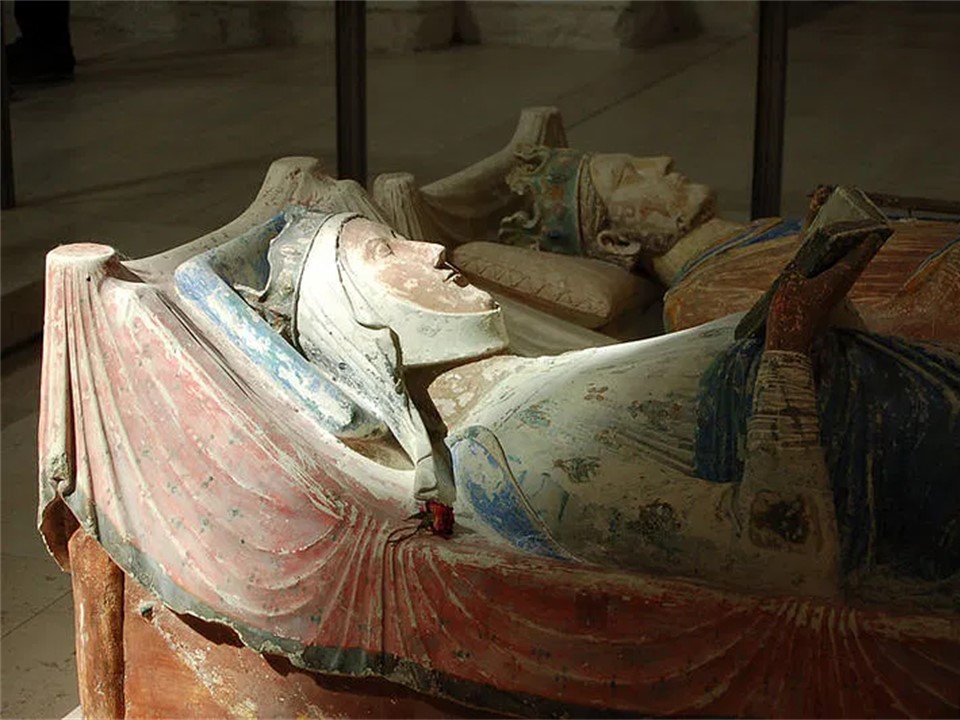
On International Women’s Day, Eleanor of Aquitaine emerges as a powerful medieval queen—intellectual, patron of the arts, crusader, and political force shaping France and England’s history and culture.