Van Eyck’s Arnolfini Portrait captivates with luminous detail, symbolic richness, and his bold “I was here” signature—blending technical mastery and mystery into a timeless scene of wealth, presence, and interpretation.
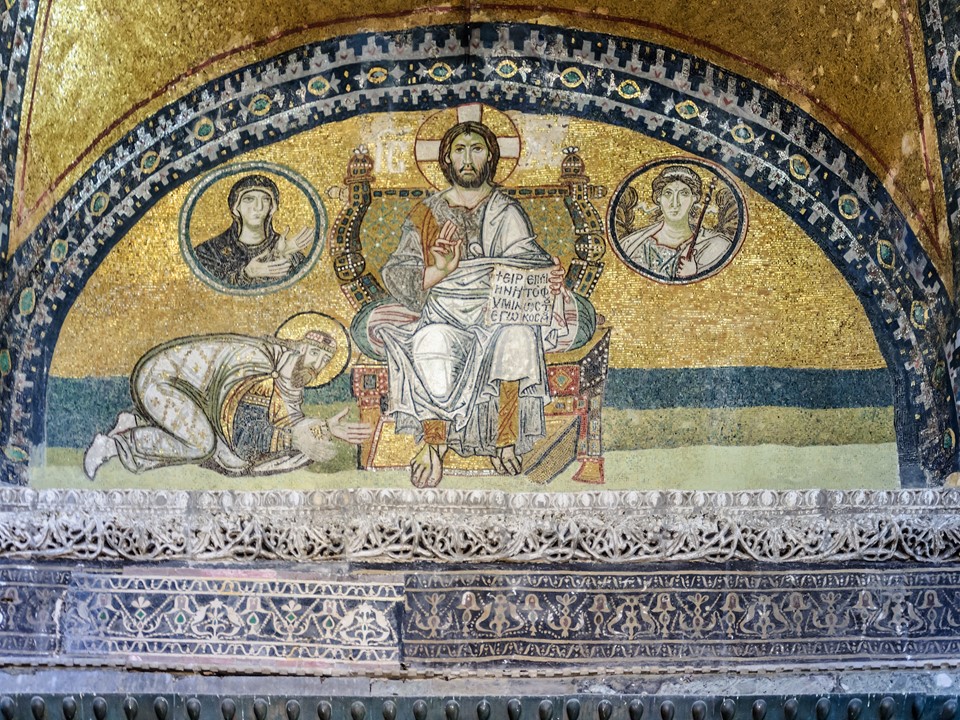
The Enthroned Christ and Emperor Leo VI the Wise
The Hagia Sophia narthex mosaic of Christ and Emperor Leo VI endures as both art and message—an image of imperial humility and divine authority, crafted to speak across centuries.
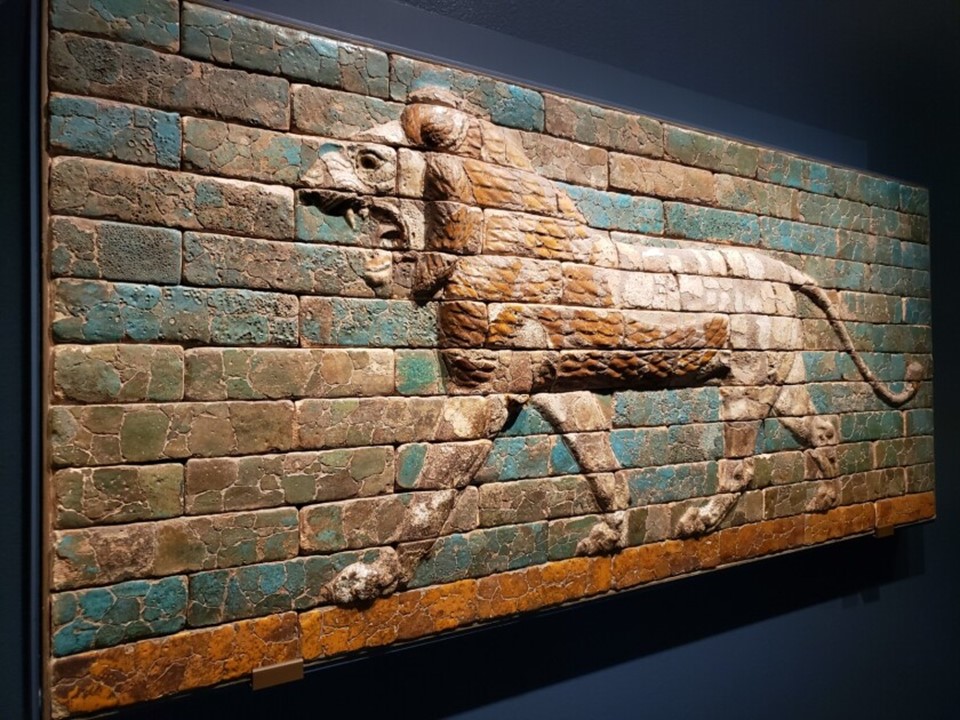
Babylonian Panel with a Striding Lion
The Ishtar Gate and Processional Way of Babylon, commissioned by Nebuchadnezzar II, formed a monumental, vividly glazed ceremonial route decorated with lions, dragons, and bulls—an architectural spectacle designed to embody divine power and imperial grandeur.
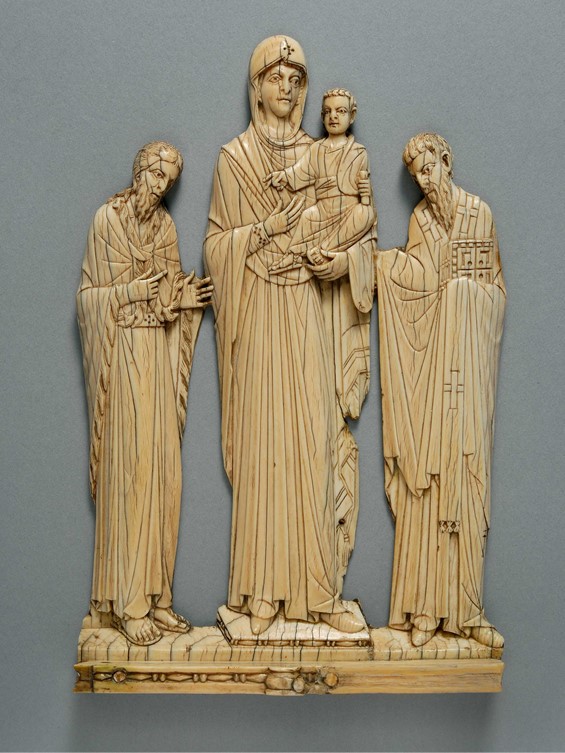
The Hodegetria Plaque
The Hodegetria ivory and its related Louvre panel reveal the refined elegance of 10th-century Byzantine carving, where sacred figures, delicate drapery, and restrained composition embody aristocratic devotion and the serene spiritual authority of the Deësis tradition.
The Fall of Icarus
Bruegel’s Landscape with the Fall of Icarus, read alongside Ovid and Williams, transforms myth into quiet tragedy, where Icarus’s drowning is almost unnoticed amid a vast, indifferent world of labour, nature, and everyday human activity.
Simon Bening’s August
Bening’s Golf Book August scene evokes a poetic harvest landscape of golden wheat, labour, and rest, where Flemish peasants inhabit a richly detailed world of seasonal abundance, luminous colour, and harmonious rural rhythm.
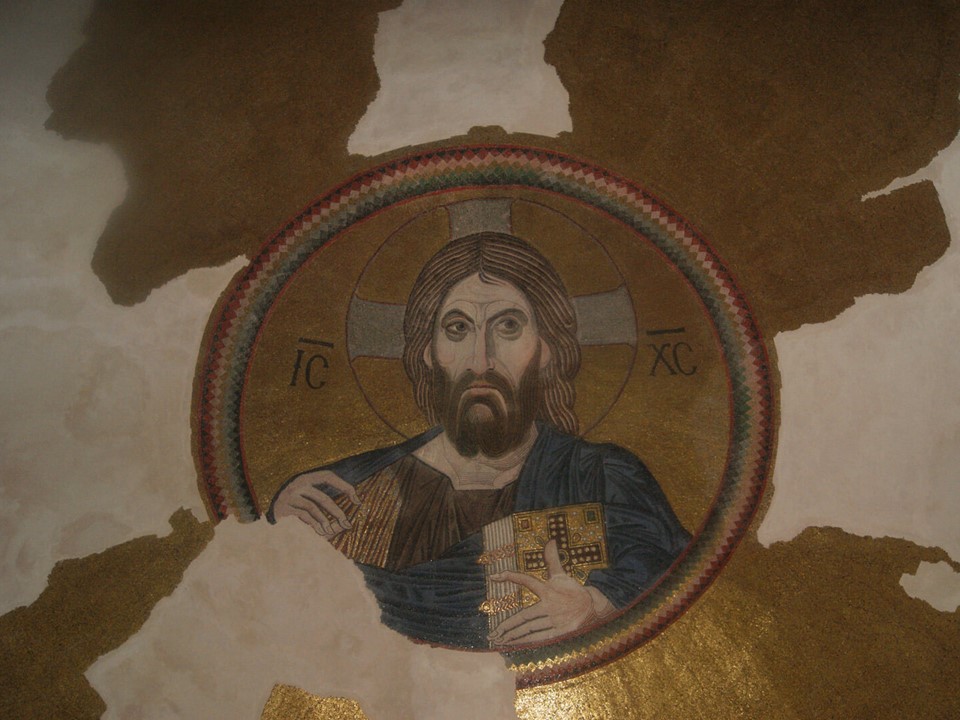
Christ Pantocrator in the Byzantine Monastery of Daphni
The Christ Pantocrator at Daphni, set within the austere harmony of the 11th-century monastery, embodies Byzantine spiritual intensity, where divine authority, emotional ambiguity, and monumental mosaic craftsmanship converge in an image that continues to provoke awe and interpretation.
The Bastille in the first days of its Demolition
Hubert Robert’s depiction of the Bastille’s demolition captures the revolutionary moment of 1789, when the prison—symbol of royal absolutism—was dismantled by the people, marking the dramatic birth of modern political transformation in France.
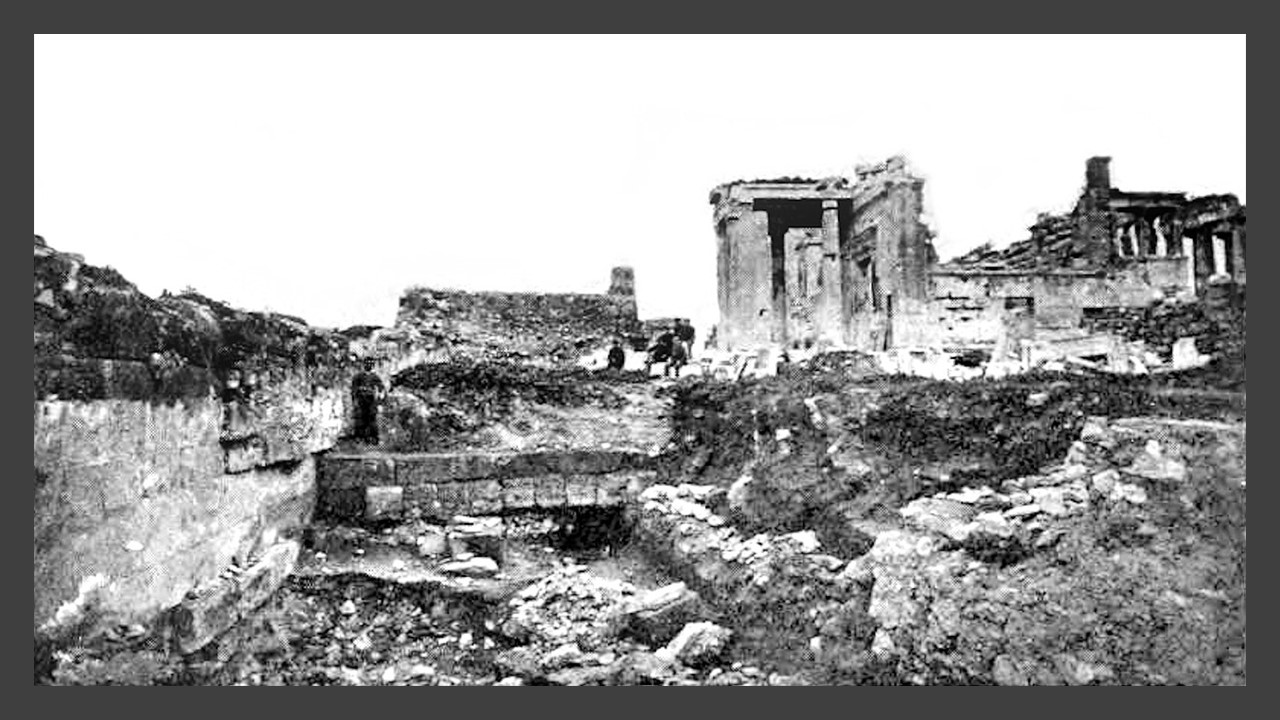
Peplos Kore
The Peplos Kore, discovered in the Acropolis “Perserschutt,” is a richly painted Archaic Greek statue of a young woman whose formal pose, elaborate drapery, and uncertain identity—possibly a votive figure or goddess like Artemis—reflect early experimentation with representation, colour, and sacred imagery in Greek sculpture.
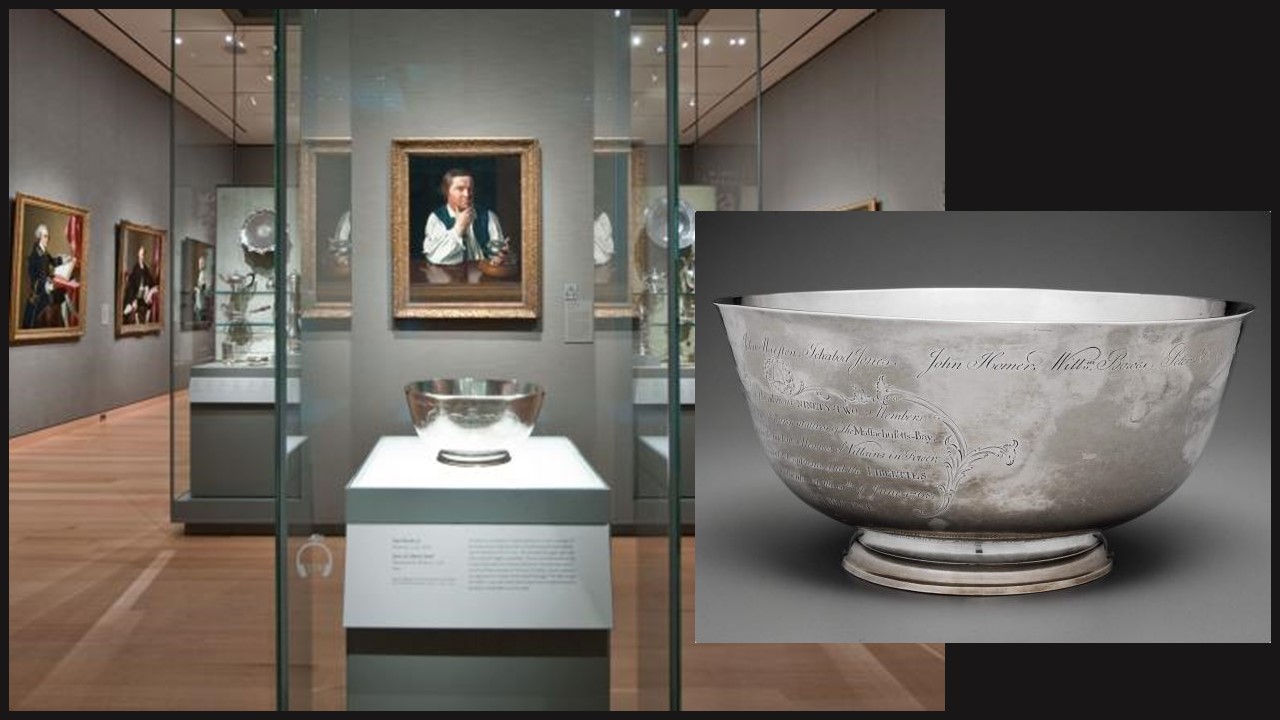
John Singleton Copley’s Portrait of Paul Revere
Longfellow’s Paul Revere’s Ride immortalizes the midnight alarm of 1775, blending history and legend, while Copley’s portrait of Revere grounds the revolutionary figure in the quiet dignity of his craft as a silversmith and artisan.