Howard Carter’s discovery of Tutankhamun’s intact tomb revealed “wonderful things”—a dazzling cache of artifacts offering an unprecedented glimpse into ancient Egyptian burial practices, royal life, and afterlife beliefs.
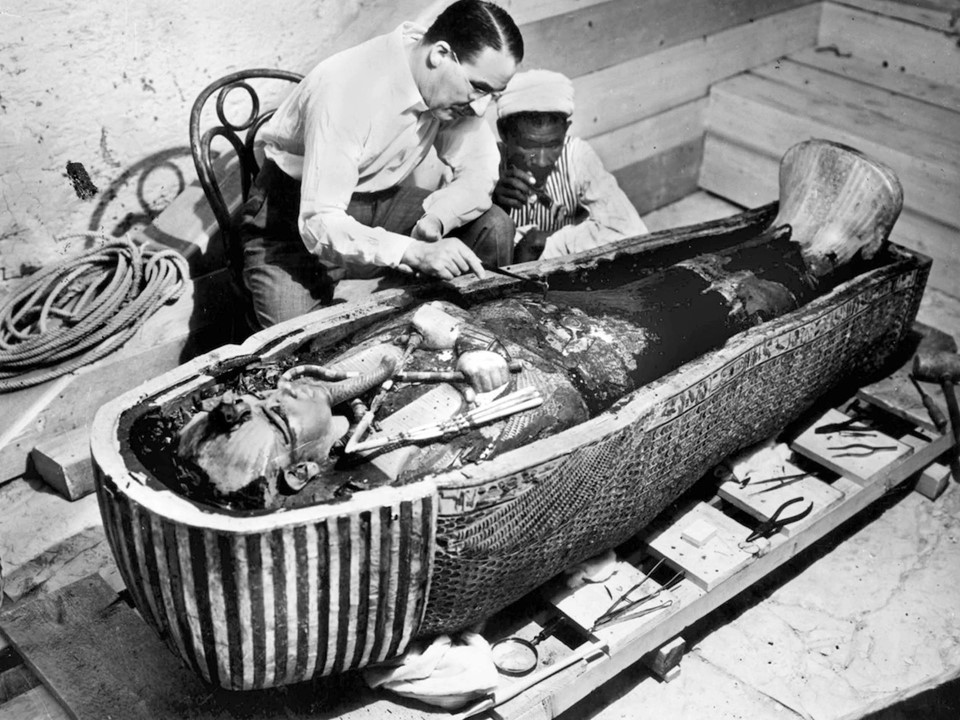
Howard Carter’s discovery of Tutankhamun’s intact tomb revealed “wonderful things”—a dazzling cache of artifacts offering an unprecedented glimpse into ancient Egyptian burial practices, royal life, and afterlife beliefs.
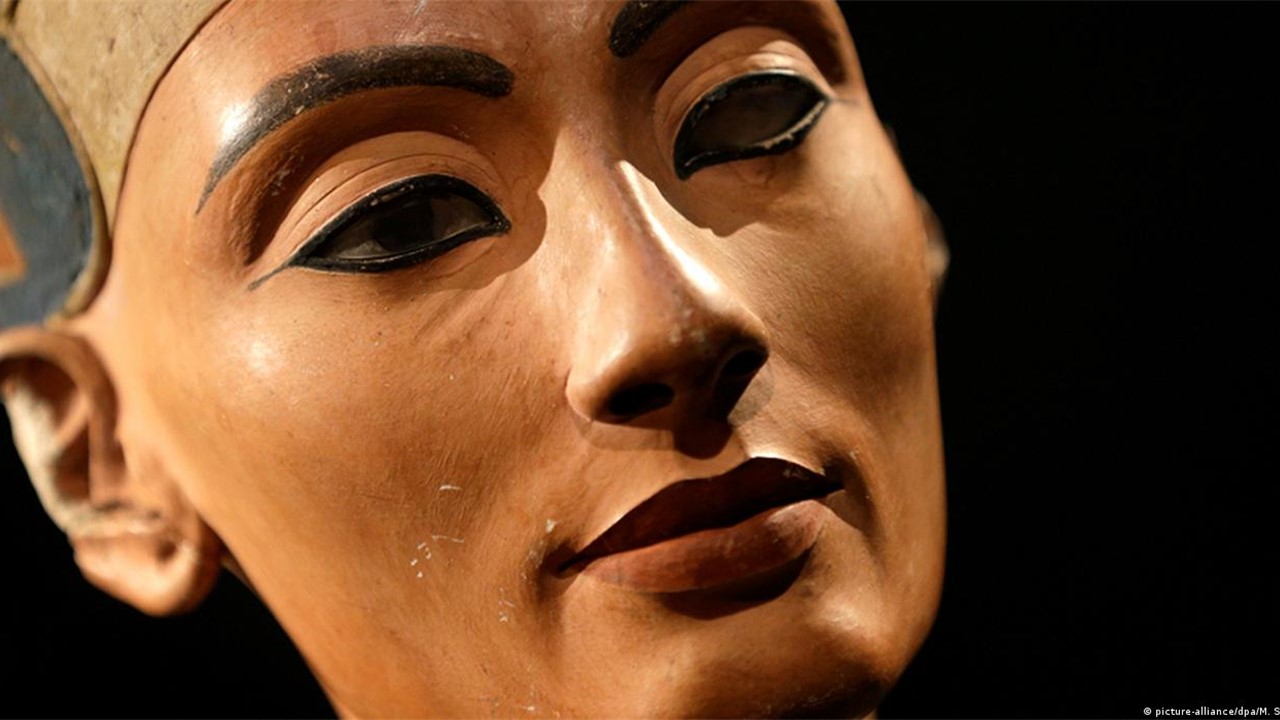
Amarna art under Akhenaten breaks with tradition, showing stylised yet intimate royal imagery, focusing on everyday life, sunlight, and family scenes, creating a strikingly human and emotionally vivid Egyptian artistic moment.
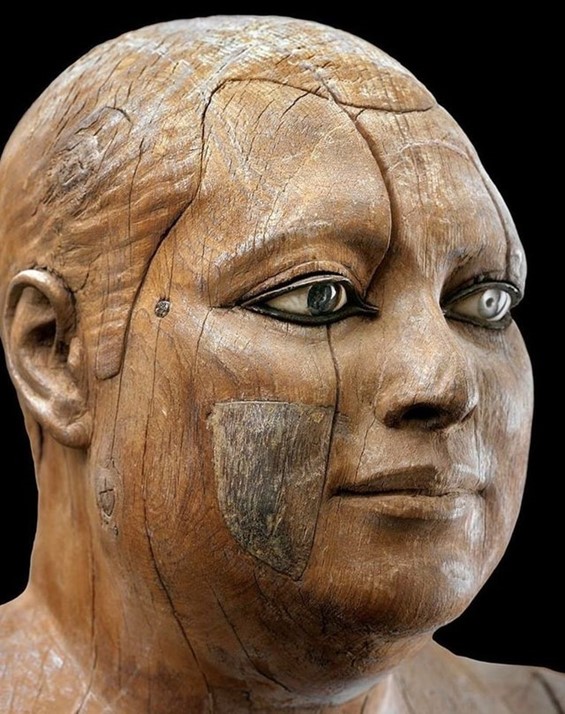
Egypt’s Old Kingdom stuns with serene, powerful statues and masterful relief carvings — formal, idealized, yet deeply human — reflecting a civilization obsessed with eternity.
From mudbrick mastaba to soaring pyramid, Egypt’s Old Kingdom built eternity in stone — each monument a sacred staircase guiding royal souls toward the gods.
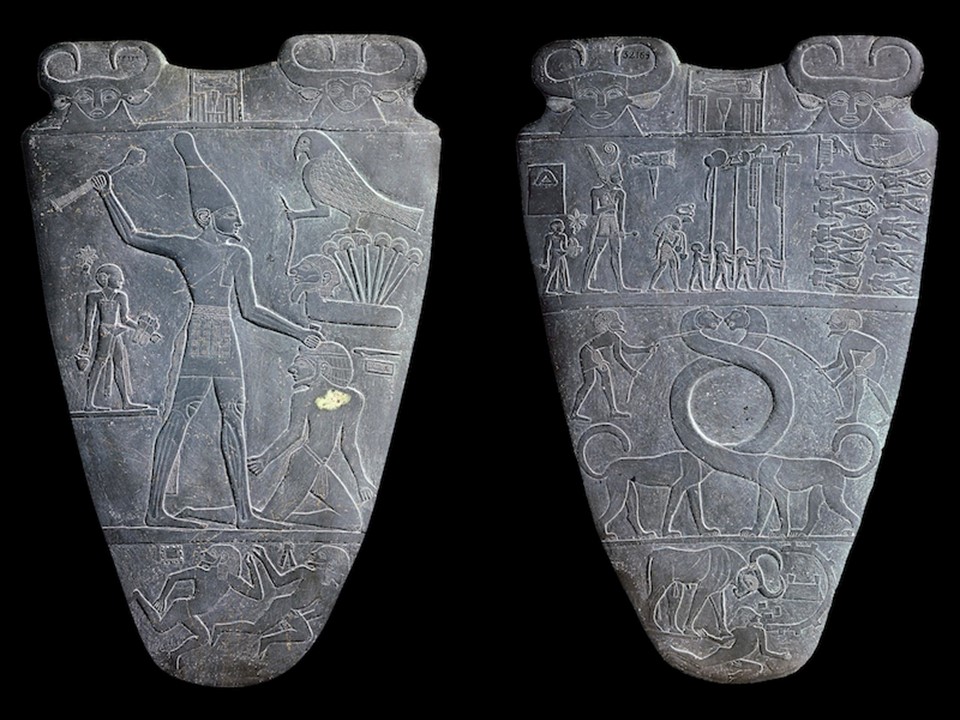
Egypt’s immortal civilization — gift of the Nile, unified under Narmer c. 3000 BC — built an enduring world where pharaohs embodied gods and eternity shaped every human endeavor.
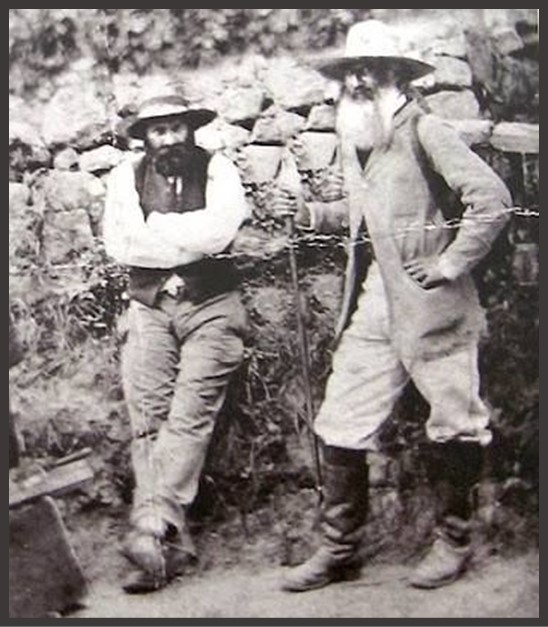
Camille Pissarro, a central figure in Impressionism and Neo-Impressionism, pioneered modern landscape painting through his lifelong commitment to capturing rural life, light, and everyday scenes across all eight Impressionist exhibitions.
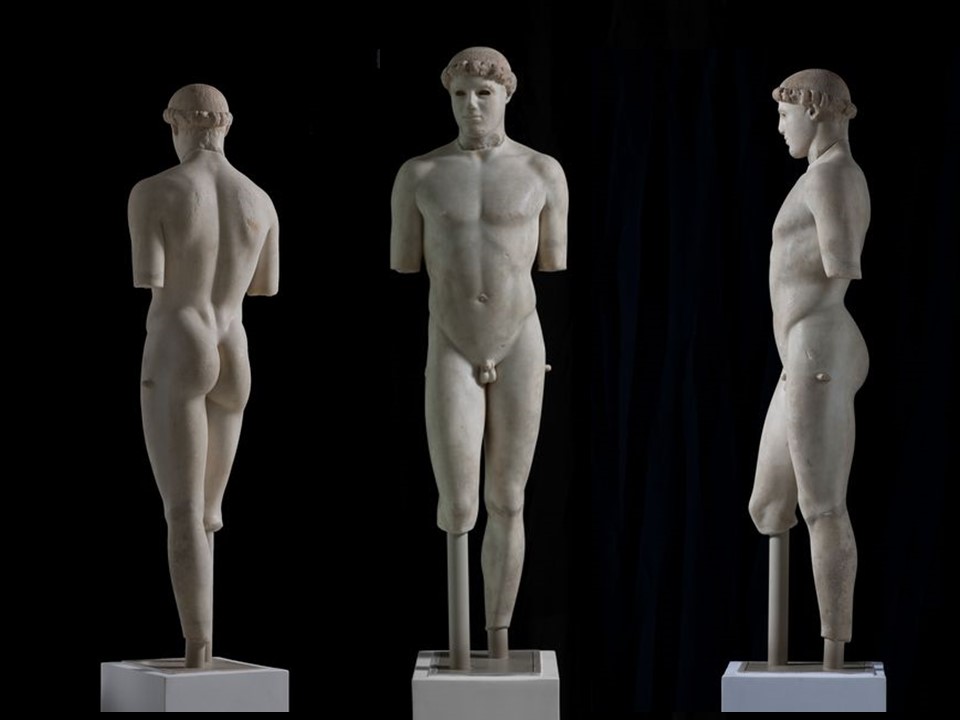
The Kritios Boy — a masterpiece of the Severe Style — revolutionized Greek sculpture with its subtle weight shift and solemn naturalism, possibly portraying a Panathenaic athlete or the hero Theseus himself.
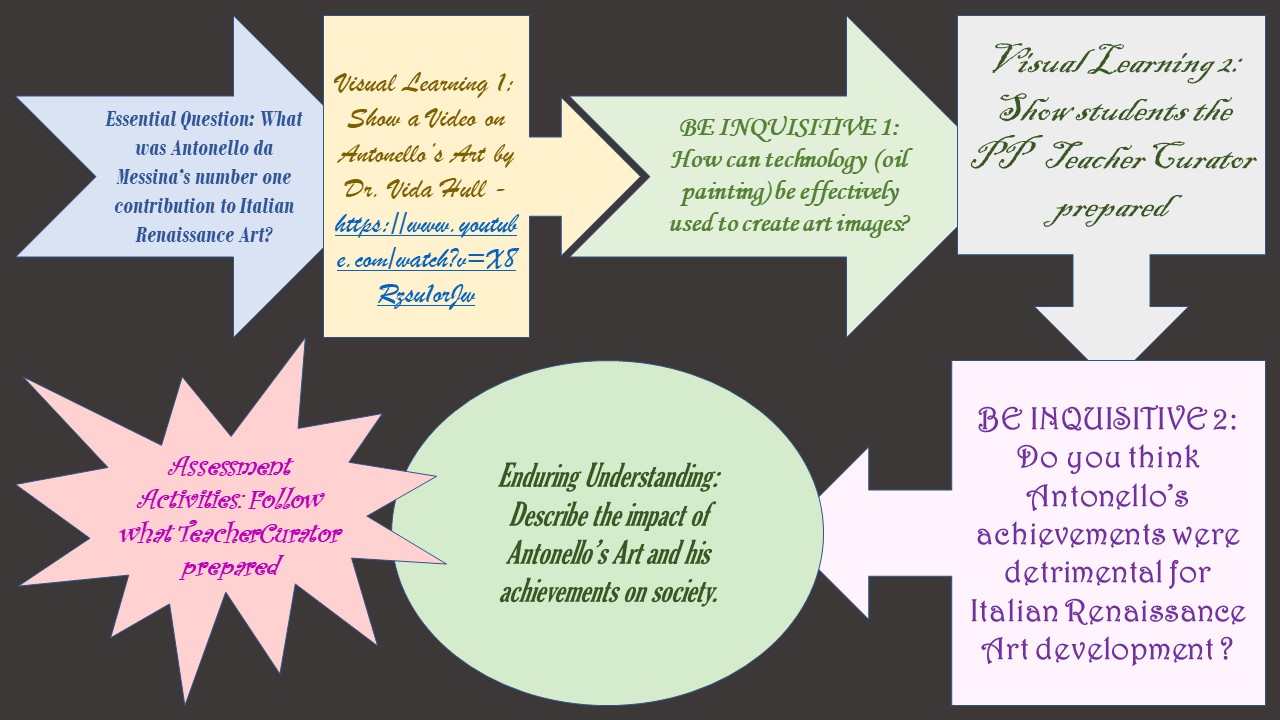
Antonello da Messina, inspired by Flemish oil painting, became a pioneering Italian innovator, blending Northern technique with Mediterranean sensibility, creating luminous, emotionally powerful sacred images that transformed Renaissance painting.
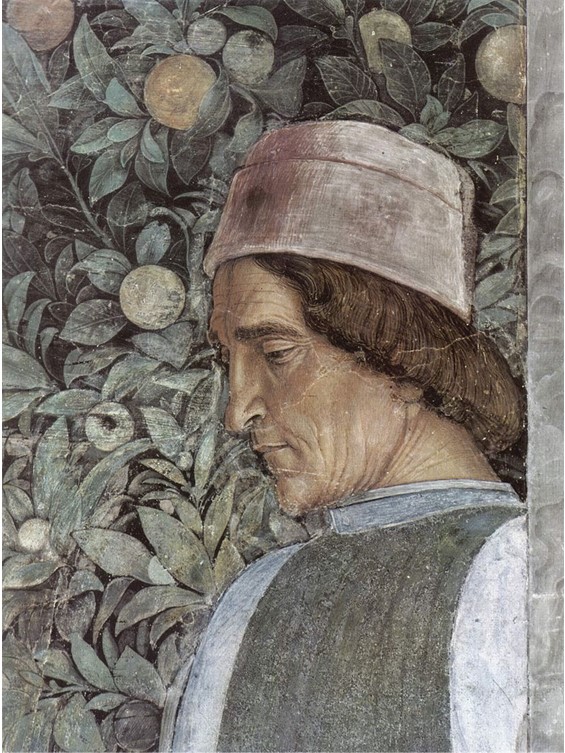
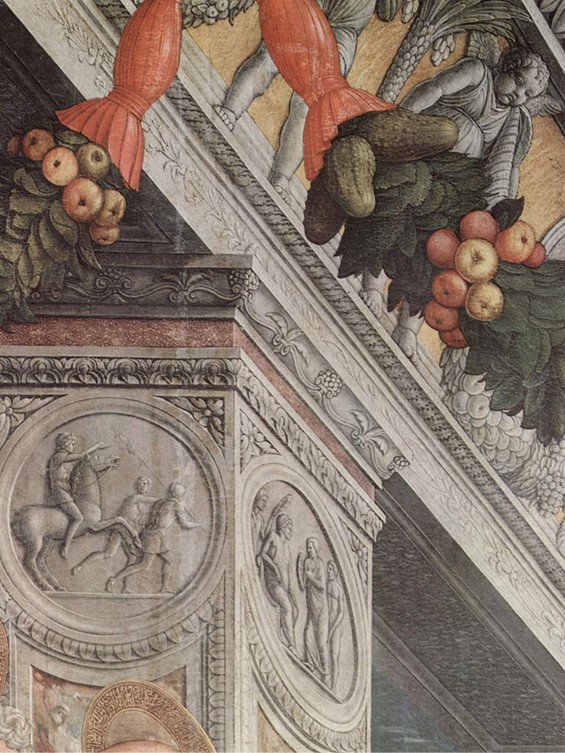
“How great is the effect of reward on talent is known to him who labors valiantly and receives a certain measure of recompense, for he feels neither discomfort, nor hardship, nor fatigue, when he expects honor and reward for them; nay, what is more, they render his talent every day more renowned and illustrious. It is true, indeed, that there is not always one to recognize, esteem, and remunerate it as that of Andrea Mantegna was recognized. This man was born from very humble stock in the district of Mantua; and, although as a boy he was occupied in grazing herds, he was so greatly exalted by destiny and by his merit that he attained to the honorable rank of Chevalier, as will be told in the proper place…” This is how Giorgio Vasari introduces Andrea Mantegna, the artist who was is “seen to have been wrought with much art and diligence.” Teaching with Andrea Mantegna is a set of student activities and worksheets inspired by the great Italian artist I admire. To visit Andrea’ Camera degli Sposi in the Palazzo Publico in Mantua was for years an unreachable dream. In 1988 along with a group of students/friends my dream came to fruition and I was finally, in the middle of this amazing room… moved, I confess, and emotional. http://www.travelingintuscany.com/art/giorgiovasari/lives/andreamantegna.htm
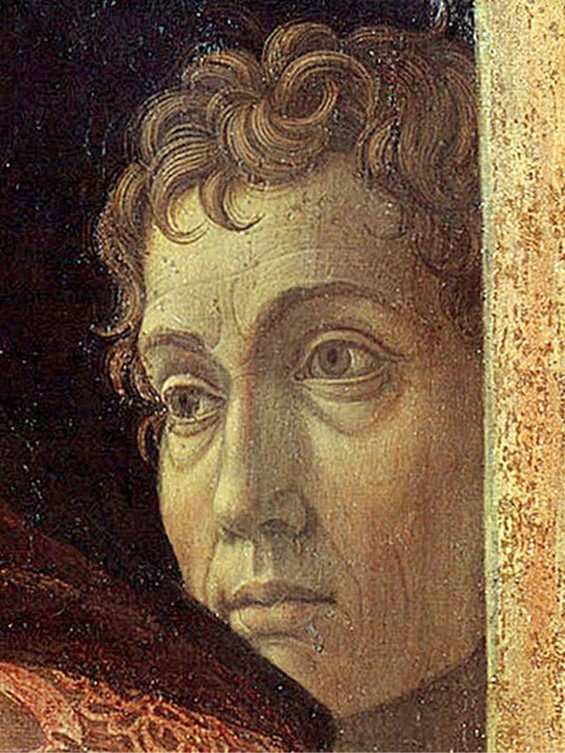
When the time comes for me to introduce my students to Mantegna’s oeuvre I start with Giorgio Vasari’s final words. “Andrea was so kindly and praiseworthy in all his actions, that his memory will ever live, not only in his own country, but in the whole world; wherefore he well deserved, no less for the sweetness of his ways than for his excellence in painting…” and continue with the artist’s tutelage under Squarcione, who “made him practise much on casts taken from ancient statues and on pictures painted upon canvas which he caused to be brought from diverse places, particularly from Tuscany and from Rome. By these and other methods, therefore, Andrea learnt not a little in his youth…” I finish my presentation of Andrea Mantegna’s contribution to world art with his reaction to Squarcione’s criticism that “his pictures resembled not living figures but ancient statues of marble or other suchlike things.” My students are intrigued and a discussion takes place by how “This censure piqued the mind of Andrea; but, on the other hand, it was of great service to him, for, recognizing that Squarcione was in great measure speaking the truth, he set himself to portray living people, and made so much progress in this art, that, in a scene which still remained to be painted in the said chapel, he showed that he could wrest the good from living and natural objects no less than from those wrought by art. But for all this Andrea was ever of the opinion that the good ancient statues were more perfect and had greater beauty in their various parts than is shown by nature, since, as he judged and seemed to see from those statues, the excellent masters of old had wrested from living people all the perfection of nature, which rarely assembles and unites all possible beauty into one single body, so that it is necessary to take one part from one body and another part from another.” http://www.travelingintuscany.com/art/giorgiovasari/lives/andreamantegna.htm
Teaching with Andrea Mantegna References – References, a PowerPoint and Activities…
For the List of ONLINE References on Andrea Mantegna TeacherCurator put together, please… Click HERE!
For my PowerPoint on Andrea Mantegna, please… Click HERE!
I always feel confident discussing an artist with my students when I prepare my 7 Steps to Success Lesson Plan Outline…
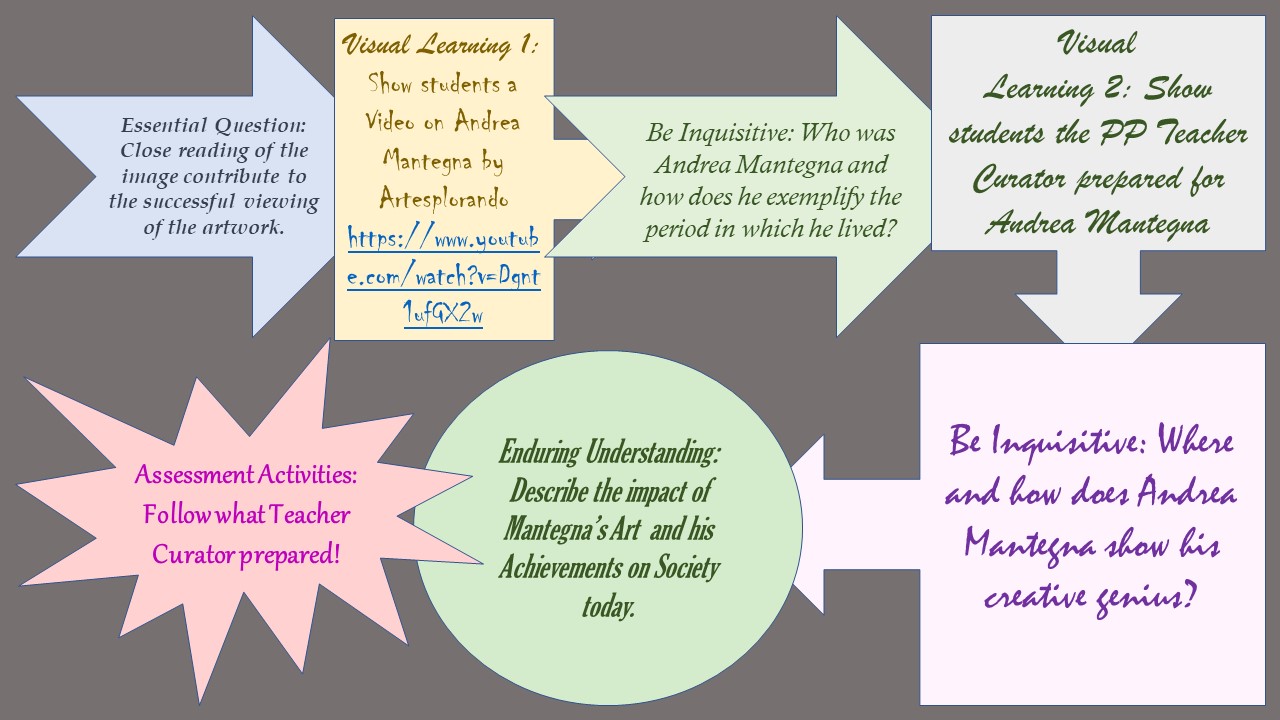
For Student Activities (5 Activities), please… Click HERE!
I hope that Teaching with Andrea Mantegna will prove easy and helpful. Do you think it justifies my BLOG name Teacher Curator?
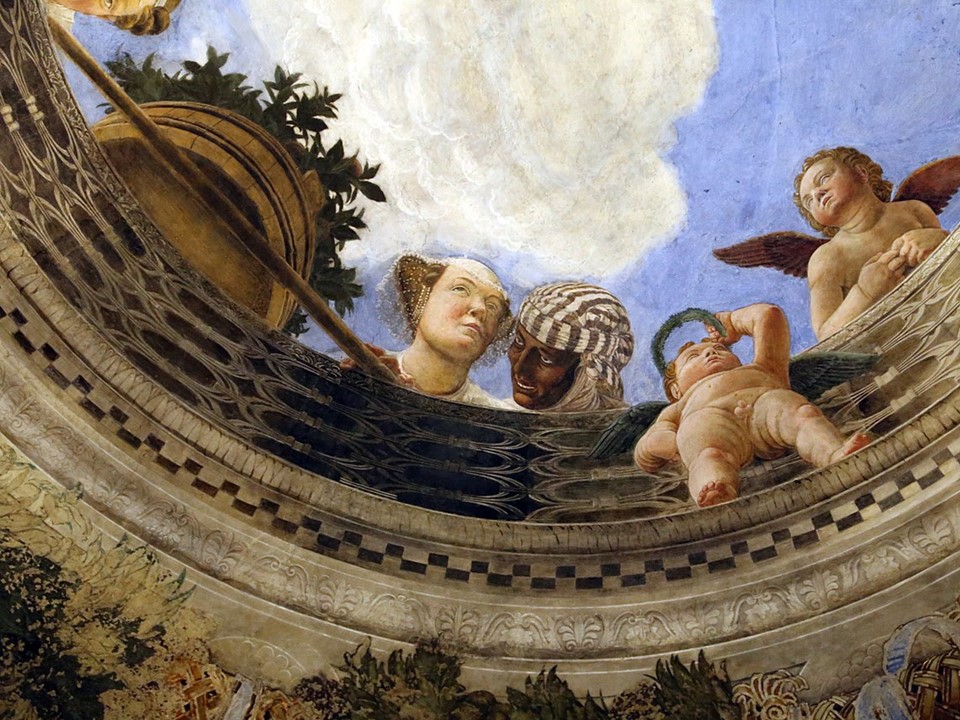
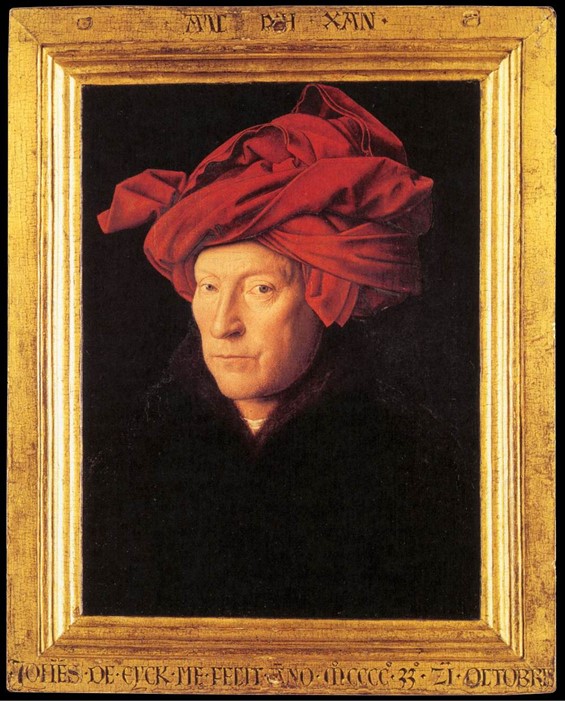
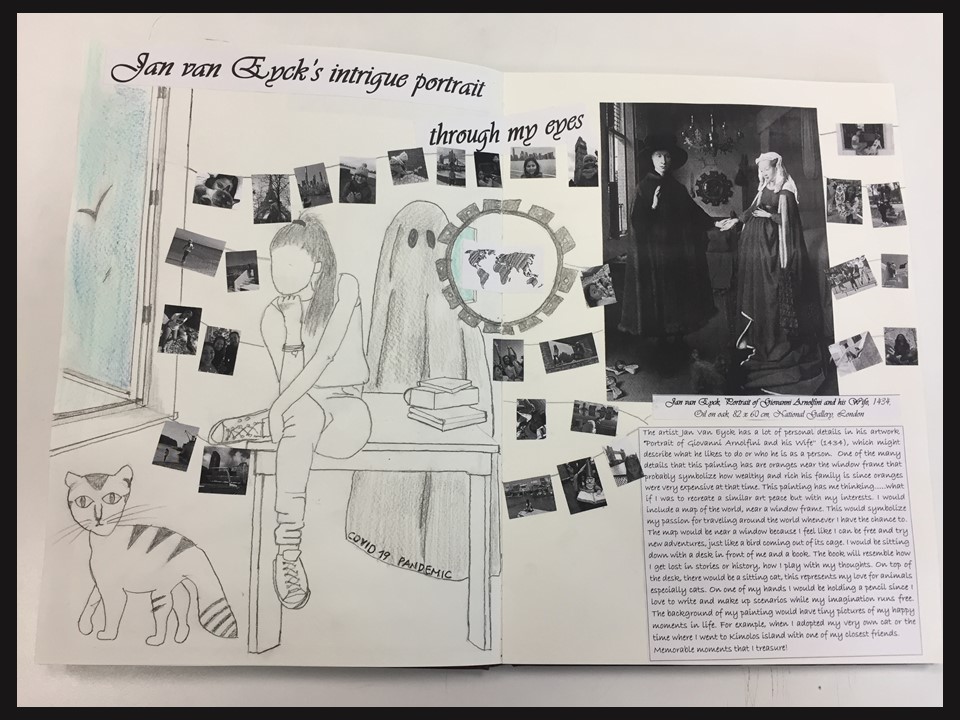
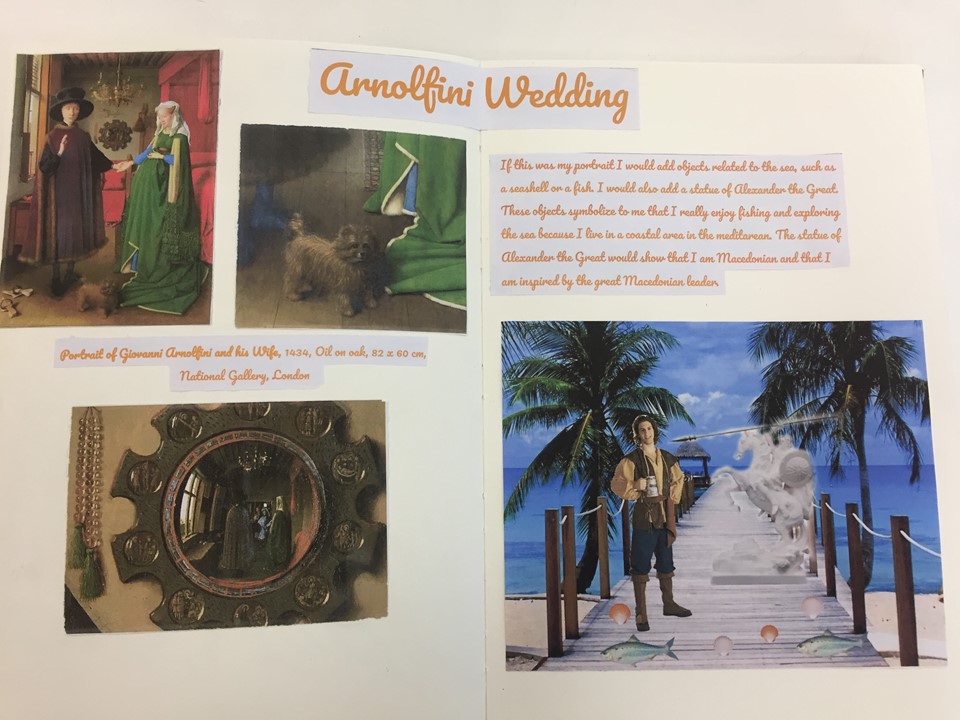
When the time comes for me to introduce my students to Jan van Eyck’s oeuvre I start with his remarkable motto, Als Ich Can – As well as I can, inscribed in large Greek letters on the upper part of the frame of his Self-Portrait? at the National Gallery in London. Humble words… but appreciate how subtly they draw attention to his extraordinary skills as a painter. Where can you go wrong Teaching with Jan van Eyck? https://www.nationalgallery.org.uk/paintings/jan-van-eyck-portrait-of-a-man-self-portrait
“Jan van Eyck is credited with originating a style of painting characterised by minutely realistic depictions of surface effects and natural light. This was made possible by using an oil medium, which allowed the building up of paint in translucent layers, or glazes.” These three lines by the National Gallery in London embody the essence of van Eyck’s painting style and technique. I like to read it to my students emphasizing his contribution to Western European Art. Information about his training and his life is scarce, we do know, however, that he was a member of the gentry class and that by 1425 he lived in Bruges and Lille as court painter to Philip the Good, Duke of Burgundy. We also know that in 1428 he travelled to Portugal to paint Philip the Good’s future wife, Isabella of Portugal. https://www.nationalgallery.org.uk/artists/jan-van-eyck
“Hubrecht van Eyck, the most famous painter ever known, started this work of art; his brother Jan, who was second in the art, finished the task at the request of Joos Vijd. With this verse the donor consigns the work to your charge on May 6th 1432. Admire what they have done for you”. The famous inscription on the frame of the Ghent Altarpiece sets off my Jan van Eyck PowerPoint Presentation and lets my students admire what they (Hubrecht and Jan) have done for us.
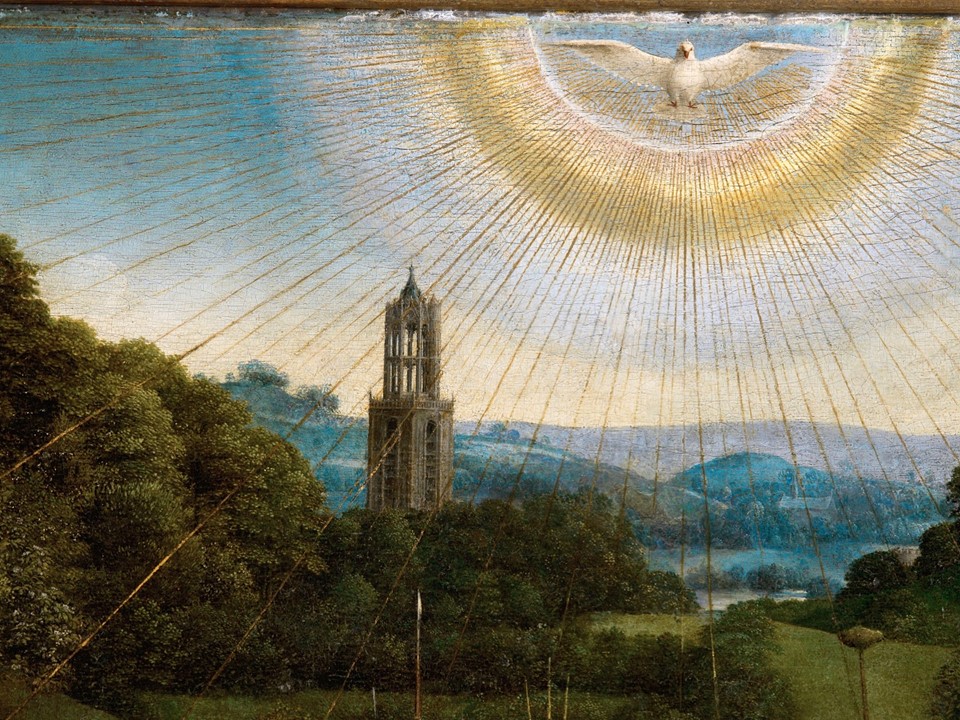
Introducing a former BLOG POST at the 2020 Ghent Museum of Fine Arts Exhibition, titled Van Eyck – An Optical Revolution, I further discuss with my students his painting characteristics: 1. How he perfected the Oil Technique by adding siccatives. With oil paints, he created rich, deep, lustrous colours, flawless golden tones, and amazing life-like textures. 2. How Observation of reality is key to Jan’s Art. For example, his portraits are lifelike to the minutest detail, his depiction of nature and natural phenomena are credible and authentic, his art seems like it’s competing with reality itself! 3. How Observation of Reality is key to Jan’s Art. For example, his portraits are lifelike to the minutest detail, his depiction of nature and natural phenomena are credible and authentic, his art seems like it’s competing with reality itself! 3. How Observing and Painting Optical Light Phenomena shows an artist deeply interested “in the painting of light, so crucial to his optical revolution.” Scholars believe that Jan van Eyck “not only gathers practical but also theoretical knowledge in order to reproduce the effects of light.” https://vaneyck2020.be/en/the-optical-revolution/ and https://www.teachercurator.com/art/van-eyck-an-optical-revolution/
For the List of ONLINE References on Jan van Eyck’s oeuvre, TeacherCurator put together, please… Click HERE!
For my PowerPoint on the Ghent Altarpiece, please… Click HERE! https://www.teachercurator.com/wp-content/uploads/2021/02/Twith-JvanE-Ghent2-PP.pptx. List of Slides and Photo Credits for the Ghent Altarpiece PowerPoint, please… Click HERE!
For my PowerPoint on Jan van Eyck’s Oeuvre, please… Click HERE! List of Slides and Photo Credits for Jan van Eyck’s Oeuvre PowerPoint, please… Click HERE!
I always feel confident discussing an artist with my students when I prepare my Steps to Success Lesson Plan Outline…
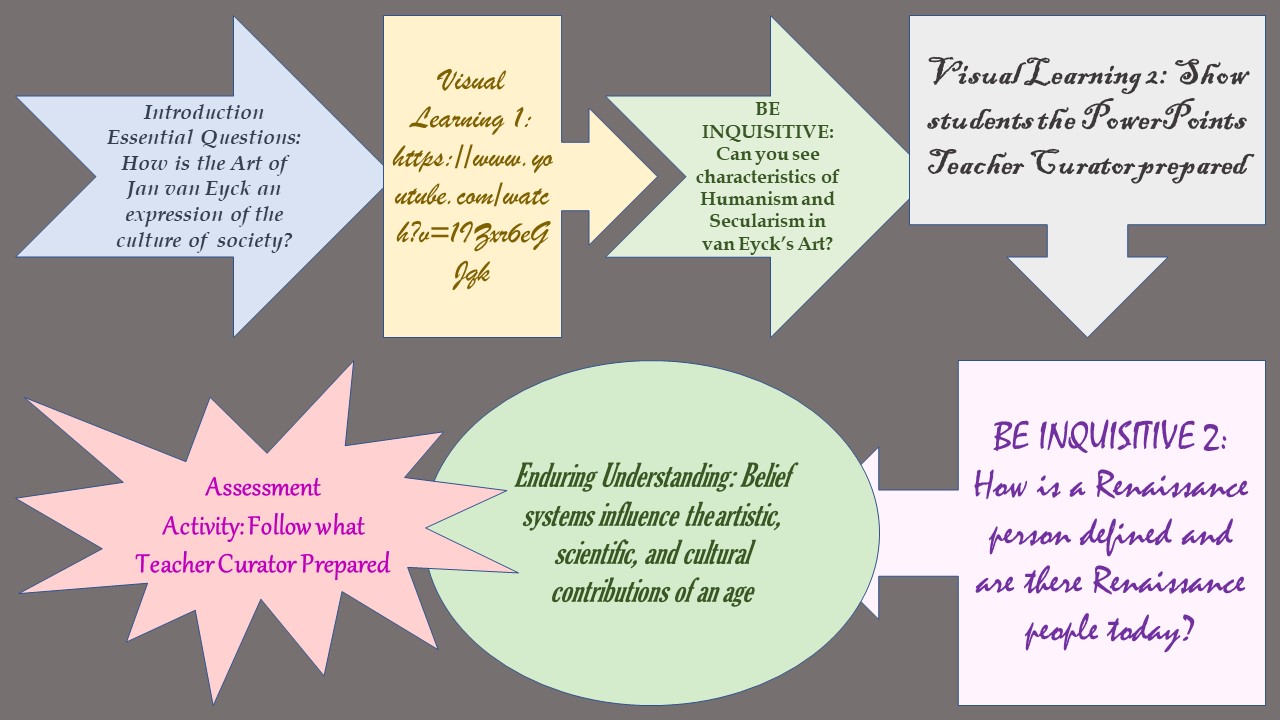
For High School level Student Activity, please… Click HERE!
For a RWAP (Research-Writing-Art-Project), please… Click HERE!
I hope that teaching with Jan van Eyck will prove easy and helpful. Do you think it justifies my BLOG name TeacherCurator?