Founded by Sevastokrator Isaakios Komnenos in 1152, Panagia Kosmosotira in Feres stands as a magnificent Byzantine treasure — his final resting place, adorned with exquisite 12th-century Constantinopolitan frescoes.
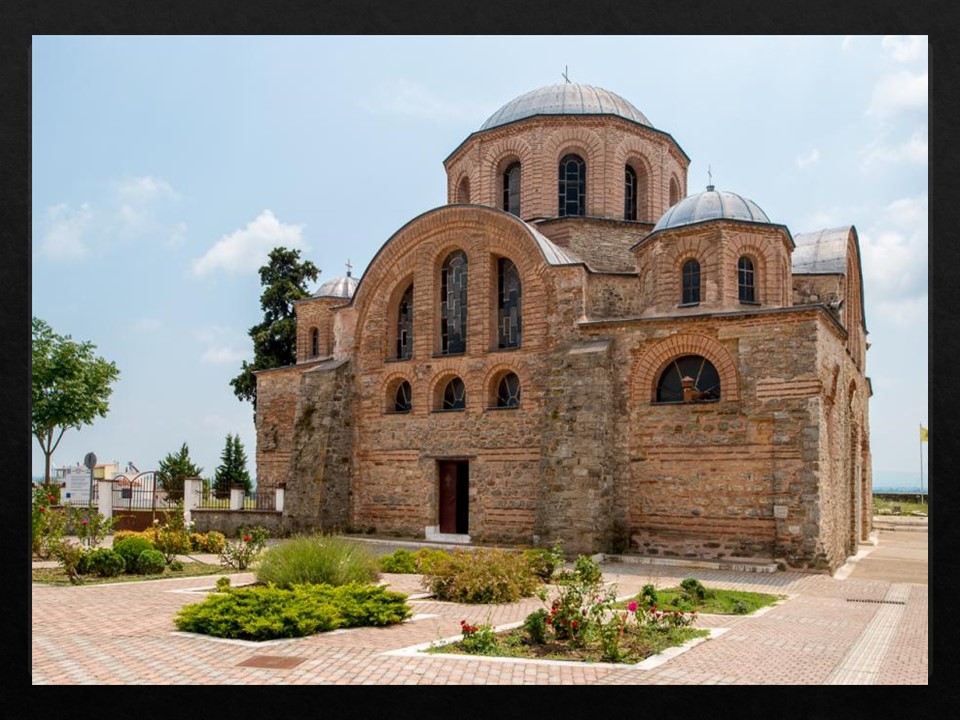
Founded by Sevastokrator Isaakios Komnenos in 1152, Panagia Kosmosotira in Feres stands as a magnificent Byzantine treasure — his final resting place, adorned with exquisite 12th-century Constantinopolitan frescoes.
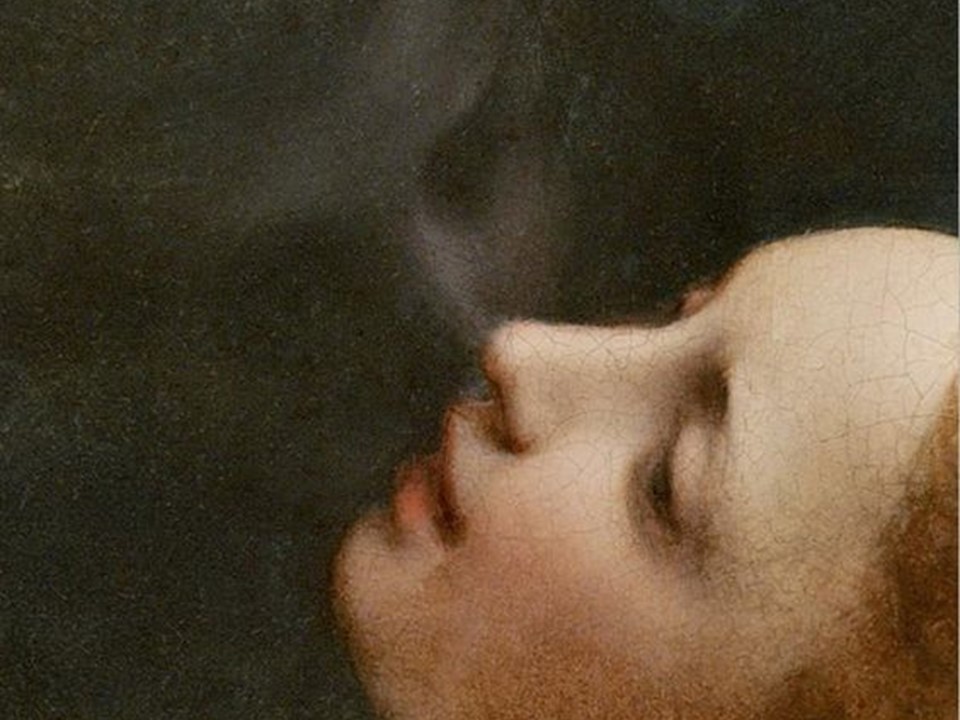
Correggio’s Jupiter and Io masterfully twists Renaissance harmony into Mannerist excitement — Io’s sensuous, entwining body against Zeus’s dark cloud creating an unforgettable contrast of texture, colour and desire.
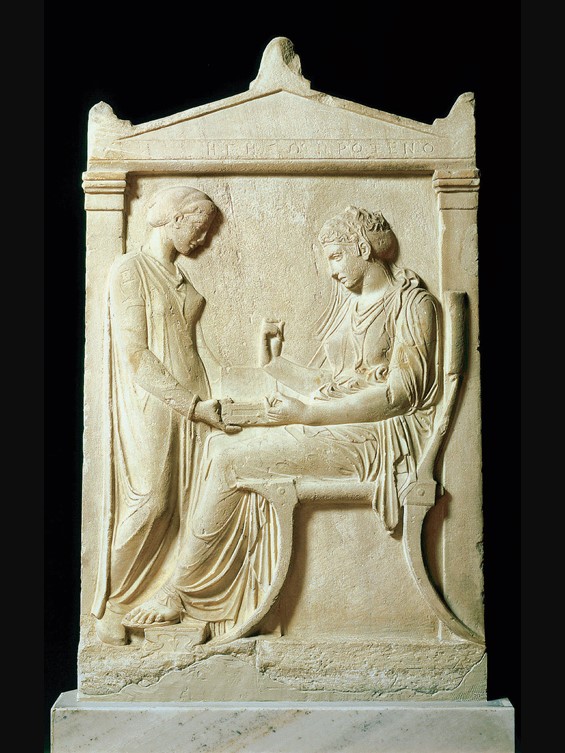
Hegeso’s magnificent 5th-century funerary stele, attributed to Kallimachos, captures an elegant Athenian woman in a timeless everyday moment — a graceful reminder that human life is fleeting and precious.
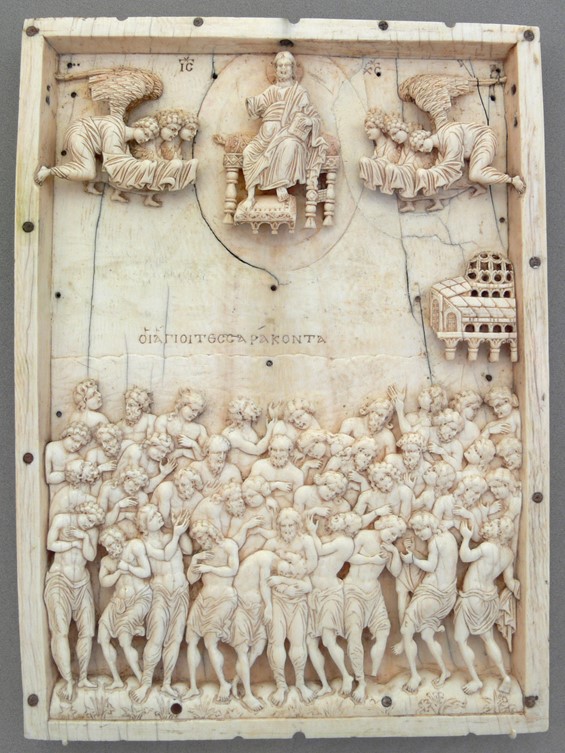
The Forty Martyrs of Sebaste Ivory Icon at the BODE Museum in Berlin is a favorite of mine for making me think, reflect and compare.
First of all, I like the story of these 40 tough Roman soldiers, devoted to their faith, suffering… in the city of Sevaste, in Armenia, during the reign of Emperor Licinius, and under the presidency of Agricolaus, in the year 320 AD. Their story is beautifully told by MATHEW in http://dignareme.blogspot.com/2017/03/the-40-martyrs-of-sebaste.html
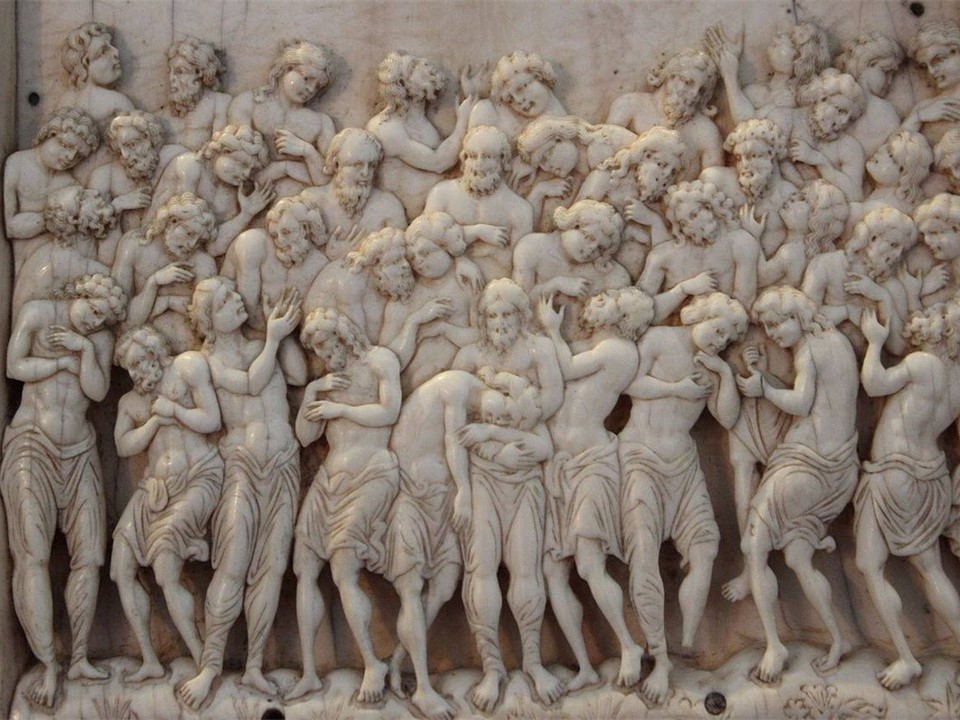
Then, I like Byzantine Ivory Carving! What a magnificent medium in… small-scale. Byzantine Art is not only about monumental, awe-inspiring mosaics and frescoes. The aficionados of Byzantium find equal pleasure even more! in artifacts of smaller scale, like luxurious ivories, silverware, glassware, and jewelry, even humble pottery and woodwork.
I am fascinated by Ivory itself. One only has to imagine the caravans or the galleys bringing to Constantinople African elephant tasks, the anticipation of the artisans ready to put their expertise into practice, and the eagerness of the buyers as they consider one more coveted possession. During the 10th and the 11th centuries, Byzantine Ivories were popular among the City’s aristocrats and highly prized as Imperial gifts to foreign dignitaries.
Meticulously carved, ivory icons, consular diptychs, or pyxides, enchant us today with their beauty. “The allure of this substance is easily understood: its smooth, tactile quality and creamy color made it ideal for the creation of” amazing works of art, just like the Icon of the Forty Martyrs of Sevaste in the BODE Museum.
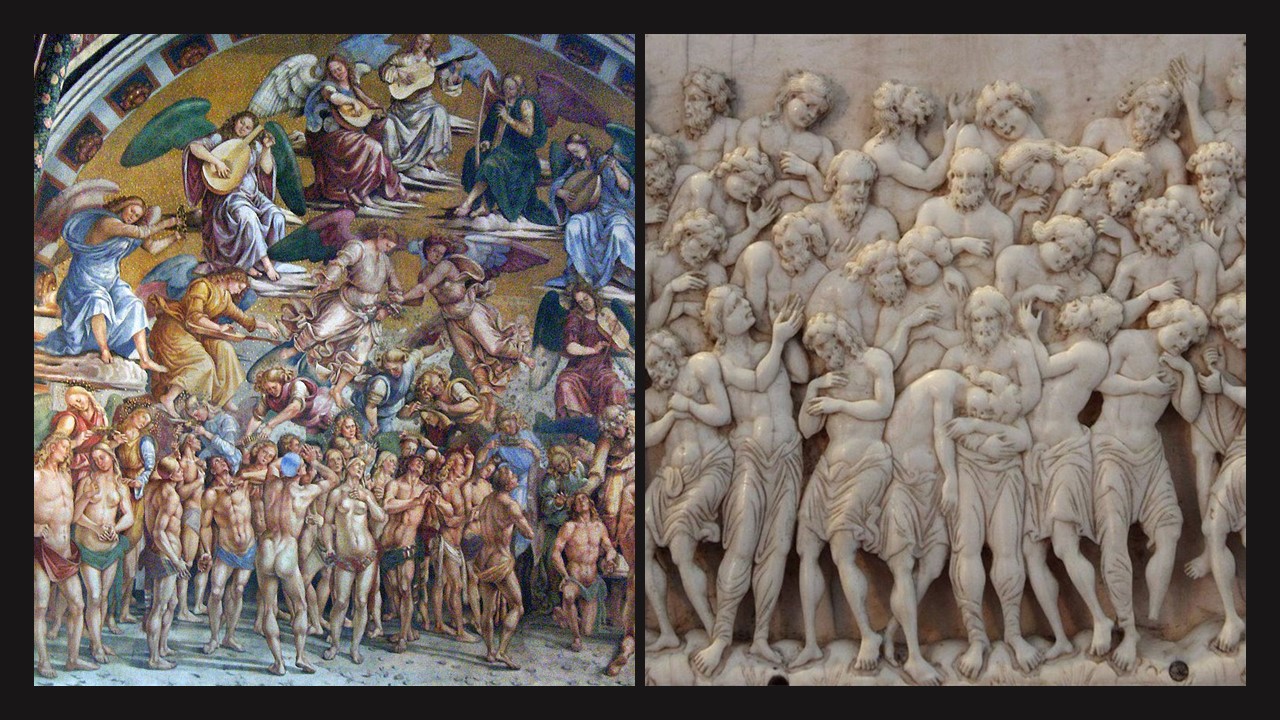
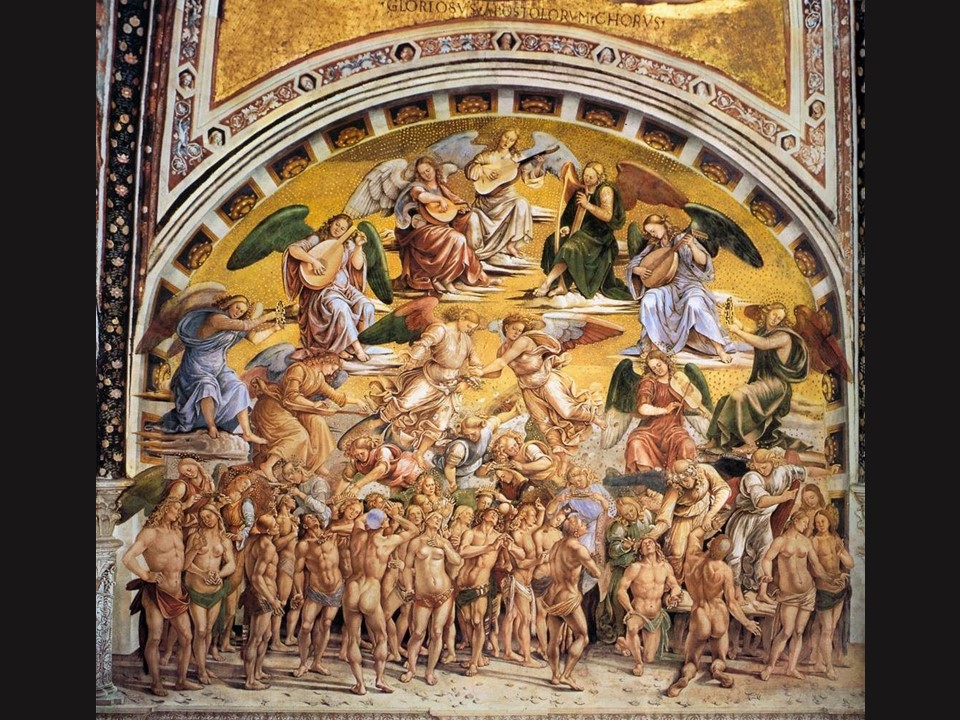
Is this amazing carving a case of Byzantine Renascence? The depiction of forty agonizing bodies, winding and twisting, reminds me of Signorelli’s fantasia of Paradise and Hell in Orvioto’s Cathedral, in the Capella of San Brizio. Are there missing links connecting these two masterpieces I don’t know about? Whatever the answer is, the BODE Ivory Icon is a strategic player in the equation. https://www.metmuseum.org/toah/hd/ivor/hd_ivor.htm and http://www.travelingintuscany.com/art/lucasignorelli/sanbriziochapel.htm
For a “Similarities and Differences” Student Activity, please… check HERE!
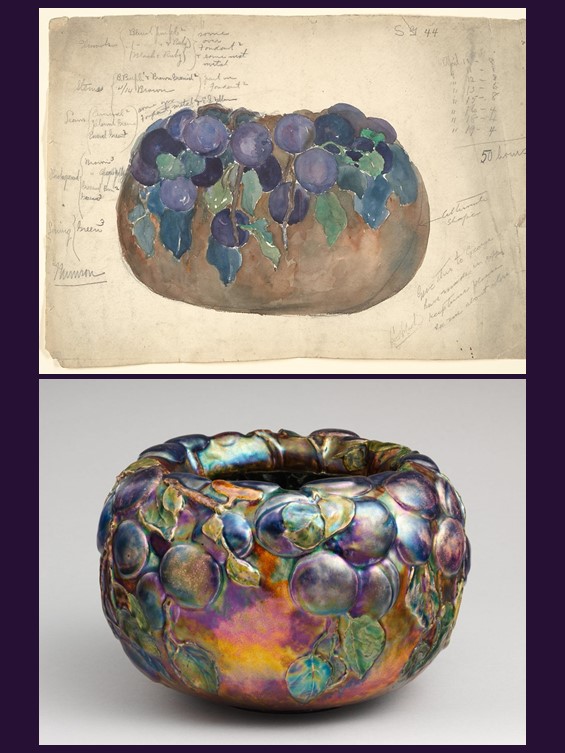
Tiffany’s luminous enamel-on-copper bowl, crafted by Julia Munson’s all-women workshop, dazzles with three-dimensional plums among leaves — a rare, shimmering masterpiece of extraordinary craftsmanship and organic beauty.
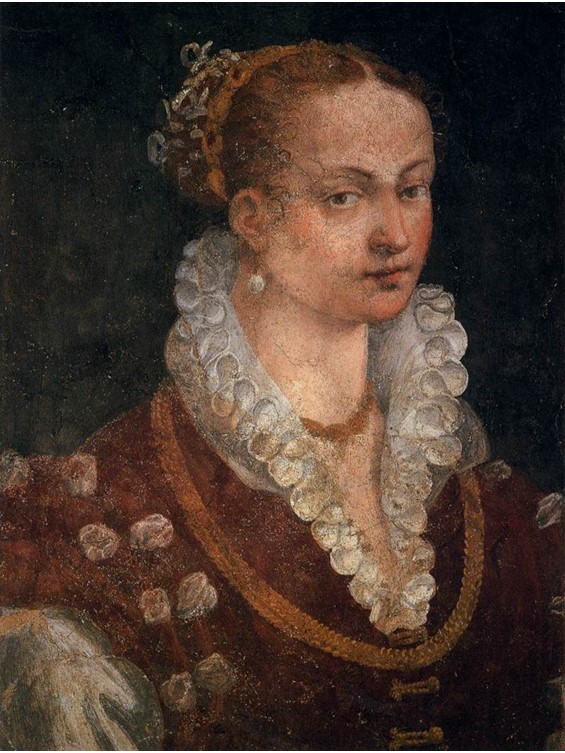
Born Venetian nobility, Bianca Cappello chose passion over propriety, rising dramatically to become Grand Duchess of Tuscany — beloved, powerful, and controversial until her mysterious death alongside Francesco de’ Medici.
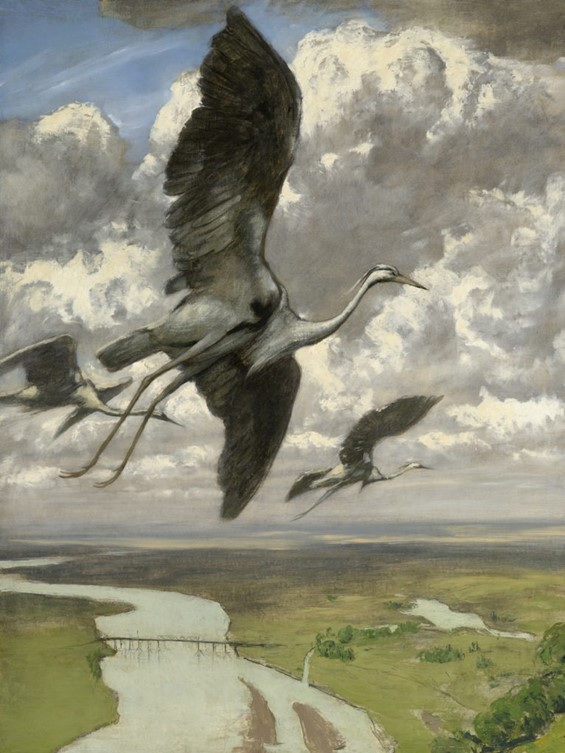
Hans Thoma’s distinctive Romantic Realism — deeply rooted in nature’s idyllic grandeur, inspired by Courbet and Renaissance masters — created a uniquely personal artistic vision, bridging German tradition and timeless natural beauty.
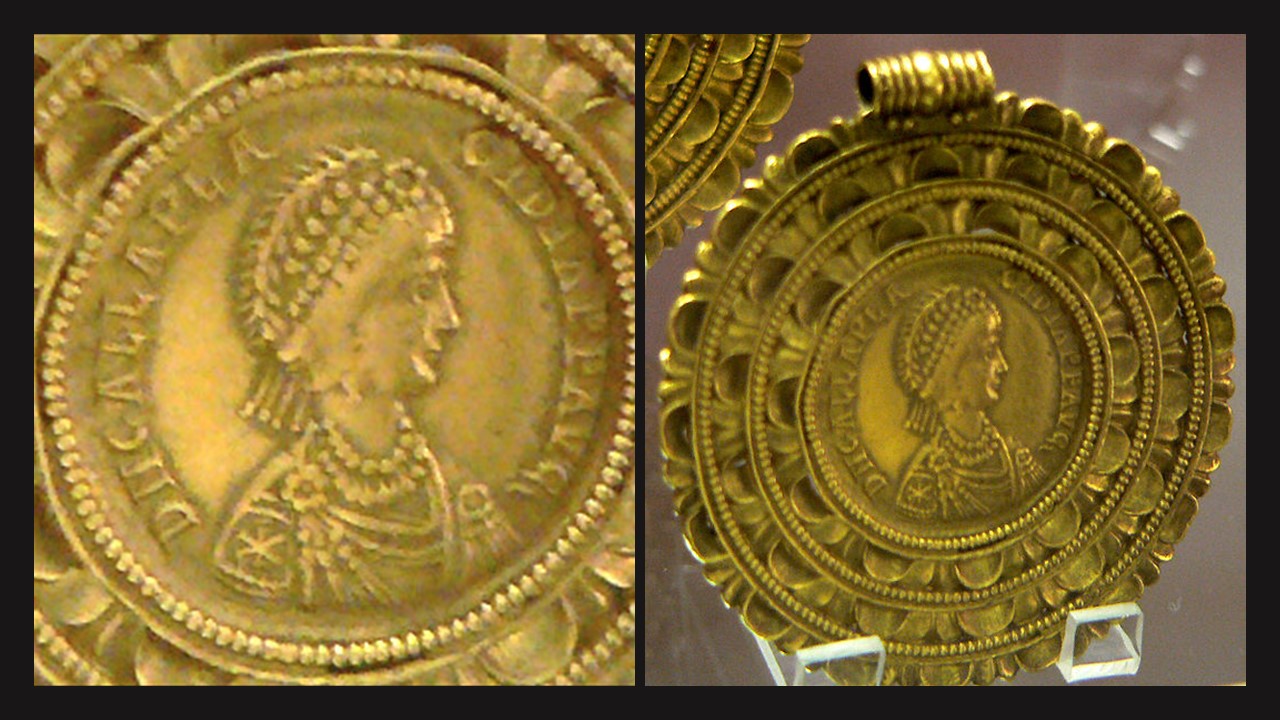
Imperial daughter, captive, empress and regent — Galla Placidia’s astonishing life traversed courts, battles and exile, leaving behind her magnificent Ravenna Mausoleum as an eternal testament to her extraordinary resilience.
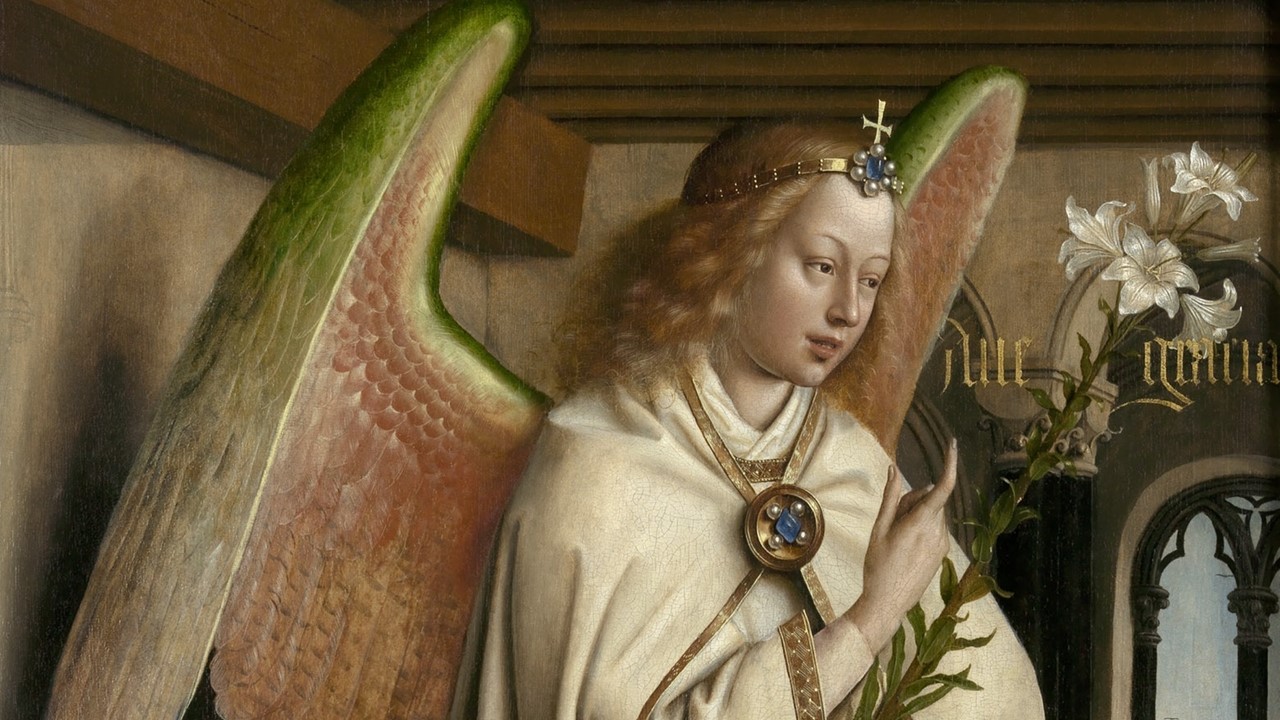
Jan van Eyck’s revolutionary mastery of oil, light and breathtaking naturalism transformed painting forever — Ghent’s landmark exhibition unites his finest works, celebrating the optical revolution he boldly inspired.
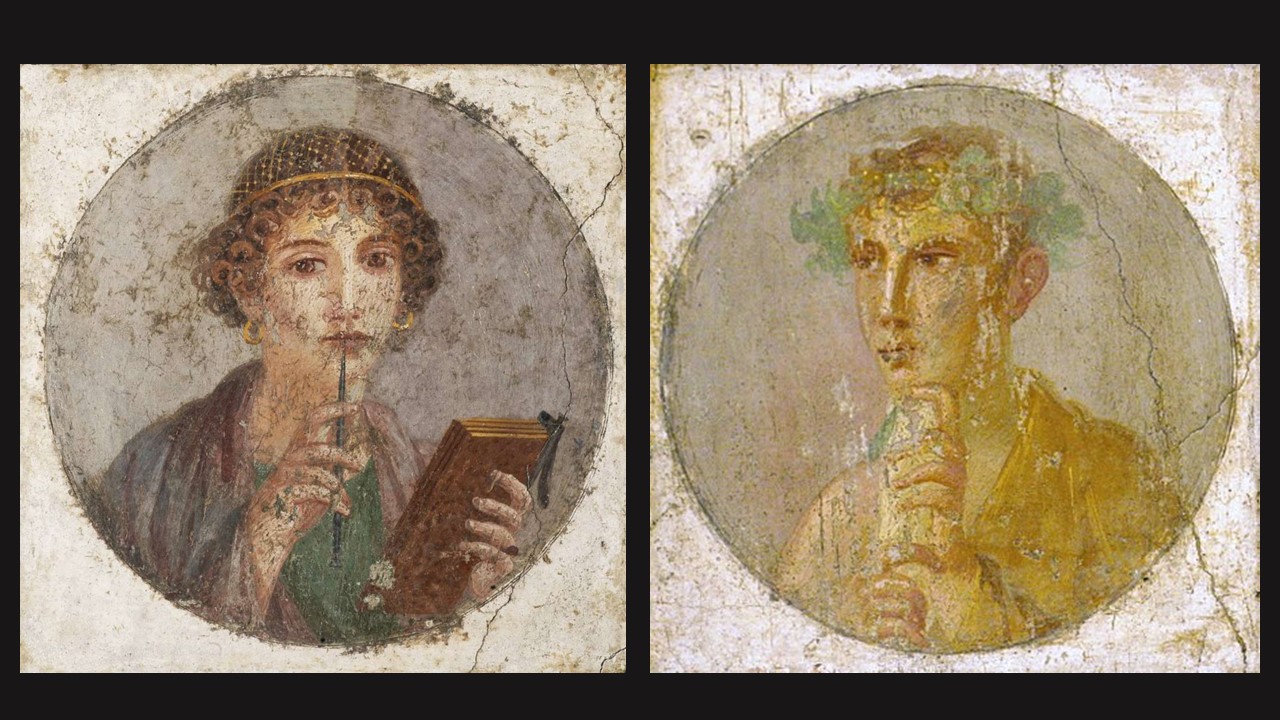
A striking Pompeian portrait captures a refined young couple—stylus and papyrus in hand—poised in quiet thought, embodying elegance, intellect, and the timeless allure of Roman artistic sophistication.