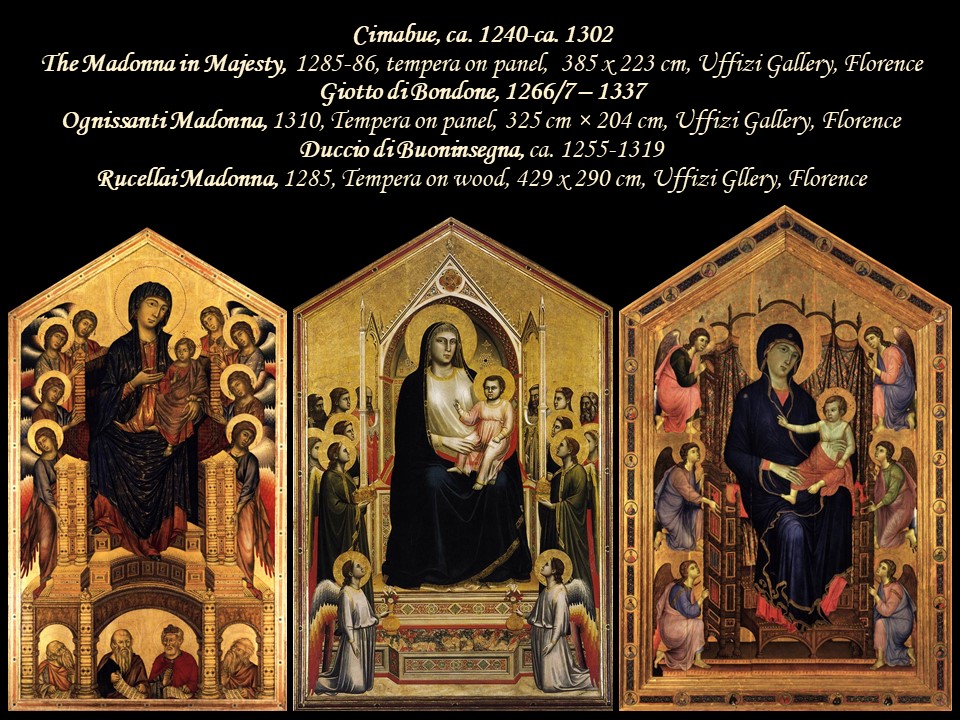
A Renaissance Triptych RWAP exploring Sienese 14th-century art, Duccio’s Maestà, and the evolution of three-panel sacred imagery rooted in the Greek idea of “threefold folds.”
Thank you Brother Peter
Brother Peter Tabichi’s passion for education in Kenya inspires reflection on teaching values, reminding us true learning is rooted in care, vision, and commitment to students’ futures.
Tick-Tock Bedroom Clock
A Rococo-inspired classroom RWAP explores playful 18th-century design through decorative clocks, revealing how exuberant forms, natural motifs, and rocaille craftsmanship engage modern high school students creatively.
The Jasper Cup from Vatopedi
The Vatopedi Jasper Cup, a refined Late Byzantine chalice linked to Manuel Cantacuzenos Palaeologos, blends sacred inscription, intricate monograms, and Byzantine-Gothic craftsmanship into a masterpiece of spiritual and artistic synthesis.
Hercules at the Crossroads
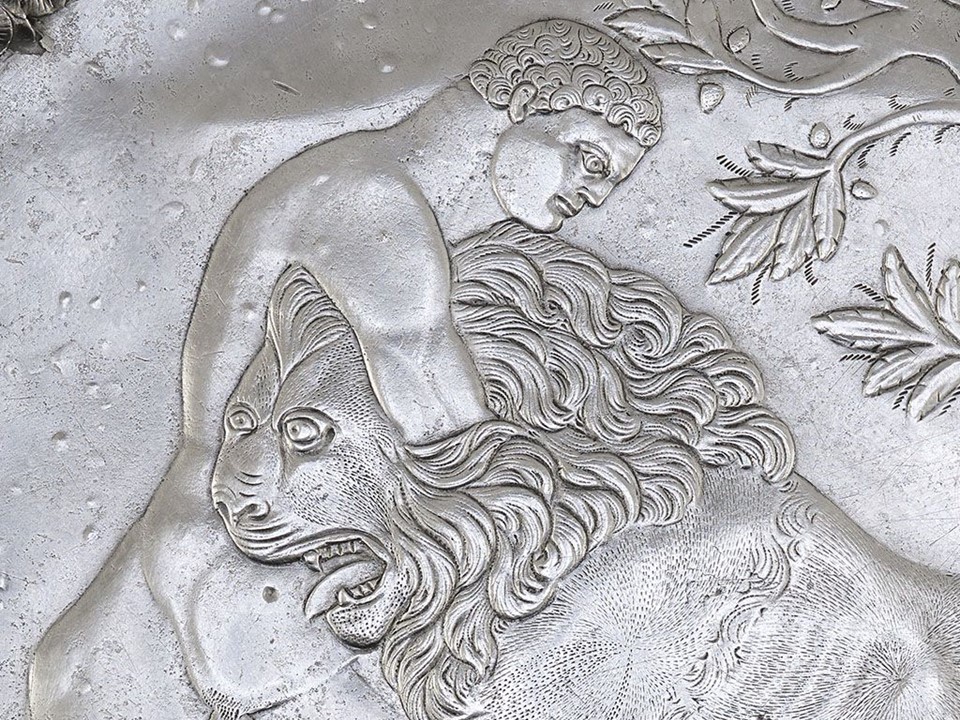
Hercules at the Crossroads, attributed to Prodicus and transmitted by Xenophon, depicts young Hercules choosing Virtue over Vice, a timeless moral journey of choice and character.
Back to Aigai
Aigai, ancient capital of Macedonia, reveals royal tombs, painted hunts, and mythic scenes—where students encounter history, art, and mythology in a landscape of enduring archaeological wonder.
Dionysus and Ariadne
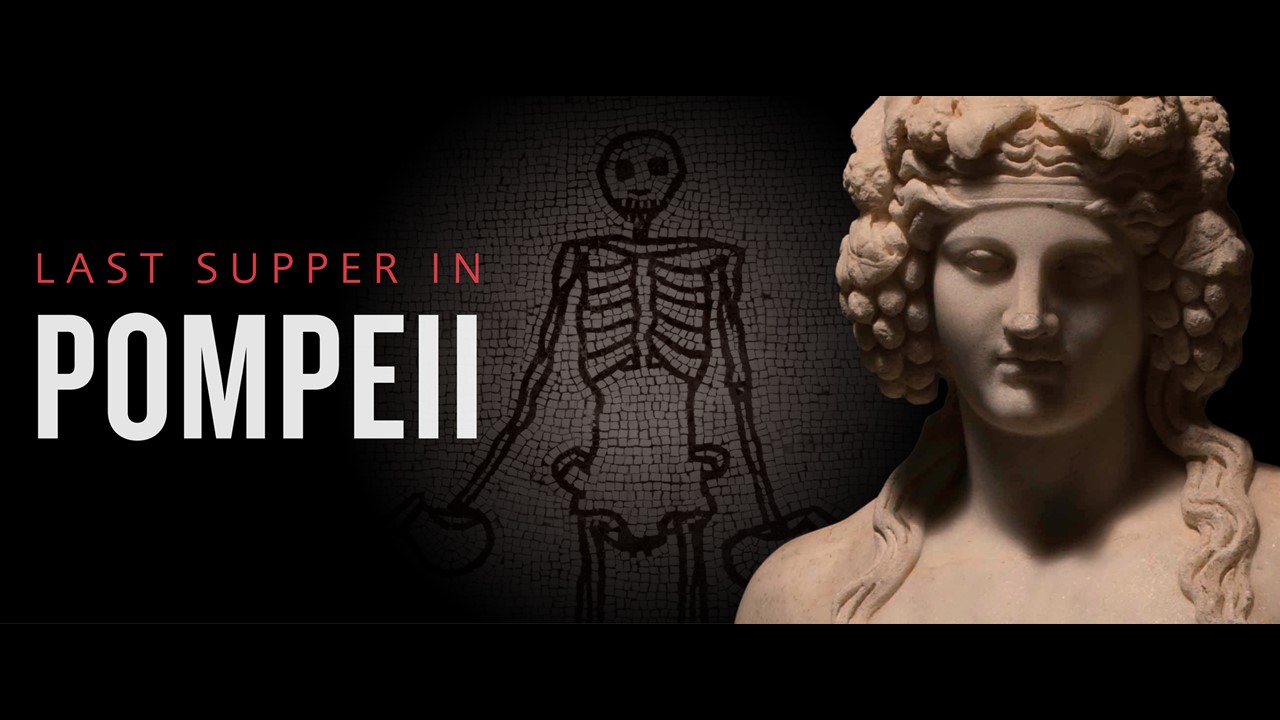
A Grade 6 Student Activity exploring the myth of Ariadne, where students research five artworks and creatively present her journey through love, betrayal, and myth across painting and sculpture.
Archaeological Excavation Records
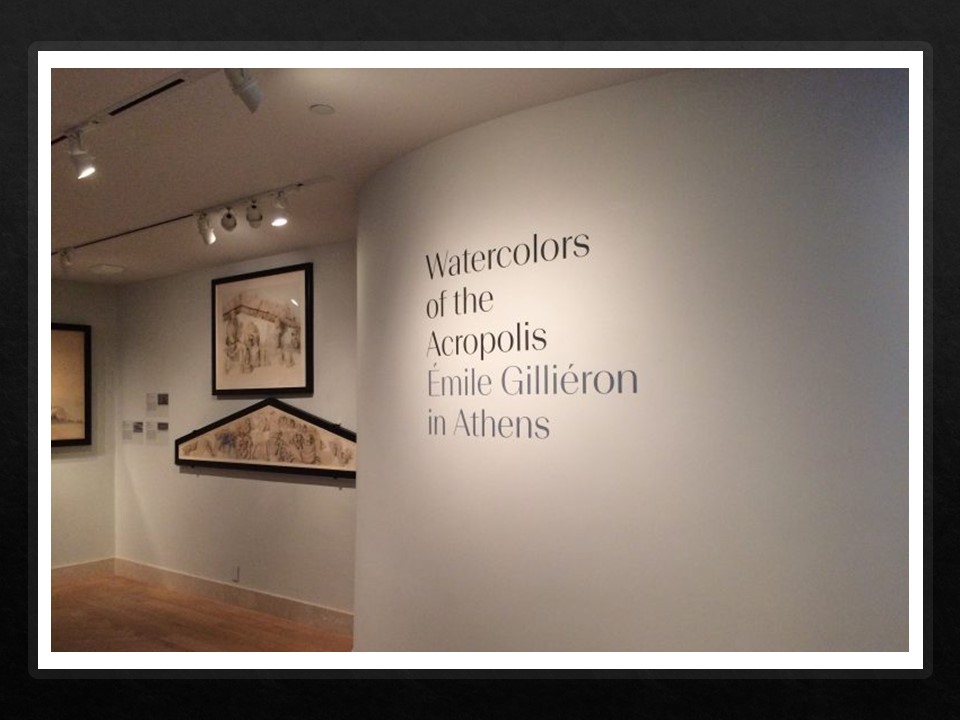
The carefully handwritten excavation records from the American School of Classical Studies at Athens, especially those from Corinth, preserve archaeology as both scholarship and quiet artistry—precise, tactile, and deeply human documentation of discovery.
Inspired by the François Vase

Inspired by the François Vase is a Grade 7 Activity my students enjoy doing!
François Vase is exhibited at the National Museum of Archaeology in Florence. It is “a large black-figure krater, a large vase in Ancient Greece believed to be used for watering down wine, from c. 570 BC. The design is fascinating and, if one looks carefully, you will find both the signature of the potter, Ergotimos and the painter, Kleitias. This krater is named the “François Vase” after the archaeologist who found it in 1844. ” https://www.visitflorence.com/florence-museums/maf-archeological-museum.html

The François Vase Activity
Instructions on what to do: During class, students are introduced to ancient Greek pottery, and more specifically the importance and characteristics of the François Vase. This Activity is based on the classroom lectures, student research on the subject, and ultimately student creativity and imagination. So, ……
- Students are asked to READ the attached sites and WATCH the provided Videos: https://www.florenceinferno.com/the-francois-vase/ and https://publishing.cdlib.org/ucpressebooks/view?docId=ft1f59n77b&chunk.id=d0e2374&toc.depth=1&toc.id=&brand=ucpress and https://www.youtube.com/watch?v=Fh1oONbq2ik
- Students will be provided with a Template of a Volute Krater. This template will be their work canvas! to create a “new” version of the François Vase.
- For the Volute Krater Template, a big thank you to IMGBIN and go to https://imgbin.com/png/ZZBrSTGn/krater-volute-line-art-vase-drawing-png
- Students are asked to design a “new version” of the François Vase inspired by their favorite novel, poem, myth, comic story or their own life!
- They may consider the following poem by Archilochos of Paros, 8th century BC lyric poet (Willis Barnstone, trans., Greek Lyric Poetry [New York: Schocken Books) as a source of inspiration:

The PowerPoint, teachercurator has prepared, can be seen if you… Click HERE!
For more examples of student work… Click HERE!

Jamestown Settlement

The New World is an interesting Movie to start our American Art Journey in an entertaining, yet educational, way! “This cinematic masterpiece illustrates the adventures of explorer John Smith as he establishes the Jamestown Settlement in 1607. Smith and Native American princess Pocahontas discover their worlds are different yet their hearts beat the same for each other, while English settlers and Native Americans come to blows.” https://www.owlteacher.com/teach-with-movies-page-6.html
Jamestown Settlement Activity
We followed 3 steps for this Project: 1. We first saw the movie, The New World, https://en.wikipedia.org/wiki/The_New_World_(2005_film). 2. Then, students were asked to do some research, find and write down 10 Facts of Jamestown Settlement. 3. Finally, RWAP time! (RWAP stands for Research-Writing-Art-Project)
This Project covers at least 2 pages of the student RWAP Sketchbook or an A3 size Poster.
RWAP Instructions: A. Research – Coloured or B/W Photocopies of Artworks related to or inspired by Jamestown Settlement. Go to Google – Jamestown Colony – Pictures. Do not forget that correct identification for each picture is needed. B. Research – Writing – 6 Facts about Jamestown Settlement. Students already have 10 Facts from Step 2 of the Project. Review Facts, choose 6 of them, the BEST! and use them in their RWAP Sketchbook. Students are asked to not COPY/PASTE!!! and to write down BIBLIOGRAPHY! C. Art Activity and Project Title – There is so much on the Internet to get students inspired!!! BE CREATIVE! Do not forget a nice, artistic TITLE for the Project!!!
For examples of student RWAP… Click HERE!