At Museum of Byzantine Culture, two Early Christian tunics reveal the elegance of late antiquity—simple forms enriched with woven clavi and orbiculi, reflecting daily life, artistry, and evolving identity.
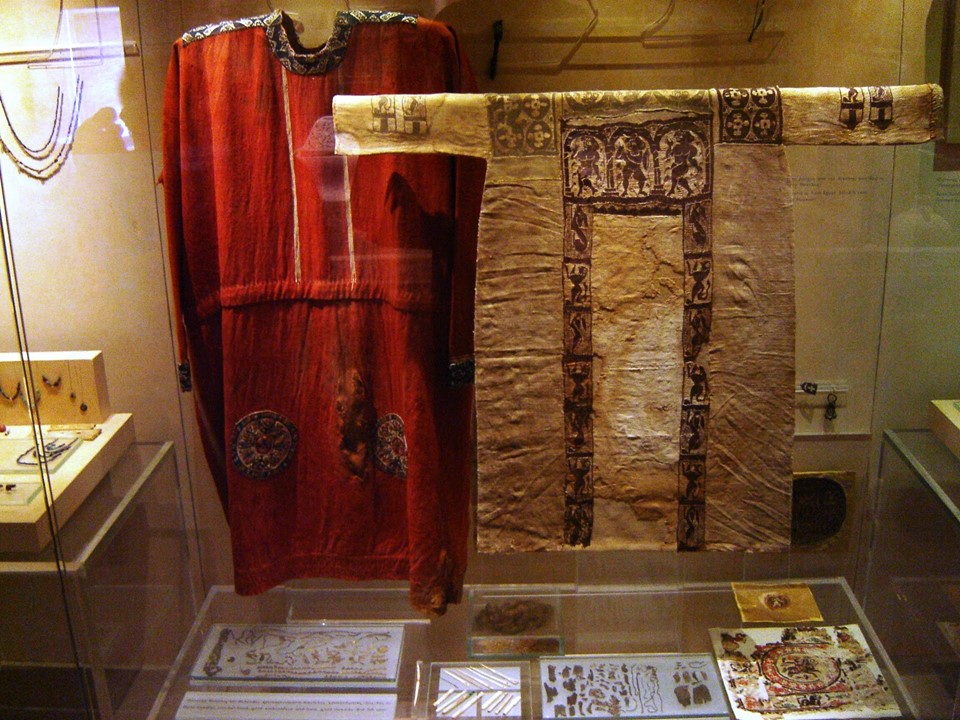
At Museum of Byzantine Culture, two Early Christian tunics reveal the elegance of late antiquity—simple forms enriched with woven clavi and orbiculi, reflecting daily life, artistry, and evolving identity.
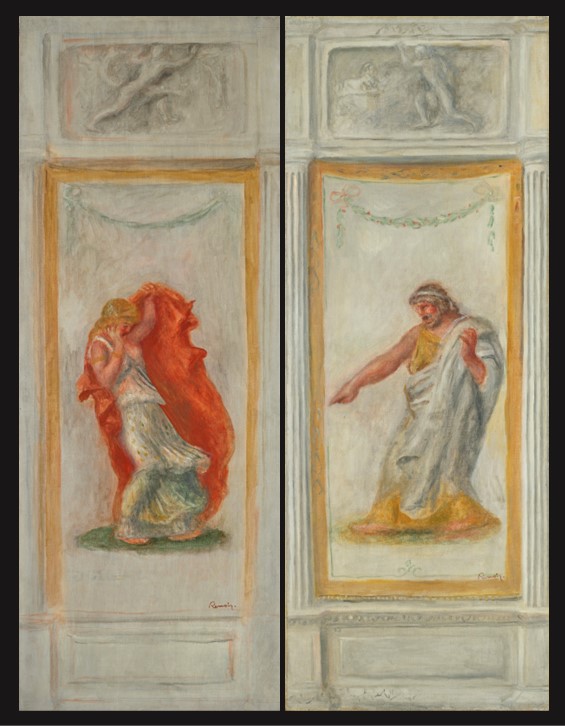
Panel for Oedipus: Jocasta reinterprets Sophocles’ tragedy as a tense, classical tableau where emotional force, color, and composition evoke fate’s inescapable pull between human desire and inevitable destiny.
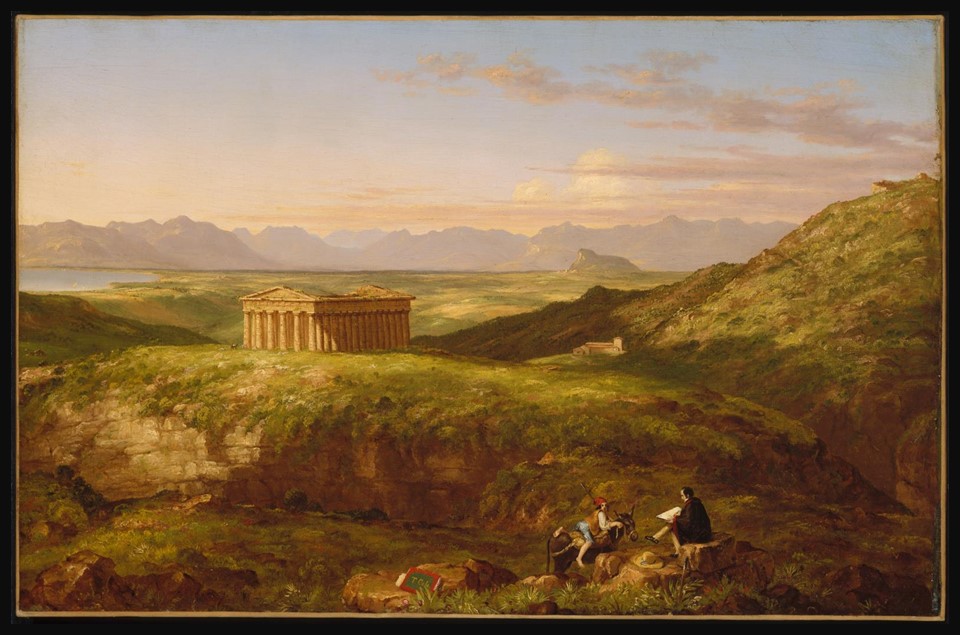
The Temple of Segesta merges ancient architecture with Romantic self-reflection, where landscape, antiquity, and the artist’s presence intertwine into a meditation on history, perception, and creative memory.
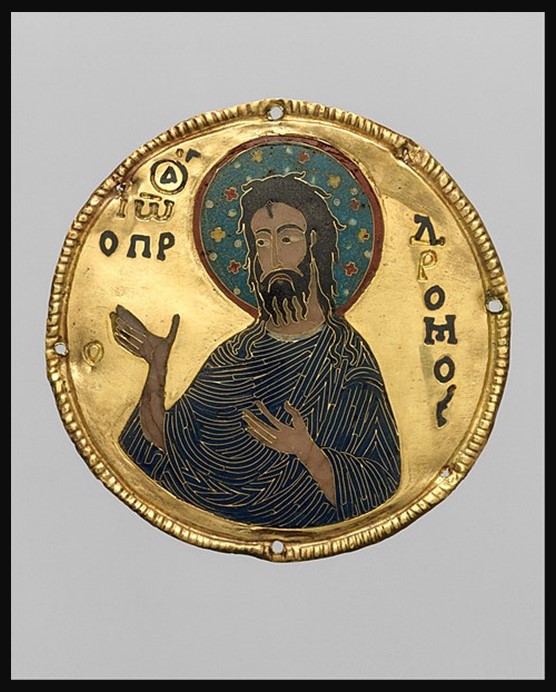
Medallion of Saint John the Forerunner reflects Byzantine devotional artistry, where gold, enamel, and sacred portraiture converge to express intercession, spiritual hierarchy, and the solemn beauty of divine mediation.
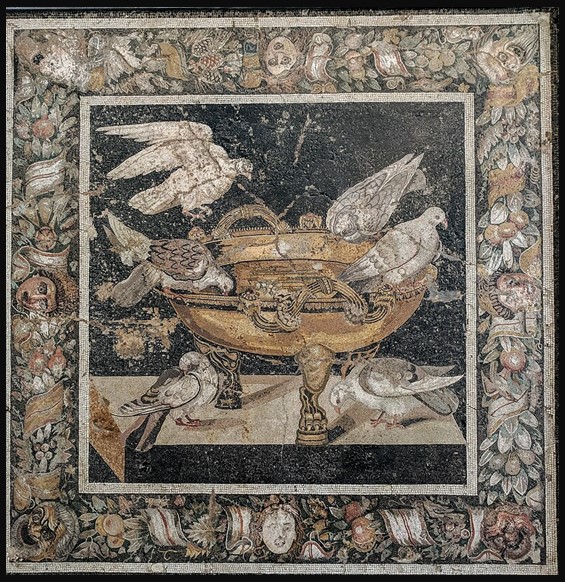
At House of the Doves, the celebrated mosaic of doves evokes Hellenistic mastery and Plinian admiration, symbolising peace, renewal, and the delicate harmony of nature preserved in Roman domestic art.
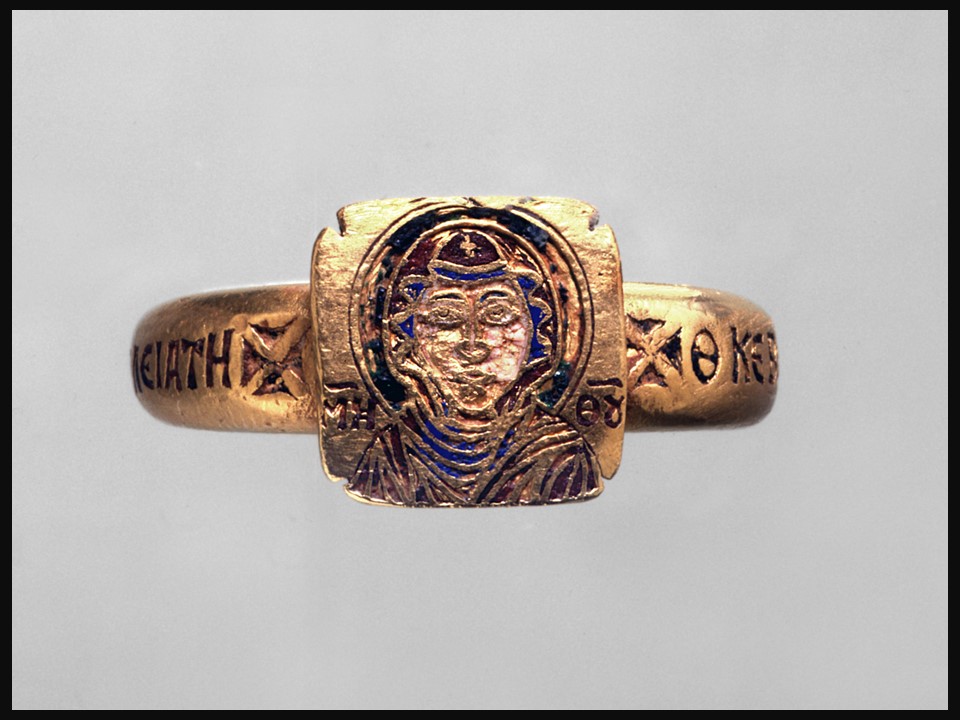
Ring of Michael Attaleiates, now at Dumbarton Oaks, unites inscription, portraiture, and devotion, revealing Byzantine identity through a rare personal object of prayer, status, and artistic refinement.
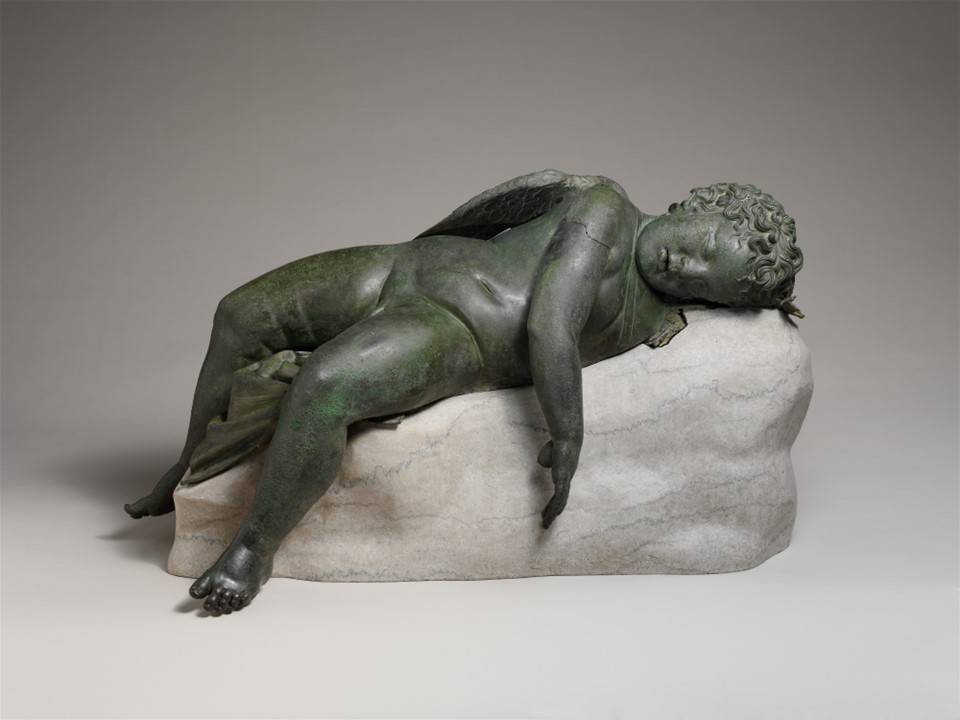
At Sleeping Eros, love is rendered as vulnerable rest rather than force, transforming myth into intimate naturalism where divine desire becomes human, tender, and quietly suspended in sleep.
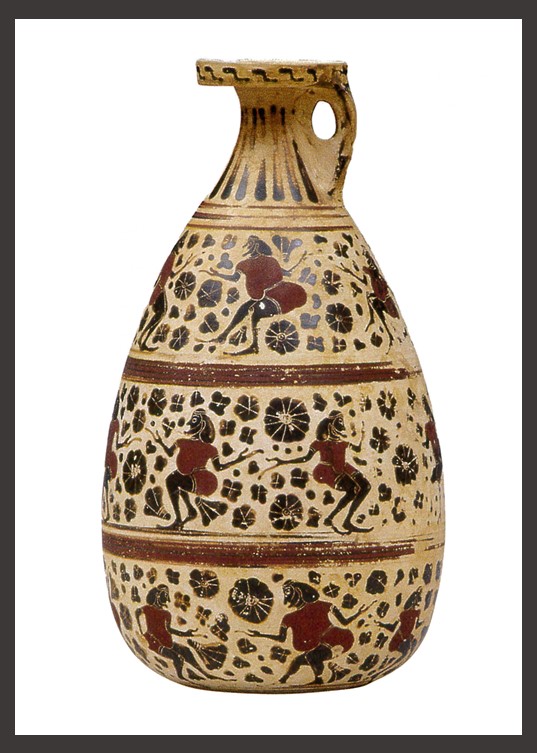
Discover the exquisite Corinthian Alabastron at Athens’ Canellopoulos Museum — a beautifully decorated Orientalizing period masterpiece, adorned with mythological komasts and lush floral motifs, showcasing ancient Greece’s extraordinary ceramic artistry.
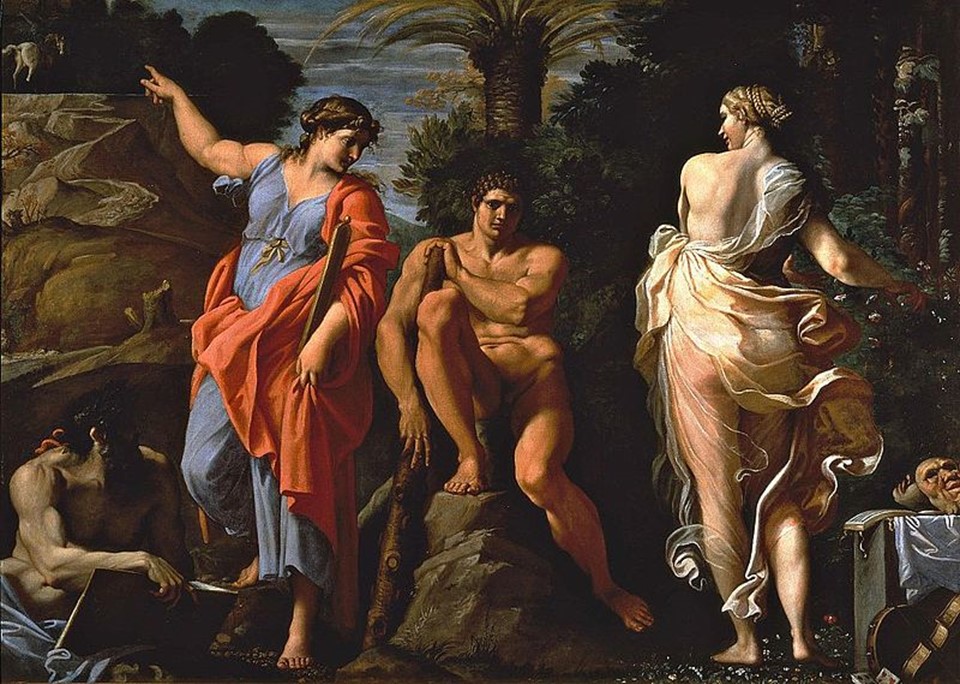
Explore Annibale Carracci’s compelling Choice of Heracles — a masterful Baroque canvas where Virtue and Pleasure compete for a young hero’s soul, posing antiquity’s most timeless moral question with breathtaking artistry.
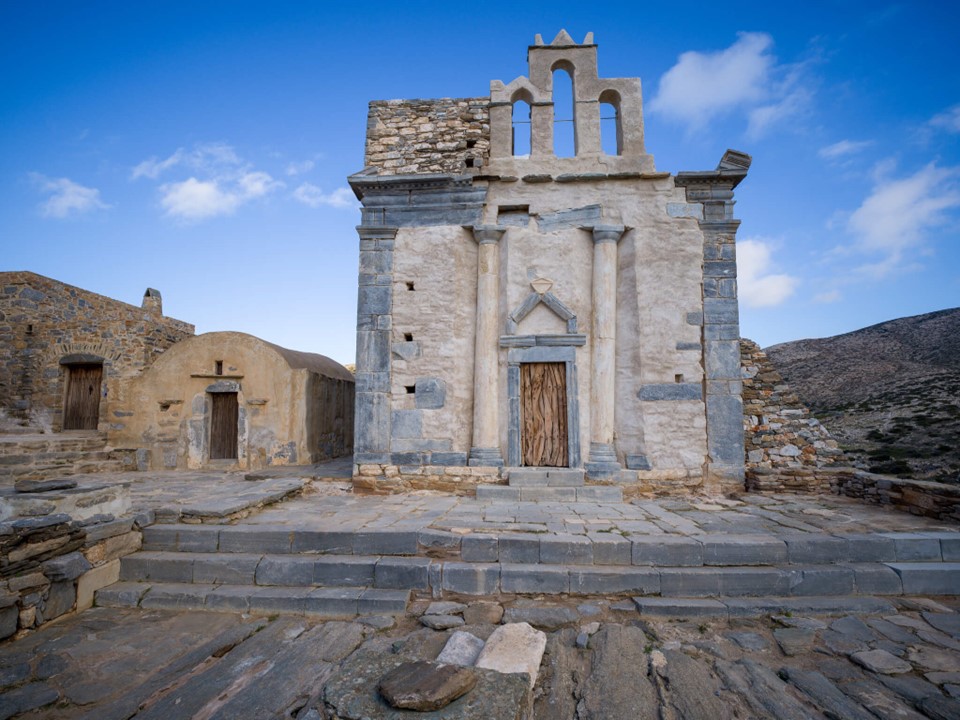
Discover Sikinos’ remarkable Episkopi Monument — a rare Roman mausoleum transformed into a Byzantine church, recently restored to reveal hidden inscriptions, ancient frescoes, and a sealed aristocratic burial of extraordinary significance.