Fabergé’s Lilies of the Valley Egg — pink enamel, pearl blossoms, hidden Romanov portraits — captures Imperial Russia’s breathtaking opulence and tender family devotion in one exquisite Art Nouveau masterpiece.
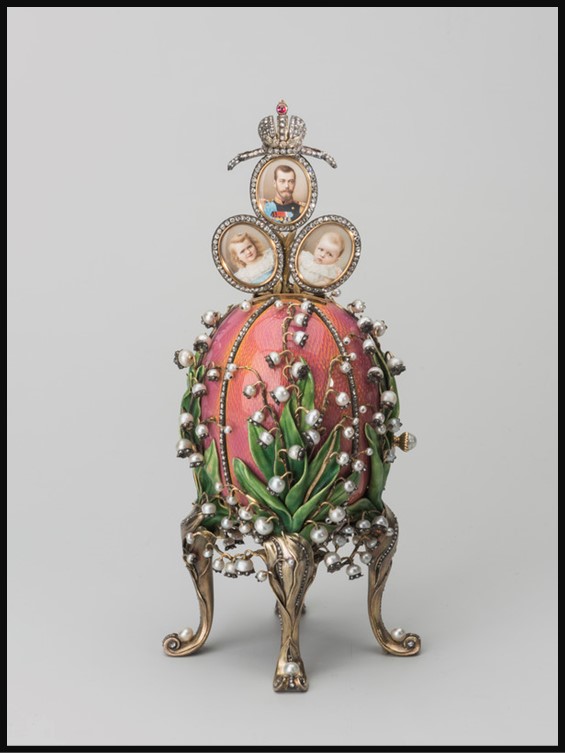
Fabergé’s Lilies of the Valley Egg — pink enamel, pearl blossoms, hidden Romanov portraits — captures Imperial Russia’s breathtaking opulence and tender family devotion in one exquisite Art Nouveau masterpiece.
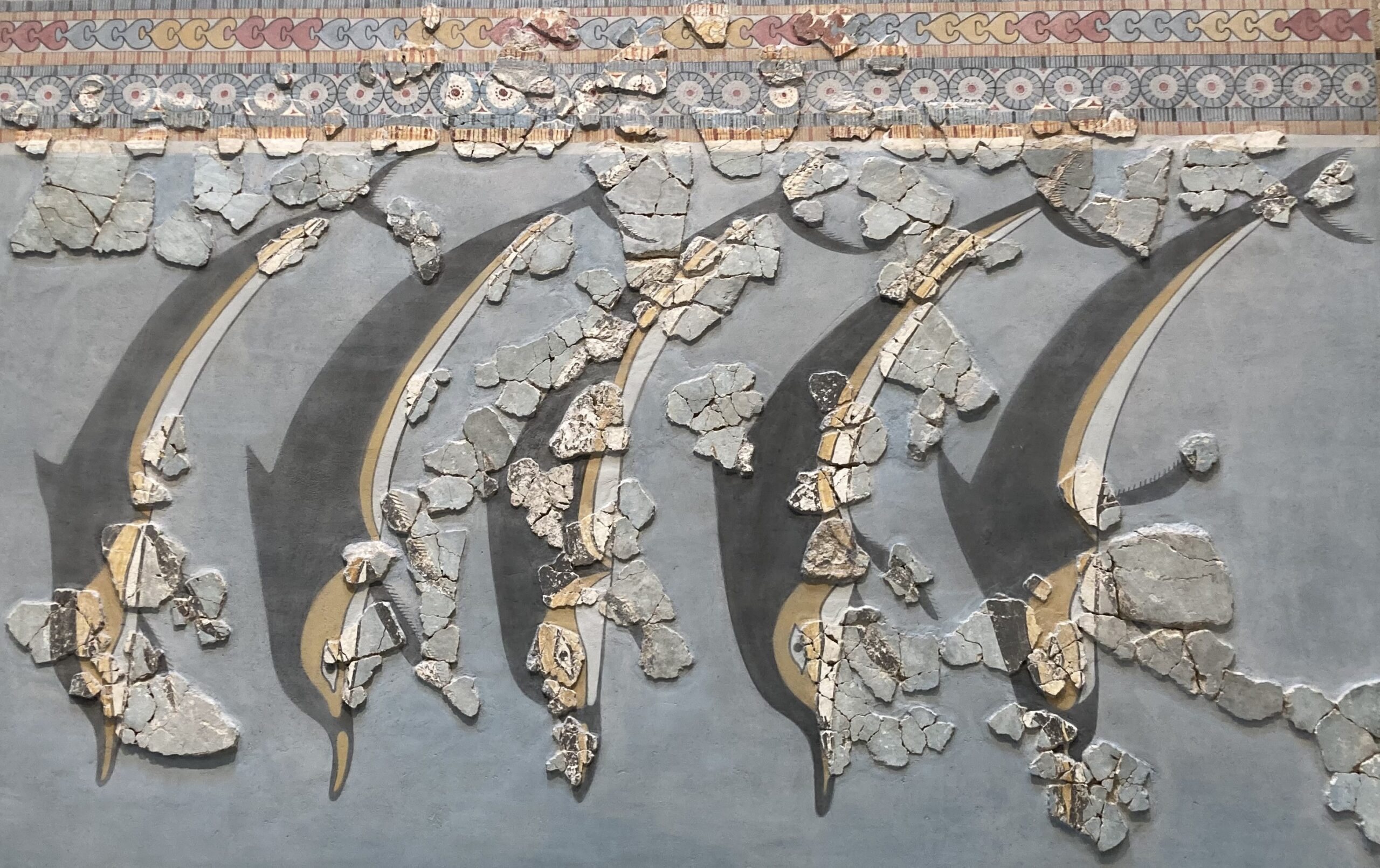
The Dolphin Frieze reveals Mycenaean artistry at its most vibrant, its graceful marine forms capturing technical brilliance, naturalistic beauty, and the enduring Aegean fascination with the sea.
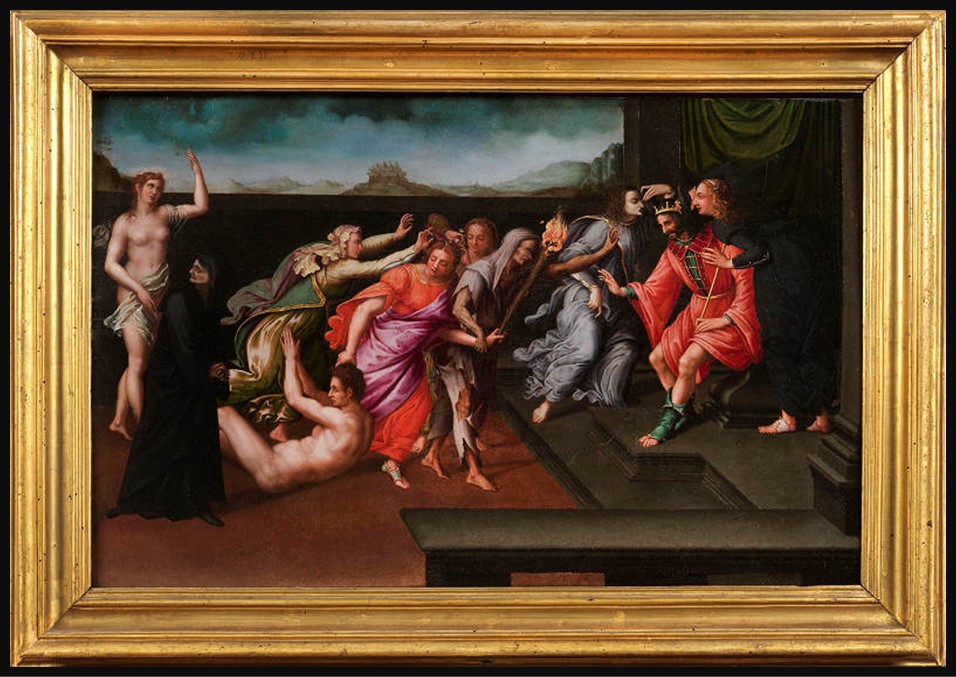
Botticelli’s Allegory of Calumny — slander, deceit, and innocence locked in timeless battle — warns kings and commoners alike that false accusation’s destructive power transcends every age.
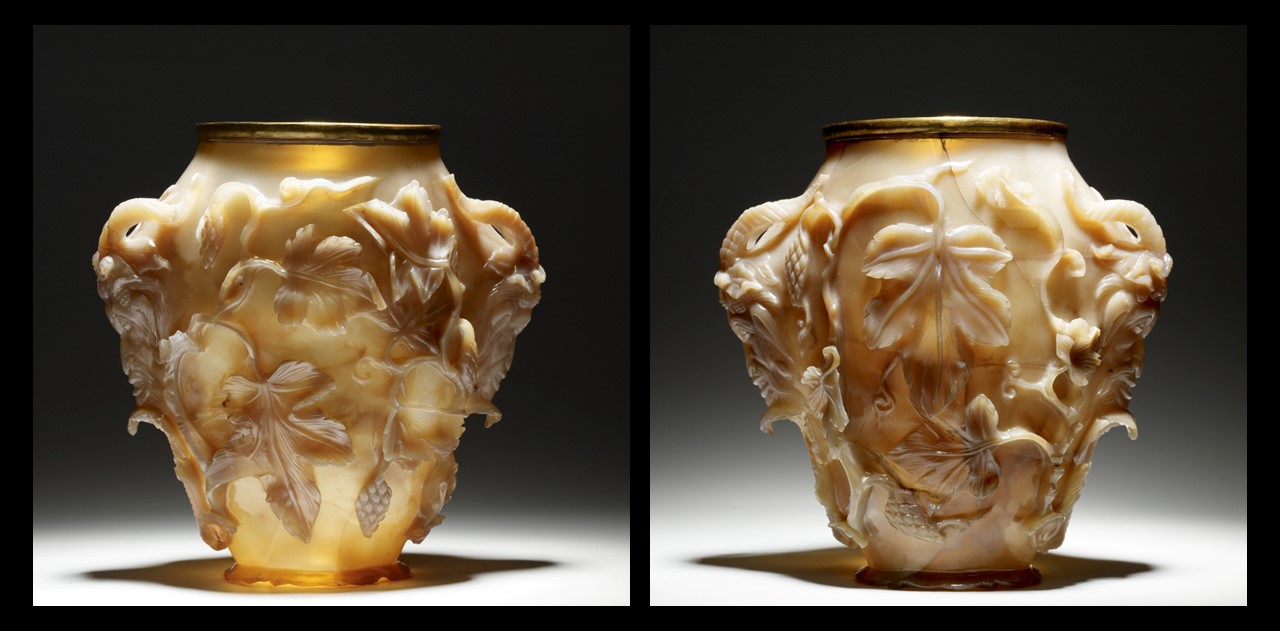
Rubens’ beloved agate vase — Byzantine imperial treasure, Crusader spoil, collector’s obsession — embodies one extraordinary object’s remarkable journey through power, passion, and artistic devotion.
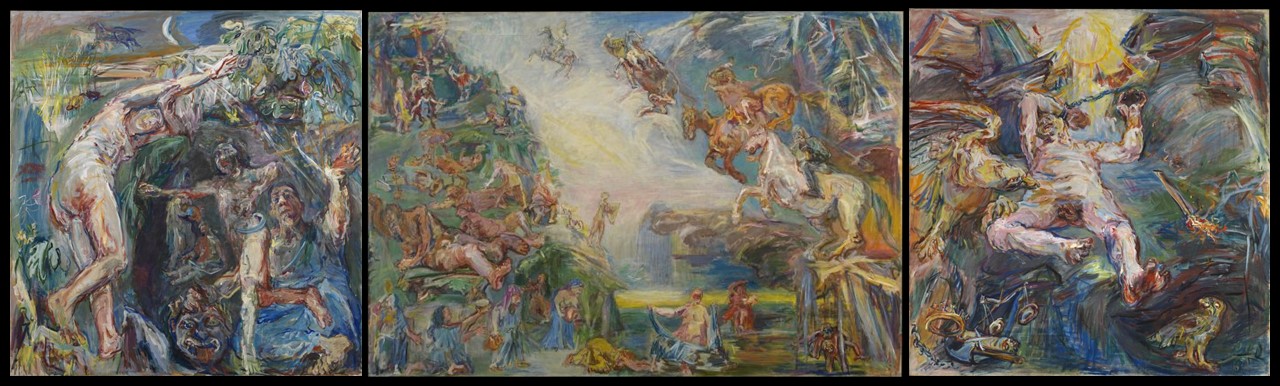
Kokoschka’s monumental Prometheus Triptych — myth, apocalypse, and regeneration blazing across three panels — confronts postwar humanity’s arrogance and existential crisis with extraordinary Expressionist urgency.
12:13 PM
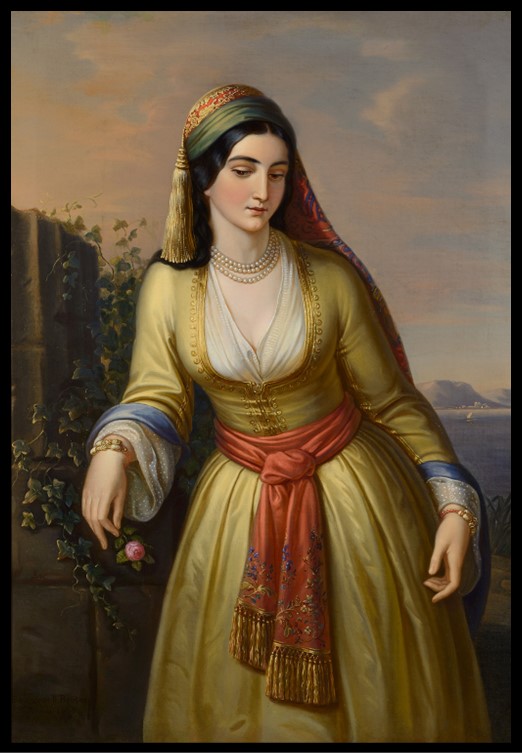
Claude responded: Vryzakis immortalizes Byron’s dark-eyed Maid of Athens — where Romantic poetry, Greek beauty, philhellenic passion, and the struggle for independence beautiful…
Vryzakis immortalizes Byron’s dark-eyed Maid of Athens — where Romantic poetry, Greek beauty, philhellenic passion, and the struggle for independence beautifully, timelessly converge.
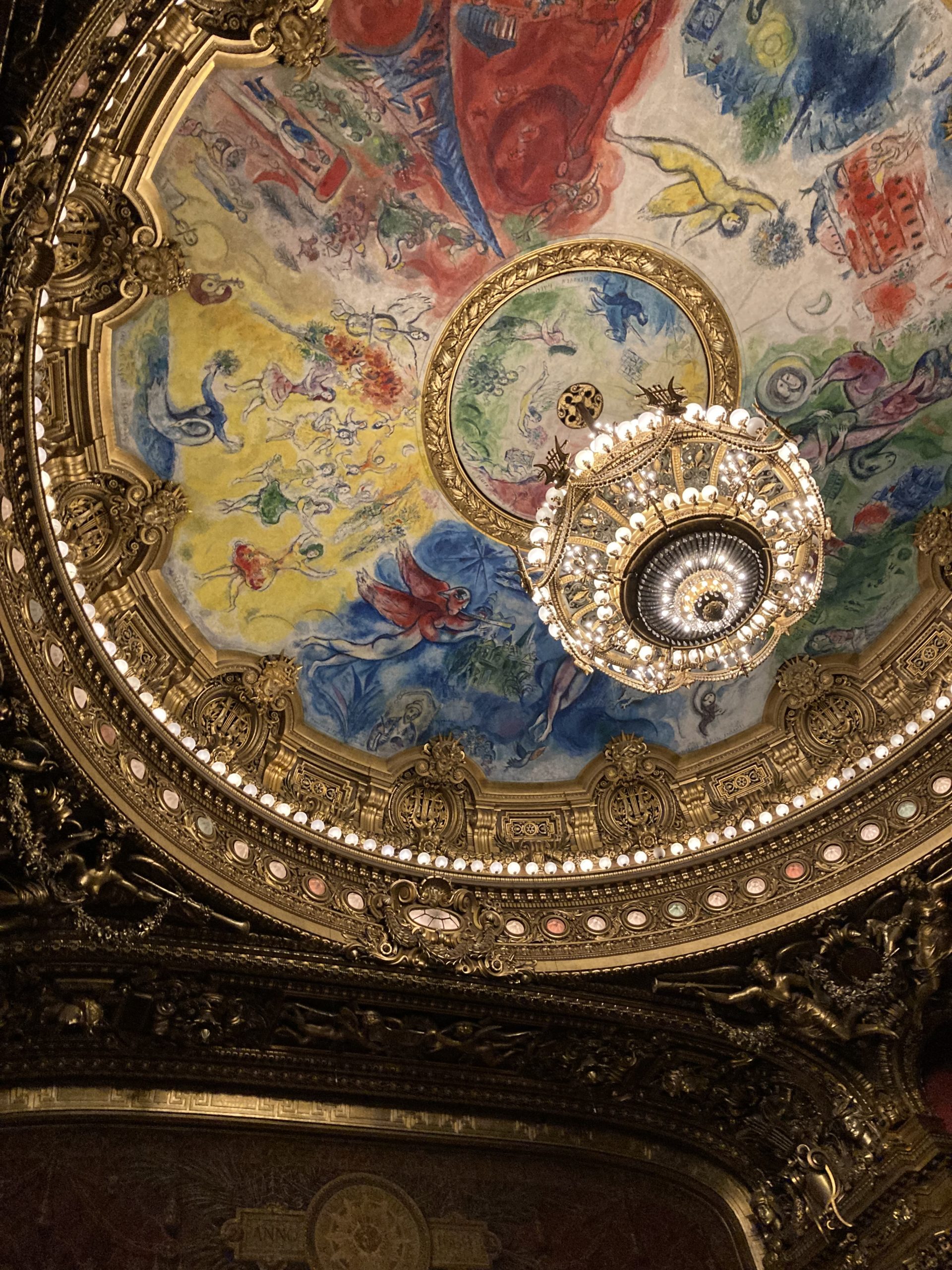
Chagall’s dreamlike 560-square-metre dome at the Opéra Garnier — dancers, musicians, and opera scenes swirling in luminous colour — unites modern wonder with Belle Époque grandeur magnificently.
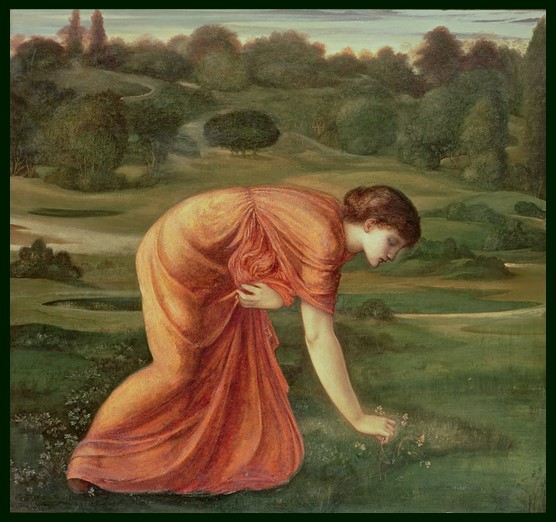
Burne-Jones’ March Marigold celebrates a flower that transcends cultures — sun, healing, remembrance, and joy — from ancient Rome and Mexico’s Day of the Dead to India’s vibrant festivals.
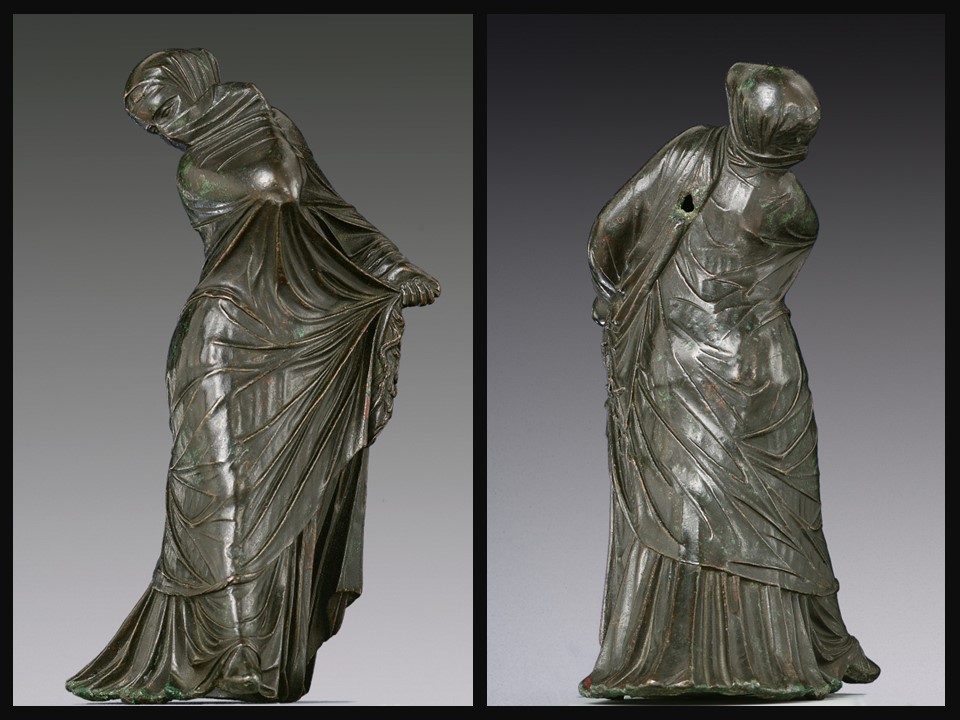
Veiled in motion, the Bronze Hellenistic Dancer embodies the fleeting poetry of dance—an intimate, sensuous performance capturing Hellenistic grace, emotion, and the allure of movement suspended in time.
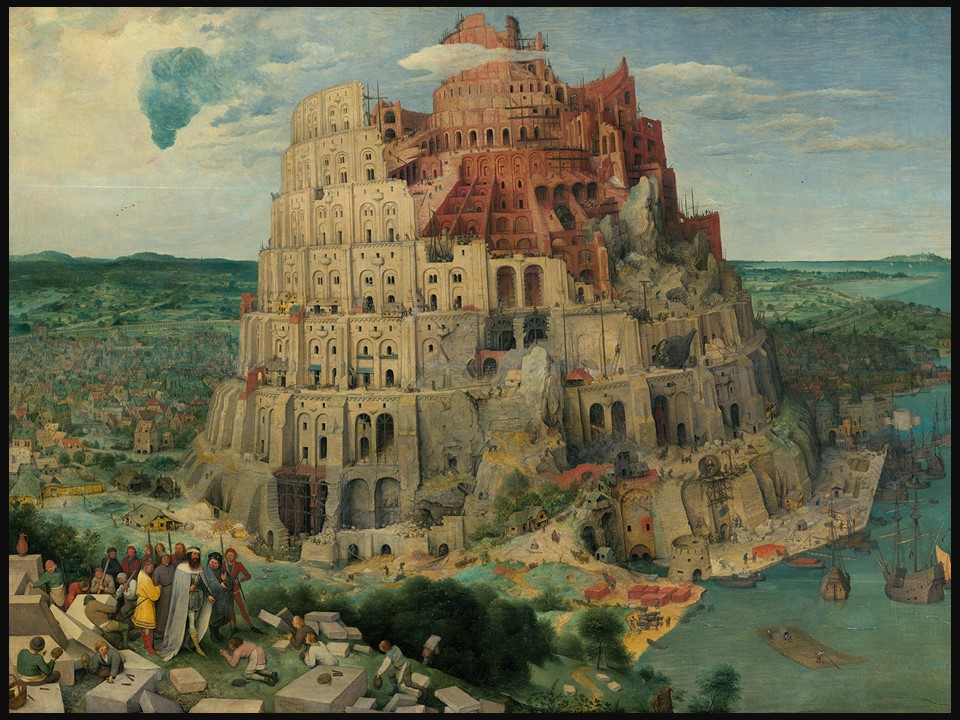
The Tower of Babel transforms the biblical tale of Genesis 11:1–9 into a vivid panorama of human ambition, unity, and divine disruption, capturing the fragility of grand aspirations.