In amber’s golden warmth, a sleeping Eros finally rests — the unruly god of love momentarily stilled, clutching a poppy, in this exquisite Roman treasure from Trieste.
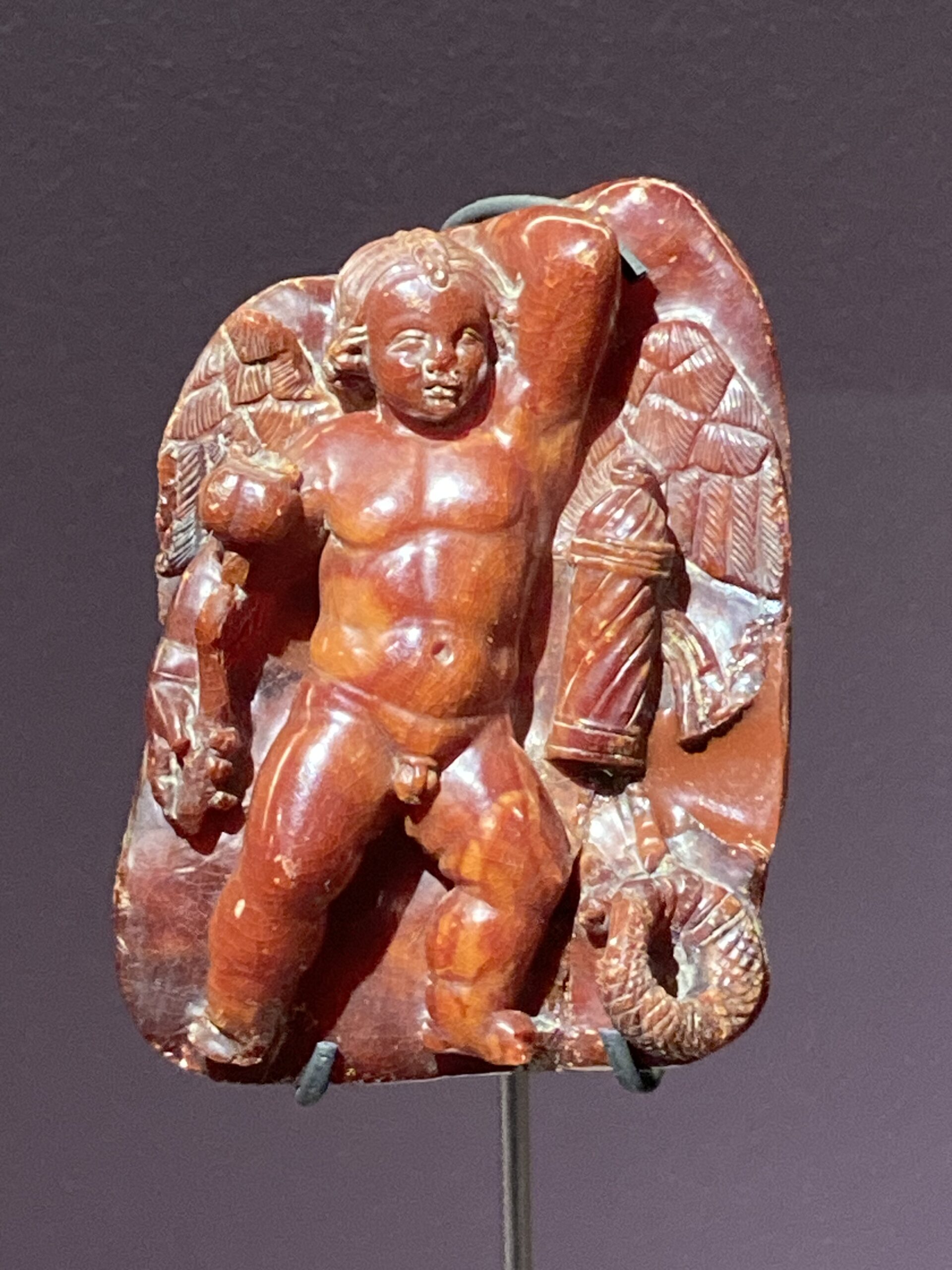
In amber’s golden warmth, a sleeping Eros finally rests — the unruly god of love momentarily stilled, clutching a poppy, in this exquisite Roman treasure from Trieste.
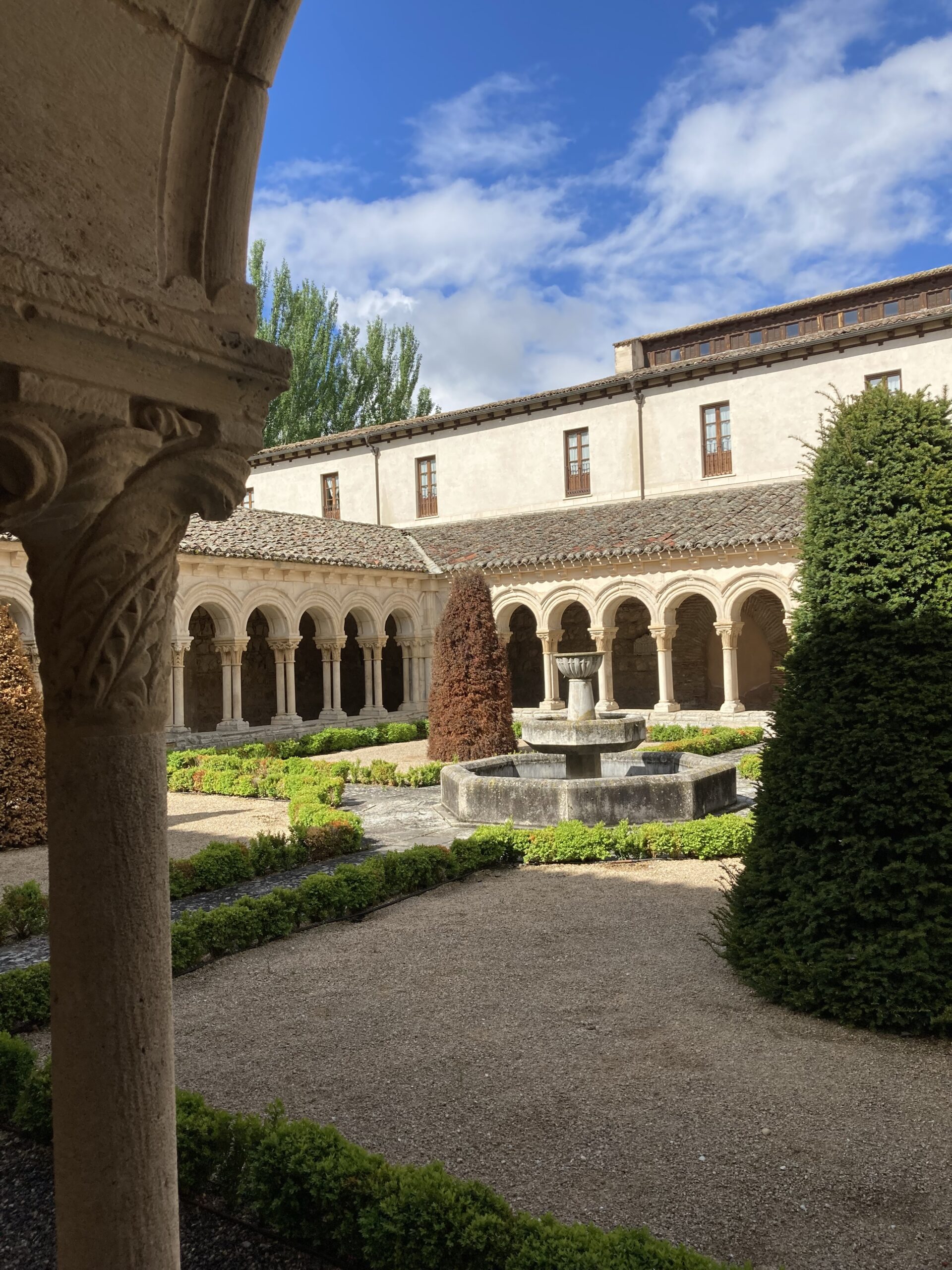
Founded by Castilian royalty, Las Huelgas’ serene Romanesque cloister breathes centuries of prayer, power, and contemplation — where silence, harmony, and medieval grandeur beautifully converge.
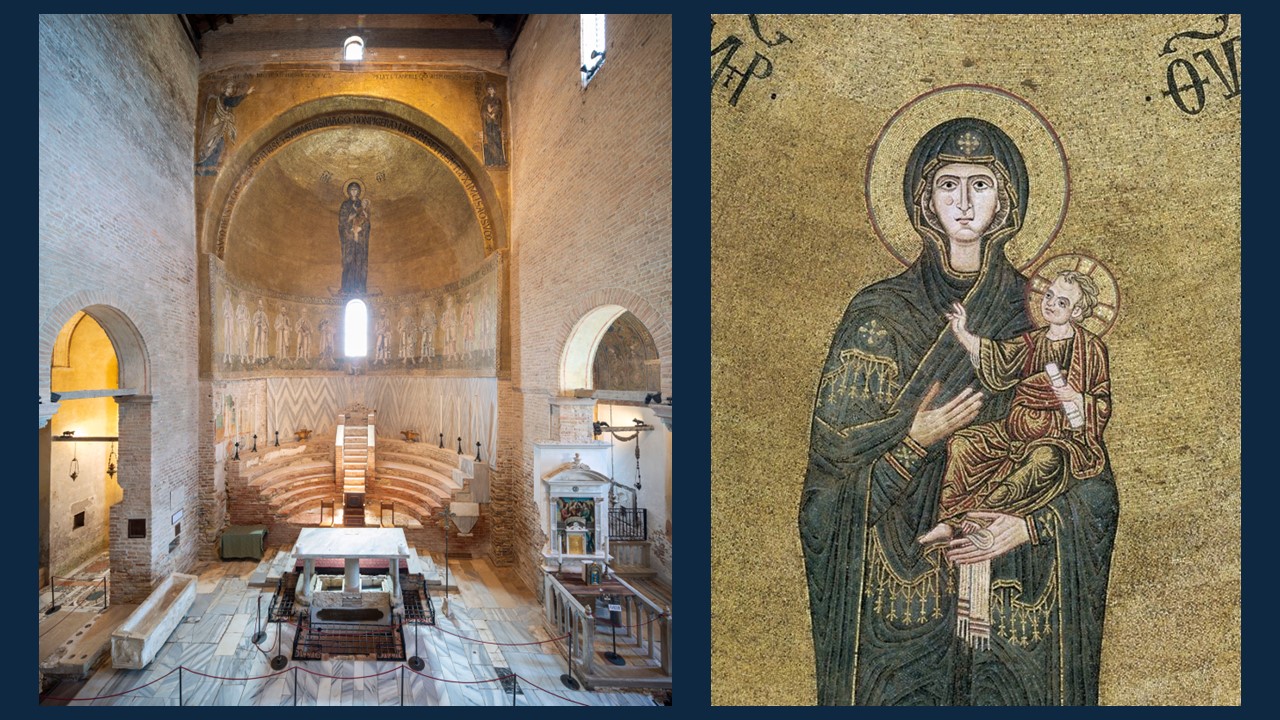
Torcello’s 11th-century Hodegetria mosaic — the Virgin and Apostles shimmering in eternal gold — crowns Venice’s oldest cathedral, a breathtaking Byzantine masterpiece Henry James never forgot.
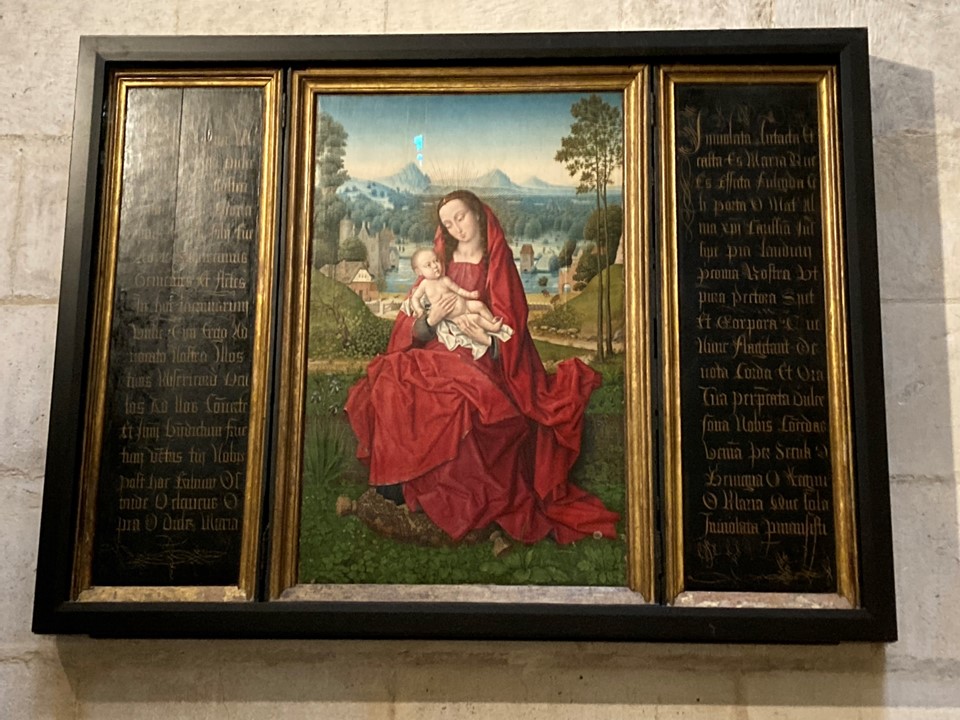
In Burgos Cathedral’s Gothic Chapel of the Constables, the Master of the Madonna Grog’s luminous triptych tenderly unites divine motherhood, symbolic flowers, and Northern Renaissance naturalism beautifully.
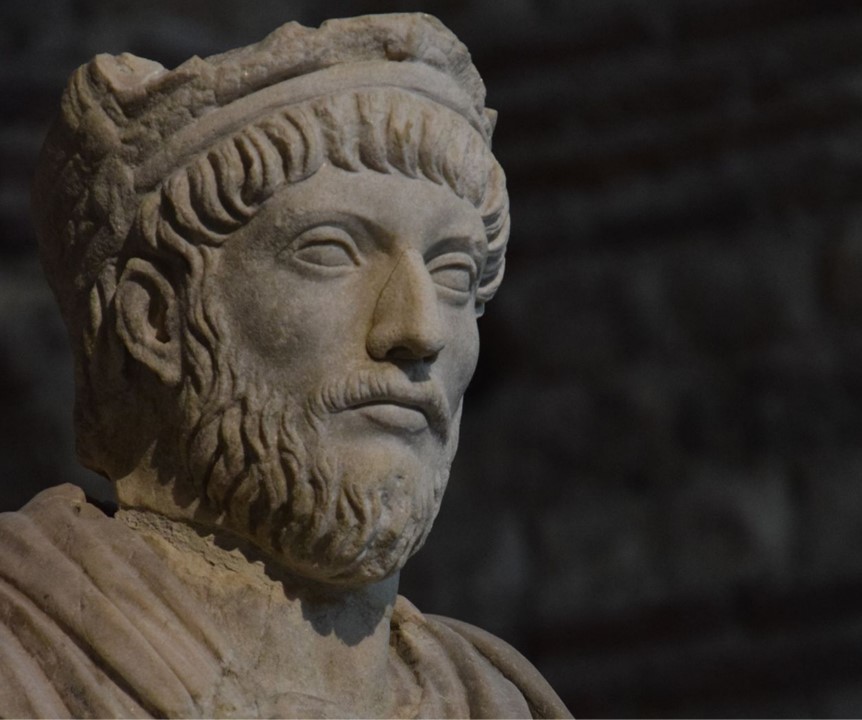
Julian the Apostate — pagan emperor, philosopher, self-mocking beard-hater — gazes enigmatically from a Musée de Cluny marble statue, his true identity still beautifully, tantalizingly unresolved.
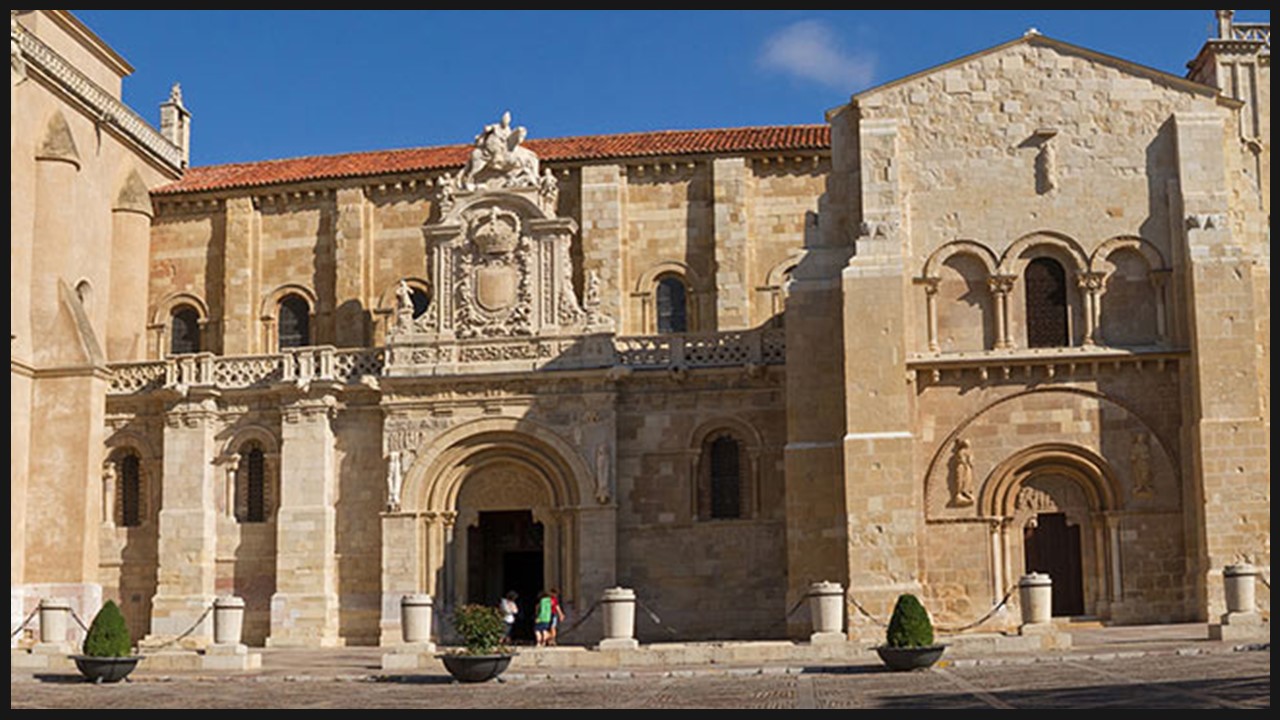
León’s Royal Pantheon — the Sistine Chapel of Romanesque art — dazzles with 12th-century frescoes where biblical majesty and twelve vivid months of medieval agricultural life beautifully coexist.
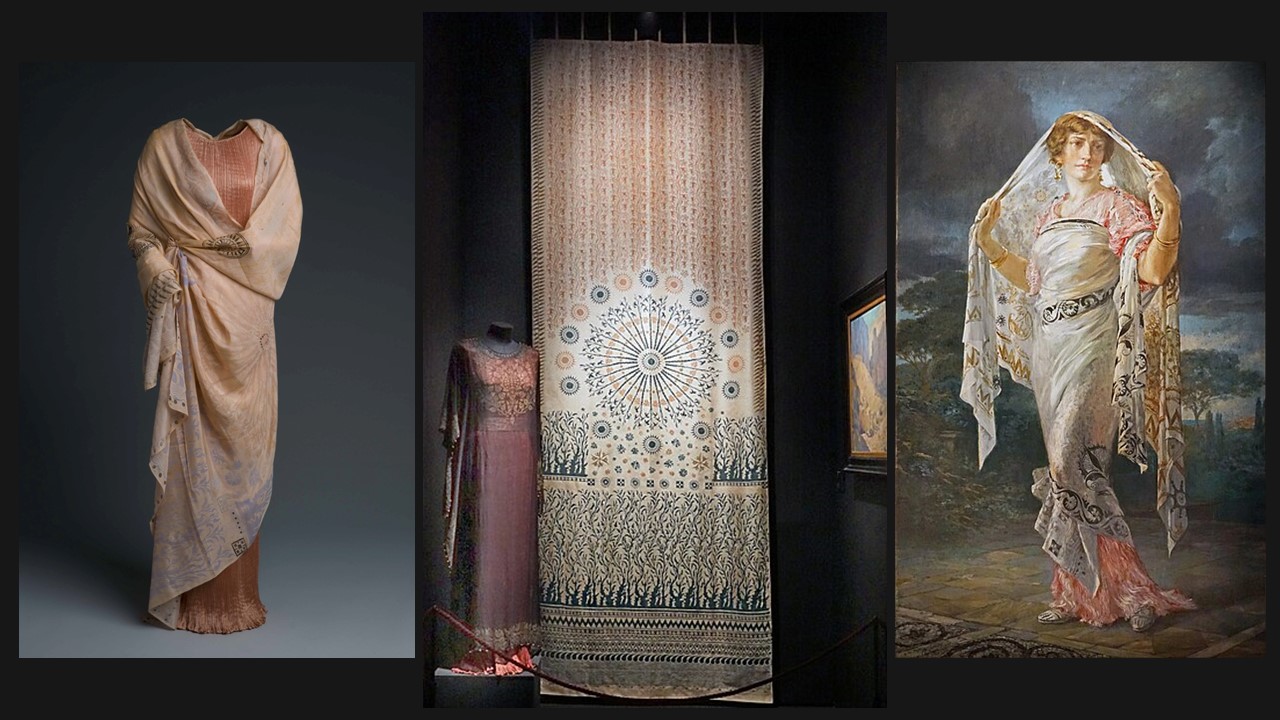
Fortuny’s Knossos Veil — ancient Greece reimagined in luminous silk — bridges Minoan fresco and Venetian haute couture, a timeless masterpiece born from one extraordinary couple’s shared artistic vision.
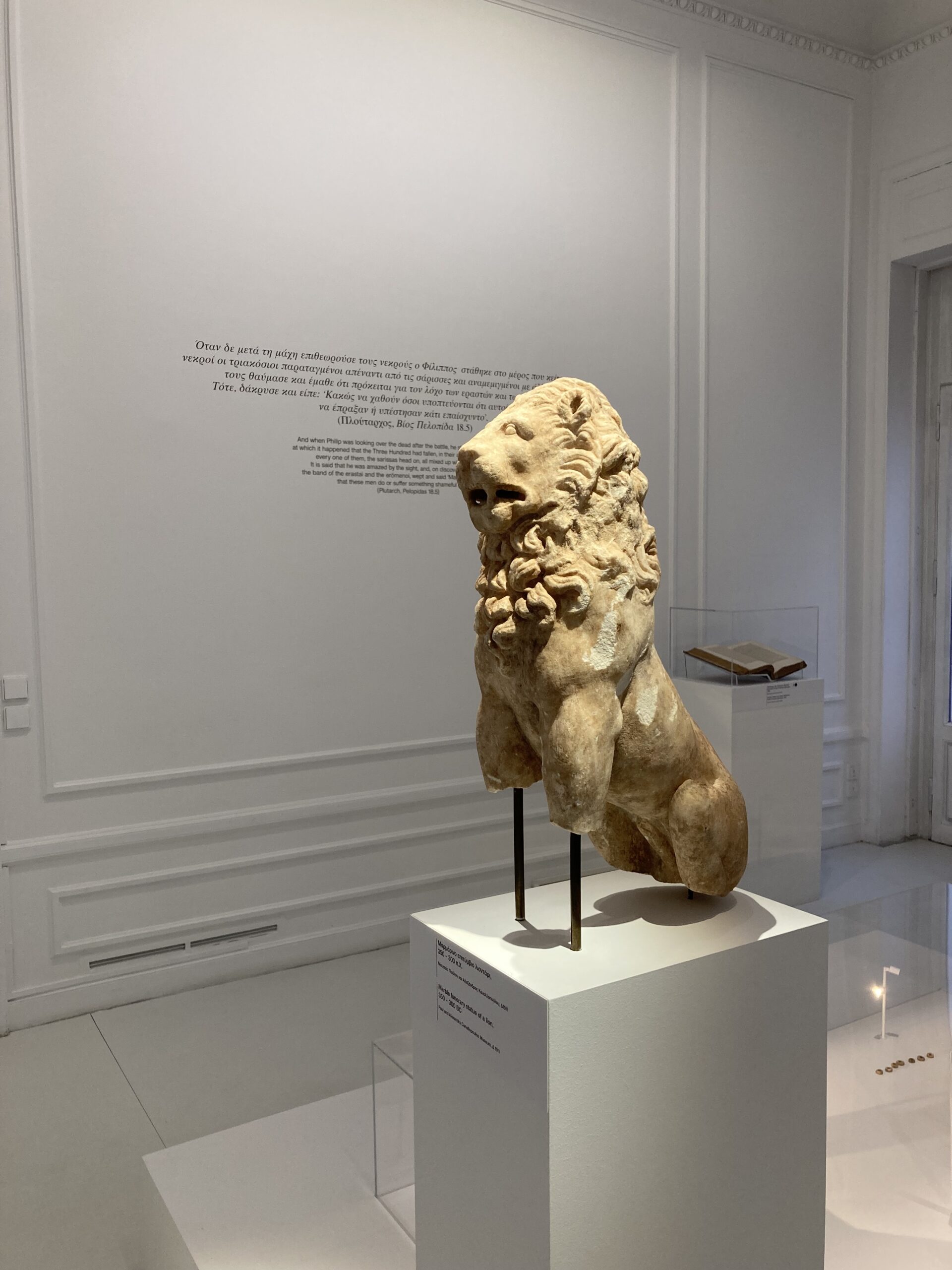
Two marble lions — one intimate, one monumental — guard the memory of ancient Greece’s fallen heroes, where the Battle of Chaeronea forever changed the course of Western civilization.
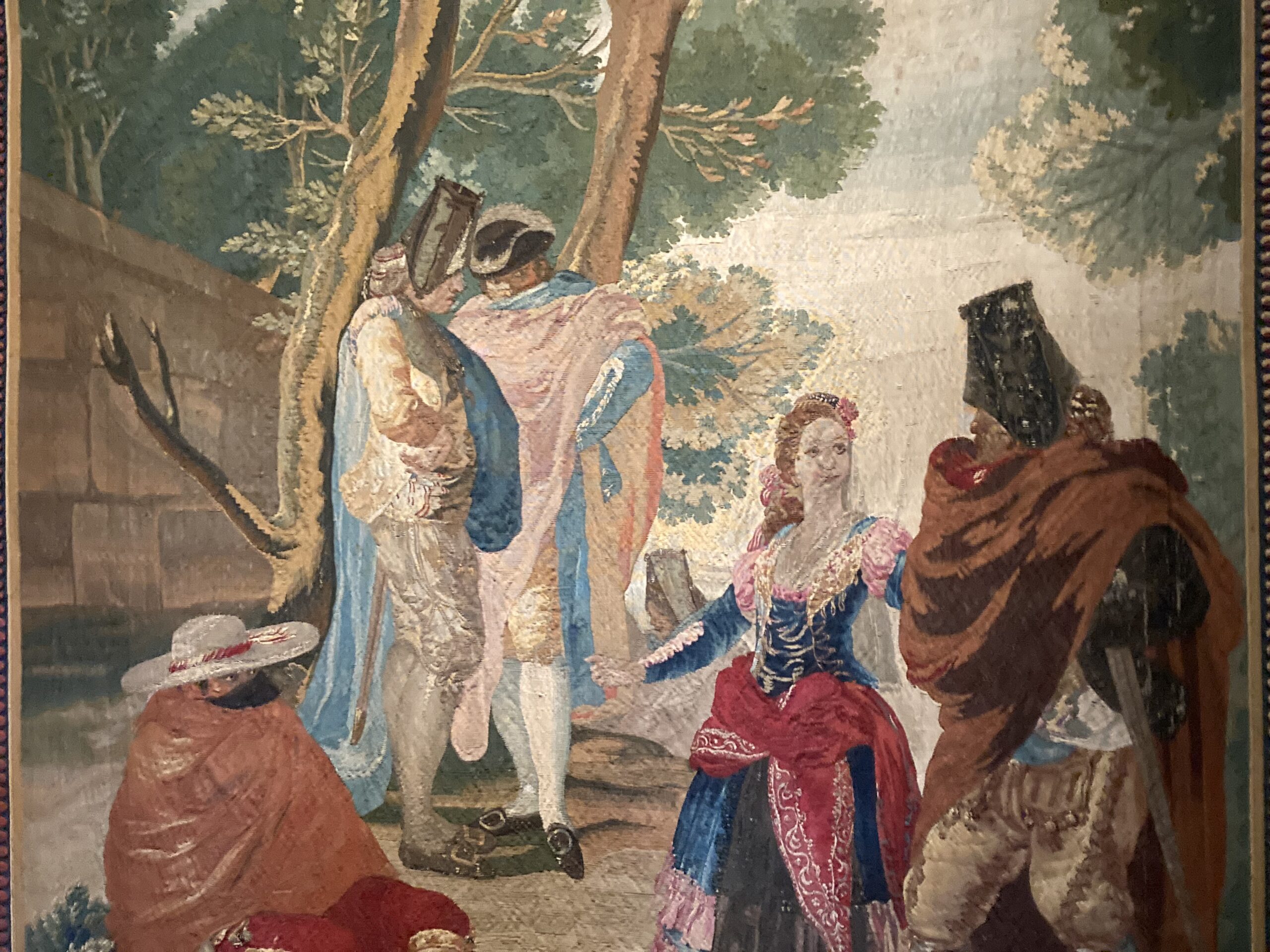
Goya’s vibrant tapestries — Andalusian majas, cloaked men, playing boys — bring 18th-century Spanish life gloriously alive within Santiago de Compostela Cathedral’s sacred, magnificent walls.
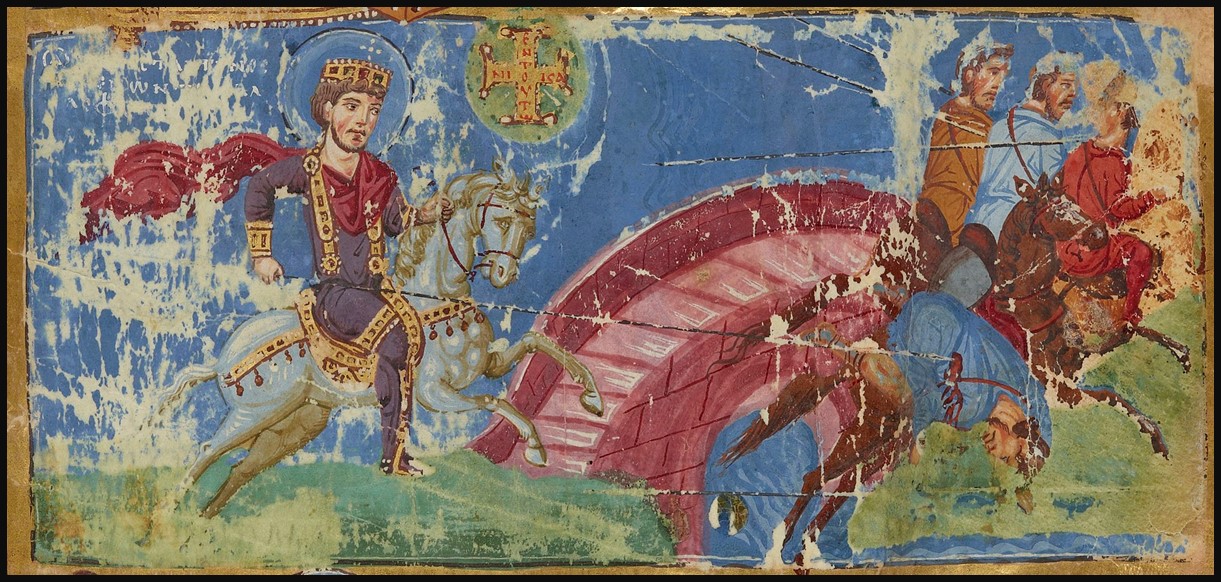
A luminous 9th-century Byzantine manuscript captures Constantine’s miraculous vision — In Hoc Signo Vinces — where divine light, imperial power, and Christianity’s extraordinary destiny dramatically converge.