Maestro Venceslao’s November fresco blazes with aristocrats hunting bear amid autumnal mountains, while Trento’s peasants quietly guard the gates — vivid, thunderous, and breathtakingly alive after six centuries.
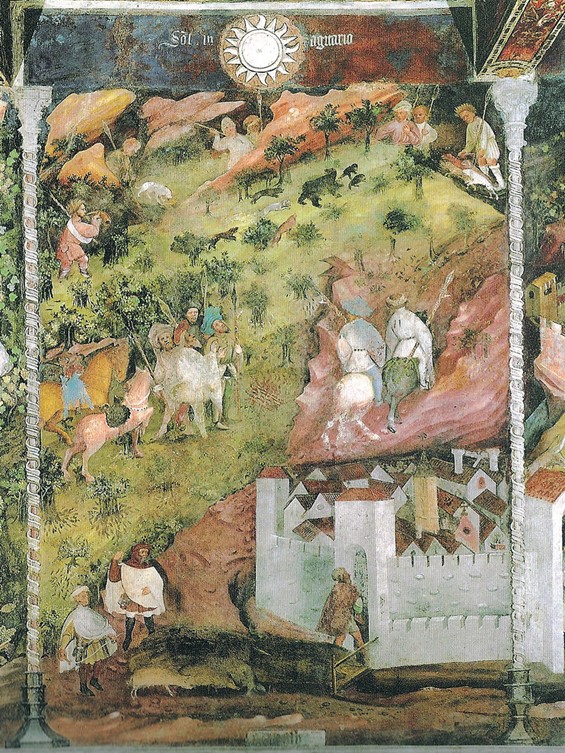
Maestro Venceslao’s November fresco blazes with aristocrats hunting bear amid autumnal mountains, while Trento’s peasants quietly guard the gates — vivid, thunderous, and breathtakingly alive after six centuries.
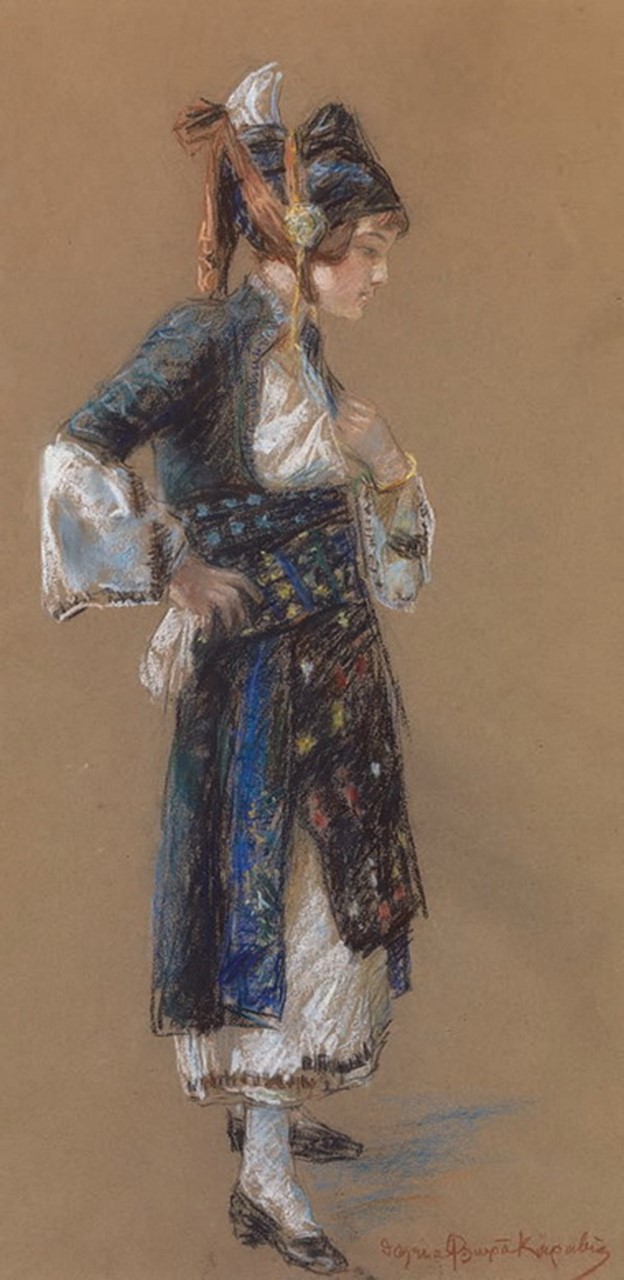
Pencils in hand, Thalia Flora-Karavia followed the Greek army through liberated Macedonia in 1912 — a woman defying every barrier to document war’s human face with extraordinary sensitivity.
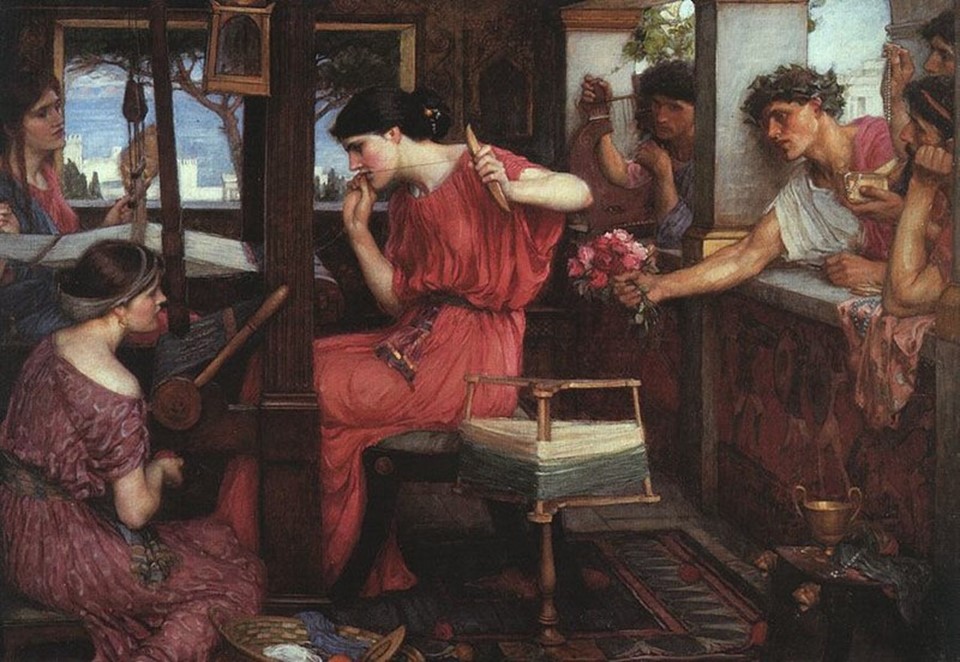
Louise Glück’s Meadowlands reimagines Homer through Penelope’s voice, echoing Waterhouse’s painting—where a single thread captures fidelity, tension, and the timeless complexity of waiting, weaving, and desire.
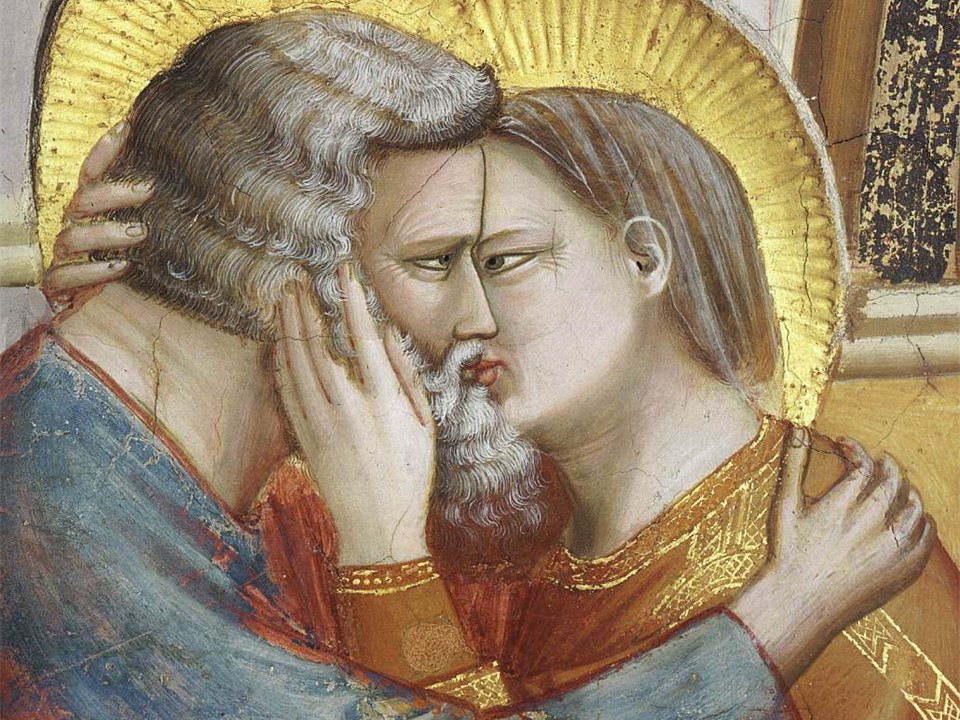
From Dante Alighieri to Pablo Picasso, Giotto di Bondone emerges as a transformative genius—surpassing Cimabue and redefining painting through lifelike vision and enduring influence.
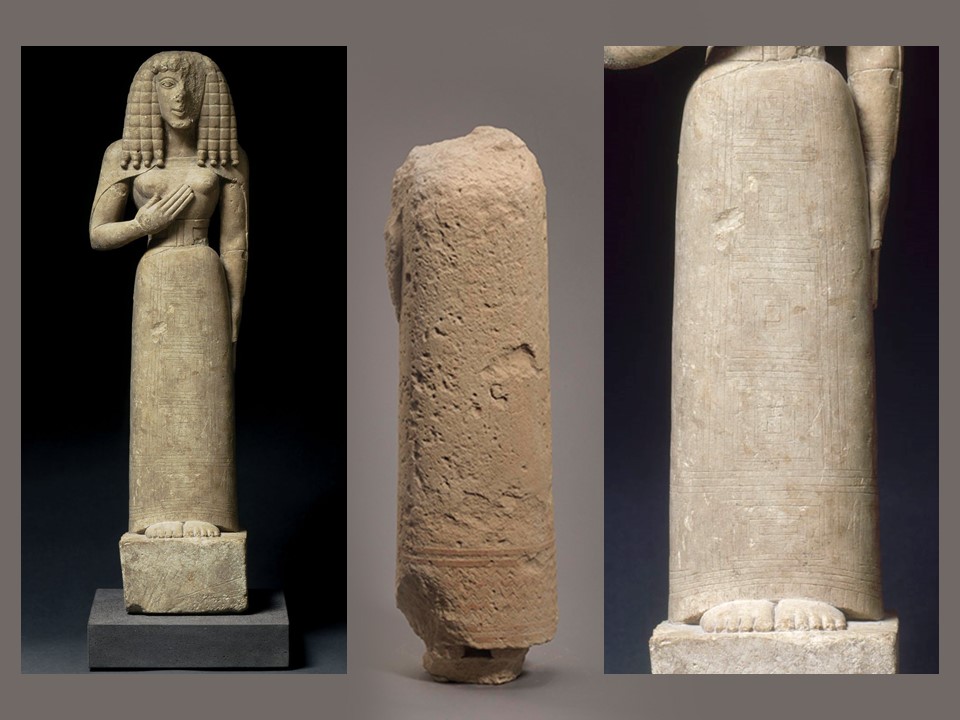
The “Daughters of Eleutherna,” as named by Nicholas Chr. Stampolidis, embody the Daedalic style’s striking frontality and stylization. Displayed at the Museum of Cycladic Art, they inspire inquiry-based learning through visual exploration and dialogue.
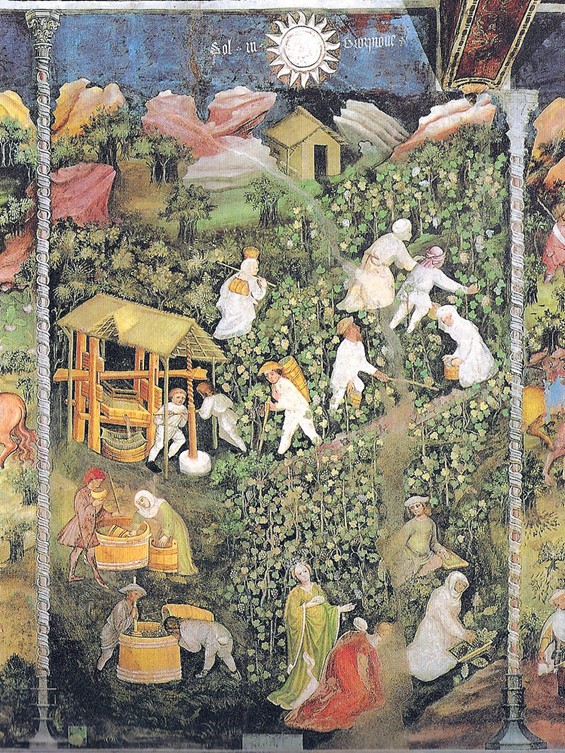
At Torre Aquila, Master Wenceslas captures October as a vibrant celebration of harvest, where labor, landscape, and lordly ambition blend into a joyful vision of prosperity.
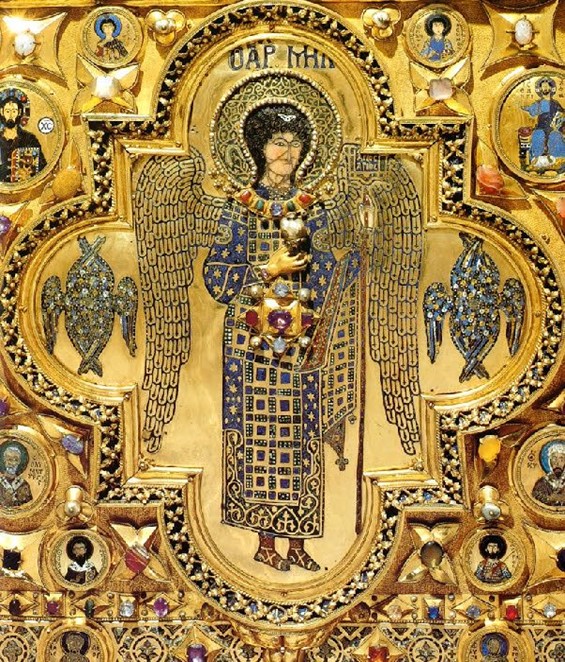
The luminous Pala d’Oro reflects Venice’s deep artistic ties with Constantinople, likely incorporating enamels from the Monastery of Pantokrator—a sacred imperial complex of devotion, charity, and dynastic memory.
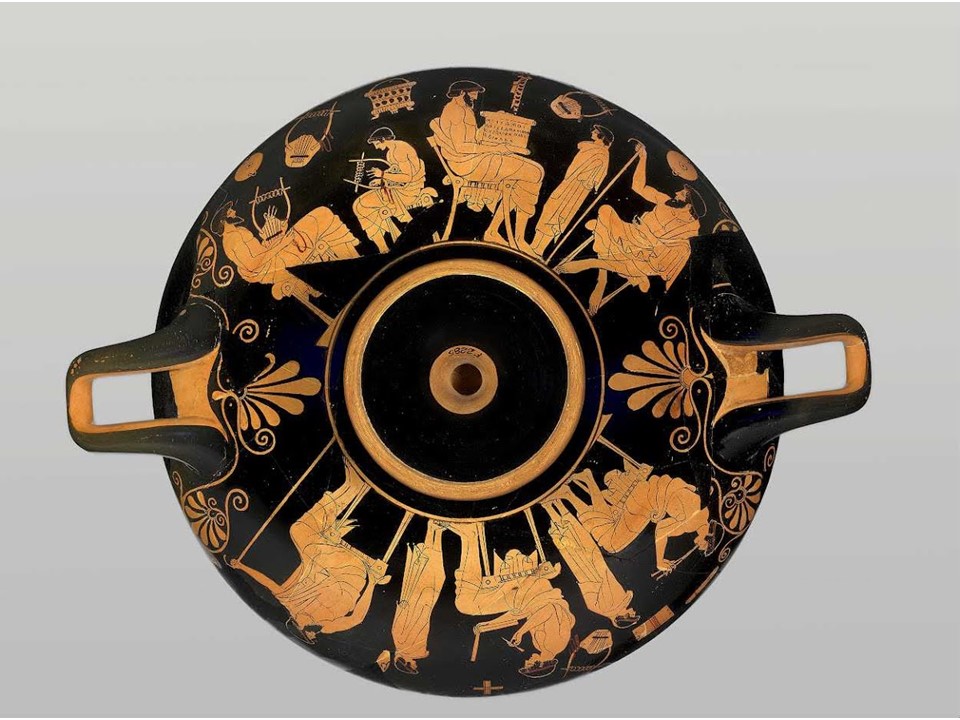
Inspired by Malala Yousafzai, this lesson uses a kylix by Duris Painter to explore ancient Greek education, connecting past classrooms with today’s enduring value of learning.
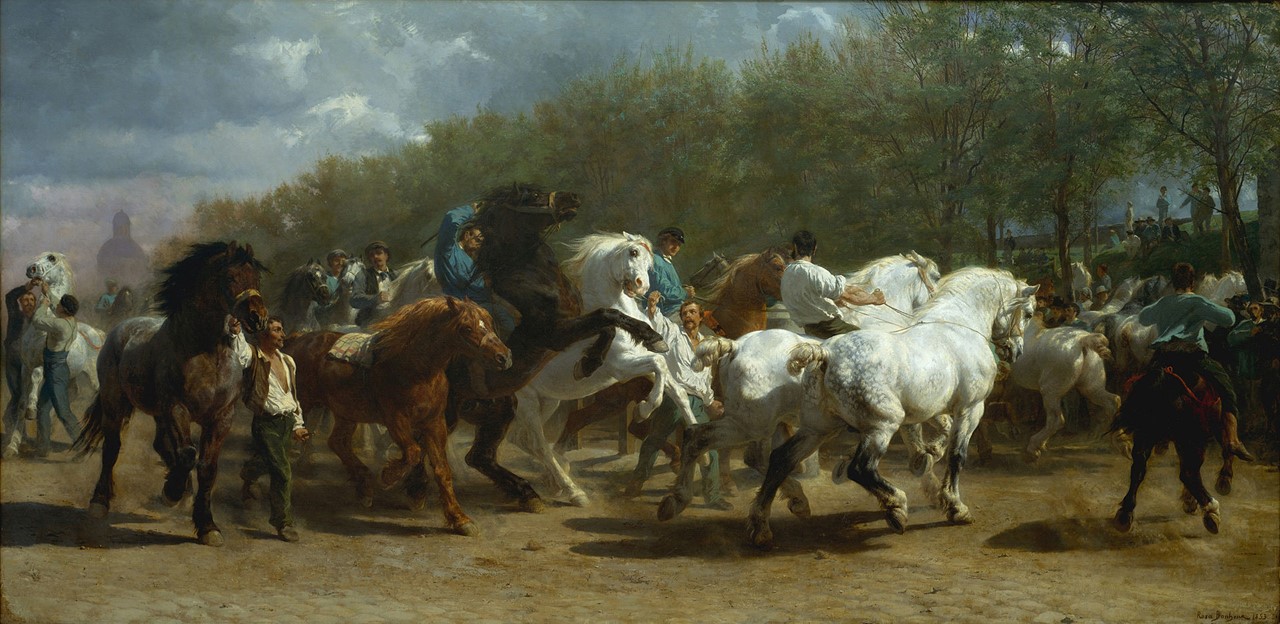
Rosa Bonheur defied convention to become a pioneering artist, transforming her love of animals into monumental works like The Horse Fair—a powerful testament to skill, independence, and artistic devotion.
The Monastery of Pantokrator, founded by John II Komnenos, reveals the Komnenian age’s imperial ambition through its monumental churches, hospital complex, and refined opus sectile decoration—fragments of a once magnificent sacred world.