The Alexandrian “Mischievous Dog” mosaic captures Hellenistic virtuosity at its finest: a tender, humorous moment rendered in Opus Vermiculatum, where light, shadow, and emotion transform a simple dog into living presence.
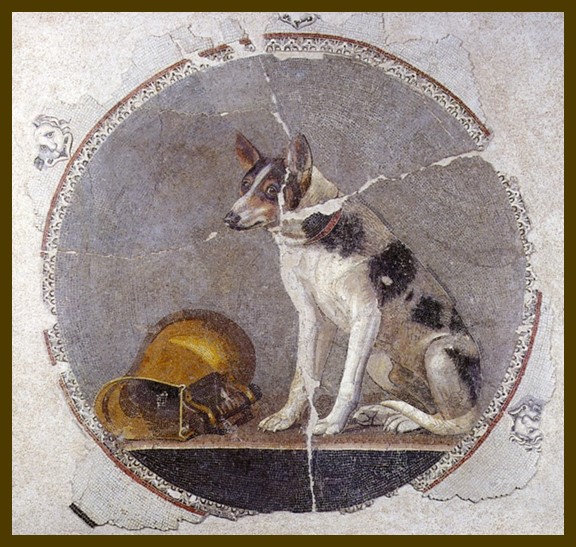
The Alexandrian “Mischievous Dog” mosaic captures Hellenistic virtuosity at its finest: a tender, humorous moment rendered in Opus Vermiculatum, where light, shadow, and emotion transform a simple dog into living presence.
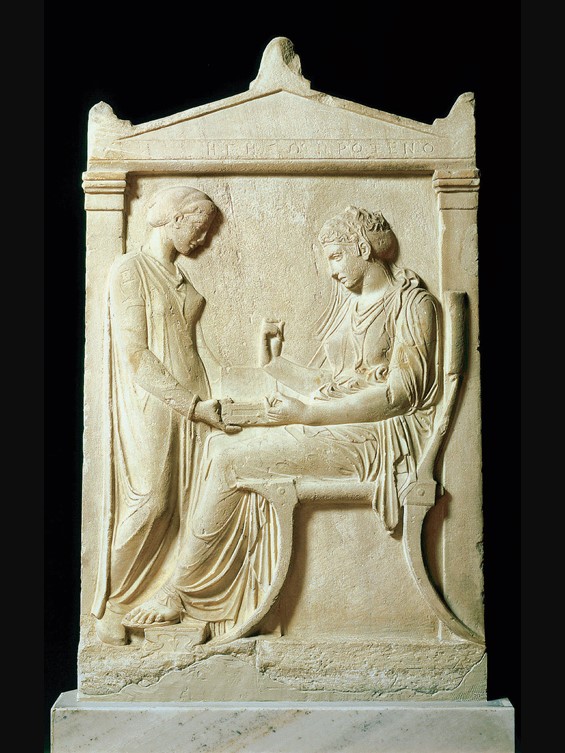
Hegeso’s magnificent 5th-century funerary stele, attributed to Kallimachos, captures an elegant Athenian woman in a timeless everyday moment — a graceful reminder that human life is fleeting and precious.
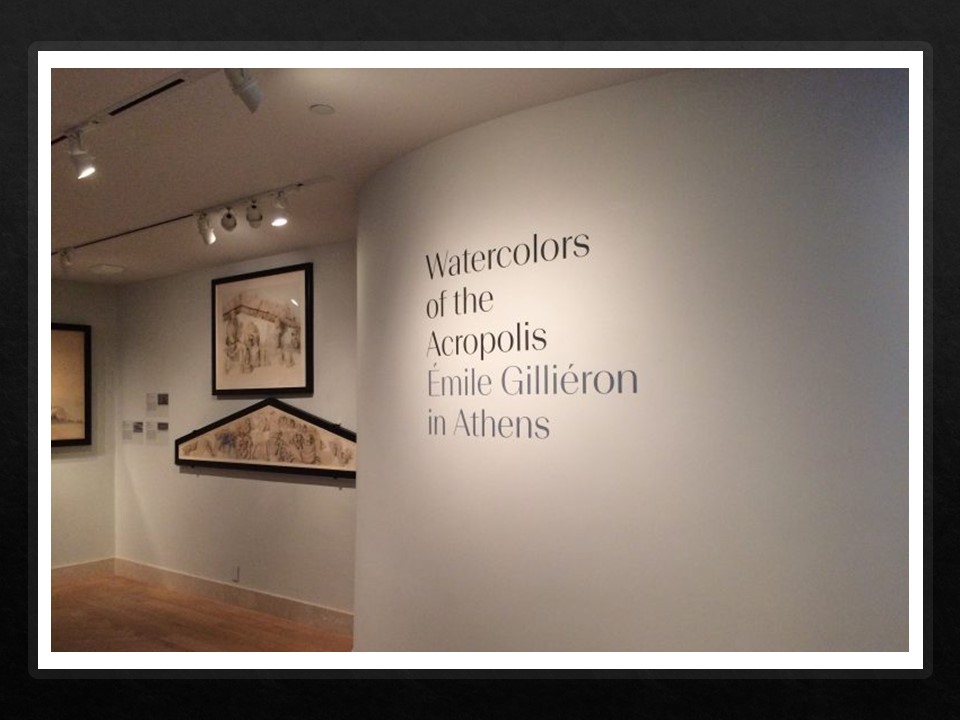
The Met’s Gilliéron watercolours revive early Acropolis discoveries in vivid colour, blending archaeology and artistic reconstruction to reveal how Archaic Greek sculpture once appeared in its original, polychrome splendour.
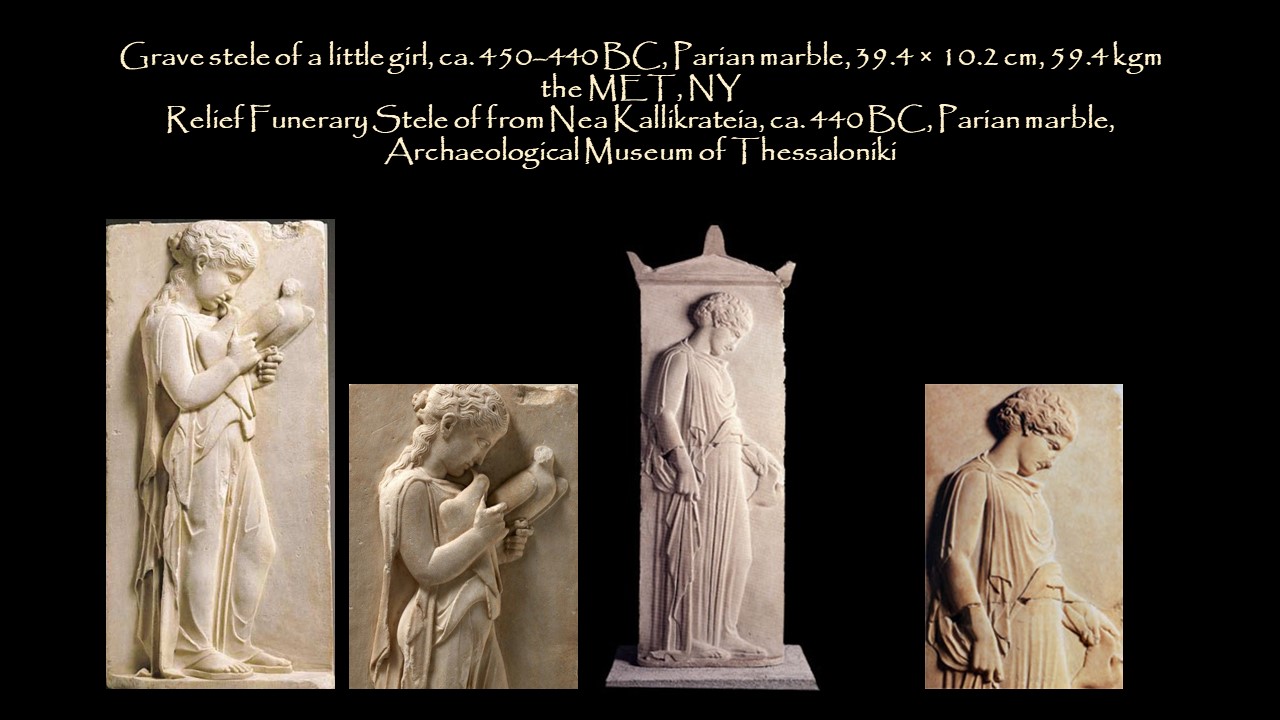
Graceful yet sorrowful, two ancient girls bid farewell, immortalized in Parian marble—tender gestures, delicate birds, and quiet emotion capturing timeless beauty and the poignancy of parting.
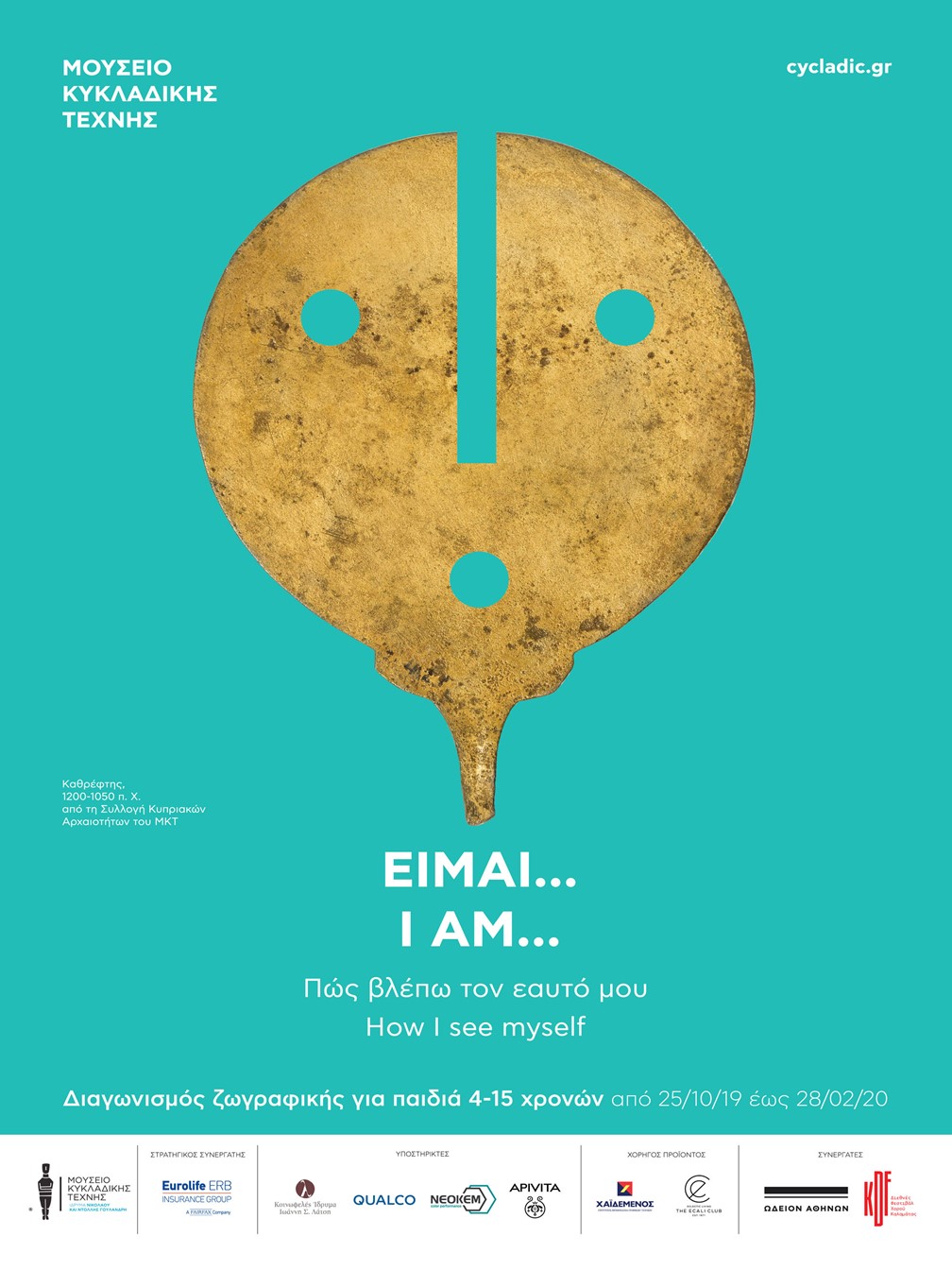
At the Museum of Cycladic Art, “I am… How I see myself” invites children to explore identity through ancient mirrors—blending creativity, history, and self-reflection in a growing artistic tradition.
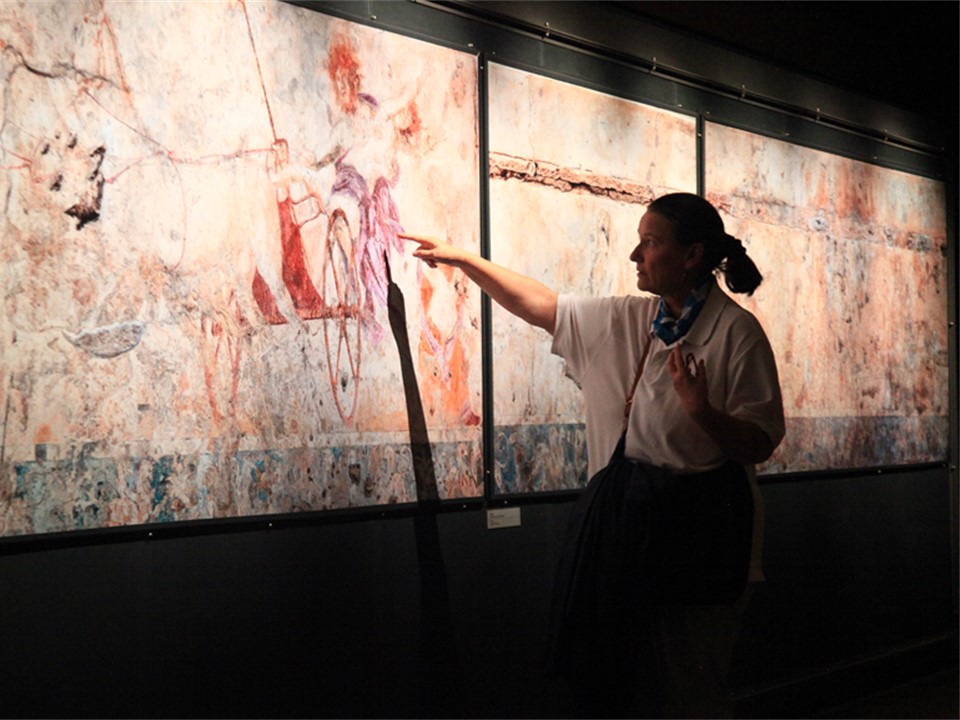
Aigai, ancient capital of Macedonia, reveals royal tombs, painted hunts, and mythic scenes—where students encounter history, art, and mythology in a landscape of enduring archaeological wonder.
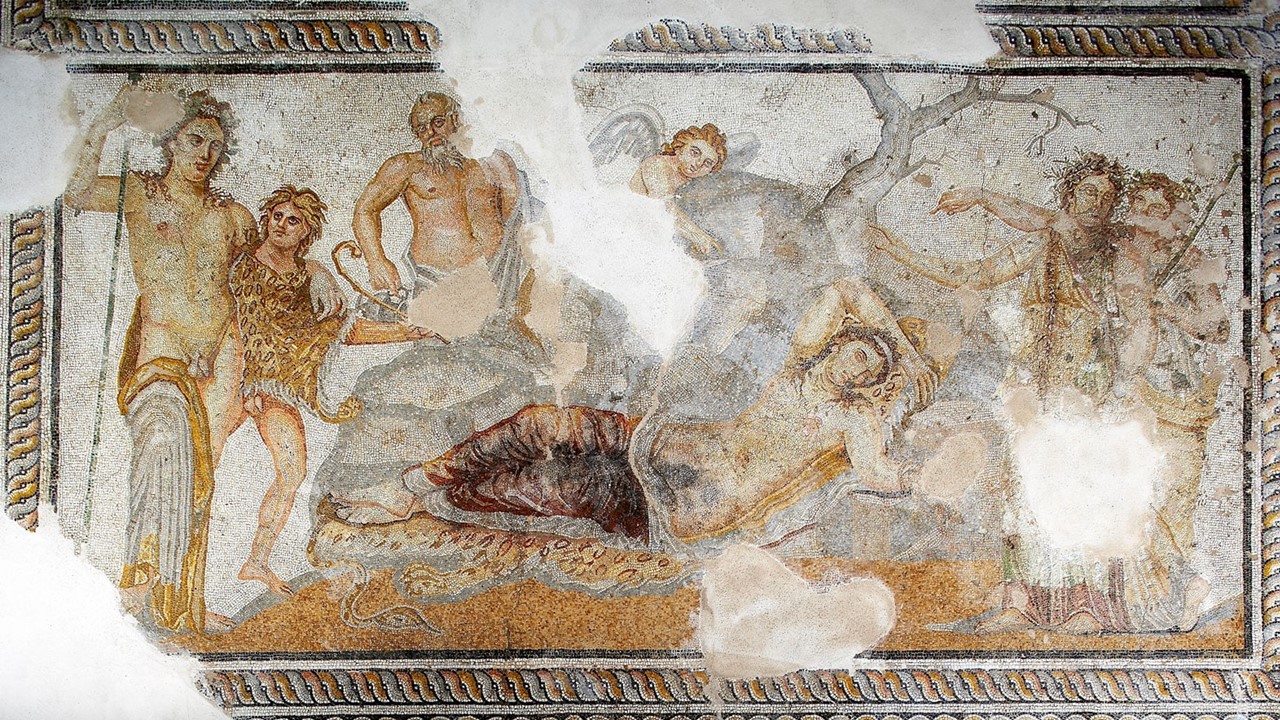
A Grade 6 Student Activity exploring the myth of Ariadne, where students research five artworks and creatively present her journey through love, betrayal, and myth across painting and sculpture.
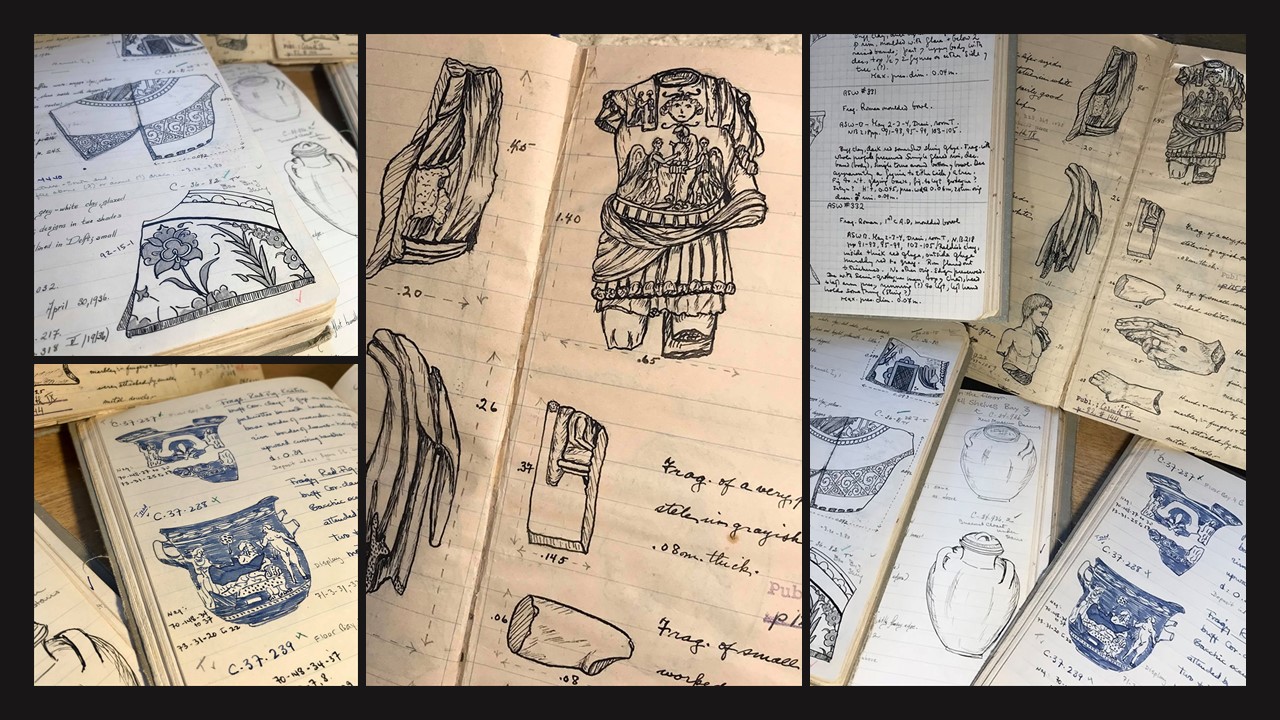
The carefully handwritten excavation records from the American School of Classical Studies at Athens, especially those from Corinth, preserve archaeology as both scholarship and quiet artistry—precise, tactile, and deeply human documentation of discovery.
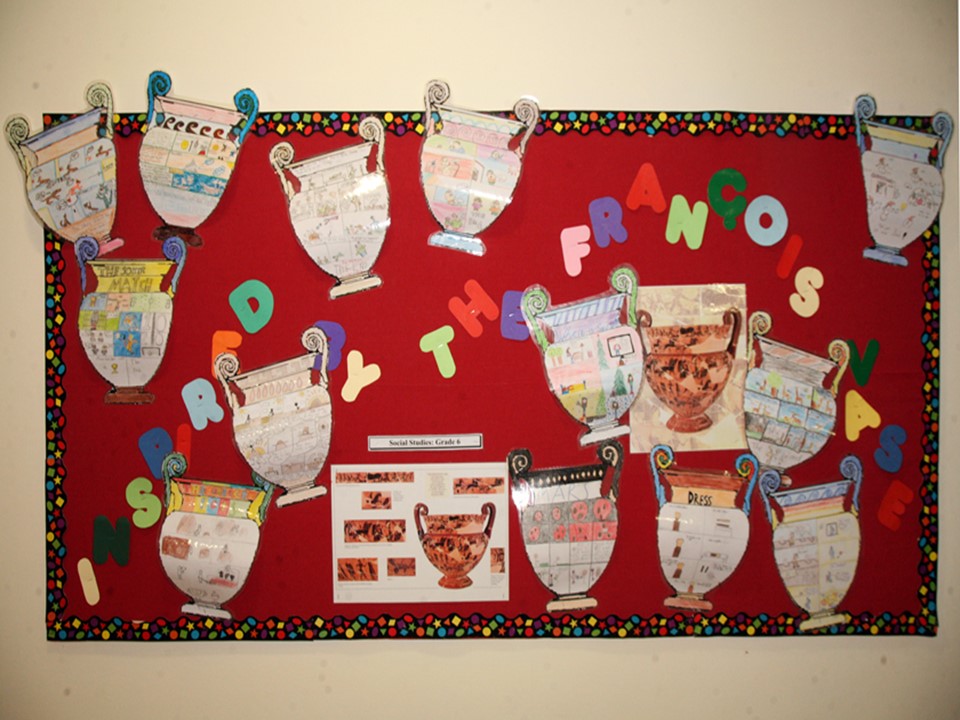
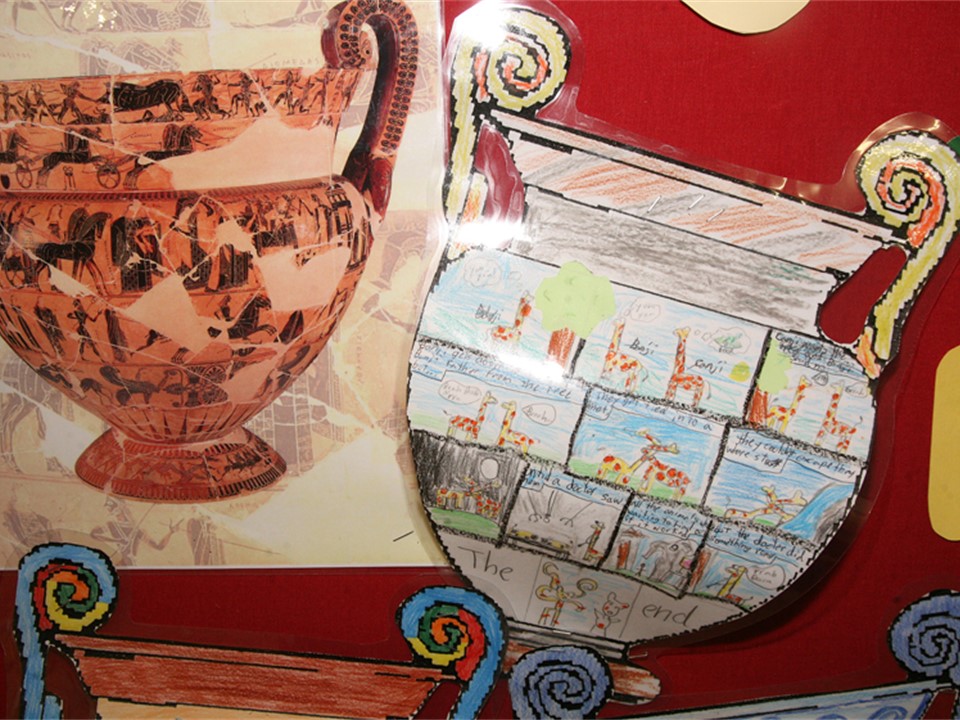
Inspired by the François Vase is a Grade 7 Activity my students enjoy doing!
François Vase is exhibited at the National Museum of Archaeology in Florence. It is “a large black-figure krater, a large vase in Ancient Greece believed to be used for watering down wine, from c. 570 BC. The design is fascinating and, if one looks carefully, you will find both the signature of the potter, Ergotimos and the painter, Kleitias. This krater is named the “François Vase” after the archaeologist who found it in 1844. ” https://www.visitflorence.com/florence-museums/maf-archeological-museum.html
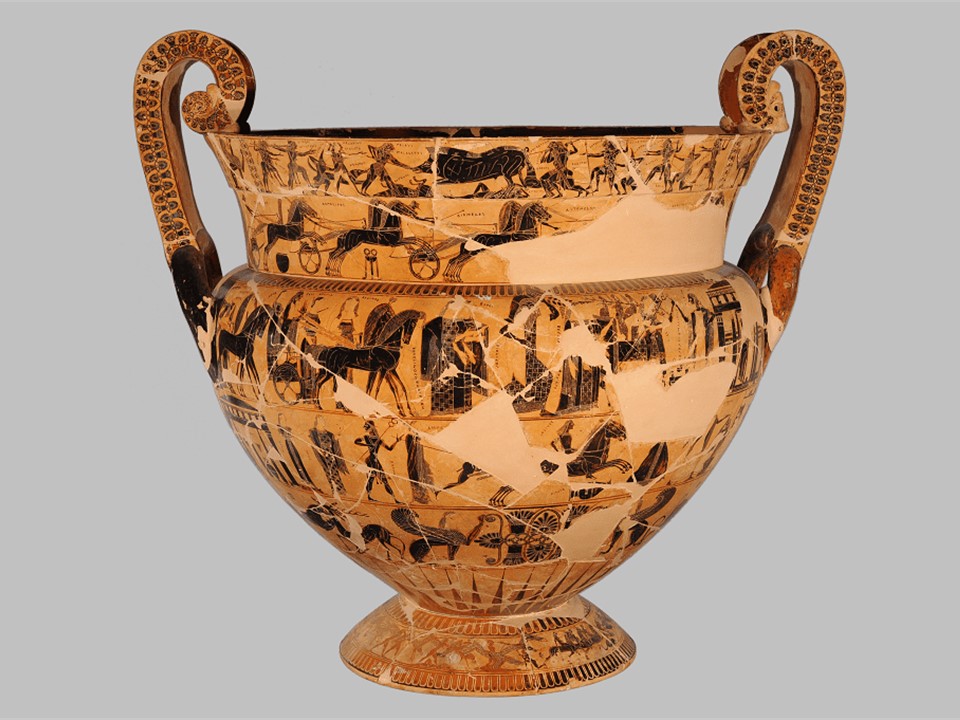
Instructions on what to do: During class, students are introduced to ancient Greek pottery, and more specifically the importance and characteristics of the François Vase. This Activity is based on the classroom lectures, student research on the subject, and ultimately student creativity and imagination. So, ……
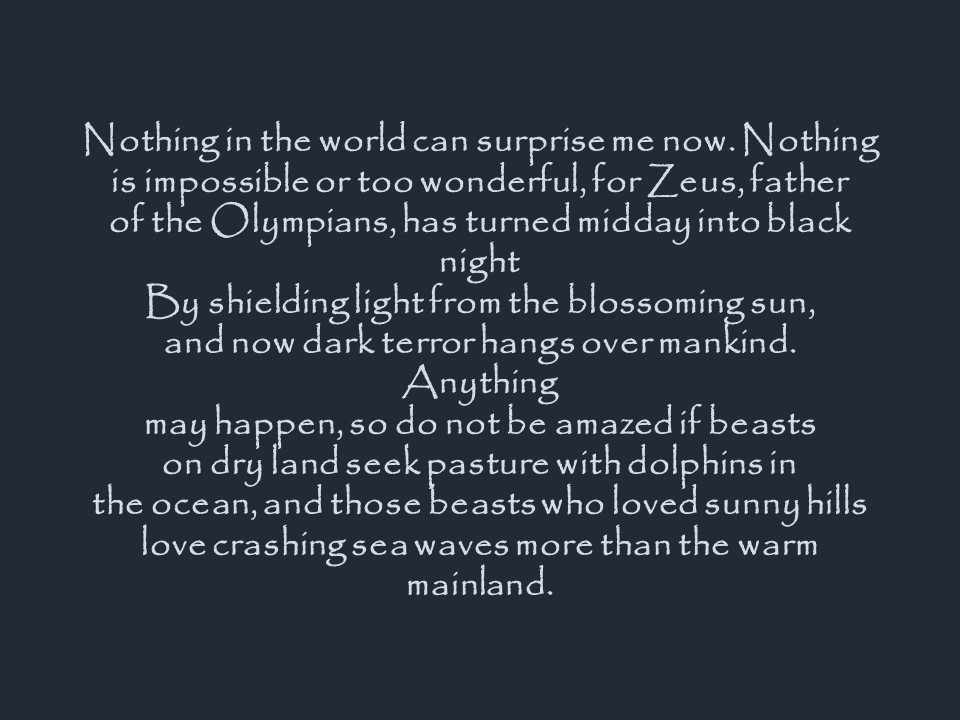
The PowerPoint, teachercurator has prepared, can be seen if you… Click HERE!
For more examples of student work… Click HERE!
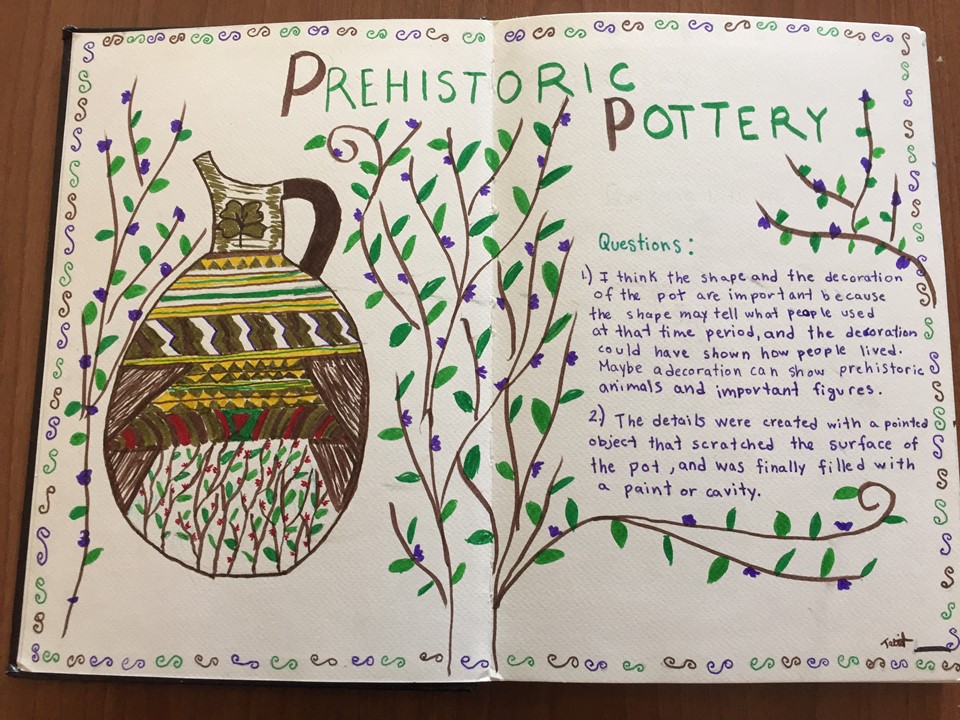
My Grade 6 Host Country Studies Class is on the History, Art and Culture of the city we live in, Thessaloniki, and our first RWAP (Research-Writing-Art-Project) is on the Prehistoric Pottery of Thessaloniki.
Archaeologists and Art Historians love Pottery! Even the smallest broken pieces, or sherds as they are called, indestructible as they have been for thousands of years, carry valuable information. They tell us how people lived, cooked, or stored their food, they show us ways of decoration and artistic expression. Pottery helps specialists date a site or relate an archaeological site to specific communities and groups of people. In other words, Pottery, humble as it might be, is of great value!
For information on the Stone Age and Greece in particular, go to http://www.thehistoryofancientgreece.com/2016/04/003-stone-age-greece.html
Prehistoric Pottery of Thessaloniki is a Topic and a Project that can be adapted for any Pottery period you explore in your class!
The Project should cover at least 2 pages in the student RWAP Sketchbook. RWAP stands for RESEARCH-WRITING-ART-PROJECT. I usually ask my students to buy an A4 Sketchbook and all RWAP Projects are done there. An alternative option is to use an A3 sized poster paper.
Each RWAP should include 4 parts: a. Title, b. Coloured or B/W copies of at least 2 artworks related to the topic of the Project, correctly identified, c. Writing, d. Art
For the Prehistoric Pottery of Thessaloniki Project, students are asked to:
a. Title: Think and then apply a representative Title for their Project
b. Research: Find photos of at least 2 Greek Prehistoric Potteries, photocopy them, and use them in their RWAP Sketchbook, correctly identified.
c. Writing: Answer the following questions: 1. Which is more important, the shape of the vase or the decoration? Why do you think so? 2. How were the details of the vases created: with paint or by some other means? Look closely and try to identify patterns in the decoration.
d. Art: Become a prehistoric pottery maker! There is so much to get you inspired!!! BE CREATIVE!
The Archaeological Museum of Thessaloniki site is quite informative https://www.amth.gr/en/exhibitions/permanent-exhibitions/prehistoric-macedonia
For student RWAP Sketchbooks… Click HERE!