Master Wenceslas’s vibrant April fresco at Trento’s Torre Aquila captures a flourishing 15th-century spring — farmers, elegant ladies and fertile landscapes celebrating nature’s awakening under wise governance.
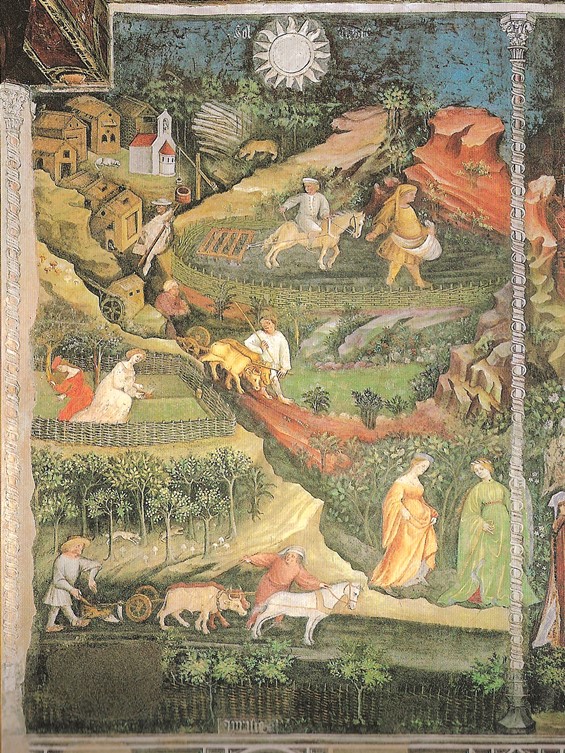
Master Wenceslas’s vibrant April fresco at Trento’s Torre Aquila captures a flourishing 15th-century spring — farmers, elegant ladies and fertile landscapes celebrating nature’s awakening under wise governance.
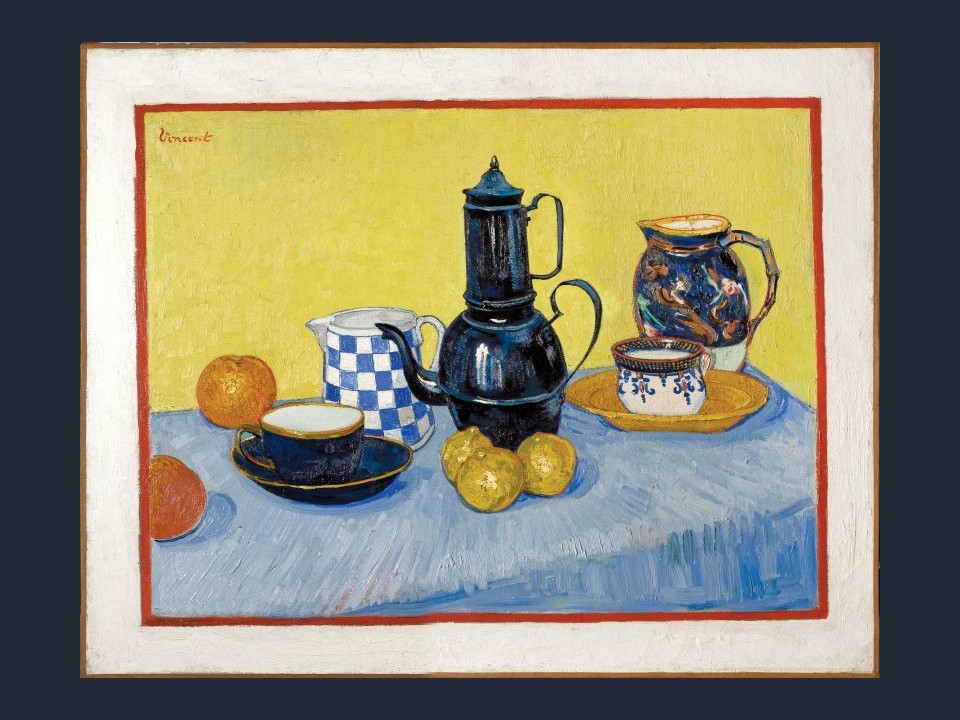
Van Gogh’s Still Life à la cafetière, a symphony of blues, yellows and oranges, showcases his extraordinary mastery of colour — transforming humble everyday objects into vibrant, moving art.
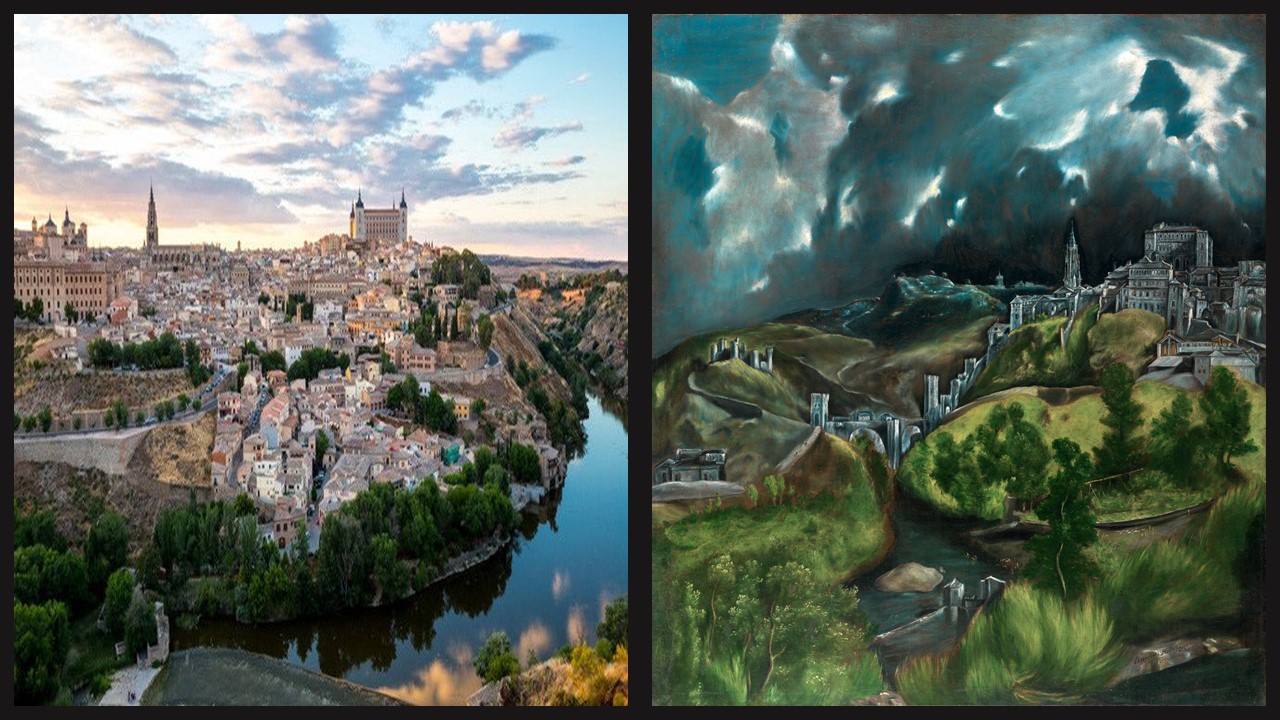
Dedicated to Juan, fighting COVID-19 in Spain — discover happiness within through a virtual Toledo weekend, meeting El Greco’s genius, from the comfort of your home.
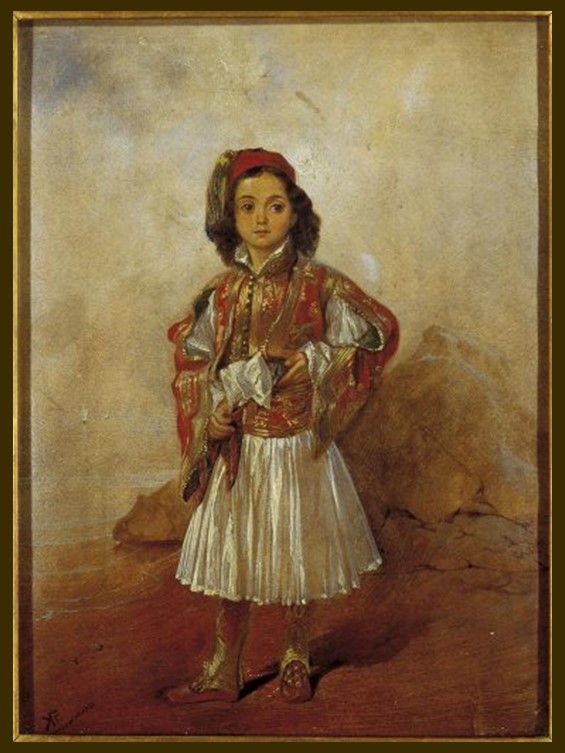
Celebrating Greece’s War of Independence Bicentennial — honouring the revolutionary fighters of 1821 who sacrificed everything, so future generations could live in freedom and dignity.
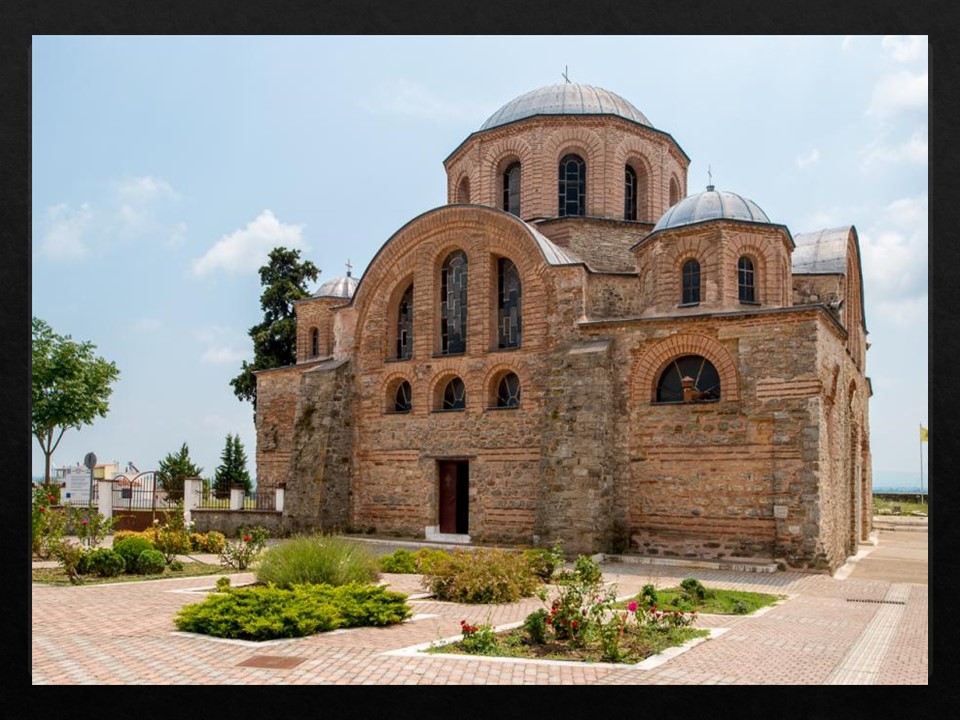
Founded by Sevastokrator Isaakios Komnenos in 1152, Panagia Kosmosotira in Feres stands as a magnificent Byzantine treasure — his final resting place, adorned with exquisite 12th-century Constantinopolitan frescoes.
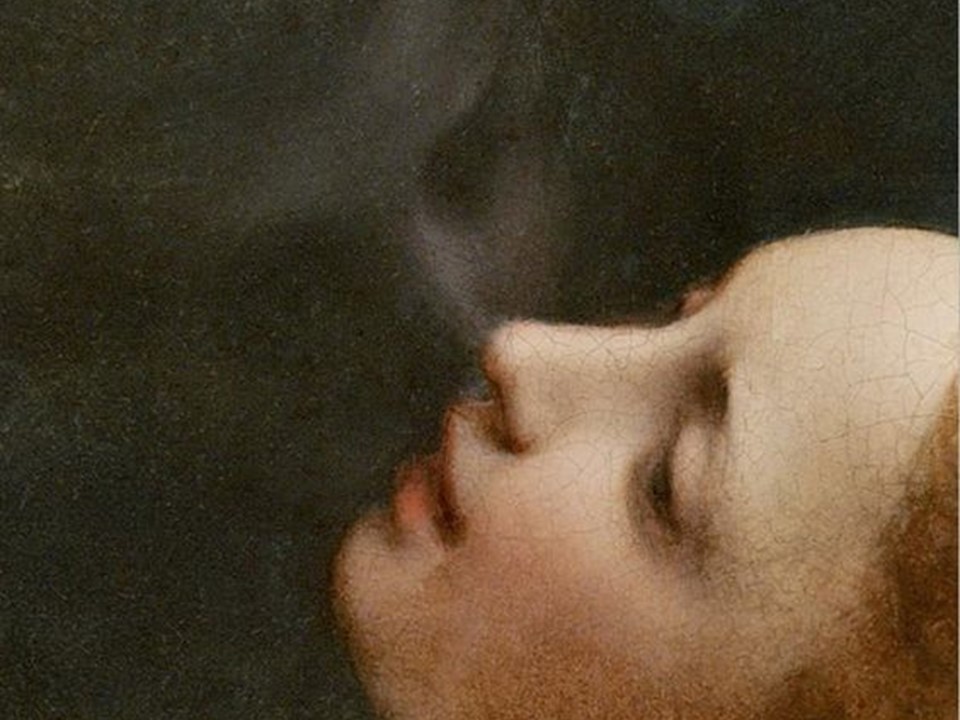
Correggio’s Jupiter and Io masterfully twists Renaissance harmony into Mannerist excitement — Io’s sensuous, entwining body against Zeus’s dark cloud creating an unforgettable contrast of texture, colour and desire.
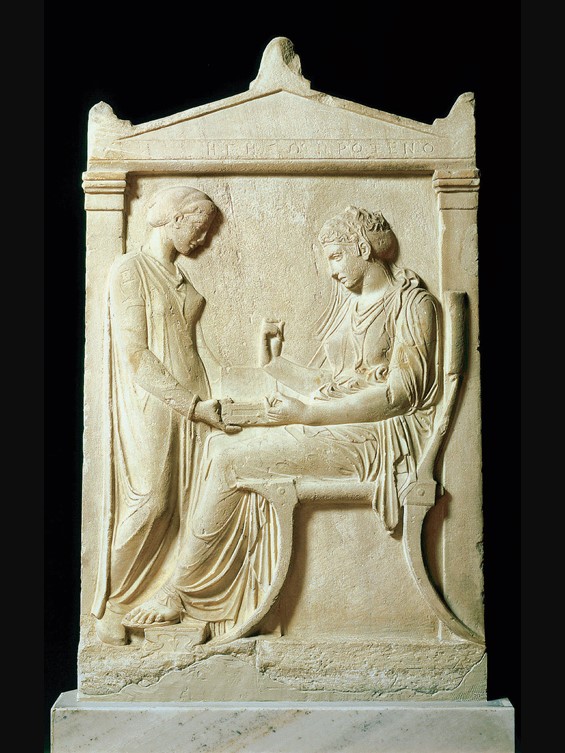
Hegeso’s magnificent 5th-century funerary stele, attributed to Kallimachos, captures an elegant Athenian woman in a timeless everyday moment — a graceful reminder that human life is fleeting and precious.
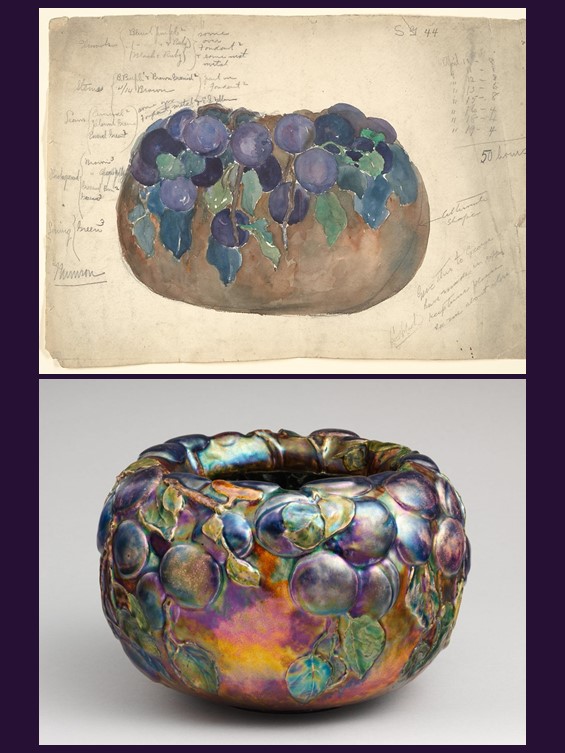
Tiffany’s luminous enamel-on-copper bowl, crafted by Julia Munson’s all-women workshop, dazzles with three-dimensional plums among leaves — a rare, shimmering masterpiece of extraordinary craftsmanship and organic beauty.
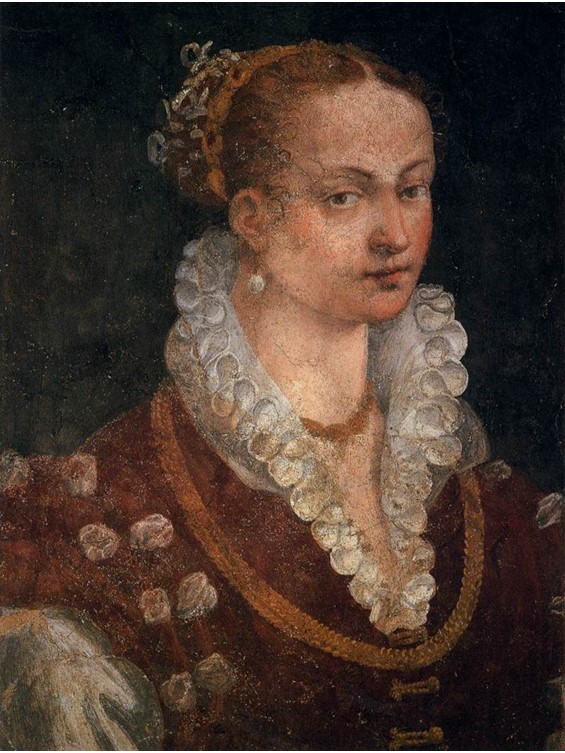
Born Venetian nobility, Bianca Cappello chose passion over propriety, rising dramatically to become Grand Duchess of Tuscany — beloved, powerful, and controversial until her mysterious death alongside Francesco de’ Medici.
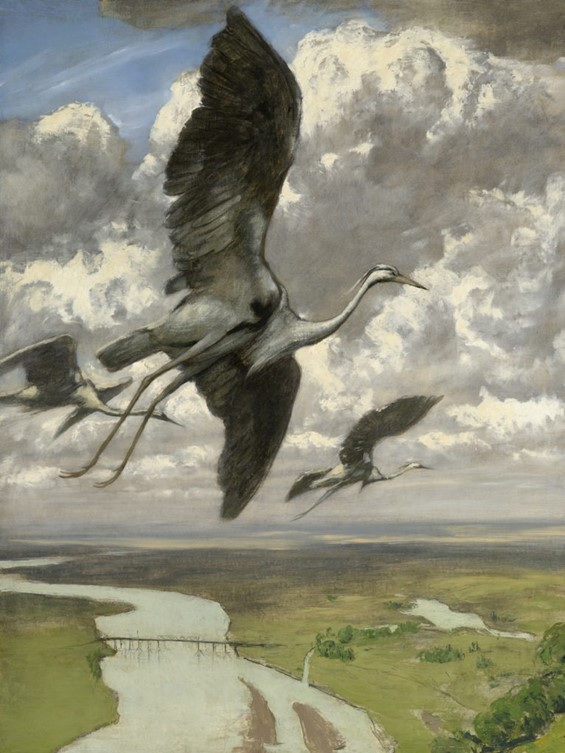
Hans Thoma’s distinctive Romantic Realism — deeply rooted in nature’s idyllic grandeur, inspired by Courbet and Renaissance masters — created a uniquely personal artistic vision, bridging German tradition and timeless natural beauty.