The Joshua Roll is a rare Byzantine illuminated manuscript in scroll form, blending classical Hellenistic style with imperial ideology to narrate Joshua’s conquests as a celebration of divine and military triumph.
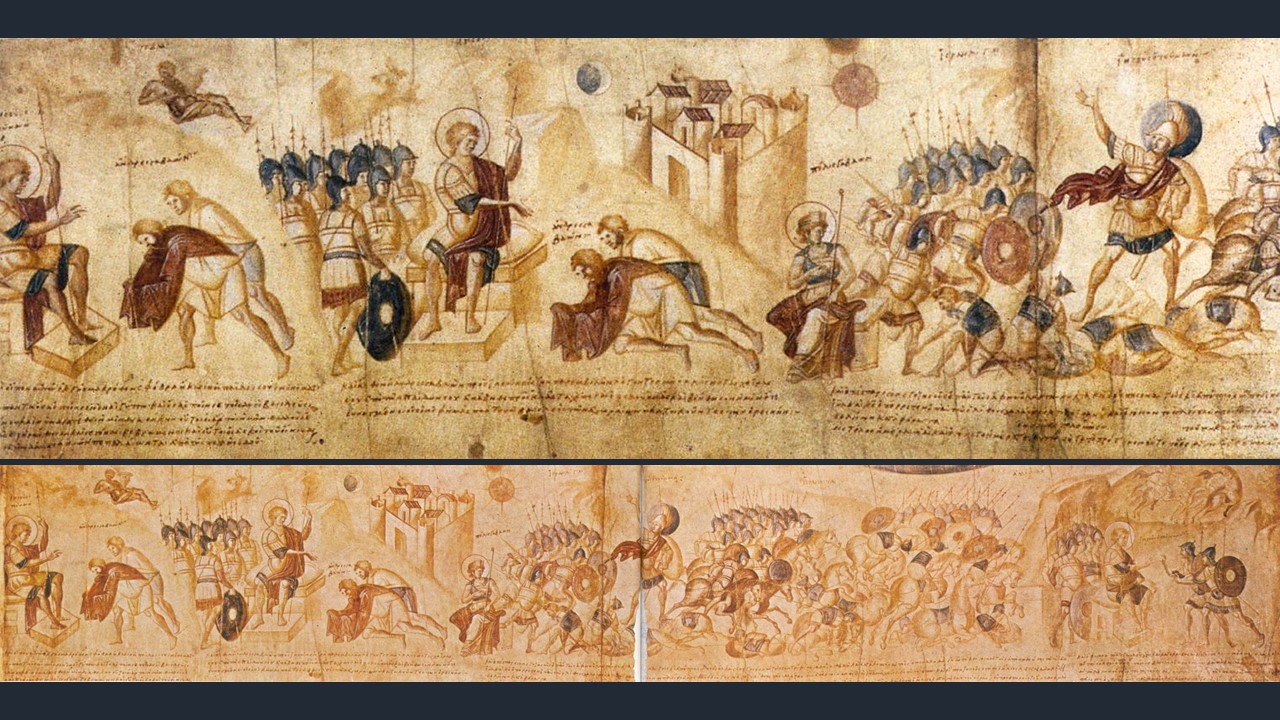
The Joshua Roll is a rare Byzantine illuminated manuscript in scroll form, blending classical Hellenistic style with imperial ideology to narrate Joshua’s conquests as a celebration of divine and military triumph.
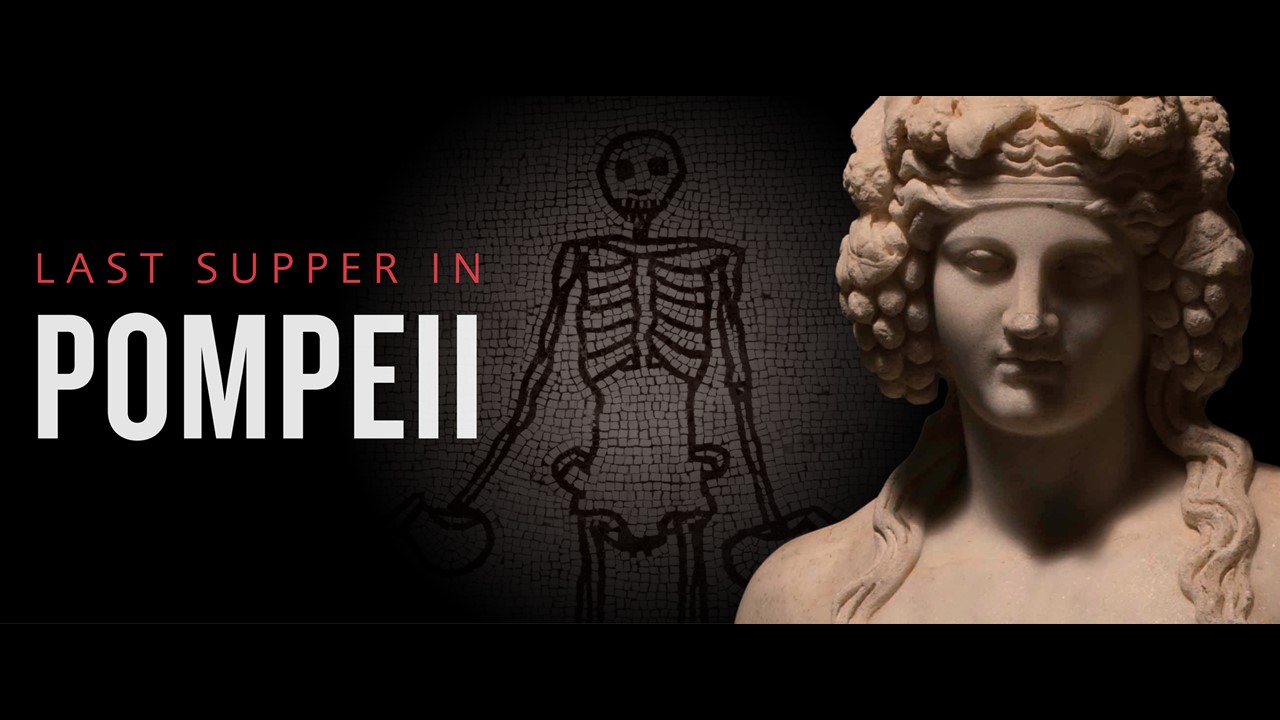
The Last Supper in Pompeii exhibition explores Roman food culture through vivid frescoes, mosaics, and artefacts, revealing everyday banquets and civic generosity in the richly preserved world of ancient Pompeii.
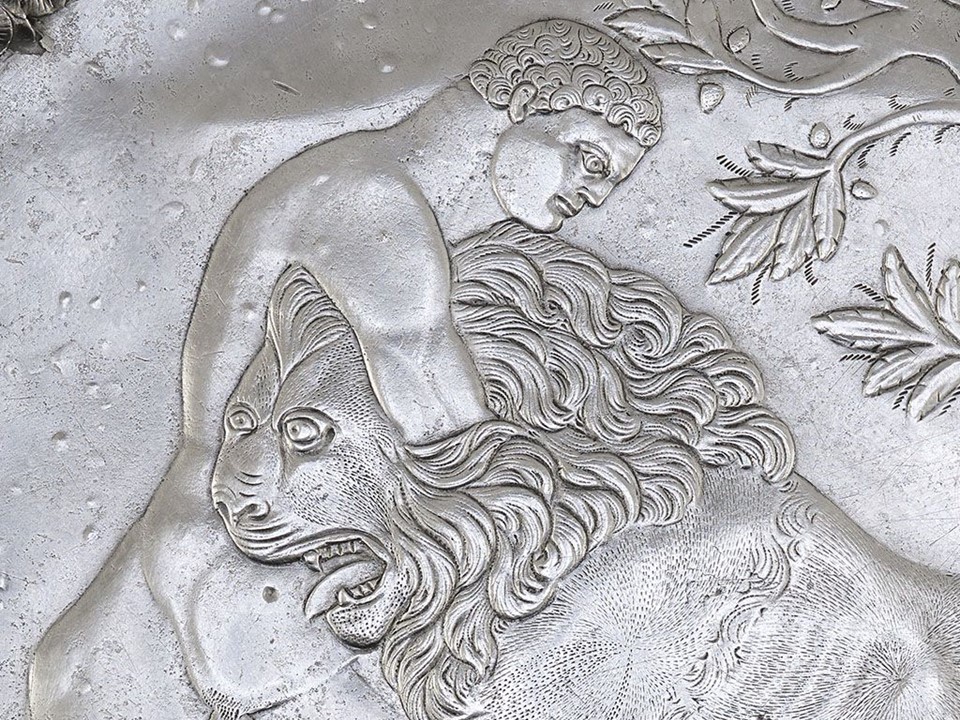
The Byzantine silver plate of Hercules and the Nemean Lion showcases late antique mastery, merging mythological power and refined craftsmanship in a dynamic composition of strength, tension, and classical elegance.
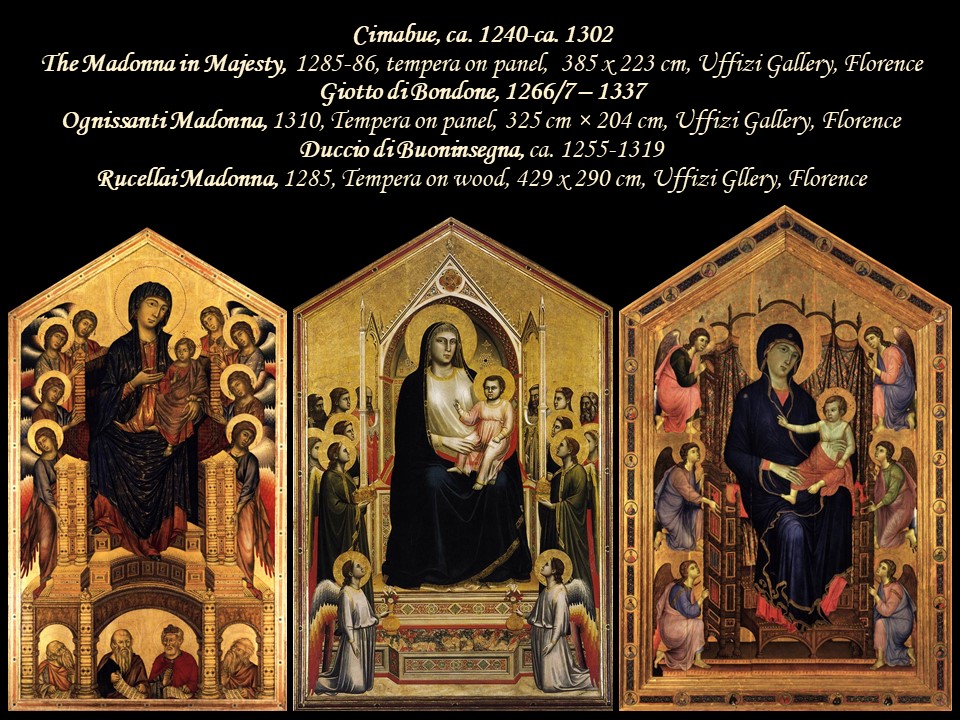
Cimabue, Giotto, and Duccio mark the shift from Byzantine tradition to early Renaissance naturalism, where painting begins to explore space, emotion, and human presence with unprecedented realism and spiritual depth.
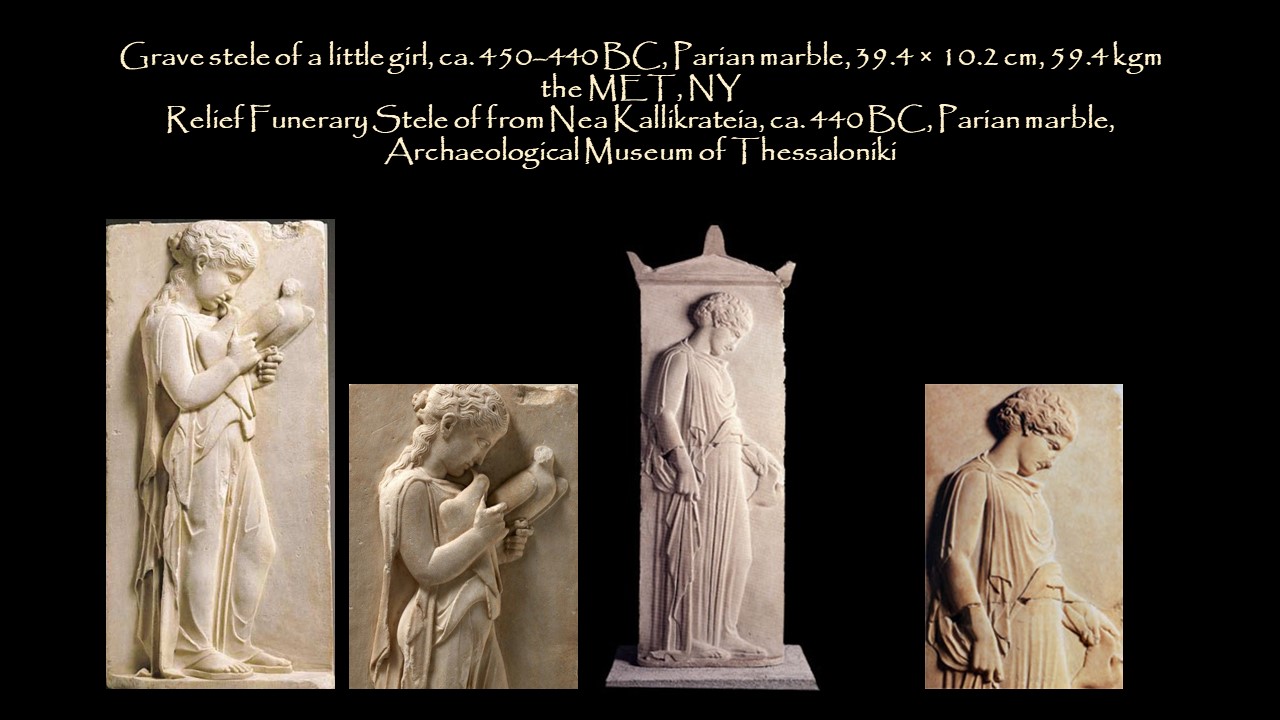
Graceful yet sorrowful, two ancient girls bid farewell, immortalized in Parian marble—tender gestures, delicate birds, and quiet emotion capturing timeless beauty and the poignancy of parting.
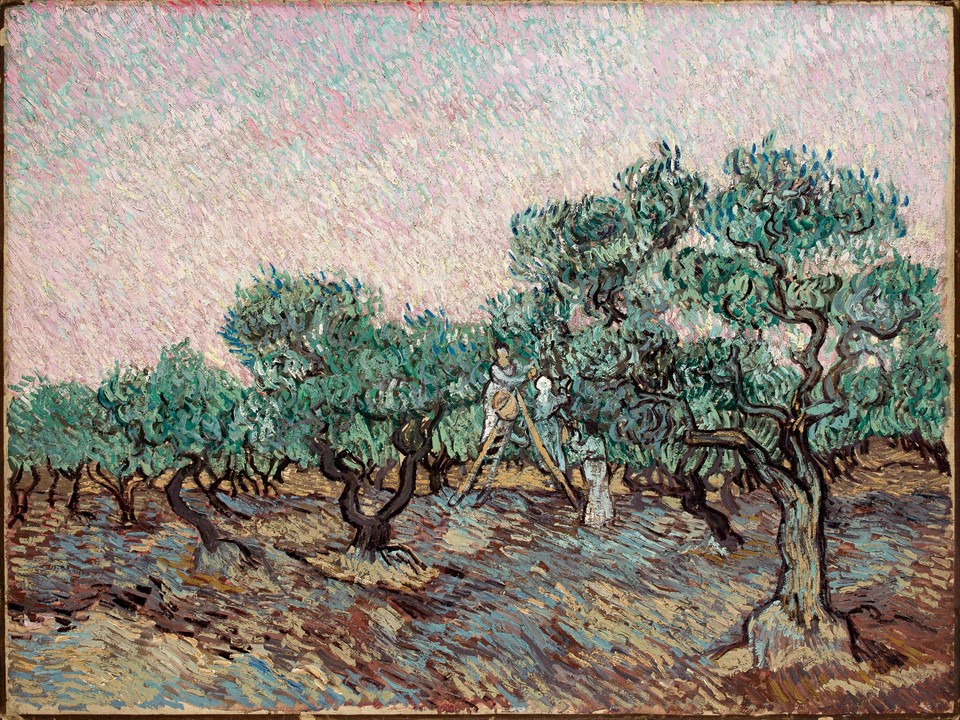
Inspired by Vincent van Gogh’s love for olive trees, young students explored their magic—through myth, harvest, taste, and art—discovering the olive tree as a timeless symbol of life, learning, and gratitude.
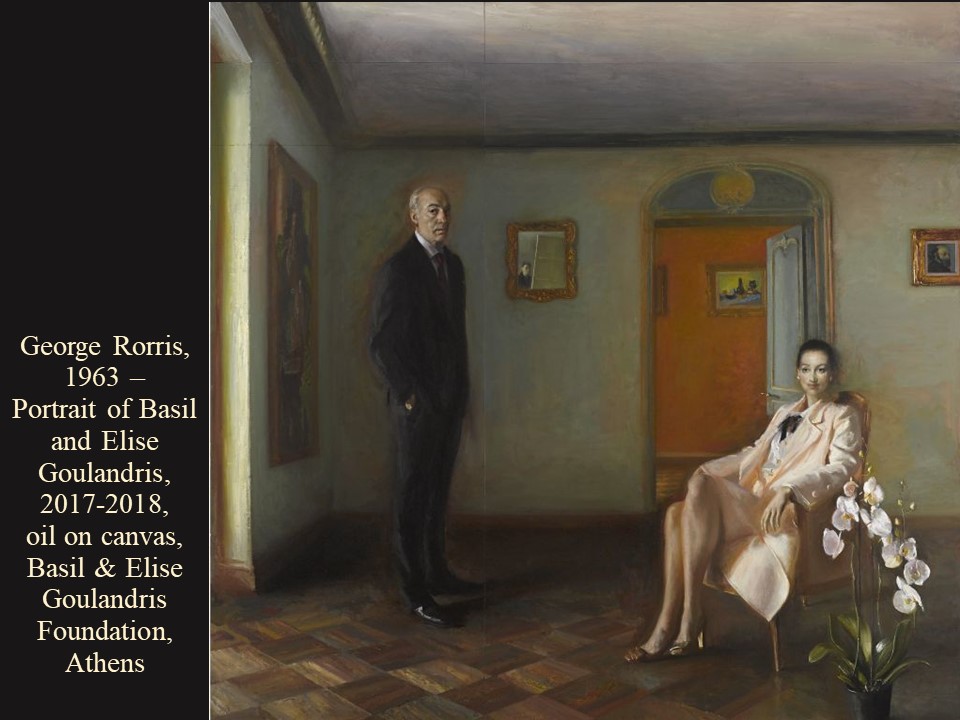
At the Basil and Elise Goulandris Foundation, George Rorris’s portrait captures the collectors’ elegance and passion—an intimate, enigmatic introduction to a collection they cherished like family.
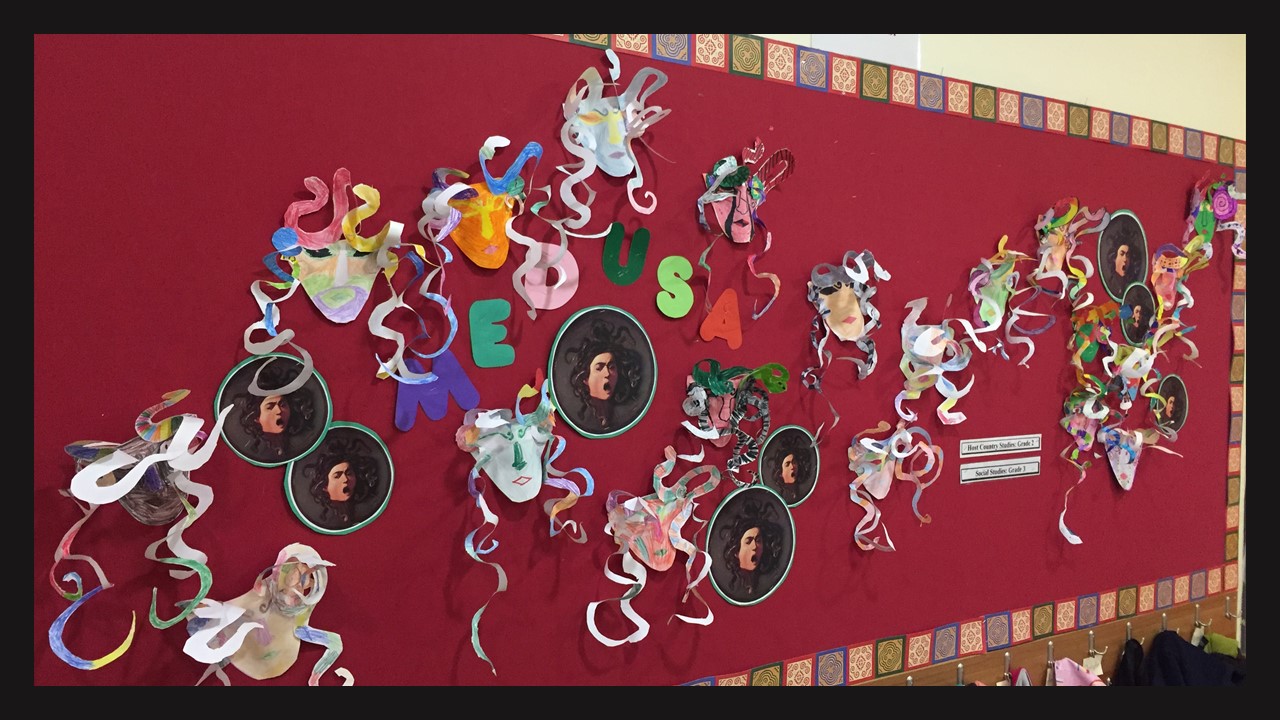
From beauty to terror, Medusa’s myth unfolds through Ovid and Caravaggio—a haunting tale of transformation, heroism, and the enduring power of her petrifying gaze.
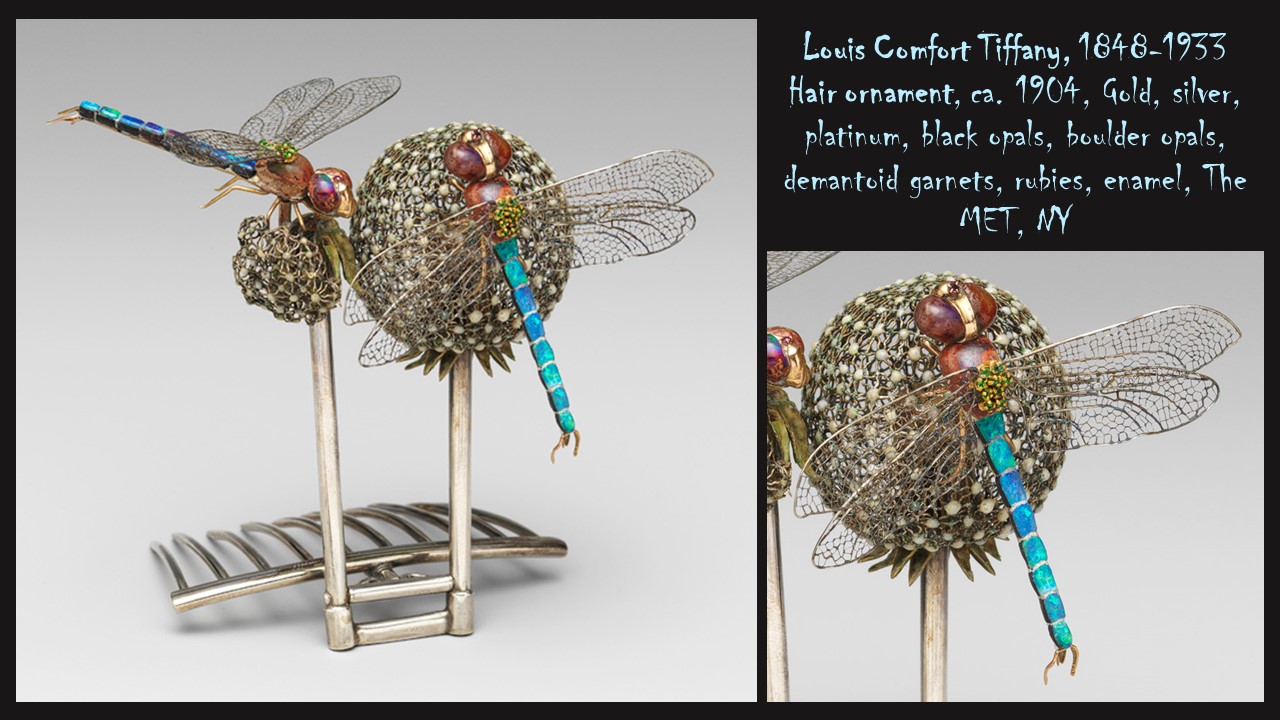
Inspired by nature’s fleeting beauty, Louis Comfort Tiffany’s dragonfly hair ornament captures fragility, luminosity, and exquisite craftsmanship—an Art Nouveau jewel where delicate forms celebrate life’s ephemeral grace.
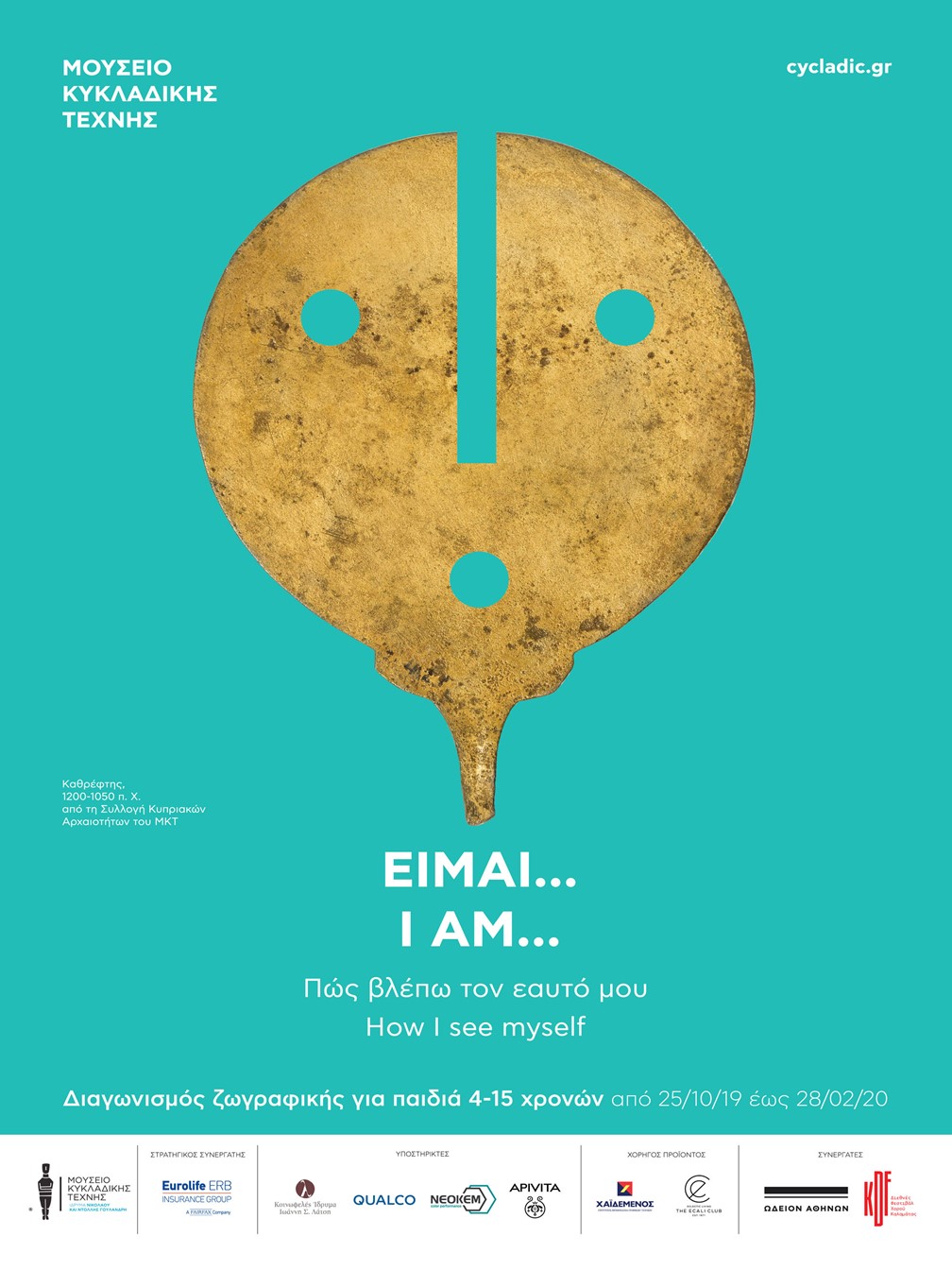
At the Museum of Cycladic Art, “I am… How I see myself” invites children to explore identity through ancient mirrors—blending creativity, history, and self-reflection in a growing artistic tradition.