The Church of the Parigoritissa in Arta, a masterpiece of late Byzantine architecture, reflects the ambition of the Despotate of Epirus, combining innovative design, rich decoration, and aristocratic grandeur.
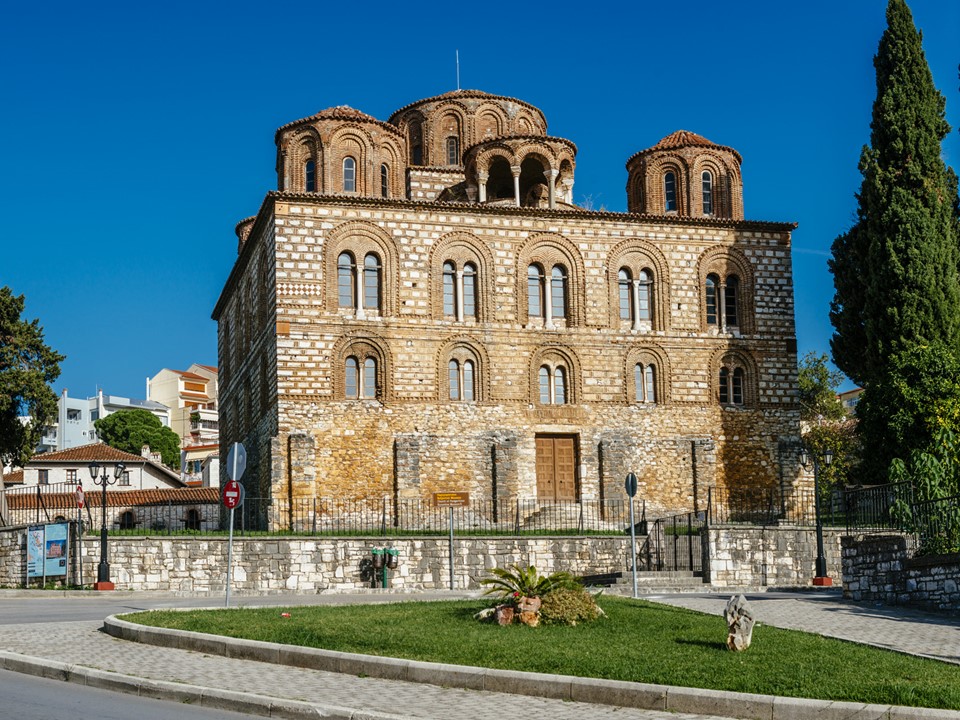
The Church of the Parigoritissa in Arta, a masterpiece of late Byzantine architecture, reflects the ambition of the Despotate of Epirus, combining innovative design, rich decoration, and aristocratic grandeur.
Degas’ Little Dancer Aged Fourteen combines wax, fabric, and real hair over a complex armature, creating a strikingly lifelike sculpture that blurred the boundaries between art, realism, and theatrical illusion.
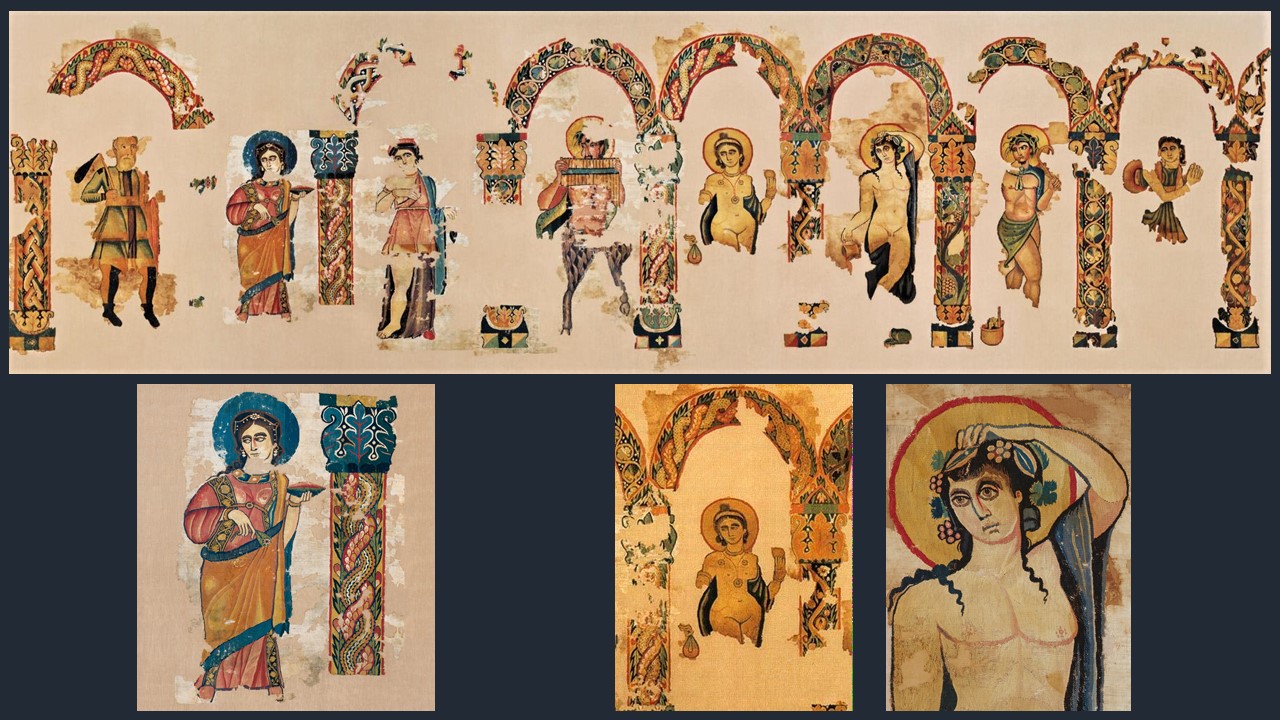
The Abegg-Stiftung’s Dionysus tapestry reveals the god of wine and ecstasy surrounded by lush ornament and mythic figures, reflecting Late Antique beliefs in joy, abundance, and life beyond death.
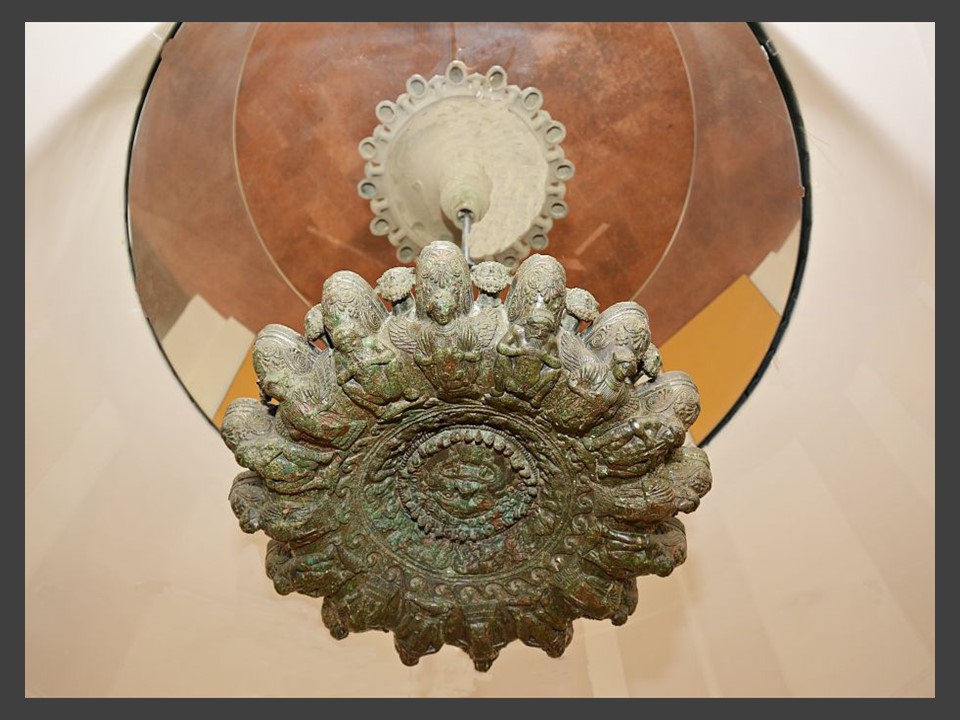
The Cortona Bronze Chandelier, a masterpiece of Etruscan metalwork, combines mythic creatures, sea imagery, and ritual symbolism in a complex circular design, reflecting the artistic and religious imagination of ancient Etruria.
Simon Bening’s February miniature depicts a lavish manor feast, where aristocrats, musicians, and servants gather around firelight and rich furnishings, revealing the social ritual, luxury, and domestic life of late medieval nobility.
Byzantine Emperor Theophilos is described by John Skylitzes as riding weekly with his bodyguard along Constantinople’s processional route to the sacred pilgrimage complex of Theotokos ton Blachernon.
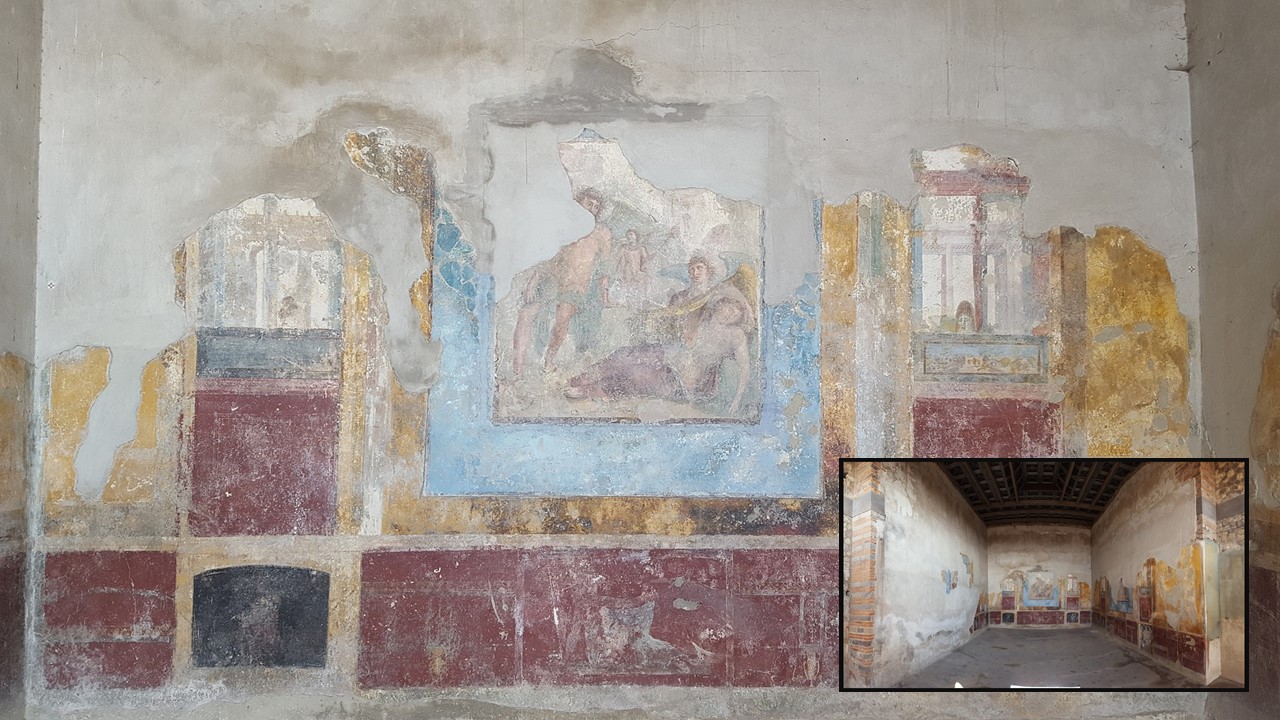
Villa Arianna at Stabiae preserves lavish 1st-century frescoes, including a vivid Dionysus and Ariadne scene in a grand triclinium, reflecting elite Roman myth, luxury, and imaginative Fourth Style wall decoration.
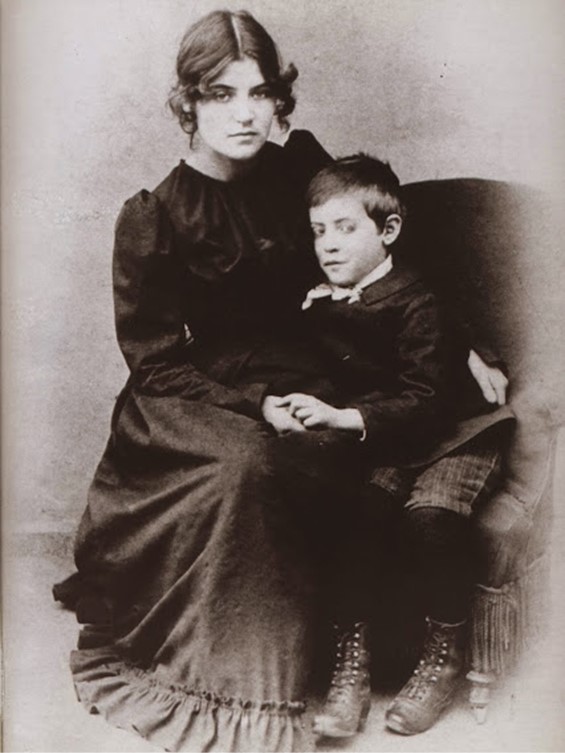
Suzanne Valadon rose from poverty in Montmartre to become a model for major artists and later a pioneering painter, known for bold nudes and powerful, psychologically charged self-portraits and family scenes.
Books of Hours were popular medieval prayer books designed for lay devotion, structured around daily prayers and richly illustrated calendars marking saints’ days, “red letter days,” and feast days in gold and red for spiritual reflection and timekeeping.
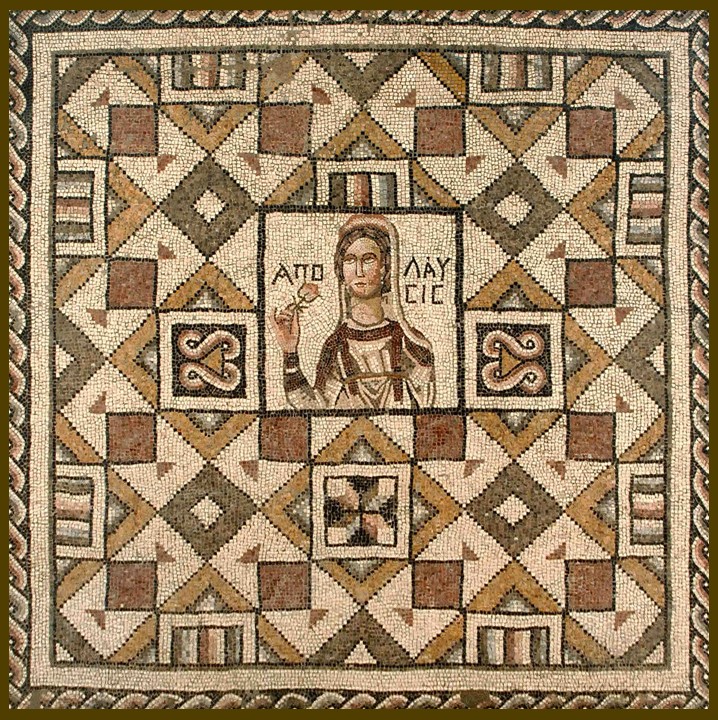
Ancient Antioch, once a major Hellenistic and early Christian metropolis, yielded remarkable Roman mosaics during 1930s excavations, including the Apolausis “Enjoyment” floor mosaic from a luxurious bath complex.