Renoir’s Femme au corsage rouge, believed to portray Gabrielle Renard, reveals the artist’s late style through intimate composition, warm colour, fluid brushwork and a striking red corsage.
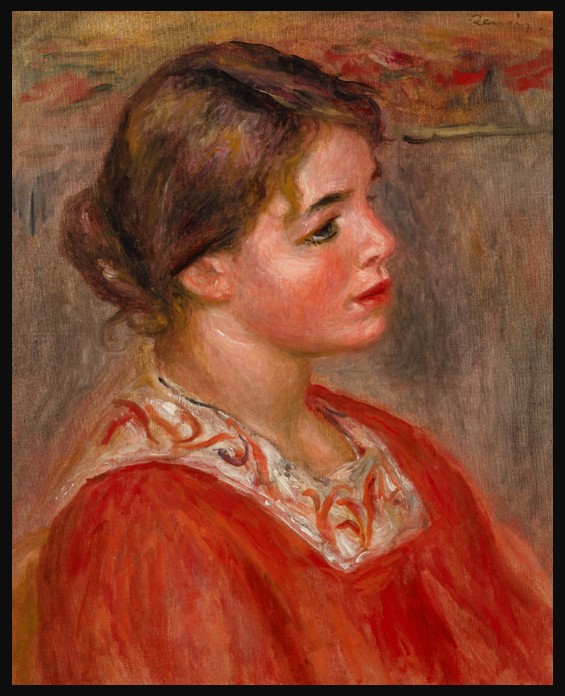
Renoir’s Femme au corsage rouge, believed to portray Gabrielle Renard, reveals the artist’s late style through intimate composition, warm colour, fluid brushwork and a striking red corsage.
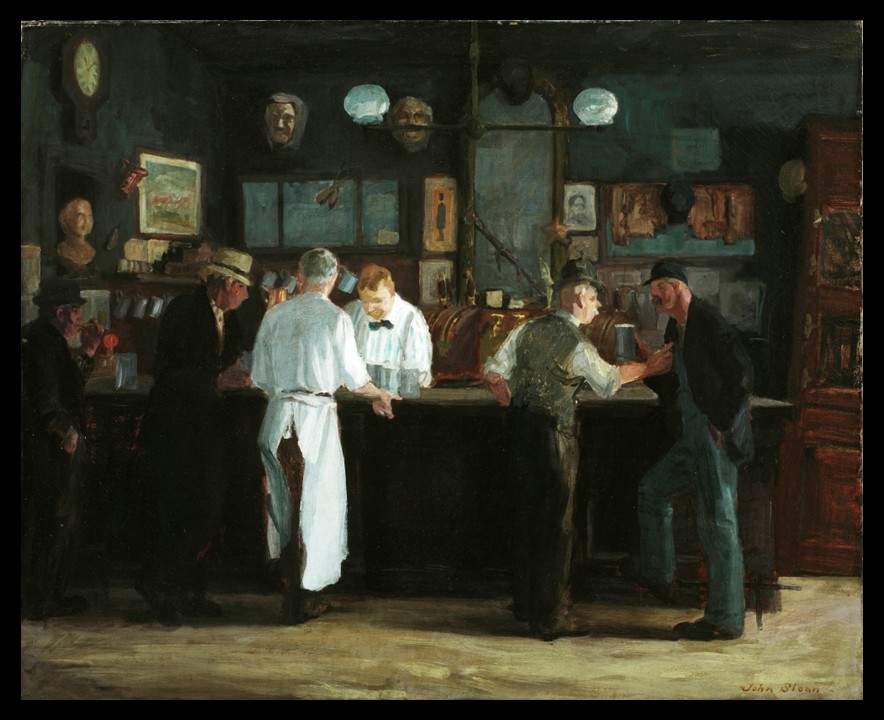
John Sloan’s McSorley’s Bar captures the lively atmosphere of a New York saloon and reveals the Ashcan School’s interest in ordinary people and urban life.
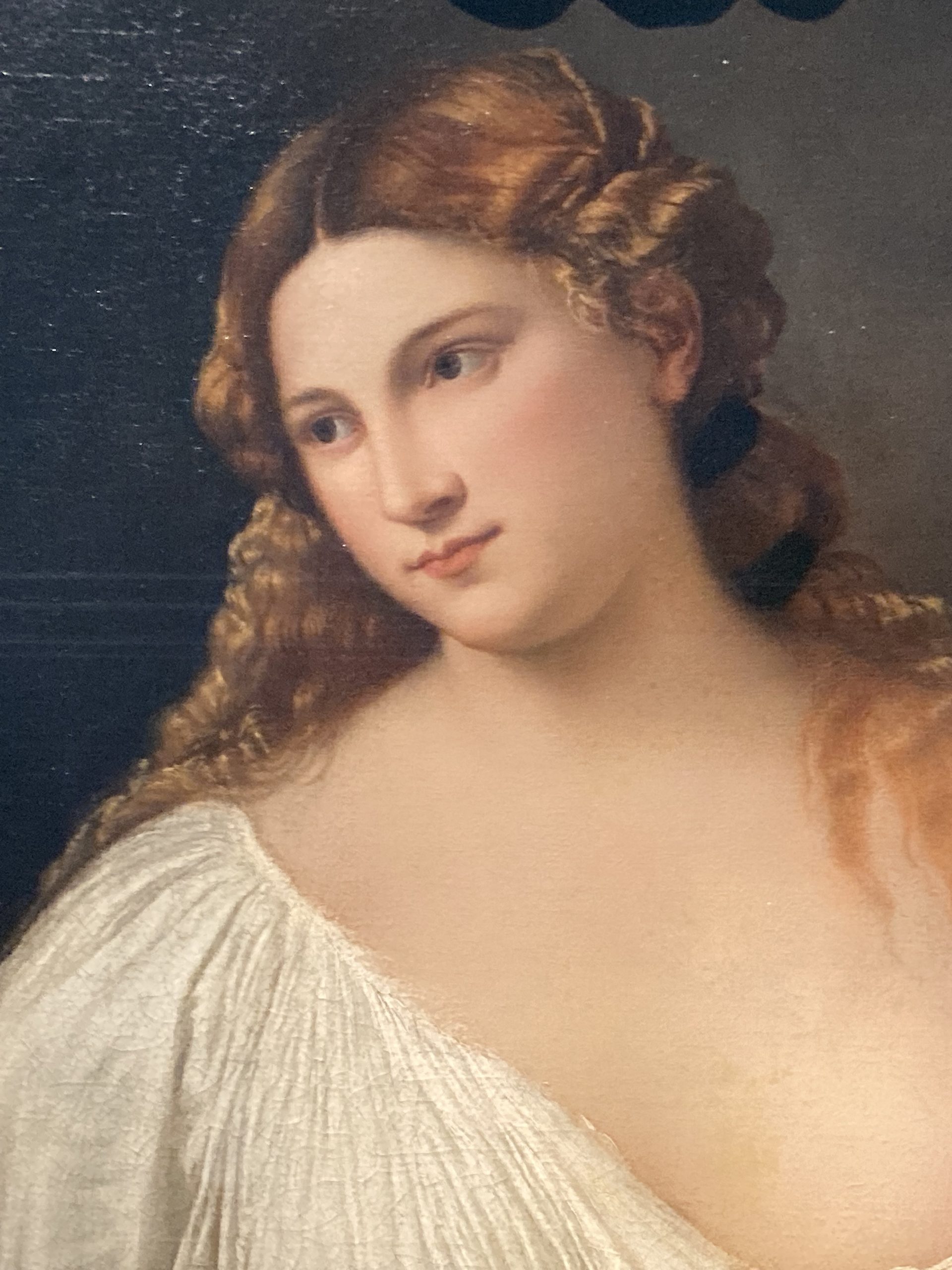
Explore Titian’s Flora, where flowers, luminous colour and an enigmatic woman embody Venetian Renaissance ideals of beauty, balancing modesty, sensuality and enduring mystery.
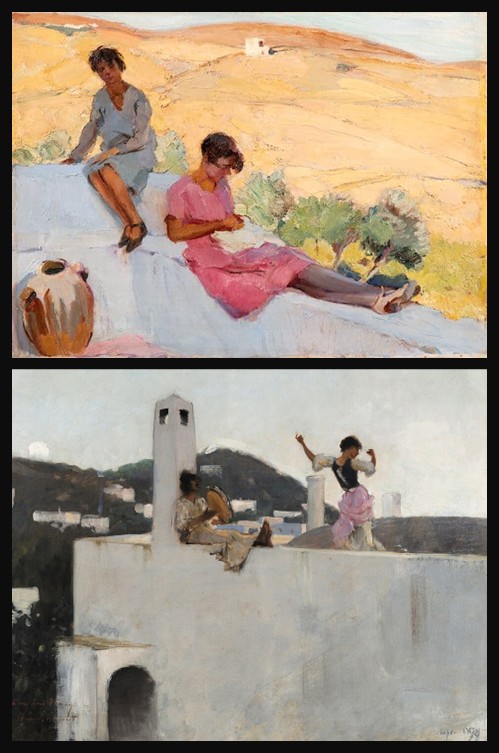
Discover how Nikolaos Lytras and John Singer Sargent transformed Mediterranean rooftops in Tinos and Capri into intimate scenes of light, colour, architecture and everyday life.
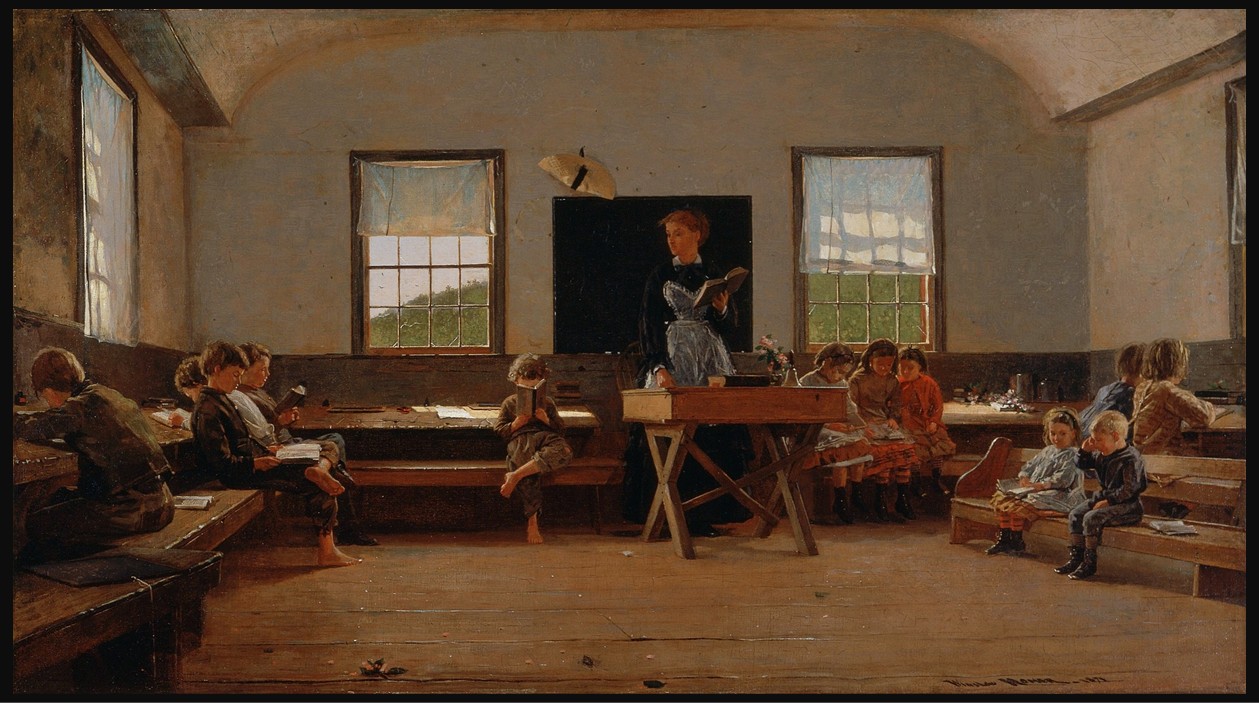
Winslow Homer’s The Country School takes us back to an American classroom in 1871, revealing surprising similarities between schoolchildren then and children returning to school today.
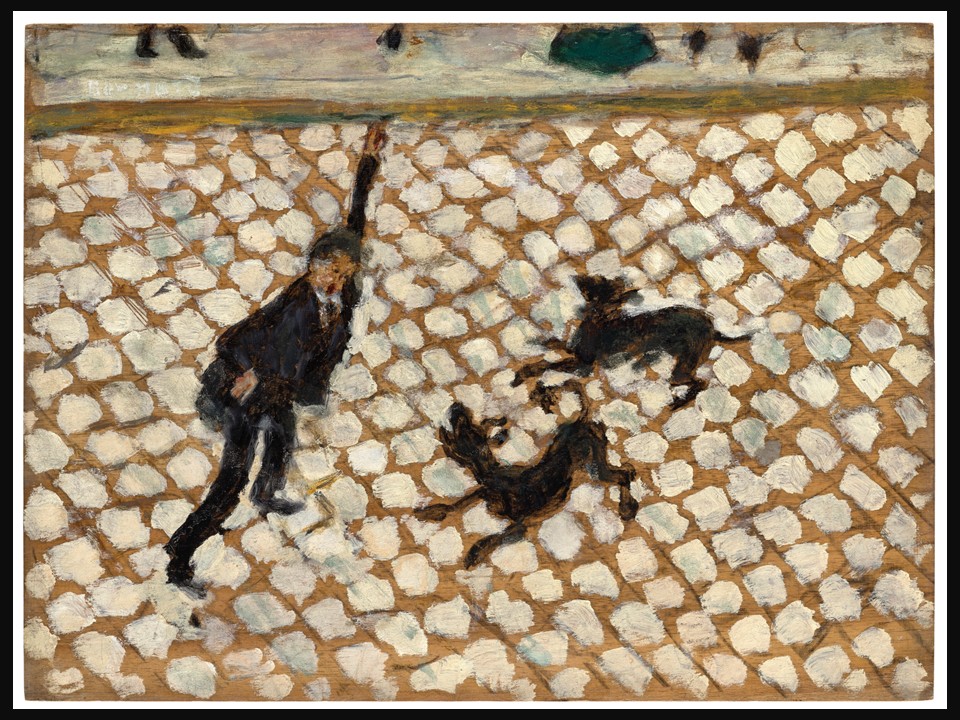
Pierre Bonnard transforms an ordinary Paris street into a lively study of movement, pattern and freedom as a man struggles to control two energetic dogs.
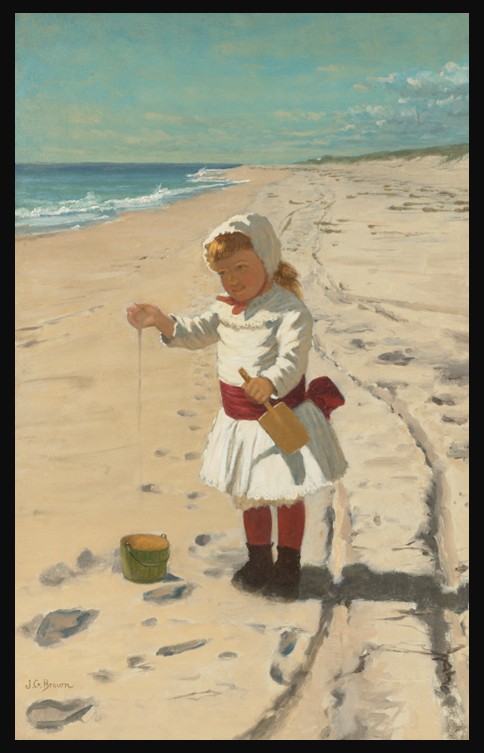
Discover how John George Brown portrayed childhood, balancing sentimental street scenes with the quiet intimacy of Playing in the Sand at Southampton Beach, revealing Victorian ideals and artistic intent.
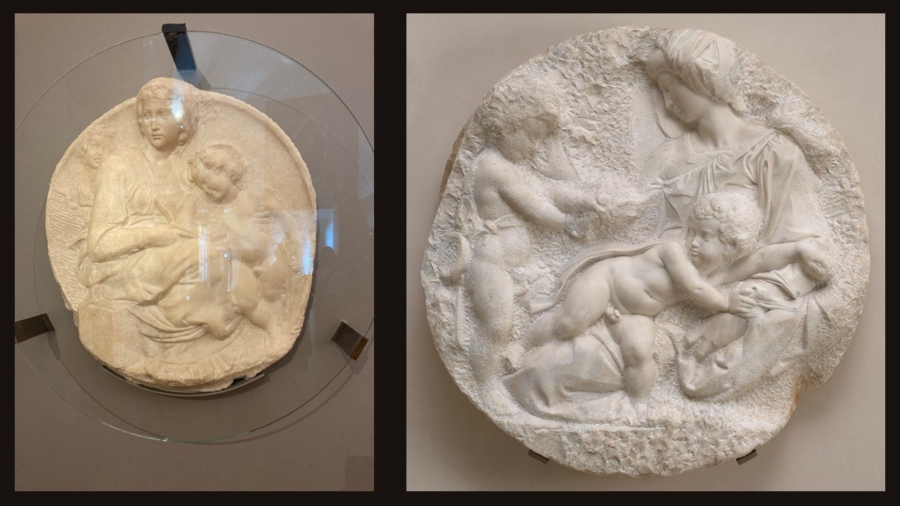
Discover Michelangelo’s Pitti and Taddei Tondi, two unfinished marble roundels blending tenderness, movement, and psychological depth into some of the Renaissance’s most compelling devotional sculptures.
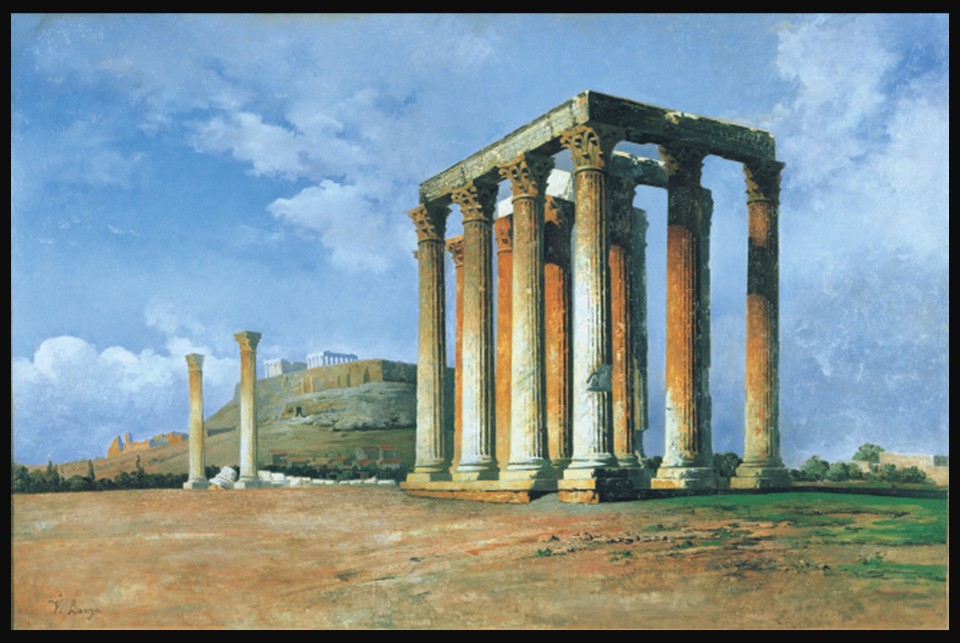
Vikentios Lanza’s painting transforms the Temple of Olympian Zeus into a powerful reflection on ruins, memory, and Greek cultural identity in 19th-century Athens.
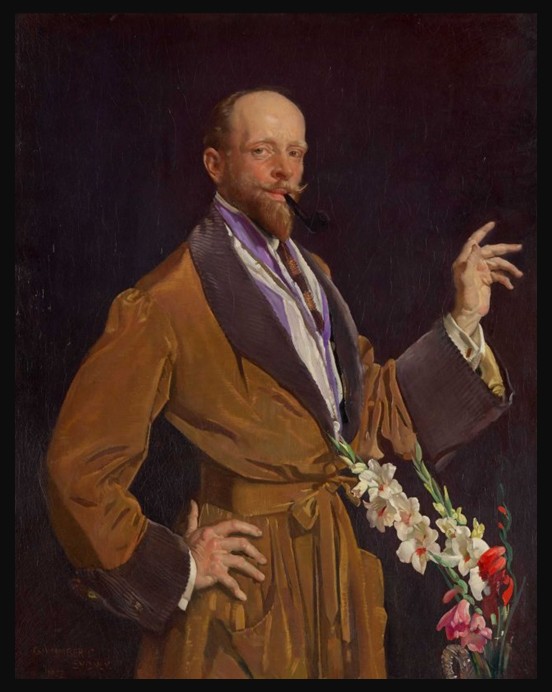
A velvet jacket, a pipe, and a vase of gladioli, meet George Lambert, the Russian-born jackeroo who became Australia’s most glittering artist.