In the summer of 1923, grief-stricken after losing 500 works to war, Spyros Papaloukas painted ancient ruins on Aegina — and found his voice.
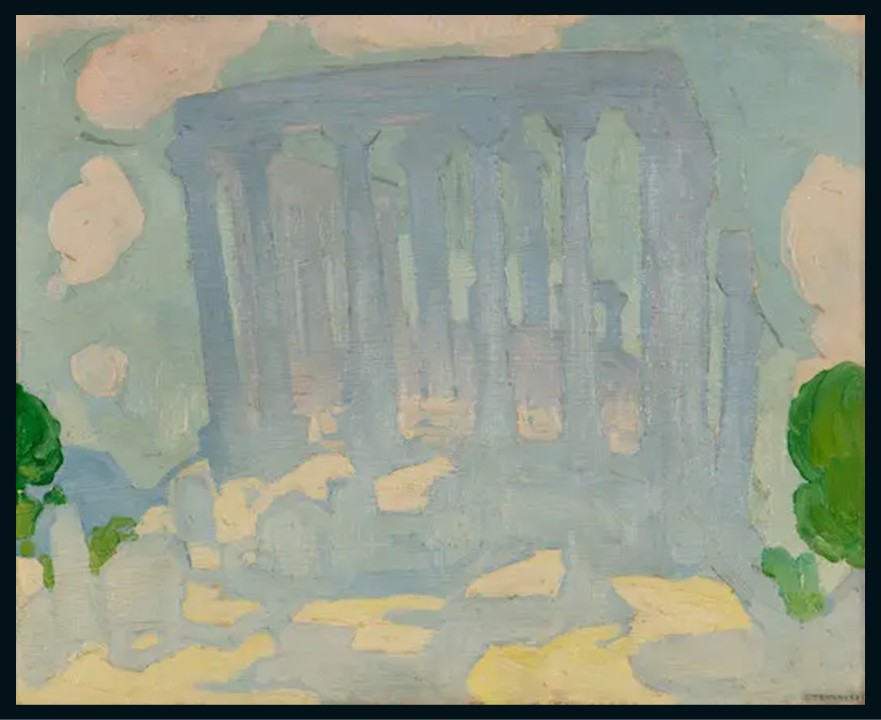
In the summer of 1923, grief-stricken after losing 500 works to war, Spyros Papaloukas painted ancient ruins on Aegina — and found his voice.
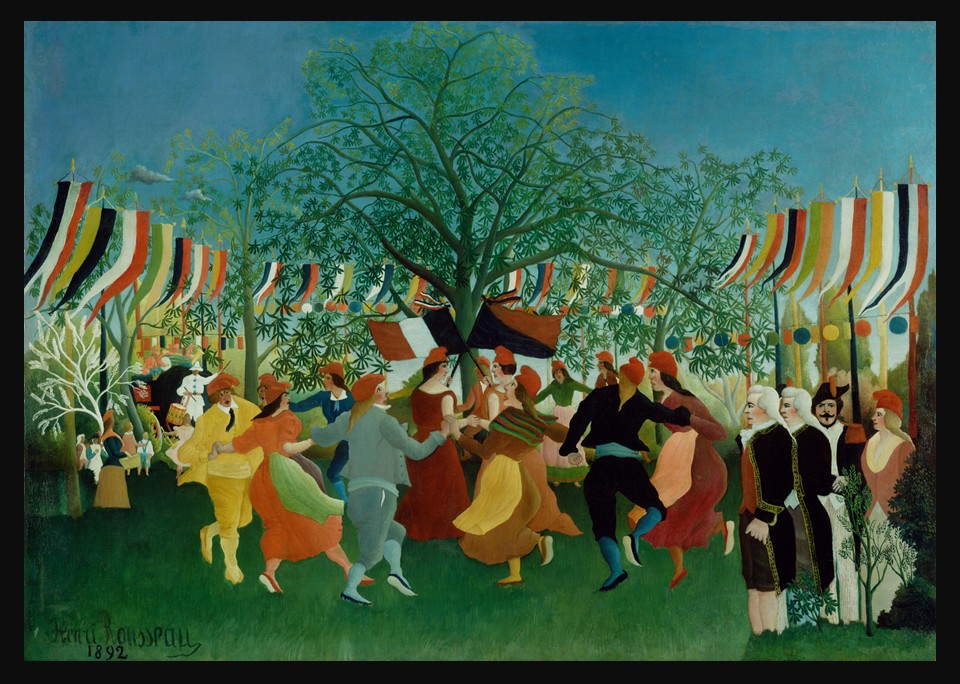
Explore Henri Rousseau’s painting of Bastille Day — a visionary 1892 work that turns French revolutionary history into timeless communal celebration.
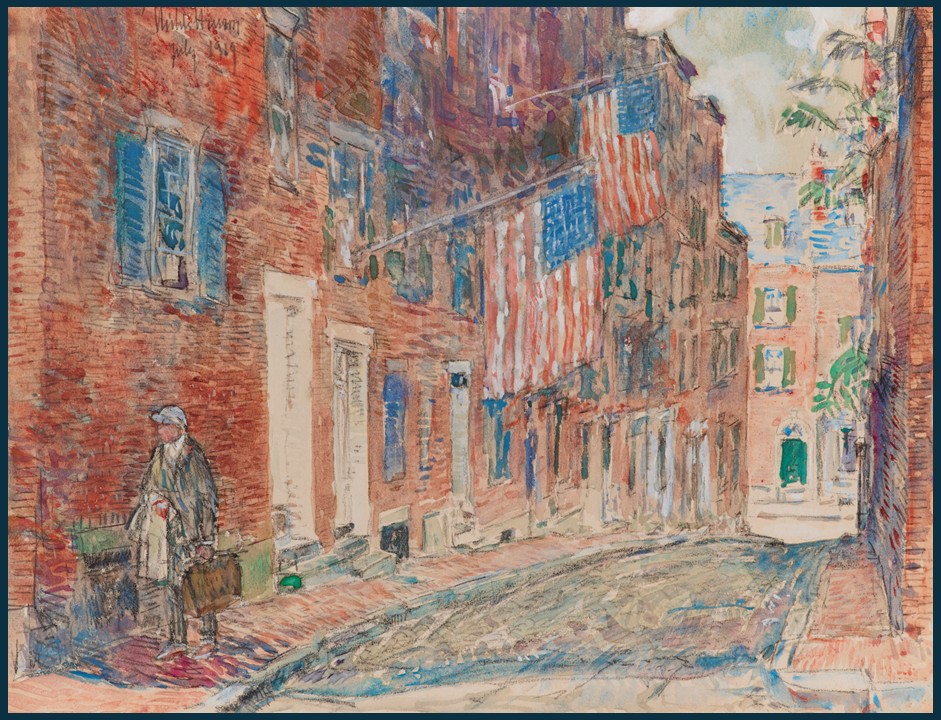
A reflective Fourth of July exploration of Childe Hassam’s Acorn Street, Boston, July 1919 and its quiet vision of American identity, history, and Impressionist light.
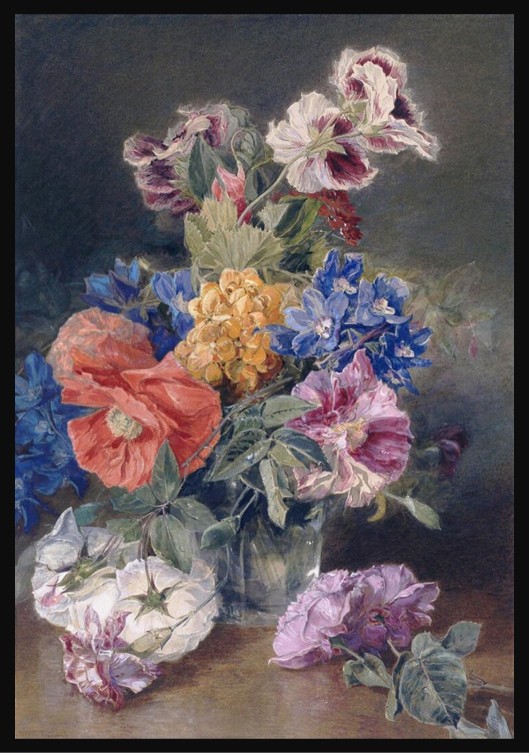
Celebrate July’s Delphinium with James Holland’s radiant 1859 watercolour, where Victorian flower symbolism, luminous colour, and the dreamer’s heart bloom together in a timeless summer bouquet.
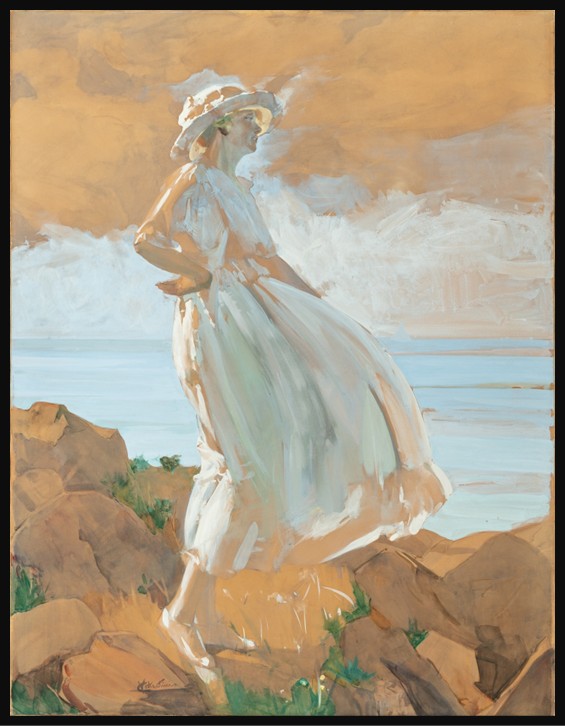
In 1936, at the height of his career, Italian painter Virgilio Costantini captured his wife on a clifftop in a gouache of rare scale, confidence, and tenderness.
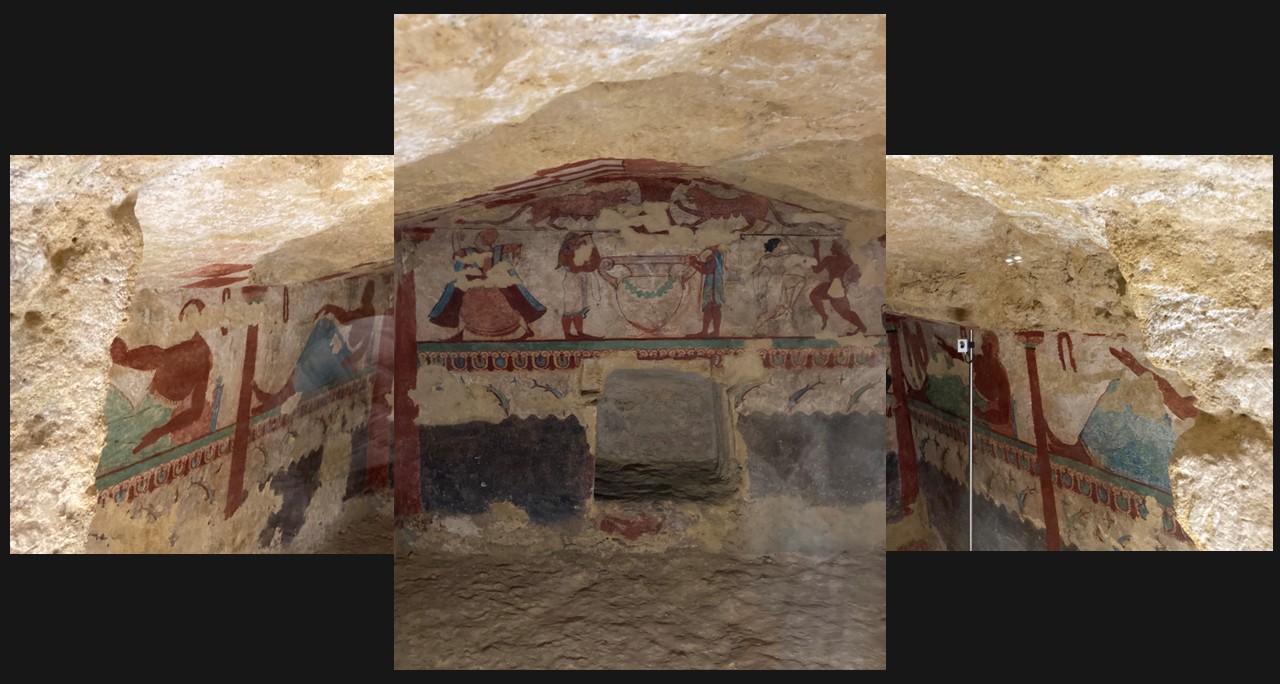
Explore the Etruscan Tomb of the Lionesses in Tarquinia, its vibrant frescoes, banquet scenes, and insights into Etruscan beliefs about life, death, and the afterlife.
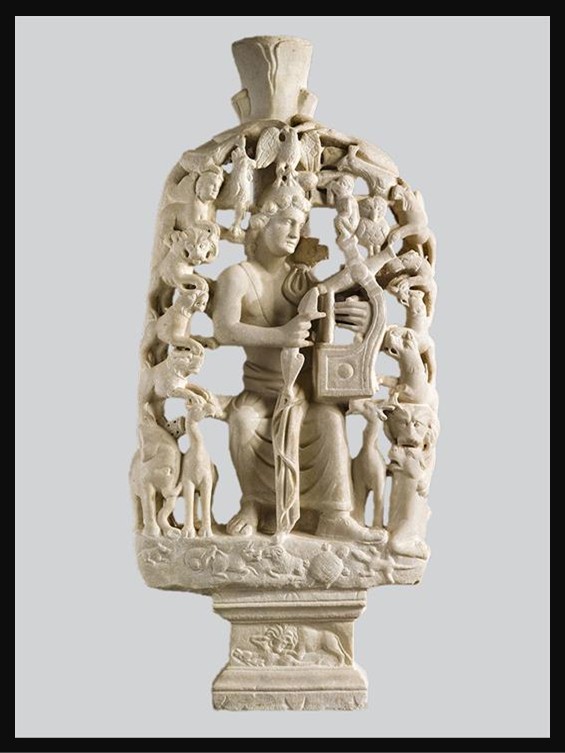
A 4th-century marble table support shows Orpheus surrounded by animals, blending myth and early Christian symbolism in a striking Late Antique work from the Byzantine and Christian Museum in Athens, Greece
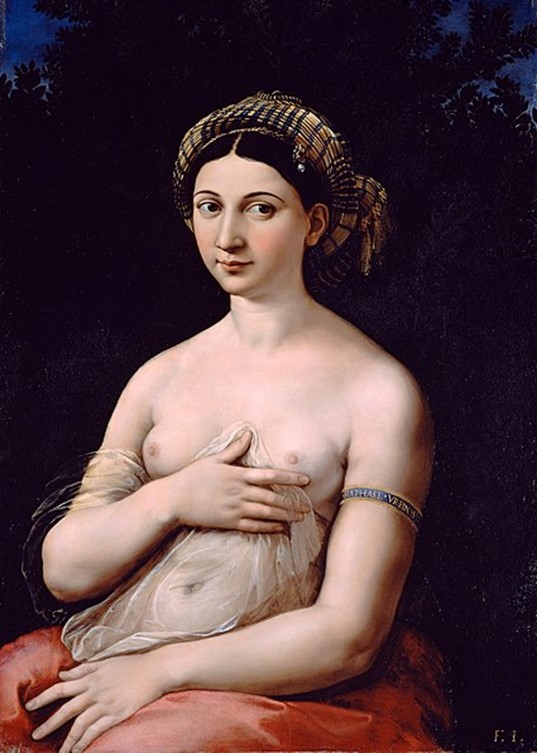
Who is the beautiful woman who modestly tries to cover herself? Raphael left clues but no answers. Five centuries on, La Fornarina remains art history’s most captivating unsolved mystery.
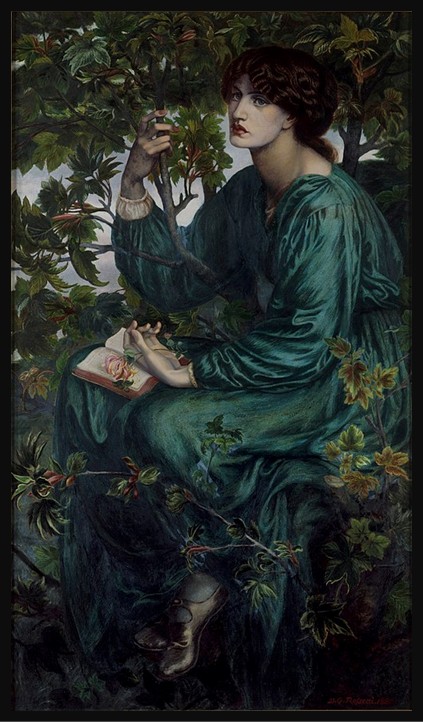
Rossetti’s The Day Dream captures Jane Morris in a moment of stillness—where symbolism, desire, and interiority intertwine within one of the most atmospheric Pre-Raphaelite paintings.
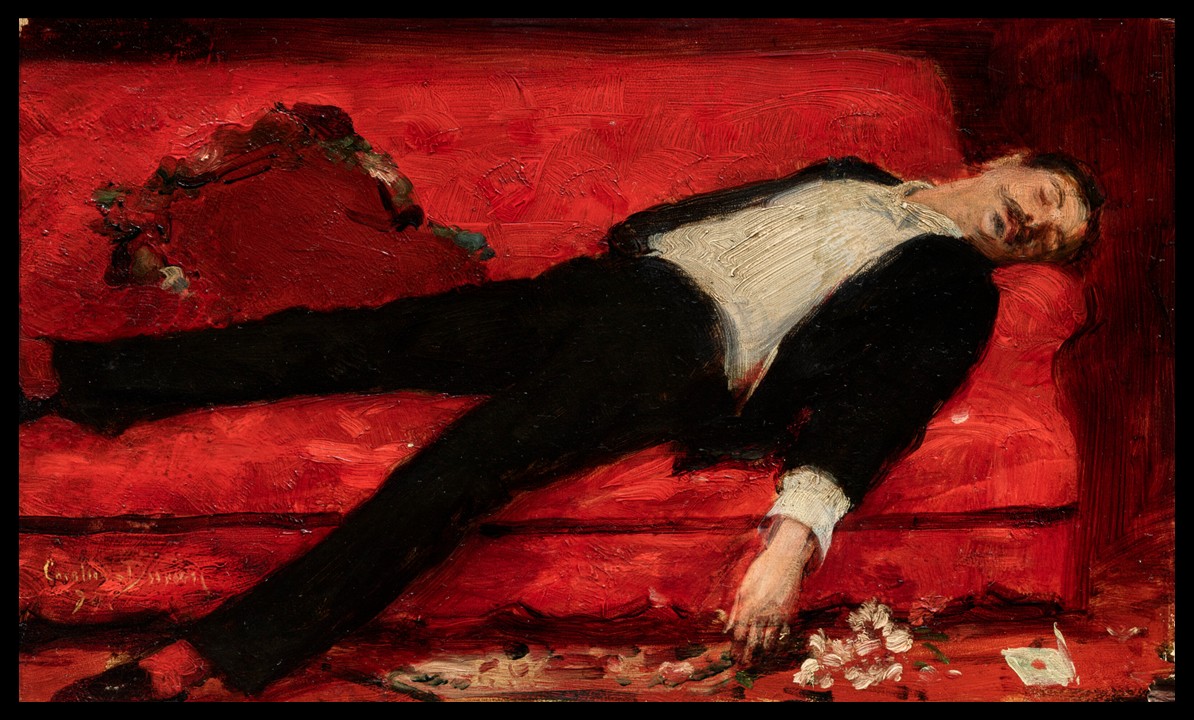
A letter lies torn open on the floor. Beside it, a bouquet, discarded, not placed. On the sofa above them, a young man has collapsed into the cushions, eyes closed, one arm surrendered to gravity. Something has happened in this room. Carolus-Duran’s The Letter (1889) offers two stories and refuses to choose between them.