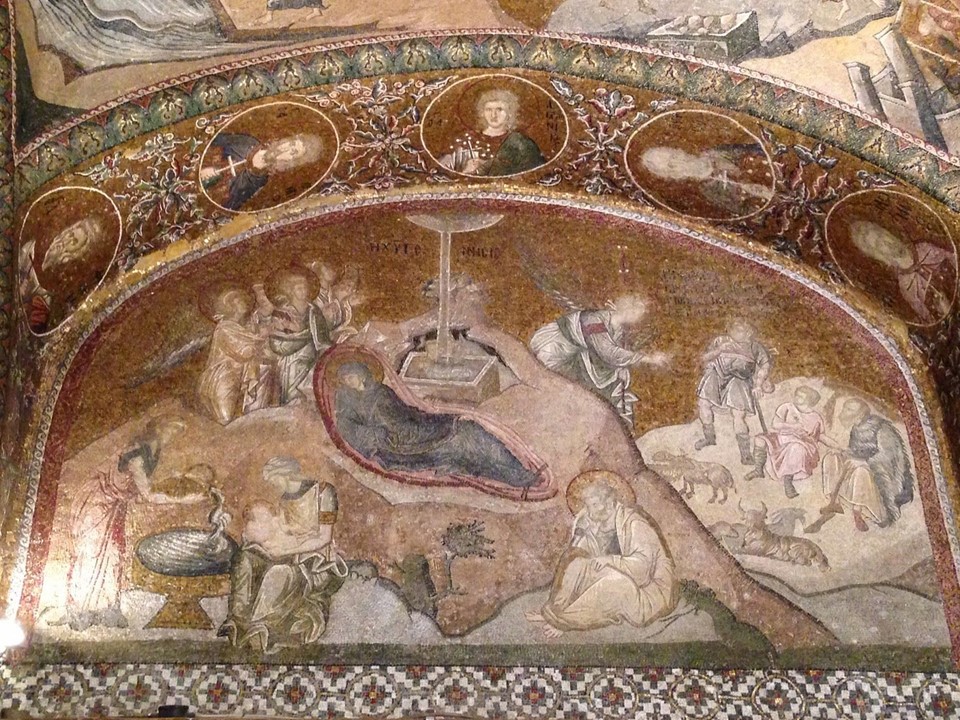
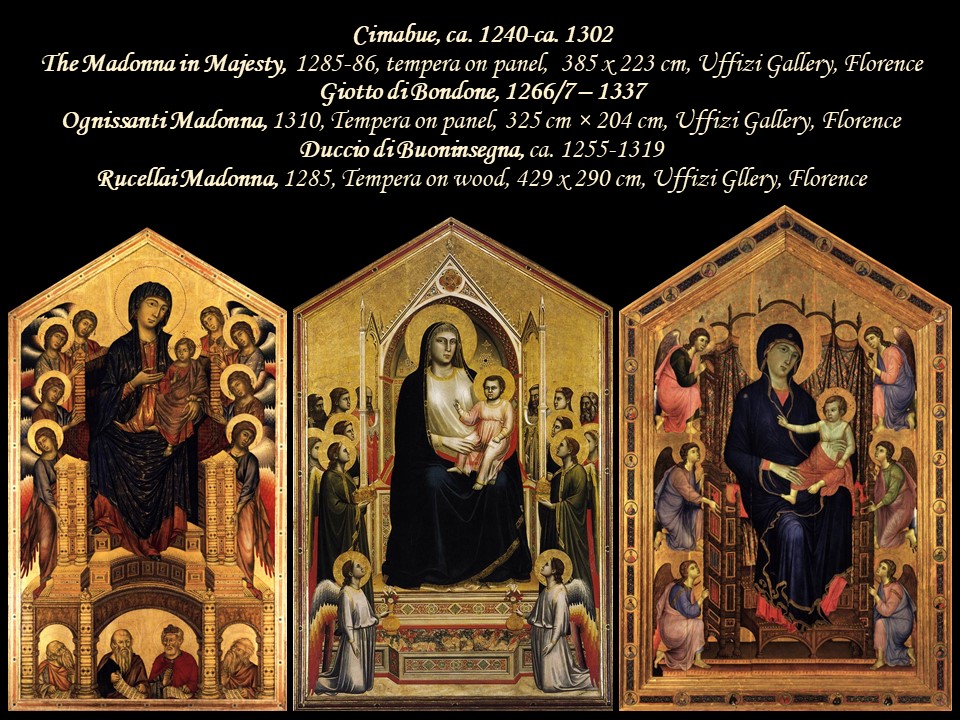
Cimabue, Giotto, and Duccio mark the shift from Byzantine tradition to early Renaissance naturalism, where painting begins to explore space, emotion, and human presence with unprecedented realism and spiritual depth.
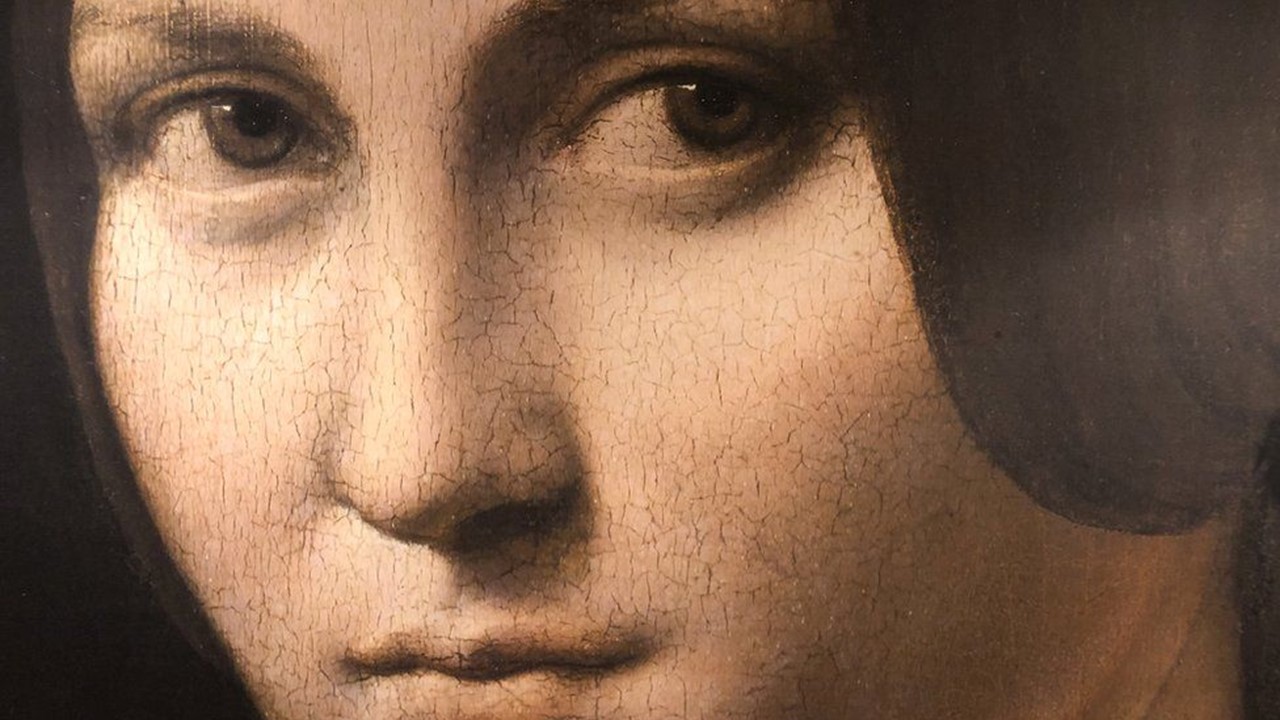
Leonardo da Vinci
Marking 500 years since Leonardo da Vinci’s death, the Louvre Museum unveils a landmark retrospective, blending masterpieces, research, and immersive insight into the genius behind the Mona Lisa.
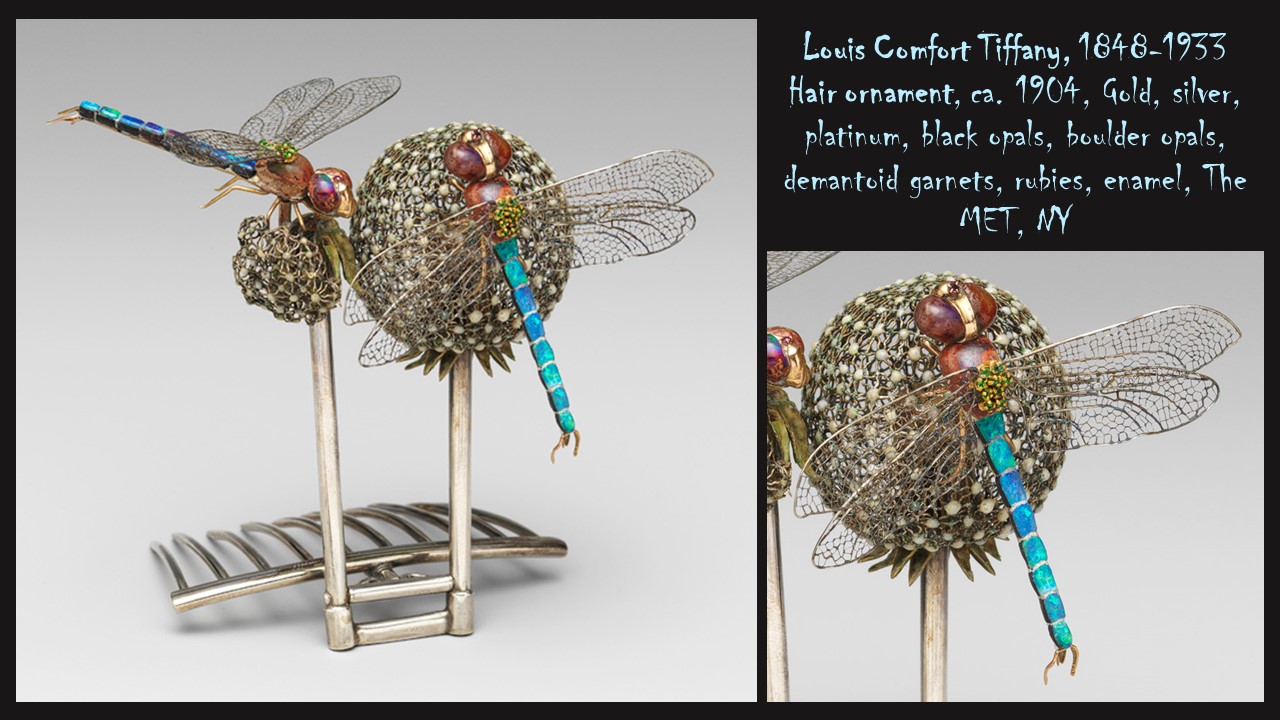
Reverence for Nature and Tiffany
Inspired by nature’s fleeting beauty, Louis Comfort Tiffany’s dragonfly hair ornament captures fragility, luminosity, and exquisite craftsmanship—an Art Nouveau jewel where delicate forms celebrate life’s ephemeral grace.
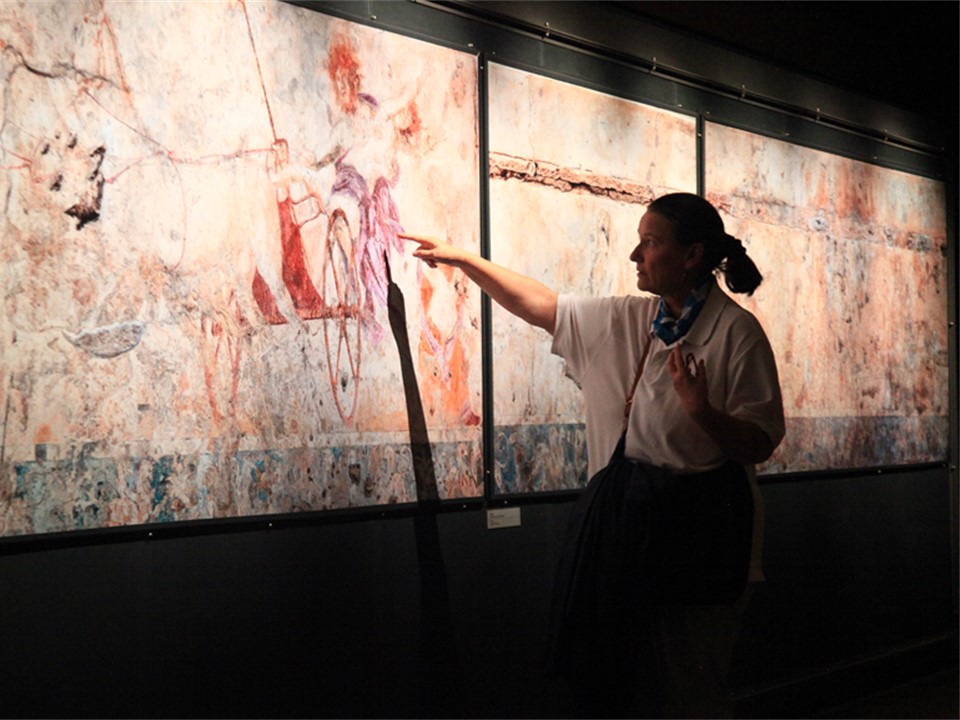
Back to Aigai
Aigai, ancient capital of Macedonia, reveals royal tombs, painted hunts, and mythic scenes—where students encounter history, art, and mythology in a landscape of enduring archaeological wonder.
Inspired by the François Vase

Inspired by the François Vase is a Grade 7 Activity my students enjoy doing!
François Vase is exhibited at the National Museum of Archaeology in Florence. It is “a large black-figure krater, a large vase in Ancient Greece believed to be used for watering down wine, from c. 570 BC. The design is fascinating and, if one looks carefully, you will find both the signature of the potter, Ergotimos and the painter, Kleitias. This krater is named the “François Vase” after the archaeologist who found it in 1844. ” https://www.visitflorence.com/florence-museums/maf-archeological-museum.html

The François Vase Activity
Instructions on what to do: During class, students are introduced to ancient Greek pottery, and more specifically the importance and characteristics of the François Vase. This Activity is based on the classroom lectures, student research on the subject, and ultimately student creativity and imagination. So, ……
- Students are asked to READ the attached sites and WATCH the provided Videos: https://www.florenceinferno.com/the-francois-vase/ and https://publishing.cdlib.org/ucpressebooks/view?docId=ft1f59n77b&chunk.id=d0e2374&toc.depth=1&toc.id=&brand=ucpress and https://www.youtube.com/watch?v=Fh1oONbq2ik
- Students will be provided with a Template of a Volute Krater. This template will be their work canvas! to create a “new” version of the François Vase.
- For the Volute Krater Template, a big thank you to IMGBIN and go to https://imgbin.com/png/ZZBrSTGn/krater-volute-line-art-vase-drawing-png
- Students are asked to design a “new version” of the François Vase inspired by their favorite novel, poem, myth, comic story or their own life!
- They may consider the following poem by Archilochos of Paros, 8th century BC lyric poet (Willis Barnstone, trans., Greek Lyric Poetry [New York: Schocken Books) as a source of inspiration:

The PowerPoint, teachercurator has prepared, can be seen if you… Click HERE!
For more examples of student work… Click HERE!

The Myth of Ouranos and Gaia

My Kindergarten Mythology Class started with the Myth of Ouranos and Gaia.
Created thousands of years ago, Greek Myths tell us epic stories, adventures of demigods, heroes, and monsters, tales of love, loyalty, betrayal, friendship, bravery… Greek Myths show that the gods, very much like ordinary humans, men and women alike, can be right or wrong, fail or succeed, love or be jealous. Greek Myths and the extraordinary deeds of their protagonists are to be found on everything, from ancient Greek pottery to temple decoration to stone statues, paintings, music, and poetry! Greek Myths offer my Kindergarten students a glimpse into the lives of the Ancient Greek people, their culture and art.
Lesson Plan Steps
My Classroom Lesson always starts with a warm welcome, a short sentence on what the Lesson will be about… “Imagine two powerful gods, one was Gaia/Earth, our planet, the other was Ouranos, the Sky above us… “and continues with the Myth.
Here are some interesting sites on Ouranos and Gaia: https://www.theoi.com/Protogenos/Ouranos.html and https://www.theoi.com/Protogenos/Gaia.html
My students love our next Activity… We go to the schoolyard, we lie down and “feel the earth”. Then we “look up and try to reach the sky”.
Finally, back in class, students are asked to do an Art Activity with different colored papers. Blue represents the sky, green the earth, yellow the sun and the stars, pink, red and lighter green, the plants and the flowers.
For student Artwork, please… Click HERE!
Learning from Ancient Greek Pottery
Inspired by the Hood Museum of Art Educational Program, this activity guides students through observing, analyzing, researching, interpreting, and evaluating Ancient Greek pottery—building critical thinking through art.
Nebamun
The British Museum’s frescoes from Nebamun’s tomb reveal vibrant scenes of life and status in ancient Thebes—masterpieces shaped by both artistry and complex histories of discovery.
Impressionism and Japonism
A Student Activity on Impressionism and Japonism explores how artists like Claude Monet reimagined East–West dialogue through works like La Japonaise.
Augustus of Primaporta VS Aulus Matellus
This Student Activity compares Augustus of Primaporta and Aulus Metellus, helping students explore Roman government through art—contrasting imperial power with republican ideals via analysis, writing, and creative response.