Andrea del Castagno’s David with the Head of Goliath (c. 1450–55) presents a Florentine civic hero triumphing over evil, symbolizing republican strength, determination, and Renaissance ideals of virtù.
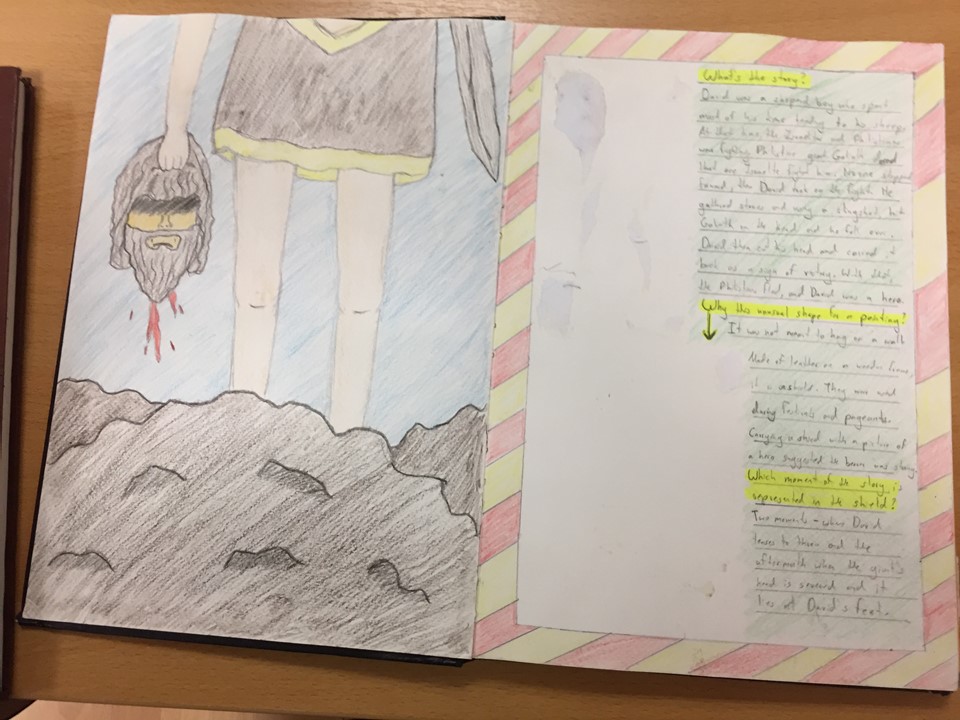
Andrea del Castagno’s David with the Head of Goliath (c. 1450–55) presents a Florentine civic hero triumphing over evil, symbolizing republican strength, determination, and Renaissance ideals of virtù.
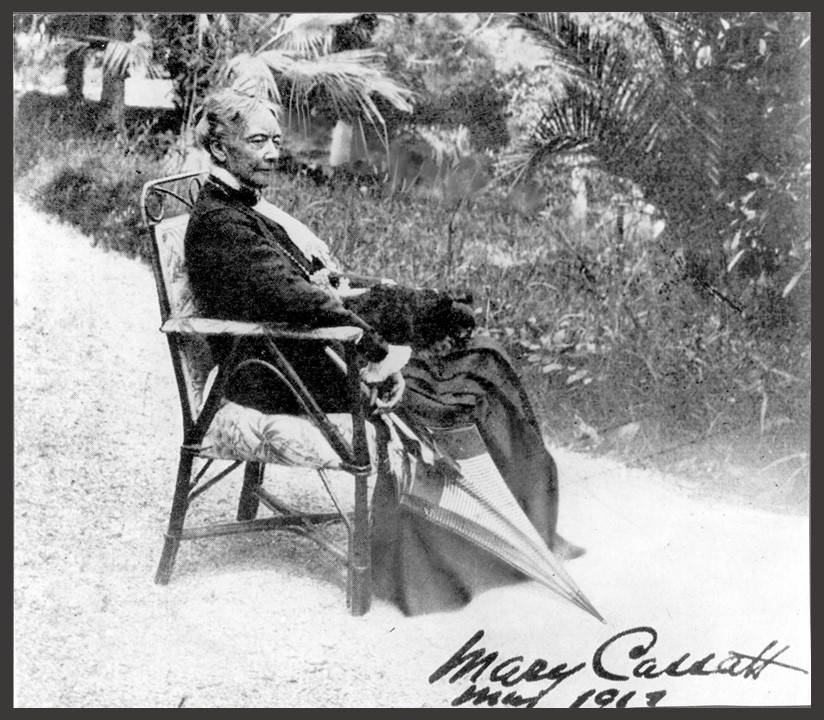
Mary Cassatt’s Five O’Clock Tea (1880) depicts an intimate Parisian domestic ritual, capturing refined bourgeois women at leisure in a modern interior, with subtle Impressionist attention to everyday life and atmosphere.
Claude Monet’s The Turkeys (1876) captures a radiant rural scene in which vibrant light, loose brushwork, and asymmetrical composition reflect the Impressionist search for immediacy and atmospheric vitality in everyday nature.
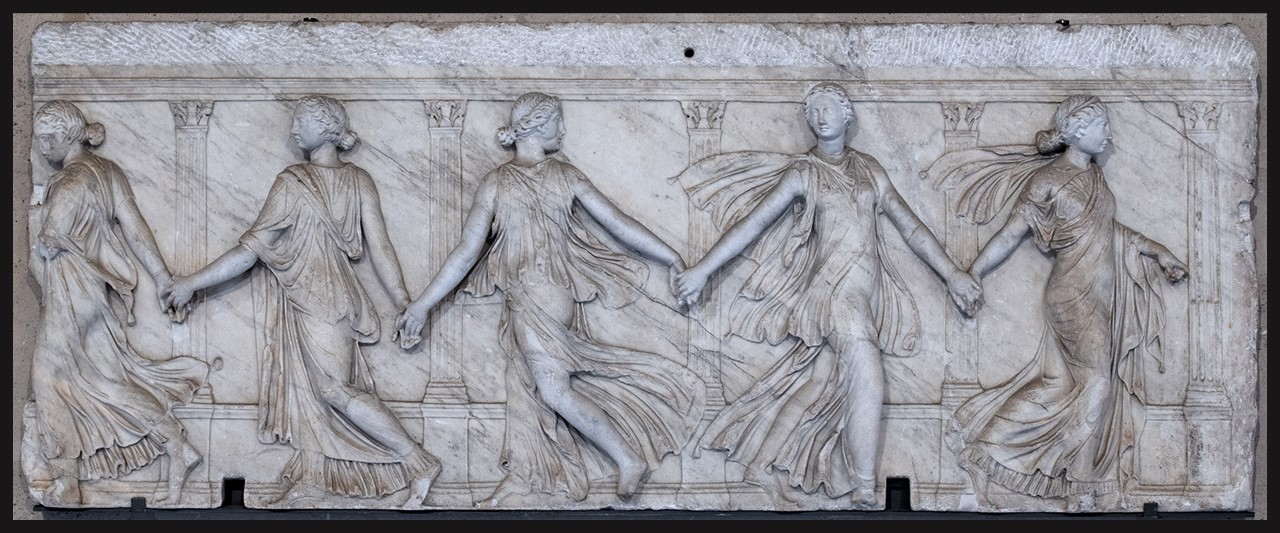
Homeric Hymn to Apollo evokes a divine Olympic dance of gods and Muses, echoed in the graceful Borghese Dancers and Poussin’s paintings, celebrating harmony, rhythm, and classical ideals of movement.
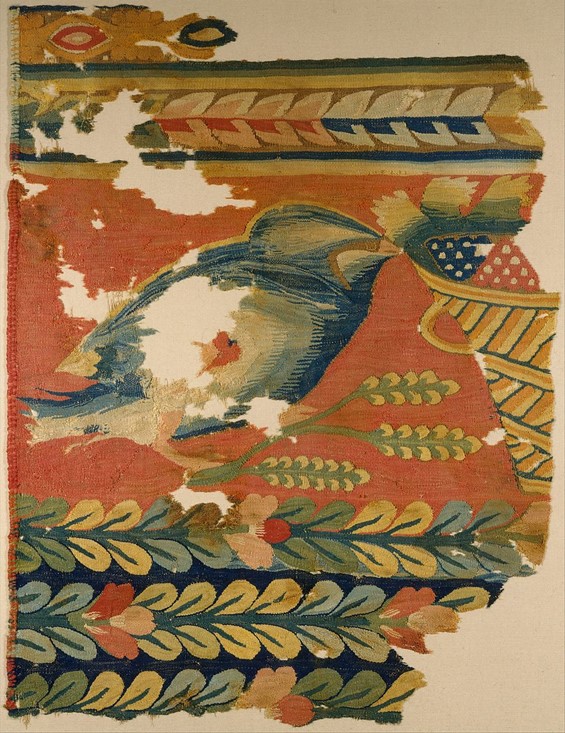
Late Antique textiles from Egypt and the Eastern Mediterranean, like the Met’s Hanging Fragment with Bird and Basket, reveal how luxury fabrics expressed abundance, status, and the cultural ideal of the “good life.”
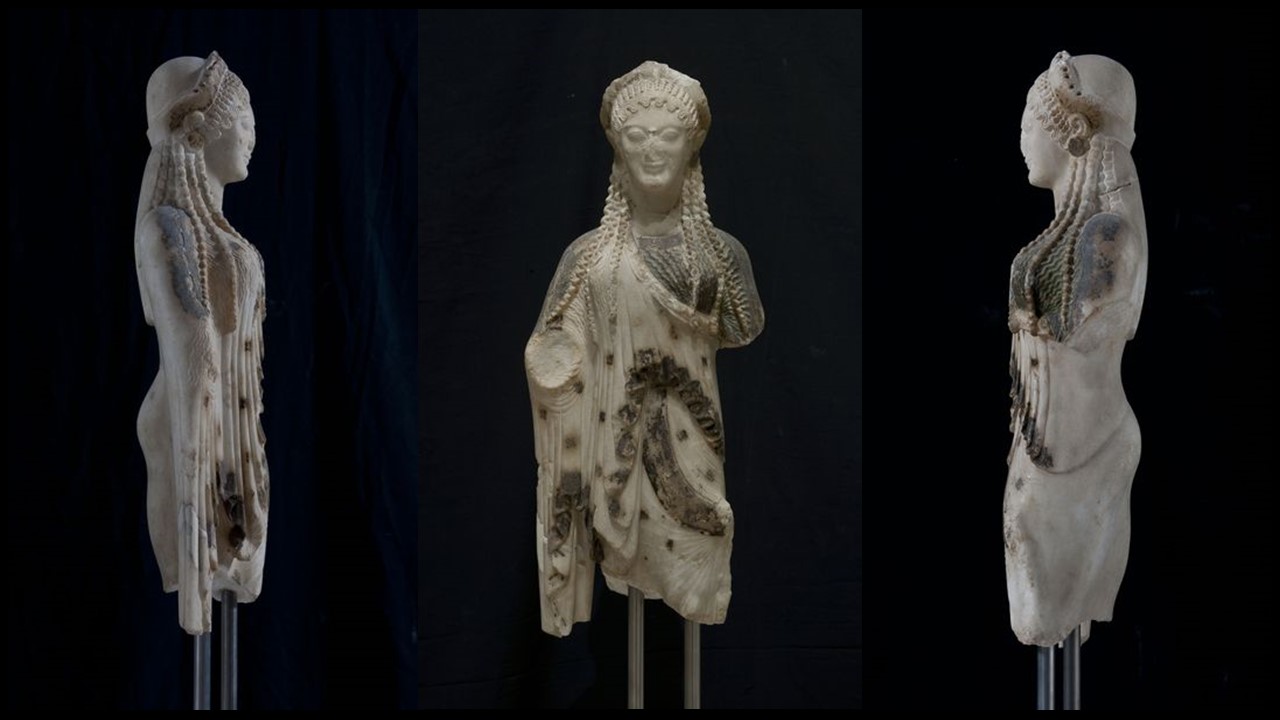
The “Kore from Chios,” displayed in the Kallos exhibition at the Museum of Cycladic Art, embodies Archaic Greek ideals of beauty (kallos) as a unity of physical elegance, refined drapery, and inner virtue.
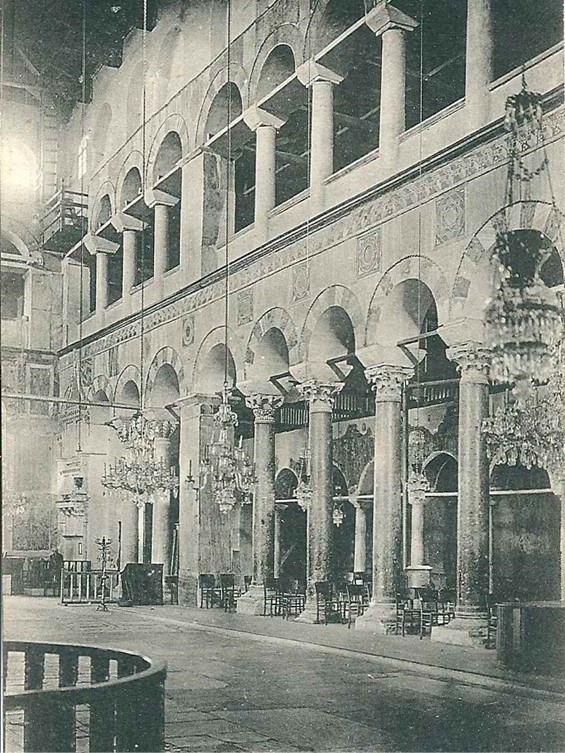
Konstantinos Maleas’s Religious Scene reflects early 20th-century engagement with Thessaloniki’s newly uncovered Byzantine mosaics, especially the Enthroned Virgin, a visual tradition also documented by Walter S. George during his 1907–1909 studies for the British School at Athens.
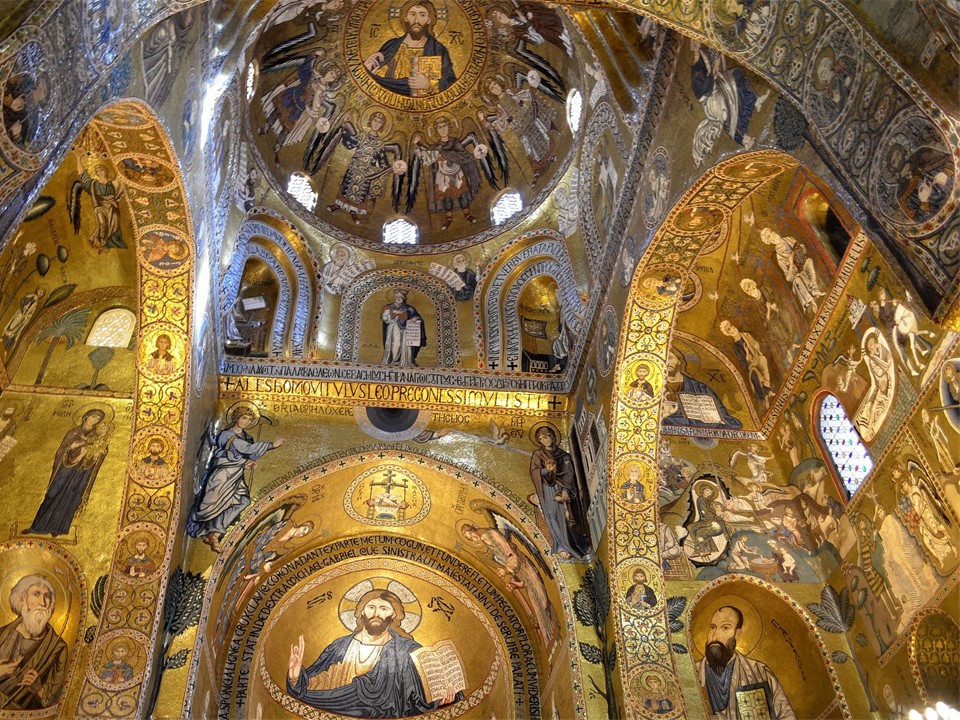
John Singer Sargent’s Sicilian watercolours, especially his studies of the Cappella Palatina in Palermo, sensitively capture Byzantine mosaic interiors, with a particular fascination for the luminous dome and its choir of angels.
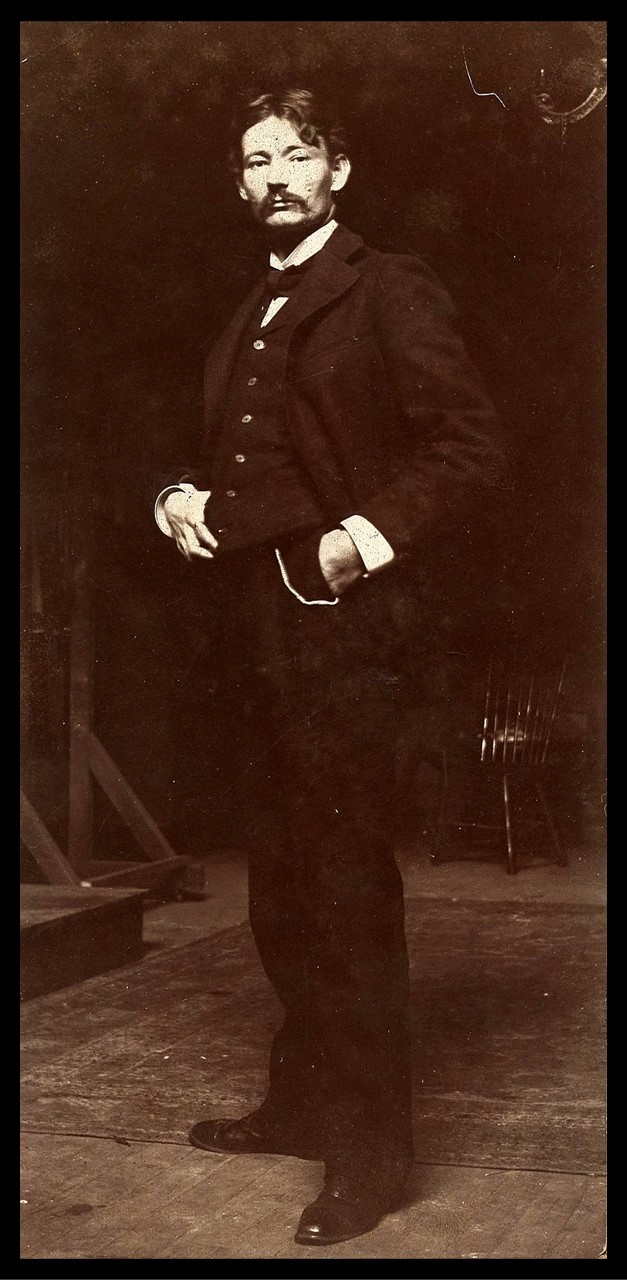
Frans Hals’s lively, spontaneous brushwork profoundly influenced modern painters like Édouard Manet, Vincent van Gogh, and Robert Henri, who admired his “modern” immediacy, especially in expressive portraits such as The Laughing Boy.
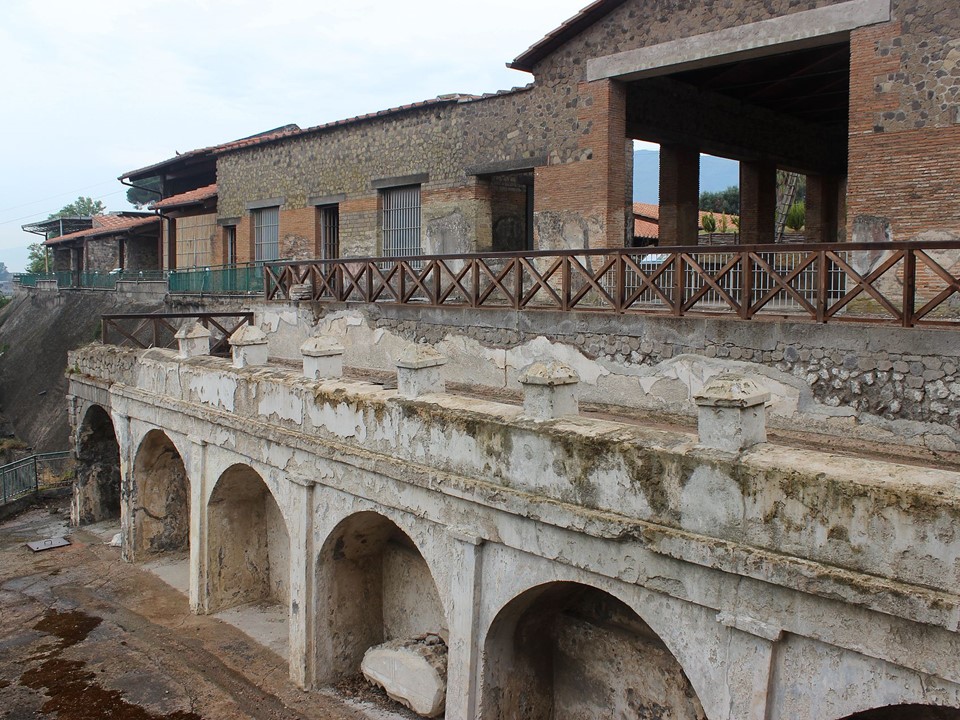
Villa Arianna at Stabiae, a luxurious Roman seaside residence, featured panoramic views, elaborate frescoes, and baths; early excavations damaged it, but modern archaeology continues to reveal its scale and significance.