Through muted ochres and November greys, Andrew Wyeth’s watercolour November First tenderly captures the quiet beauty of decay and renewal — a meditation on solitude, nature’s cycles, and passing time.
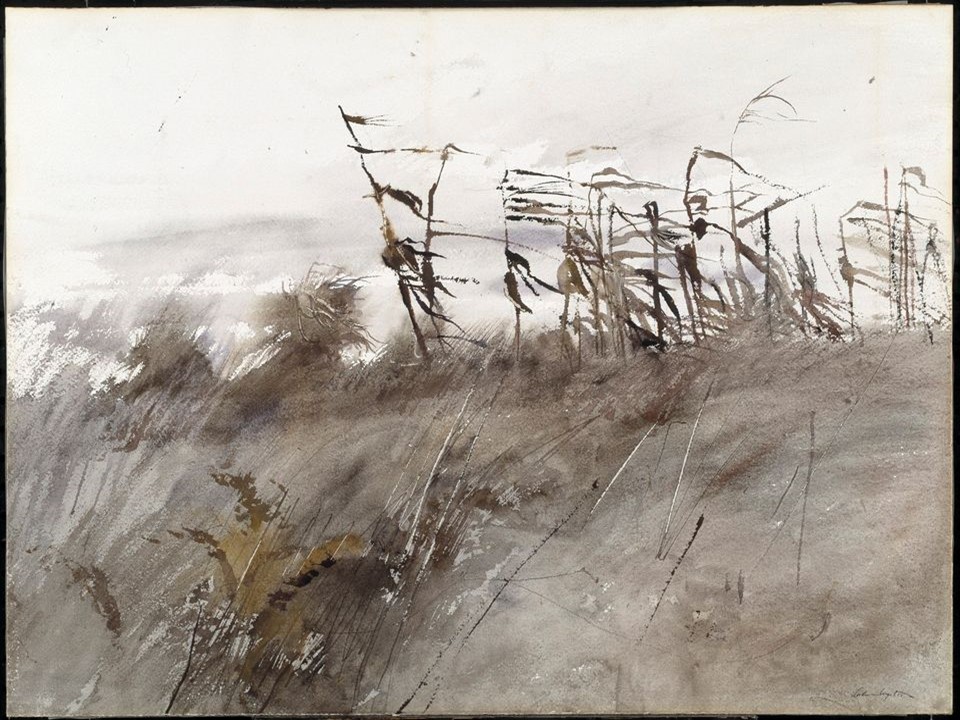
Through muted ochres and November greys, Andrew Wyeth’s watercolour November First tenderly captures the quiet beauty of decay and renewal — a meditation on solitude, nature’s cycles, and passing time.
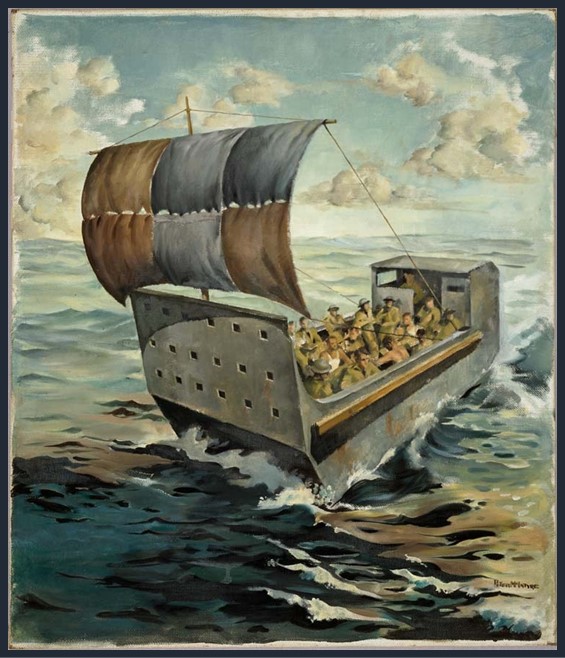
Discover Peter McIntyre’s powerful paintings of the 1941 Battle of Crete — a New Zealand war artist’s firsthand visual record of courage, sacrifice, and the unforgettable human cost of war.
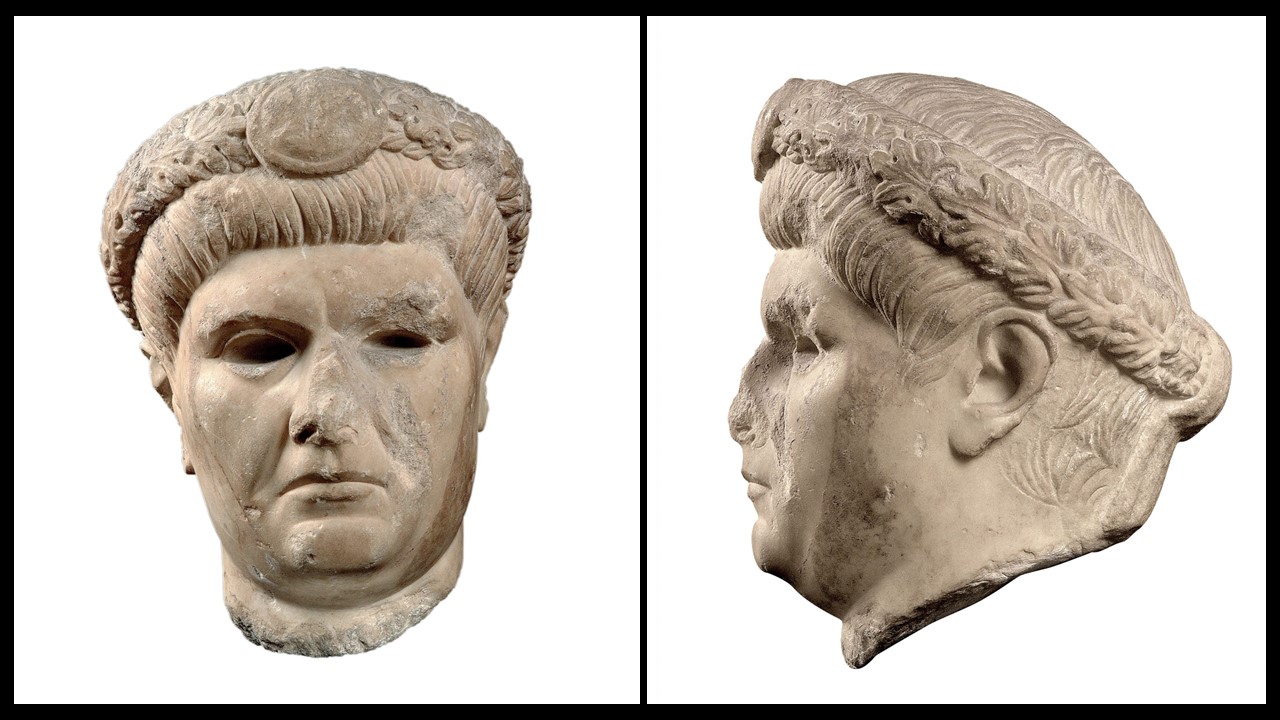
Meet Emperor Galerius — the Roman Tetrarchy’s formidable ruler whose enduring monuments still grace Thessaloniki today, a warrior emperor whose stern portrait powerfully embodies absolute imperial authority and unwavering strength.
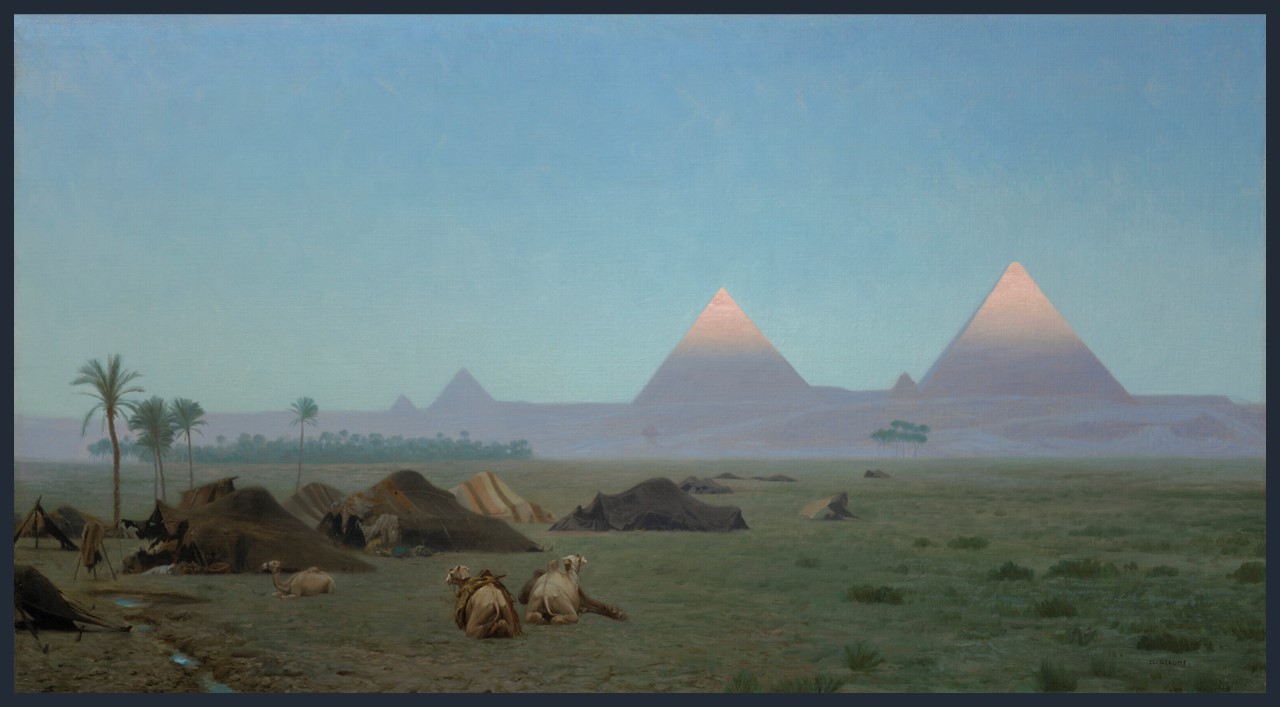
Explore Jean-Léon Gérôme’s breathtaking The First Kiss of the Sun — a masterful Orientalist vision of Giza’s pyramids bathed in golden morning light, painted with ethereal beauty and meticulous precision.
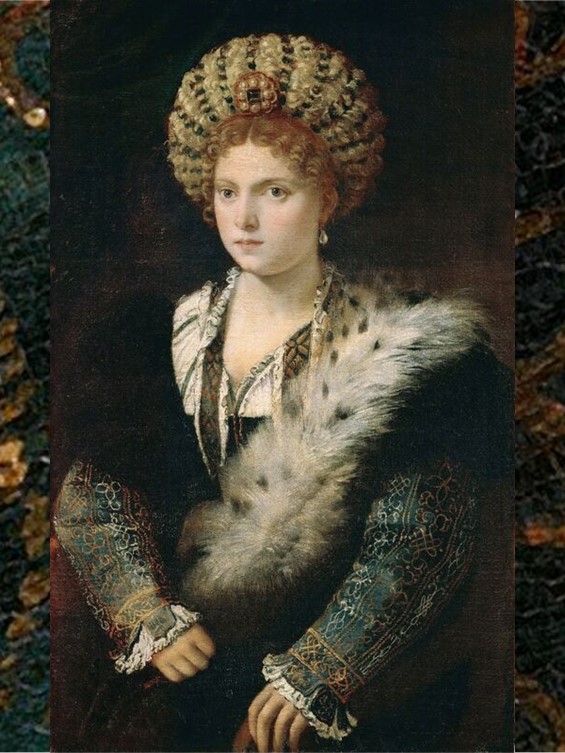
Discover Titian’s captivating Portrait of Isabella d’Este — a masterful Renaissance likeness of the powerful Marchioness of Mantua, radiating regal elegance, timeless beauty, and the divine power of great portraiture.
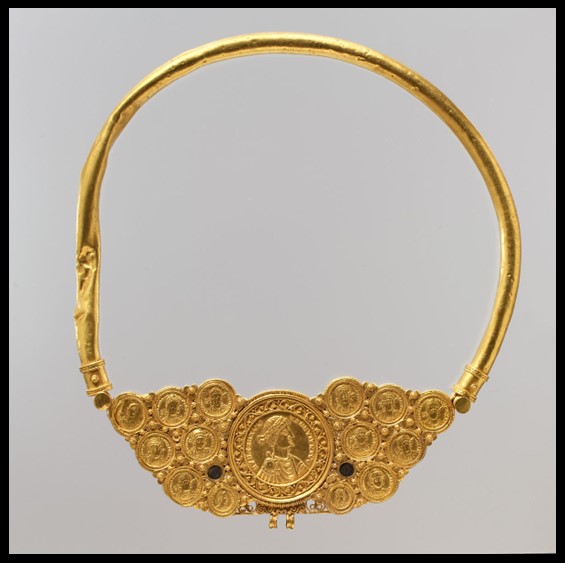
Explore the opulent Byzantine Imperial Neck Ring at the Met — a breathtaking gold pectoral adorned with coins and medallions, symbolising power, faith, and the grandeur of Byzantine imperial authority.
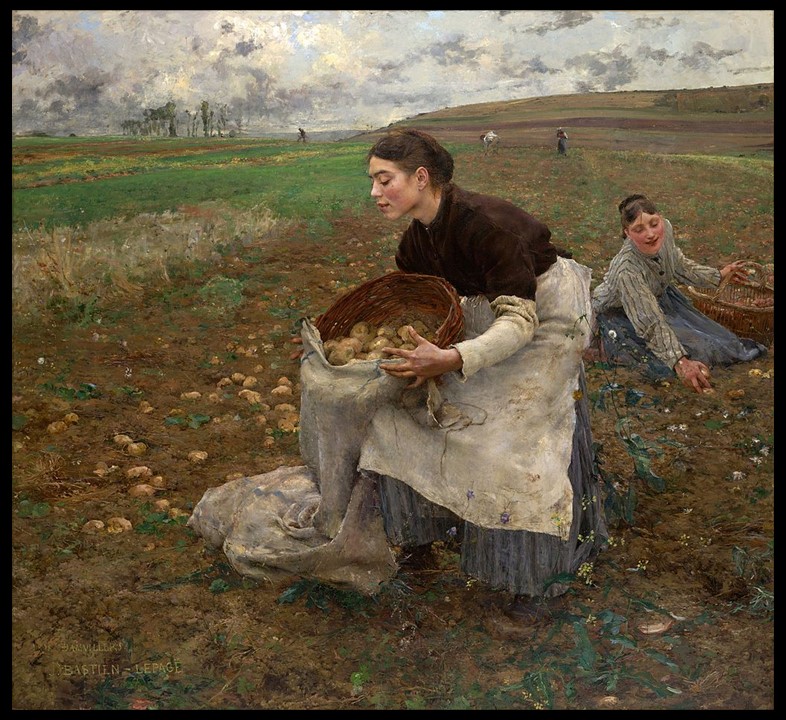
Discover Jules Bastien-Lepage’s powerful October — a dignified Naturalist masterpiece capturing the bleak beauty of the autumn potato harvest, rendered with breathtaking honesty, vigour, and deep respect for rural life.
Relive the legendary 1401 Florence Baptistery competition — where Ghiberti’s gilded genius triumphed over Brunelleschi’s brilliance, launching one of the Renaissance’s most captivating artistic rivalries, as told by Vasari himself.
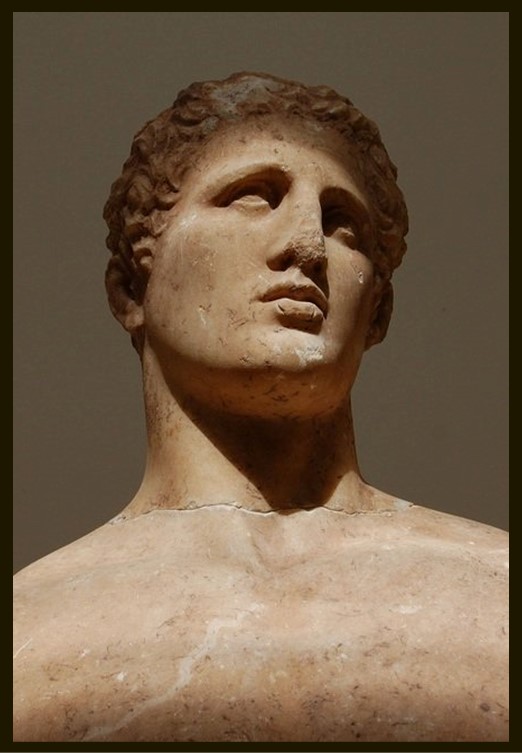
Marvel at Agias of Delphi — a masterpiece from the Daochos Monument, possibly linked to sculptor Lysippos, immortalising a legendary Thessalian pankration champion with restless elegance and timeless athletic nobility.
Explore Matisse’s monumental The Dance at the Barnes Foundation — a triumphant return to modernist boldness, where sweeping figures across pink and blue fields reignited a great master’s creative genius.