In Study for Ta Kalanta, children singing carols evoke Greek festive tradition, uniting realism and symbolism in a warm, luminous scene of memory, community, and seasonal celebration.
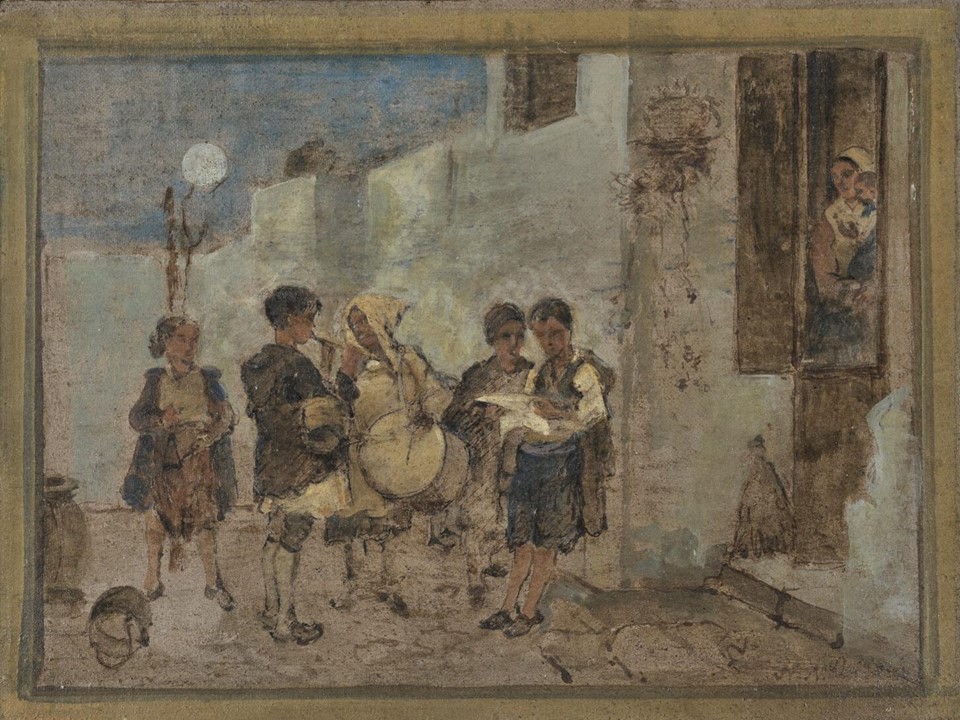
In Study for Ta Kalanta, children singing carols evoke Greek festive tradition, uniting realism and symbolism in a warm, luminous scene of memory, community, and seasonal celebration.
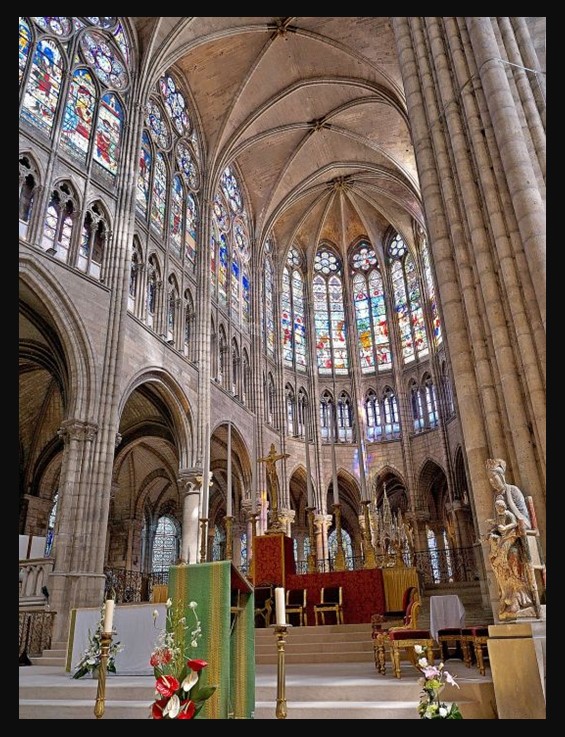
At Stained Glass Rose Window of the North Transept of the Basilica of Saint Denis, Gothic art reaches its spiritual height, where coloured light, intricate tracery, and sacred narrative transform stone into an illuminated vision of divine aspiration.
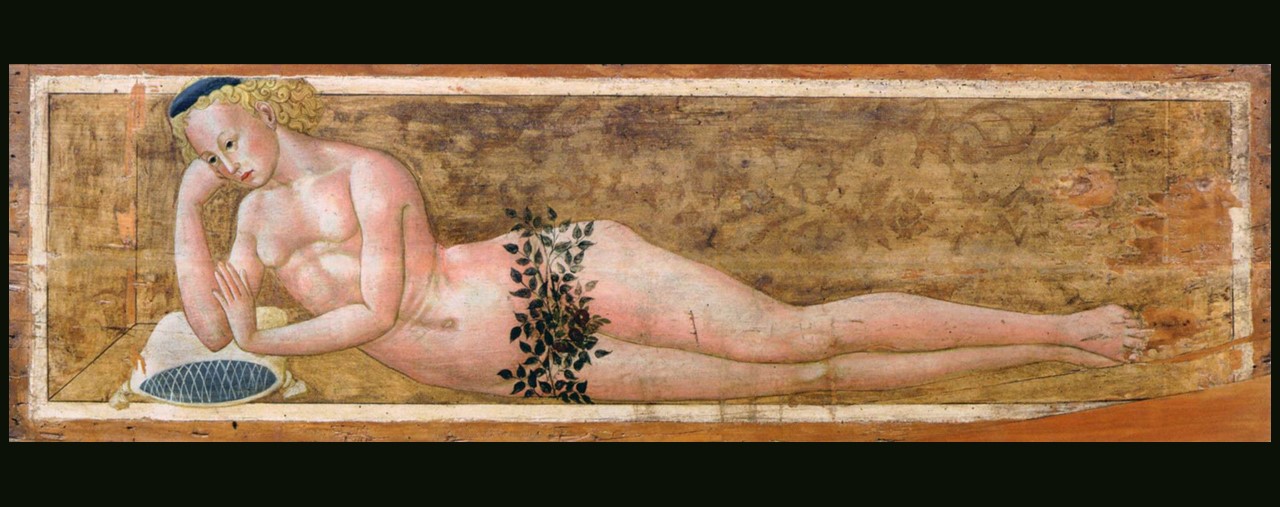
At Reclining Youth (cassone lid), Renaissance domestic art merges moral reflection and intimate beauty, where classical ideals and family values shape a serene image intended to adorn and elevate everyday life.
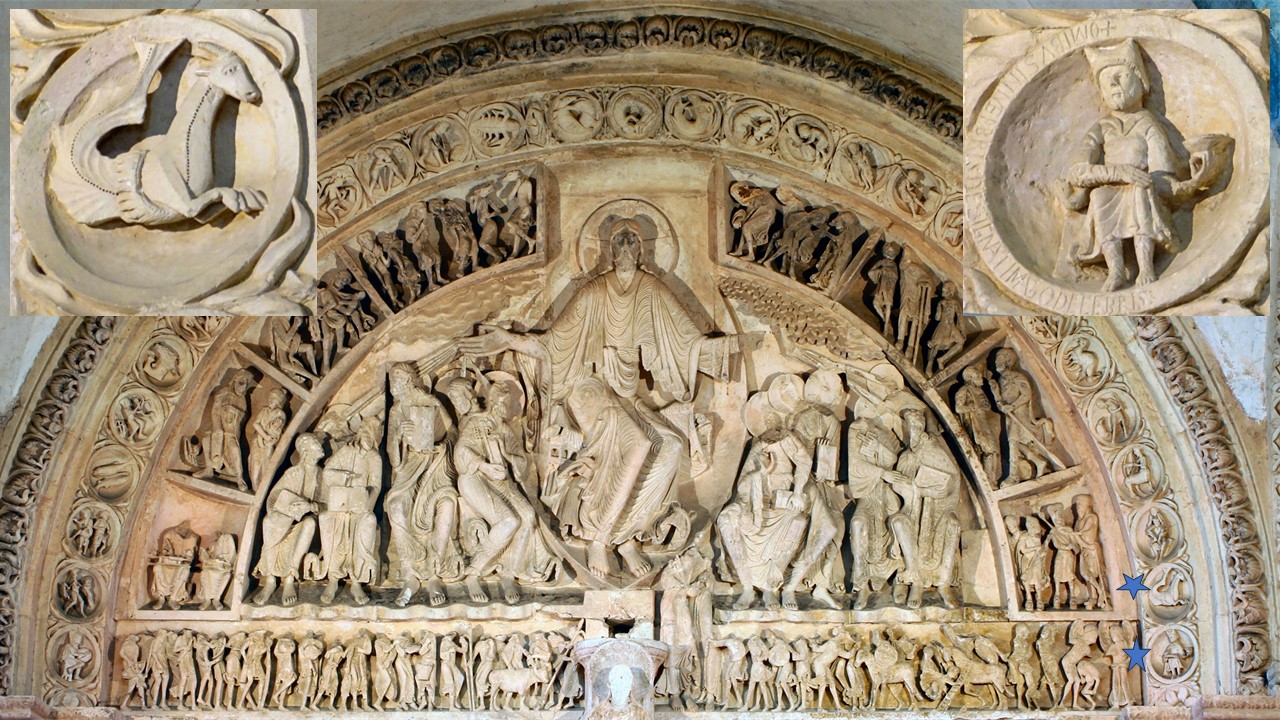
Discover the magnificent tympanum of Vézelay’s Abbey Church — a Romanesque masterpiece blending Christ, the Apostles, zodiac signs, and the peoples of the world in one breathtaking sculpted portal.
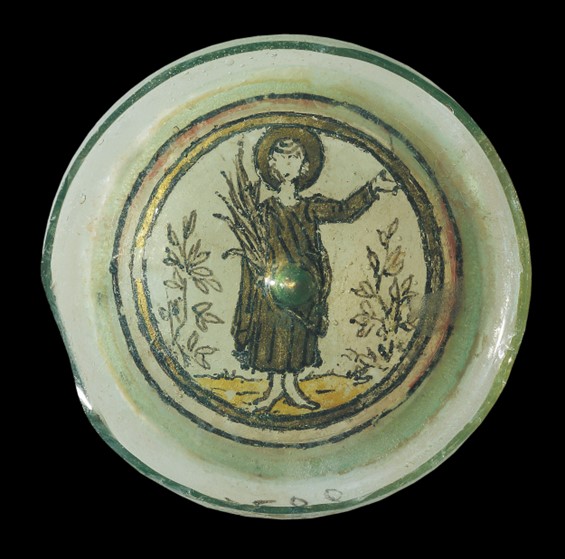
Discover the rare Gold Sandwich-Glass Vase at Athens’ Canellopoulos Museum — an exquisite ancient technique fusing gold leaf between glass layers, crafting objects of breathtaking beauty and spiritual significance.
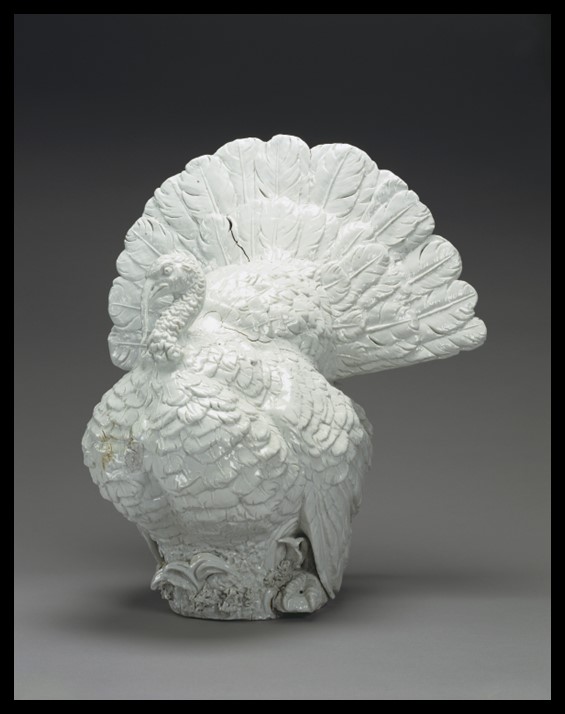
Meissen Porcelain Manufactory reached extraordinary refinement in A Turkey, where Johann Joachim Kändler transforms porcelain into lifelike elegance and sculptural storytelling.
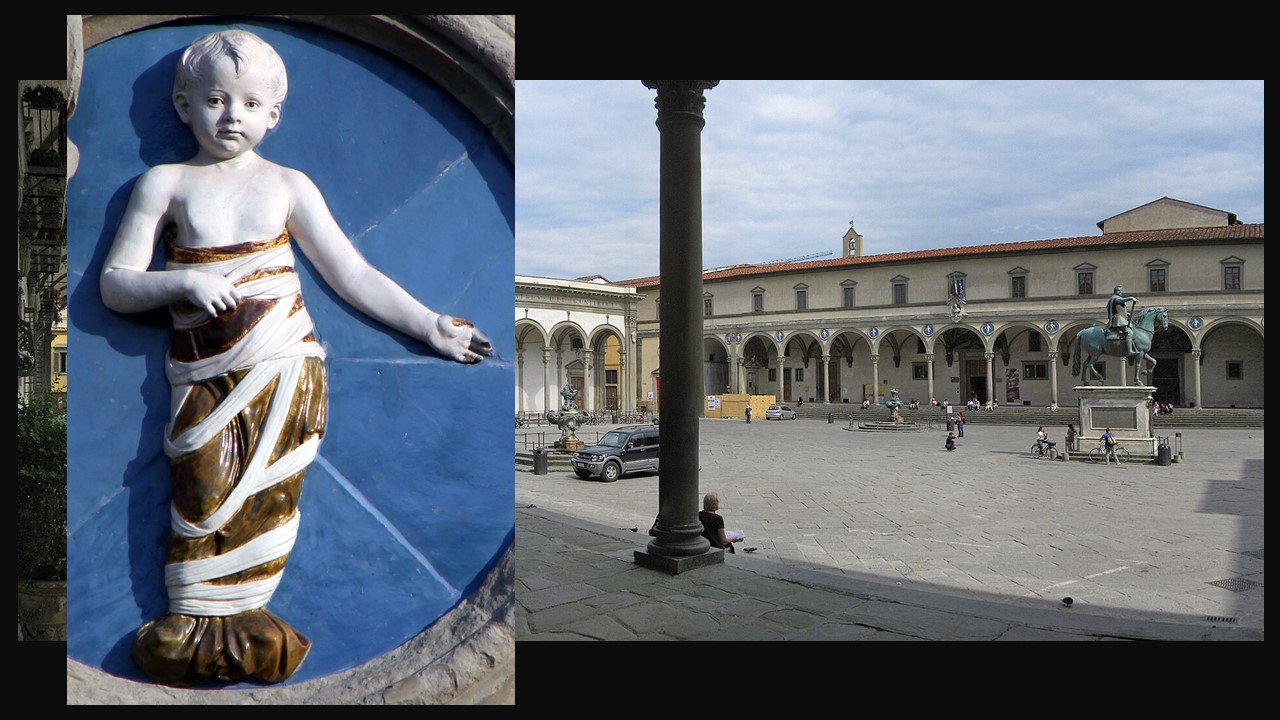
Explore Florence’s Ospedale degli Innocenti — Brunelleschi’s Renaissance masterpiece built for orphaned children, adorned with Andrea della Robbia’s tender glazed terracotta roundels, celebrating innocence, compassion, and timeless artistic beauty.
Discover Romanesque art and architecture — a medieval European legacy of massive stone structures, rounded arches, and richly sculpted portals conveying Christian teachings through breathtaking artistry and timeless symbolic storytelling.
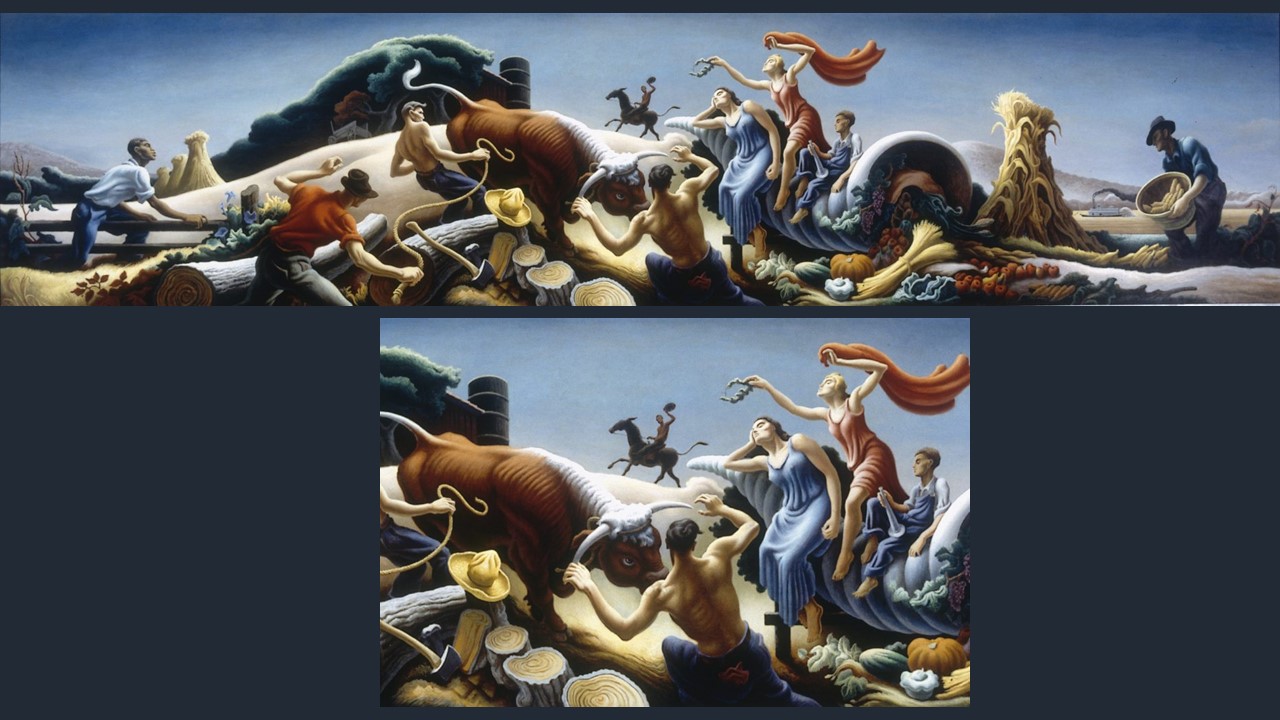
Explore Thomas Hart Benton’s masterful 1947 mural reimagining the Greek myth of Achelous and Hercules — a powerful fusion of classical mythology and the American Midwest’s spirit of strength and abundance.
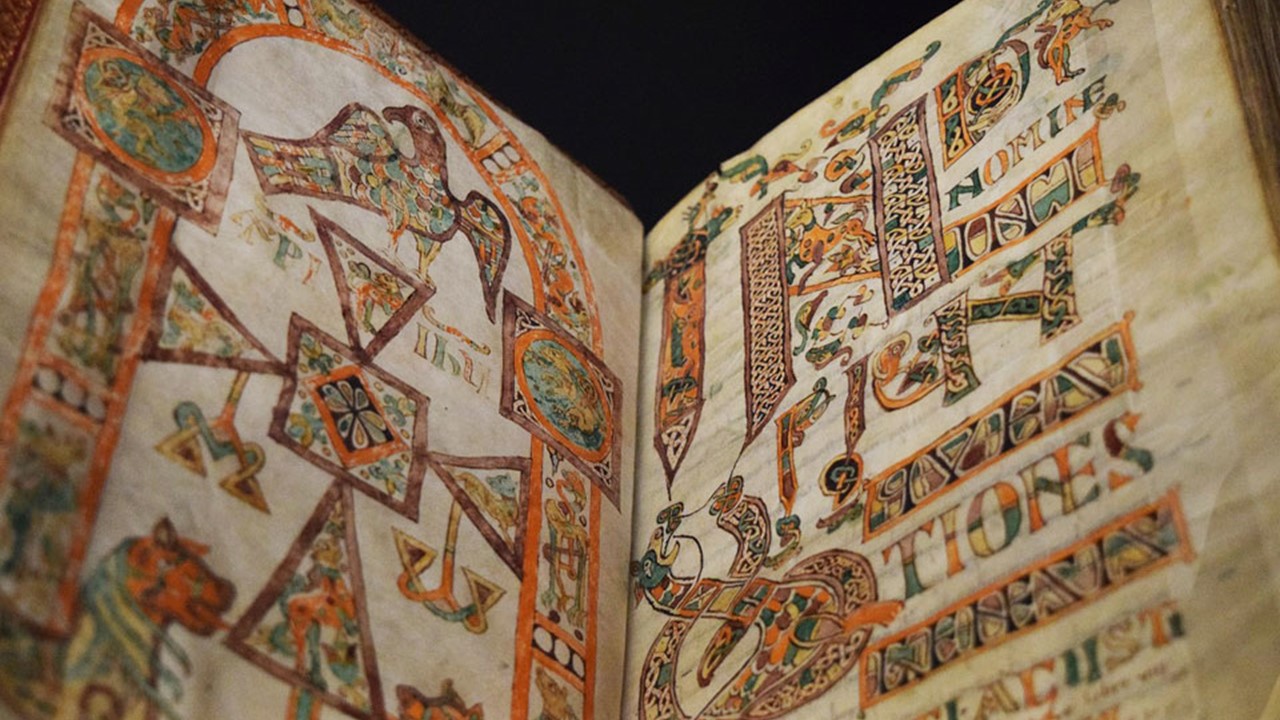
Uncover the legendary Merovingian Dynasty — Frankish rulers who shaped medieval Europe from the 5th to 8th centuries, leaving a rich legacy of myth, metalwork, and early Christian culture.