Temple A at Prinias (7th century BC) is an early Greek temple combining megaron-style architecture with pioneering Daedalic sculptural decoration, reflecting experimentation in Archaic Greek art and design.
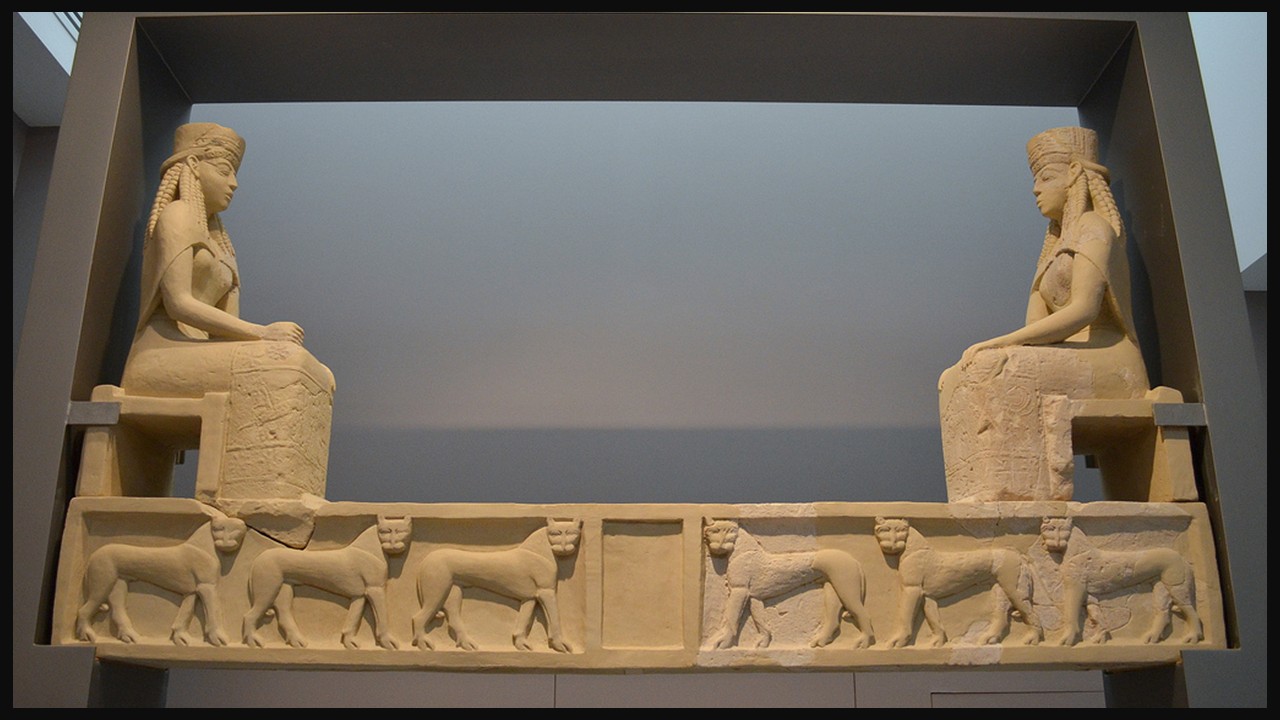
Temple A at Prinias (7th century BC) is an early Greek temple combining megaron-style architecture with pioneering Daedalic sculptural decoration, reflecting experimentation in Archaic Greek art and design.
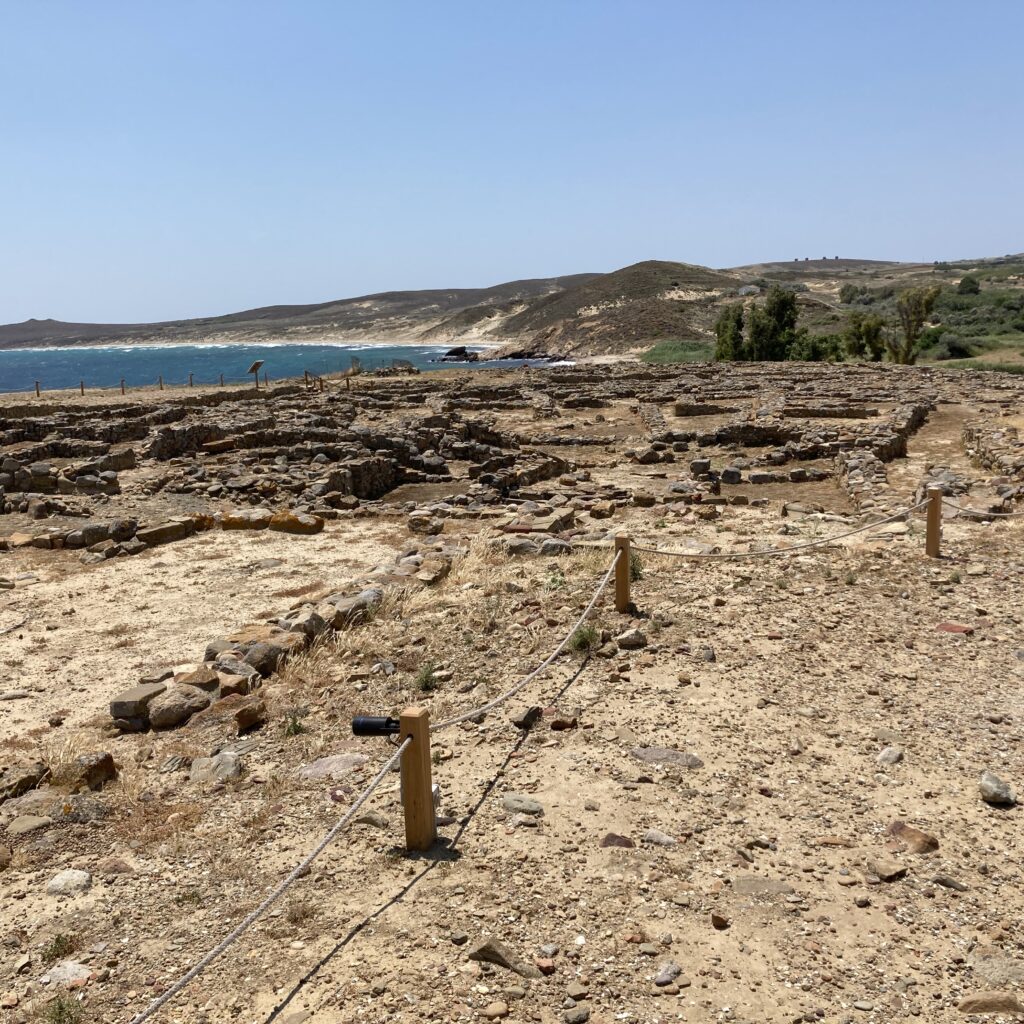
Poliochne on Lemnos reveals one of Europe’s earliest cities, where planned streets, communal spaces, and evolving Bronze Age architecture illuminate the rise of complex urban life in the Aegean.
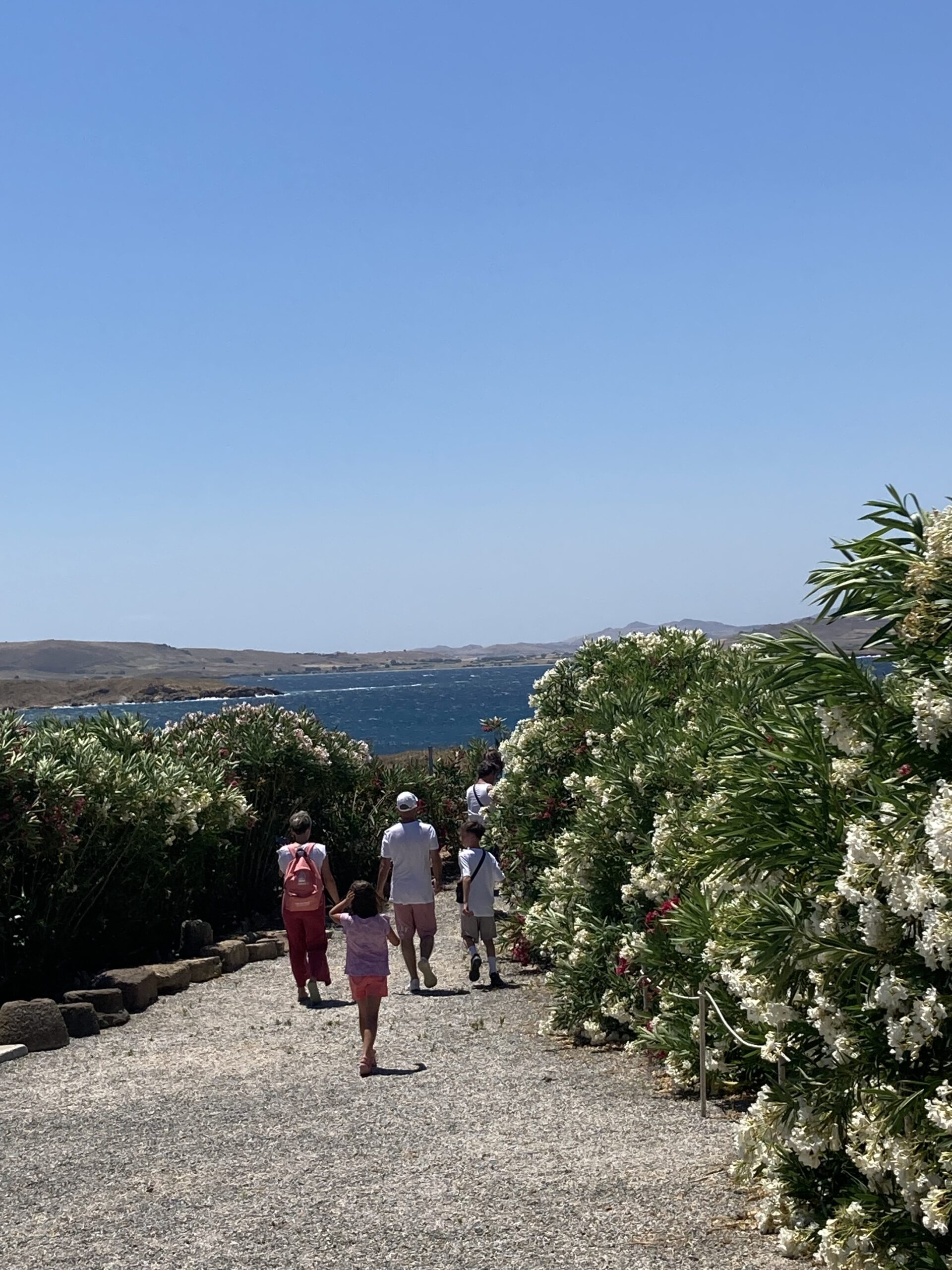
Hephaistia on Lemnos preserves a layered ancient city where sanctuary, theatre, and domestic life intertwine, offering a tranquil archaeological landscape shaped by myth, civic identity, and centuries of continuous habitation.
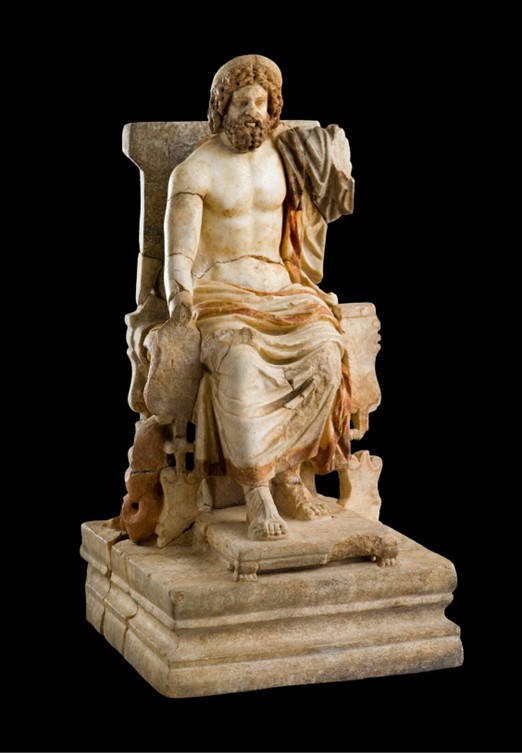
Unearthed in a luxurious Roman villa in Corinth, a marble statuette of Asclepius enthroned reveals the quiet persistence of pagan devotion even as Christianity reshaped the ancient world.
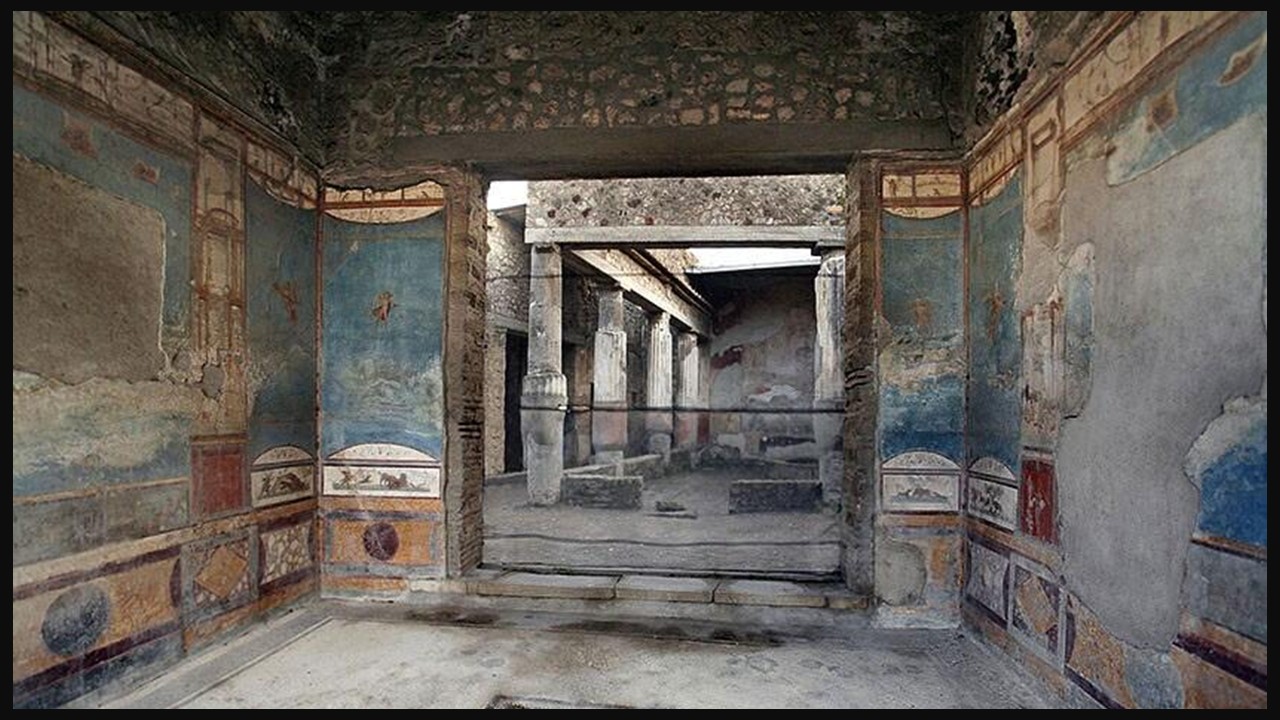
Pompeii’s House of the Ancient Hunt offers an intimate window into Roman elite life — its vivid hunting frescoes and mythological scenes a breathtaking testament to ancient artistry and domestic refinement.
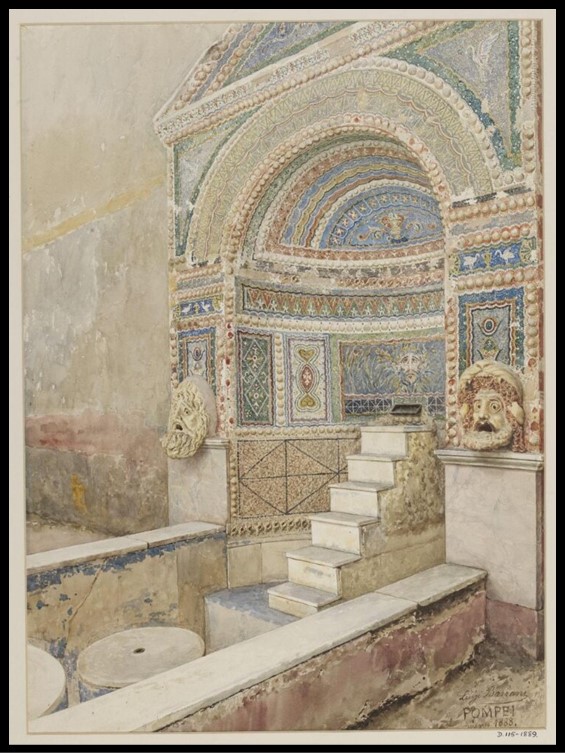
Explore Pompeii watercolours by Luigi Bazzani—where art meets archaeology, capturing the haunting beauty and living memory of Pompeii.
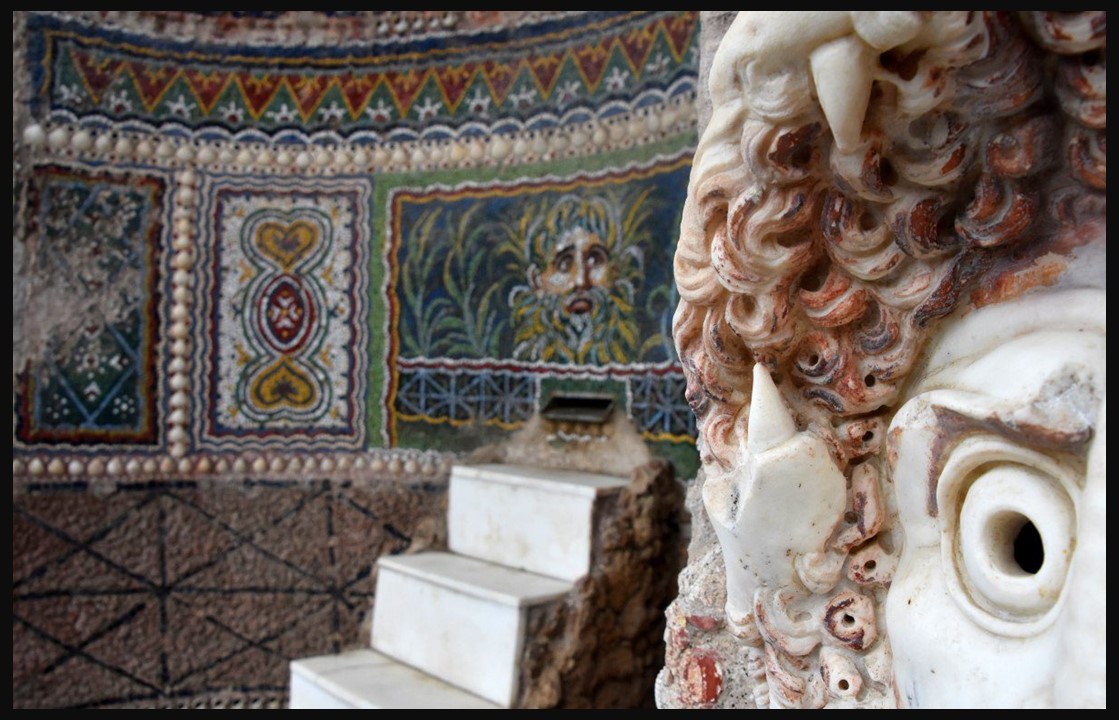
Explore the House of the Large Fountain—a luxurious residence in Pompeii famed for mosaics, sculpture, and its elaborate garden fountain reflecting elite Roman domestic life.
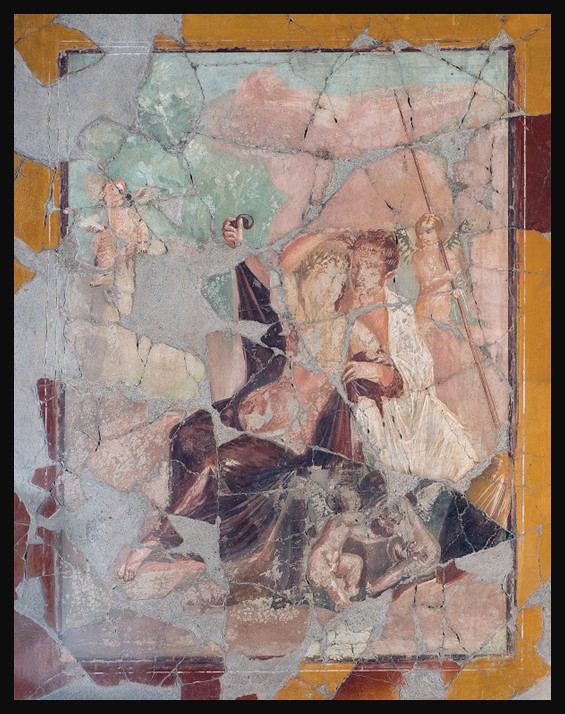
Herculaneum’s House of the Bicentenary — mythological frescoes, opulent mosaics, and noble elegance frozen in time — survives Vesuvius and centuries of decay through extraordinary modern conservation efforts.
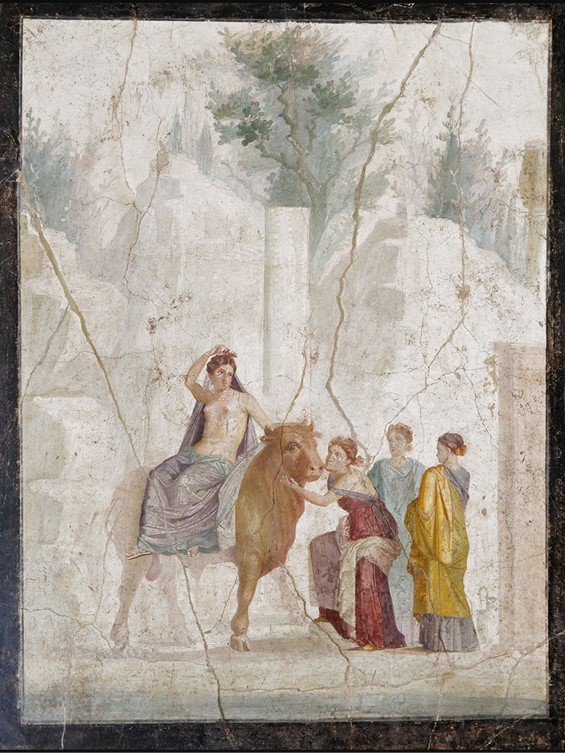
At House of Jason, the fresco of Abduction of Europa transforms Ovid’s myth into a vivid Roman vision of divine deception, capturing wonder, vulnerability, and the threshold between trust and destiny.
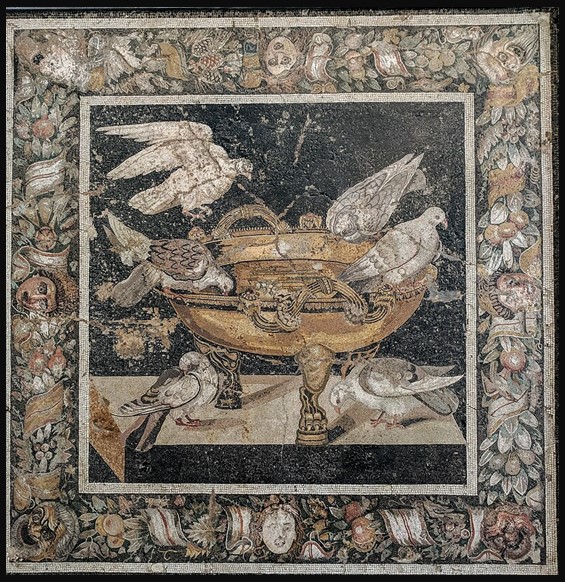
At House of the Doves, the celebrated mosaic of doves evokes Hellenistic mastery and Plinian admiration, symbolising peace, renewal, and the delicate harmony of nature preserved in Roman domestic art.