Bruegel’s Landscape with the Fall of Icarus, read alongside Ovid and Williams, transforms myth into quiet tragedy, where Icarus’s drowning is almost unnoticed amid a vast, indifferent world of labour, nature, and everyday human activity.
Simon Bening’s August
Bening’s Golf Book August scene evokes a poetic harvest landscape of golden wheat, labour, and rest, where Flemish peasants inhabit a richly detailed world of seasonal abundance, luminous colour, and harmonious rural rhythm.
Simon Bening’s July
Simon Bening’s July miniature elevates falconry into an emblem of aristocratic refinement and control over nature, while Rilke’s poem reimagines the same practice as a profound, almost spiritual bond between human and bird, united in movement, training, and freedom.
Summer by Giuseppe Arcimboldo
Vivaldi’s vivid Summer sonnet meets Giuseppe Arcimboldo’s allegorical portrait, where ripe fruits and vegetables form a lush, symbolic figure celebrating the season’s abundance and intensity.
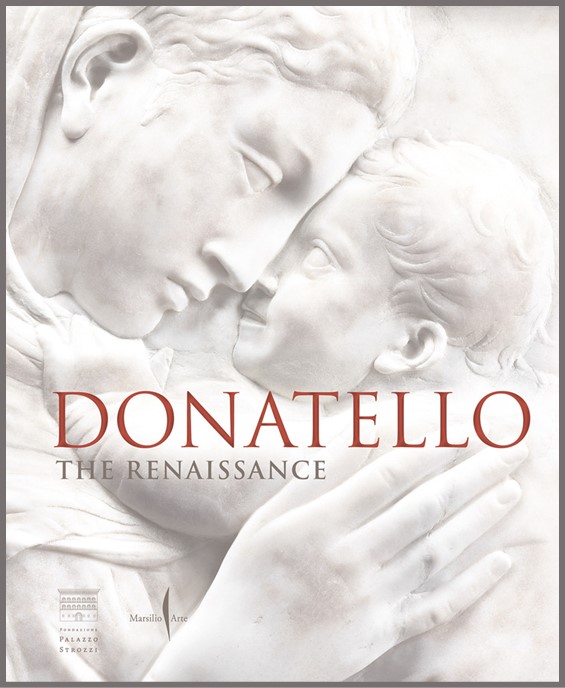
Donatello’s Pazzi Madonna
Donatello’s Pazzi Madonna (c.1420) reveals tender intimacy between mother and child, exemplifying his innovative, humanized style and groundbreaking role in shaping Renaissance sculpture.
Simon Bening’s June
Simon Bening’s June page from the Golf Book vividly depicts a chivalric tournament, where armored knights joust for honor, love, and glory amid a lively Flemish city backdrop.
Simon Bening’s May
Simon Bening’s Golf Book (May, fol. 22v) presents a vibrant Renaissance May Day scene, blending aristocratic leisure on the river with richly detailed Flemish city and countryside landscapes.
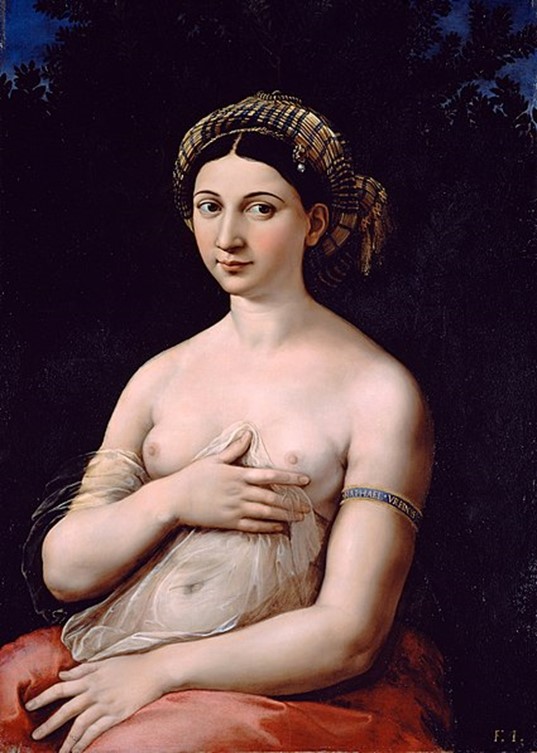
La Fornarina
La Fornarina, often linked to Raphael, portrays an enigmatic young woman whose identity remains debated, blending sensuality, symbolism, and artistic self-awareness in a work that continues to fascinate scholars.
Simon Bening’s April
Simon Bening’s April miniature from the Golf Book depicts an elegant Renaissance courtship in a lush garden, where richly dressed lovers, lively figures, and refined details celebrate spring, love, and aristocratic life.
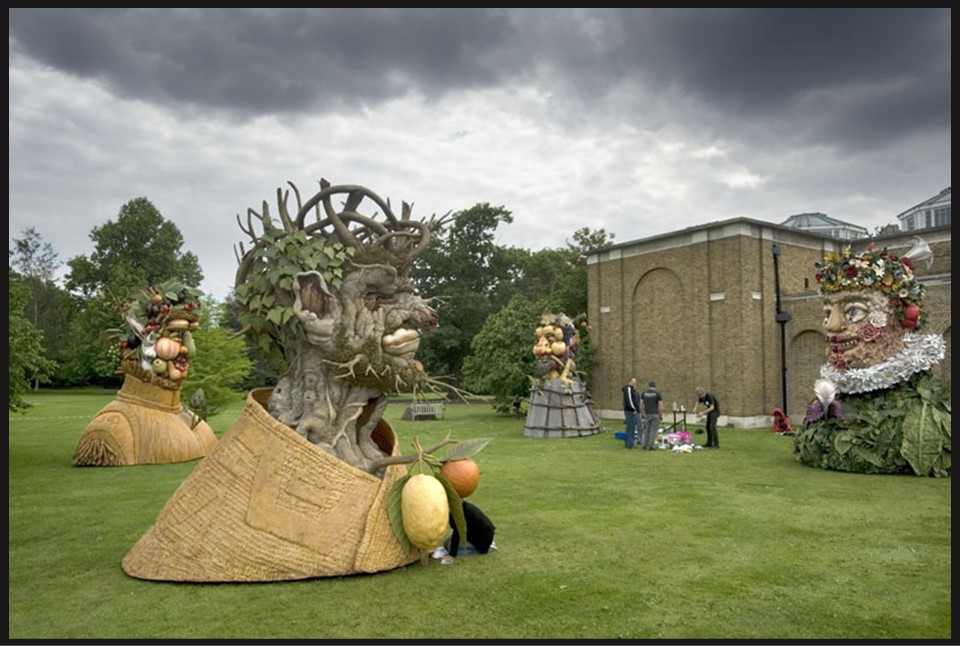
Spring by Giuseppe Arcimboldo
Giuseppe Arcimboldo, a Renaissance artist from Milan, gained fame for his imaginative portraits and court work, rising from early commissions to serve the Habsburg emperors in Vienna and Prague.