Discover Titian’s captivating Portrait of Isabella d’Este — a masterful Renaissance likeness of the powerful Marchioness of Mantua, radiating regal elegance, timeless beauty, and the divine power of great portraiture.
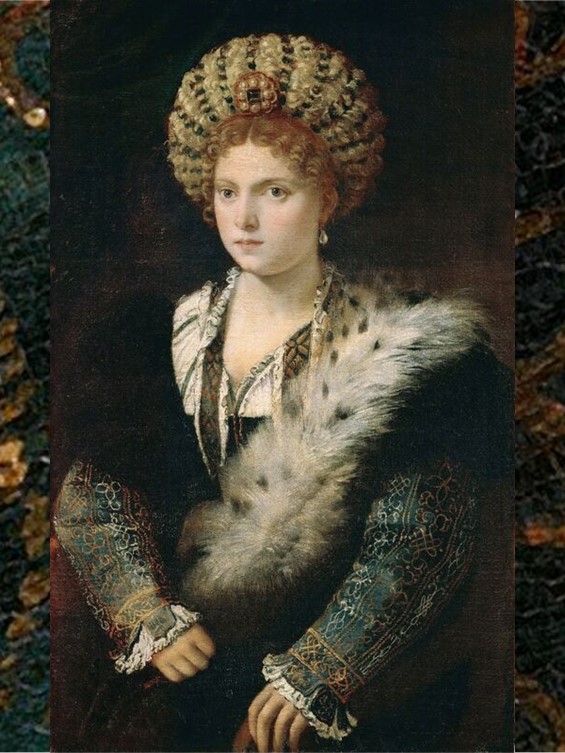
Discover Titian’s captivating Portrait of Isabella d’Este — a masterful Renaissance likeness of the powerful Marchioness of Mantua, radiating regal elegance, timeless beauty, and the divine power of great portraiture.
Relive the legendary 1401 Florence Baptistery competition — where Ghiberti’s gilded genius triumphed over Brunelleschi’s brilliance, launching one of the Renaissance’s most captivating artistic rivalries, as told by Vasari himself.
Inspired by Vittoria Colonna’s poetic devotion, this intimate Virgin and Child—attributed to Simon Bening—blends Flemish symbolism and tender realism, presenting Mary as a nurturing, humble source of spiritual and physical solace.
Giovanni Bellini’s Portrait of a Young Man à l’Antique (c. 1475–80) reflects Renaissance classicism and Mantegna’s influence, its enigmatic sitter—possibly Mantegna—adding intrigue to this refined and lifelike work.
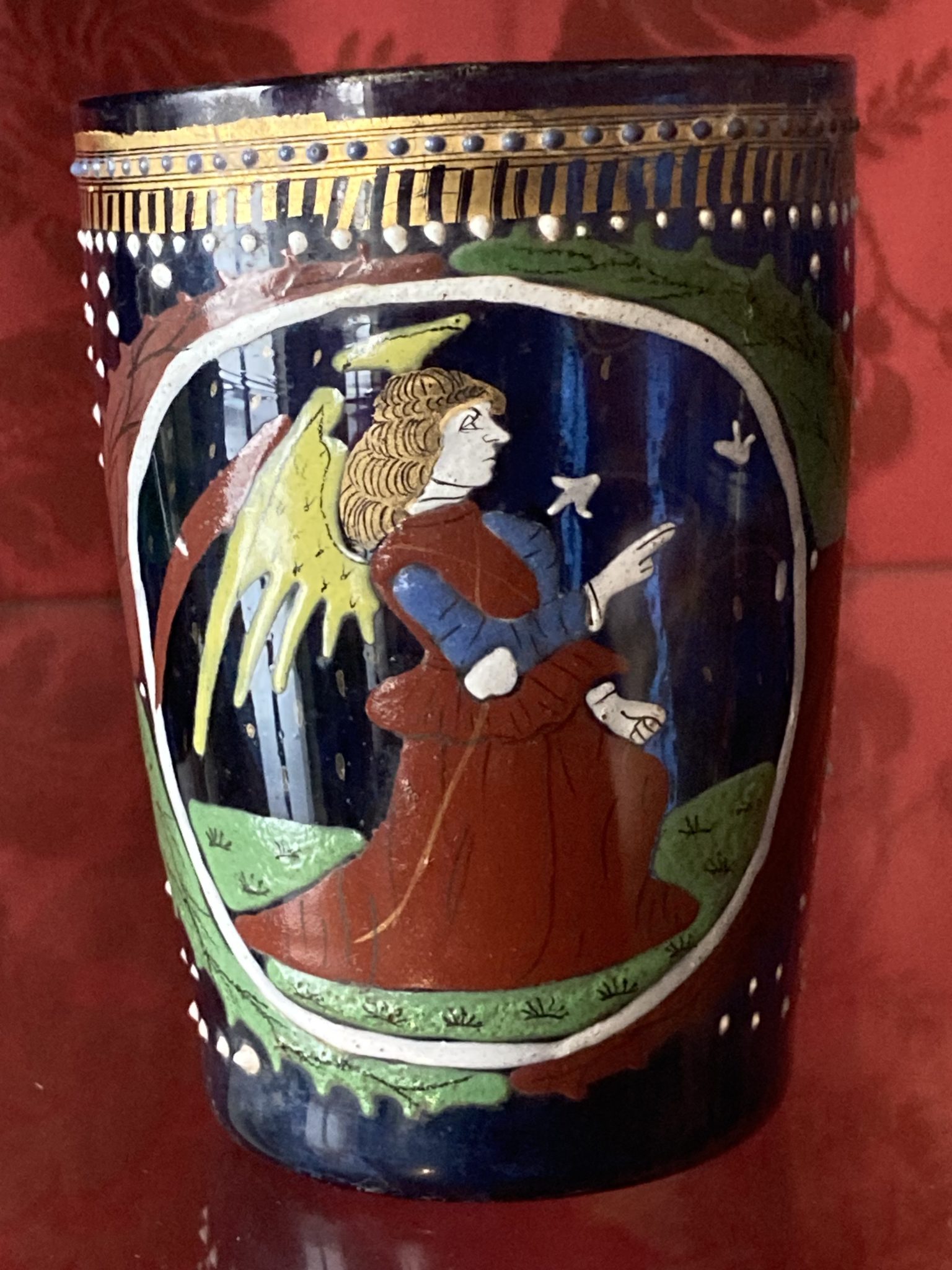
Enameled Murano glass, developed in Venice from the 15th century, transforms vessels through painted vitreous decoration, and the Jacquemart-André beaker reflects this refined tradition of color, imagery, and technical experimentation.
Encountering Giorgione’s elusive Madonna Cook, I was struck by its quiet poetry—where soft light, sparse landscape, and tender intimacy reveal the mystery and innovation of Venetian painting at its finest.
The legend of Veil of Saint Veronica transforms a simple cloth into a sacred imprint of suffering and grace, inspiring devotion, healing, and the enduring spiritual vision of Christ’s compassionate humanity.
El Greco’s Agony in the Garden translates the moment of Luke 22:42–44 into visionary intensity, where Christ’s solitary prayer, fractured space, and radiant light express divine submission and human anguish with extraordinary emotional force.
El Greco’s Christ Driving the Money Changers from the Temple reimagines Mark 11 as a turbulent vision of reform, where violent gesture, distorted space, and vivid light transform sacred outrage into a dramatic call for spiritual purification.
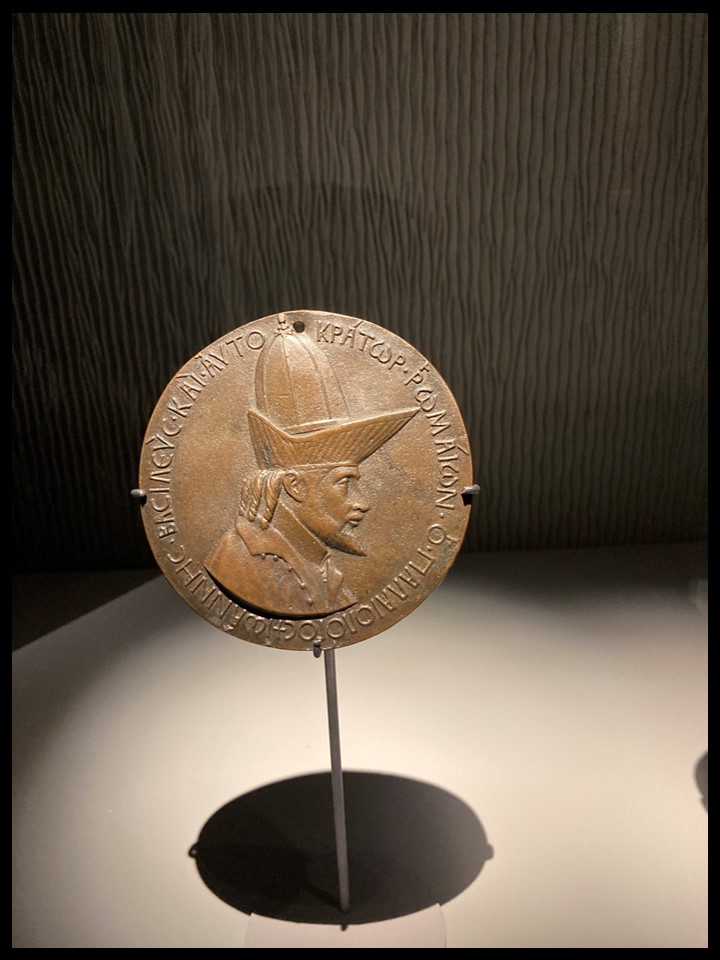
Pisanello’s depiction of John VIII Palaiologos, preserved through sketches and the famous medal, becomes a rare meeting of observation and history, where careful detail turns a fading emperor into a precise Renaissance portrait of dignity and decline.