At the Basil and Elise Goulandris Foundation, George Rorris’s portrait captures the collectors’ elegance and passion—an intimate, enigmatic introduction to a collection they cherished like family.
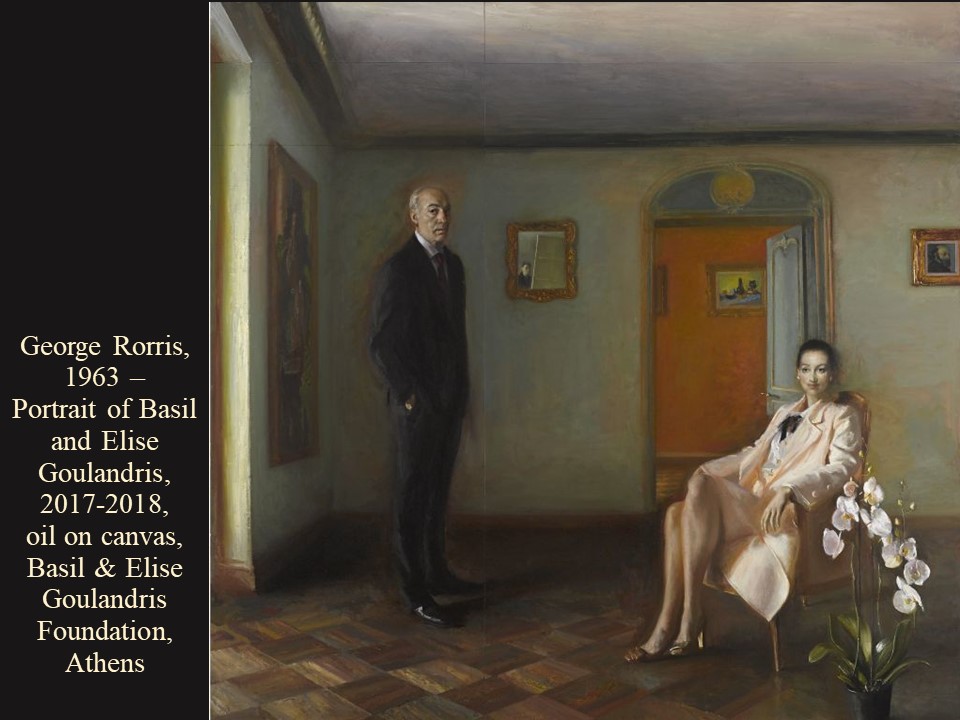
At the Basil and Elise Goulandris Foundation, George Rorris’s portrait captures the collectors’ elegance and passion—an intimate, enigmatic introduction to a collection they cherished like family.
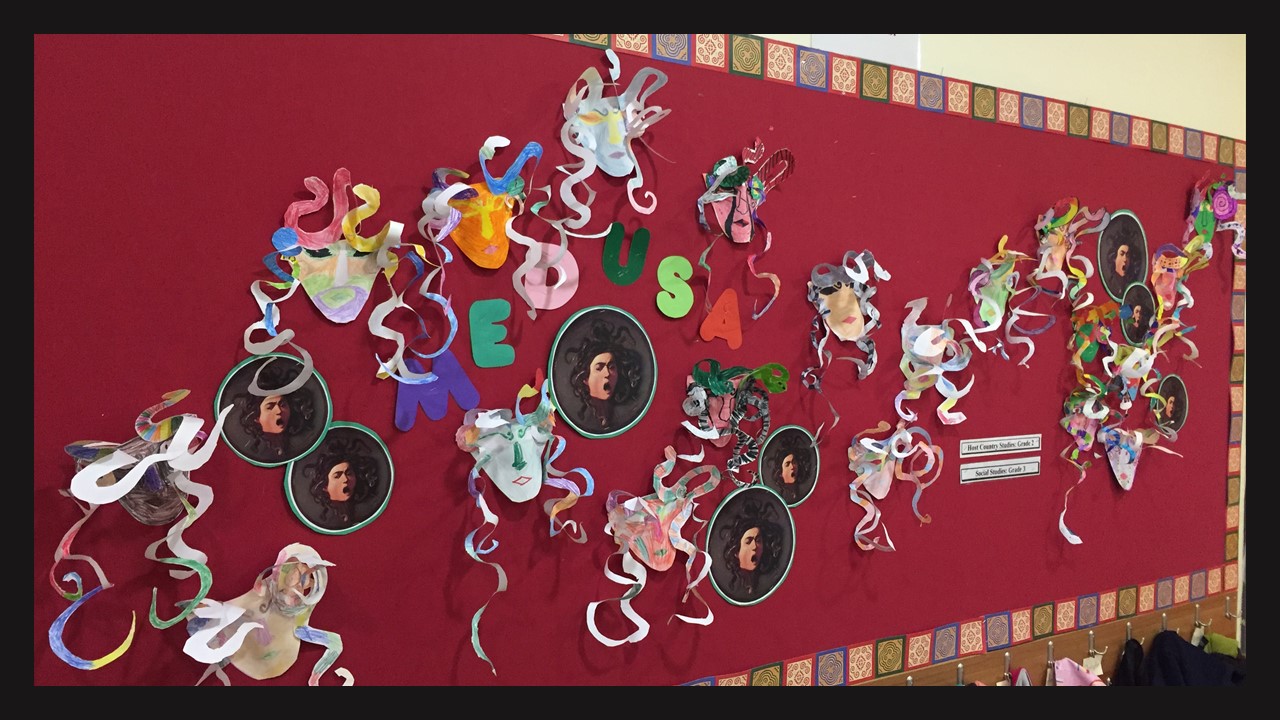
From beauty to terror, Medusa’s myth unfolds through Ovid and Caravaggio—a haunting tale of transformation, heroism, and the enduring power of her petrifying gaze.
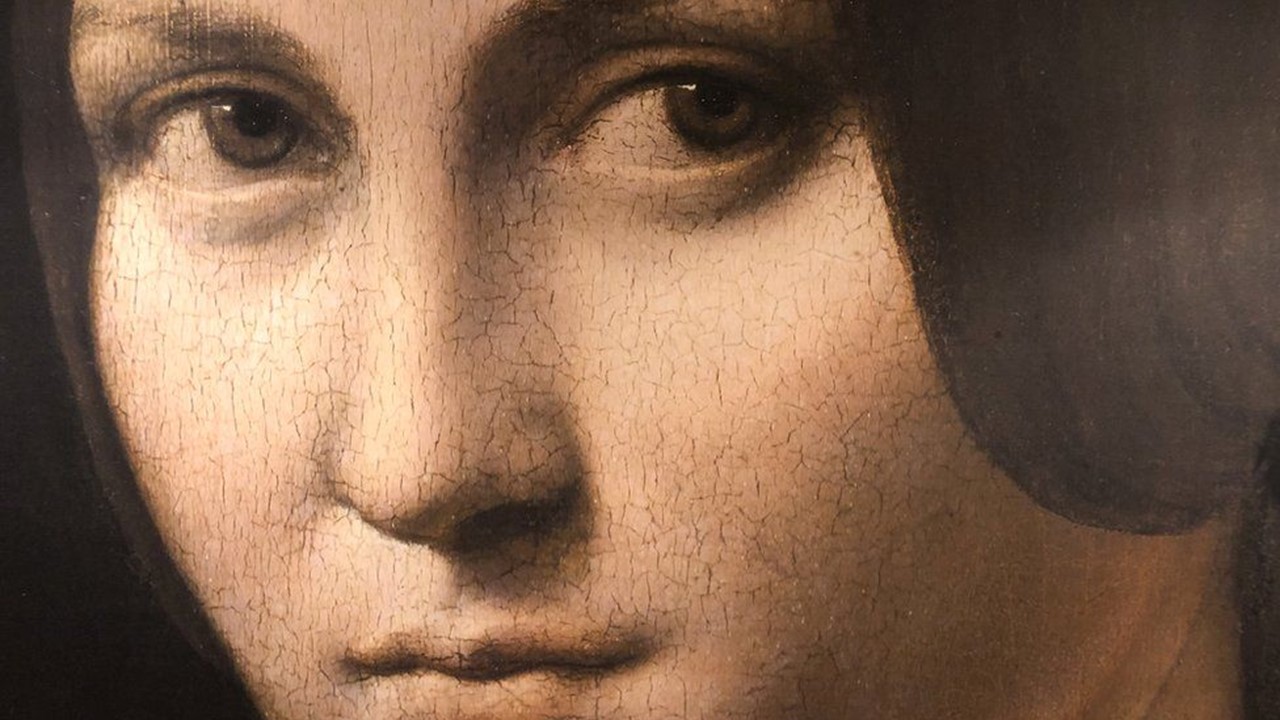
Marking 500 years since Leonardo da Vinci’s death, the Louvre Museum unveils a landmark retrospective, blending masterpieces, research, and immersive insight into the genius behind the Mona Lisa.
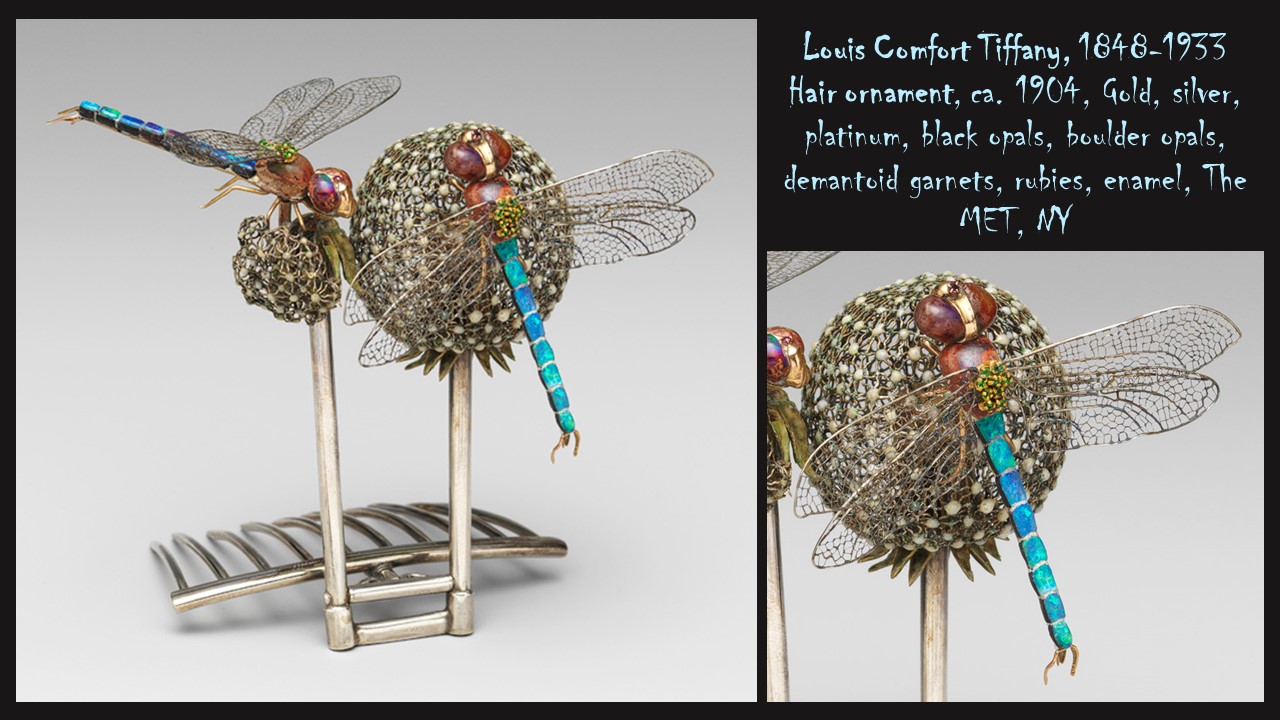
Inspired by nature’s fleeting beauty, Louis Comfort Tiffany’s dragonfly hair ornament captures fragility, luminosity, and exquisite craftsmanship—an Art Nouveau jewel where delicate forms celebrate life’s ephemeral grace.
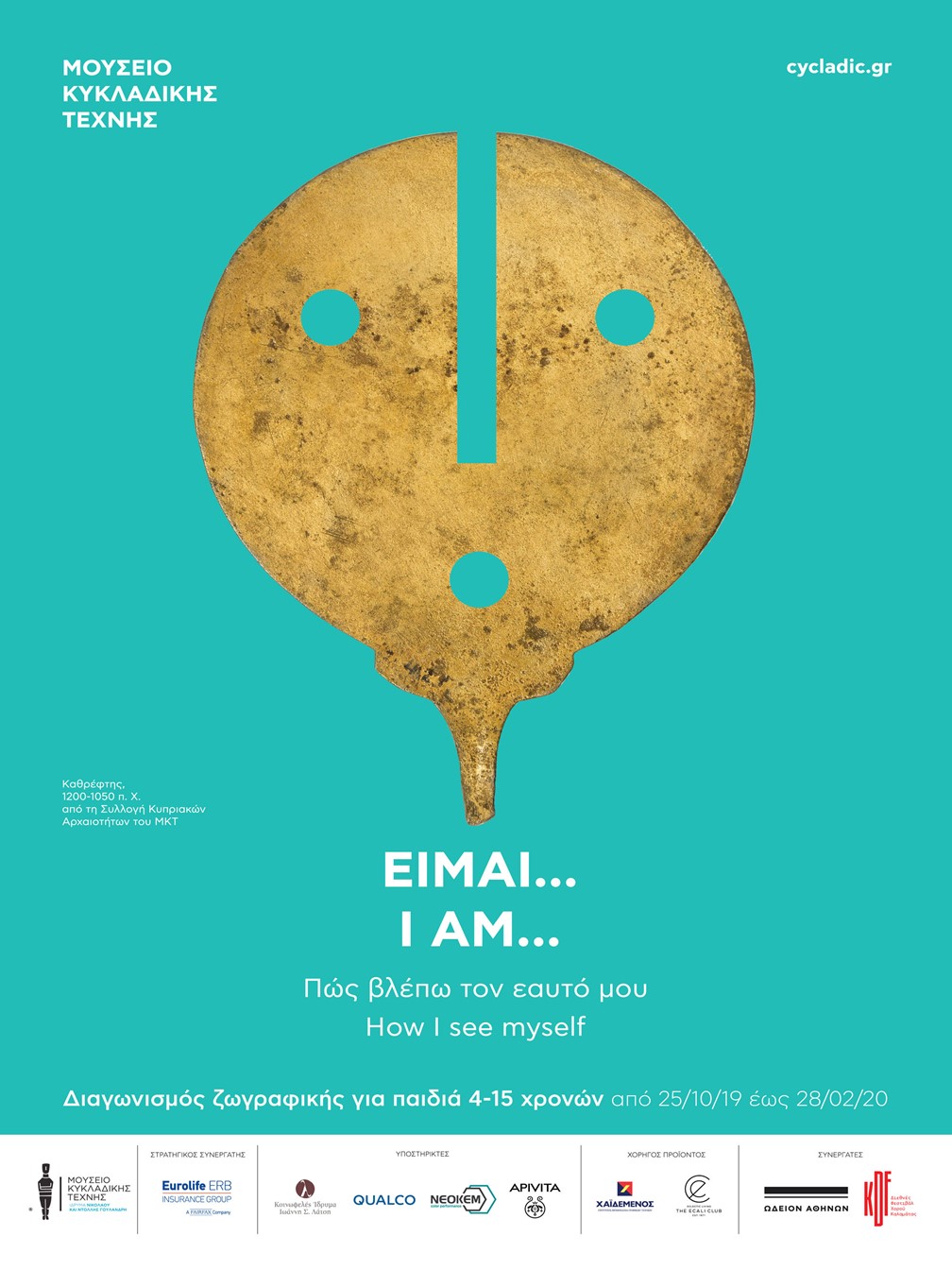
At the Museum of Cycladic Art, “I am… How I see myself” invites children to explore identity through ancient mirrors—blending creativity, history, and self-reflection in a growing artistic tradition.
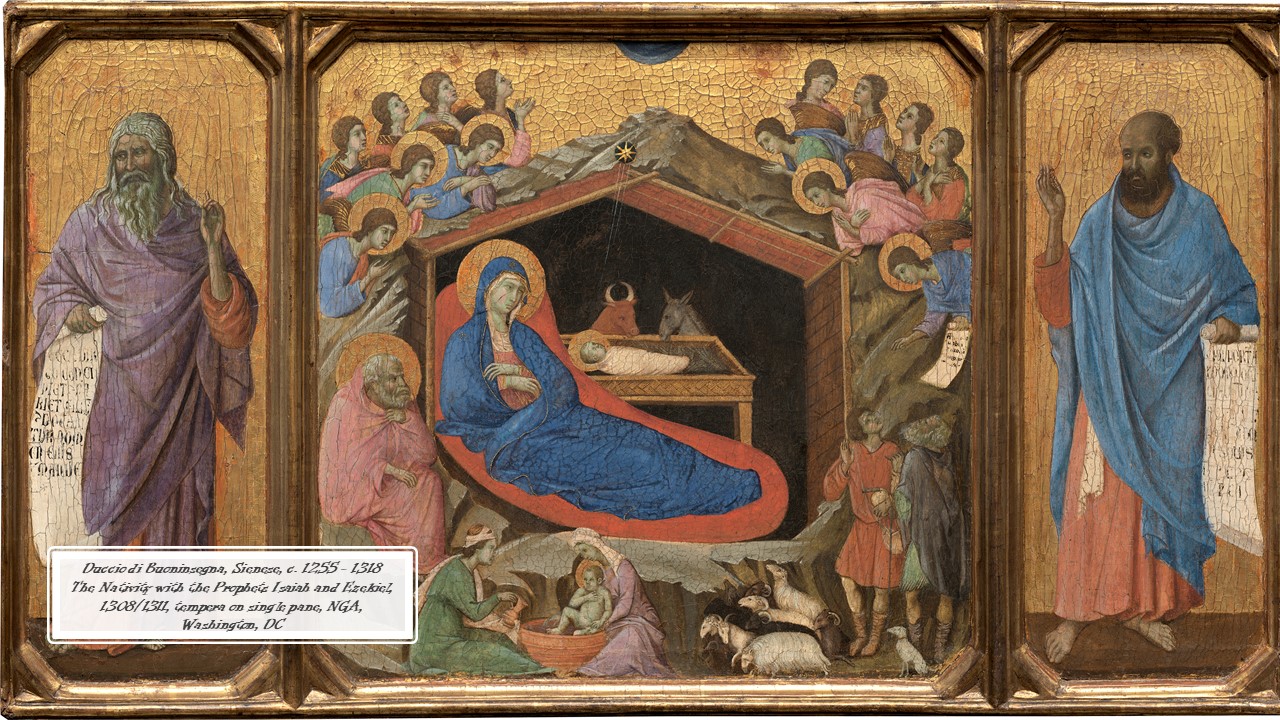
A Renaissance Triptych RWAP exploring Sienese 14th-century art, Duccio’s Maestà, and the evolution of three-panel sacred imagery rooted in the Greek idea of “threefold folds.”

Brother Peter Tabichi’s passion for education in Kenya inspires reflection on teaching values, reminding us true learning is rooted in care, vision, and commitment to students’ futures.
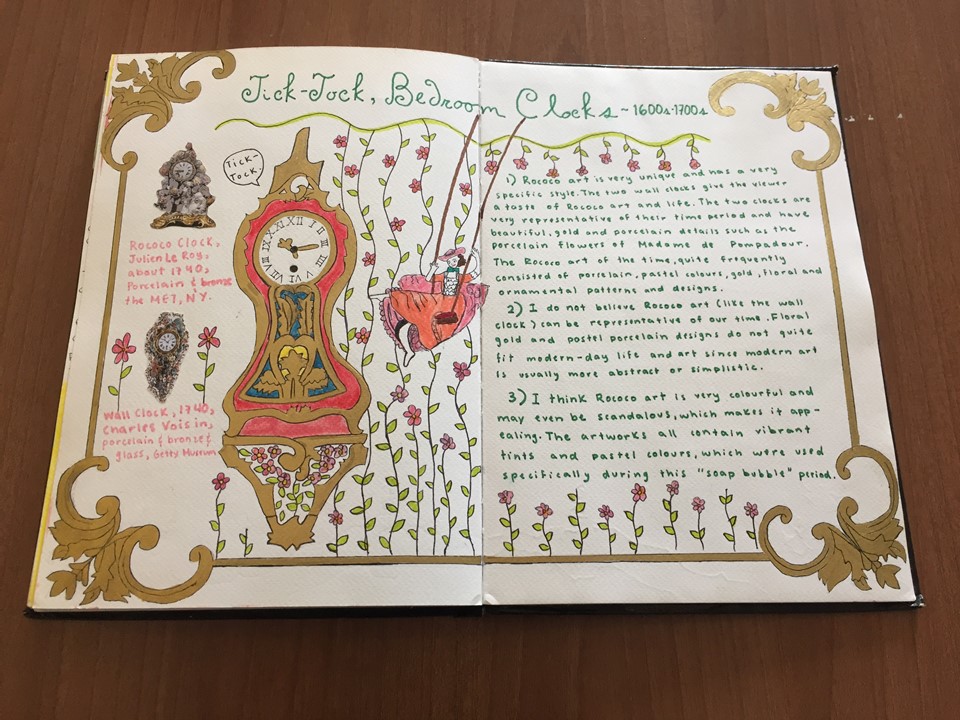
A Rococo-inspired classroom RWAP explores playful 18th-century design through decorative clocks, revealing how exuberant forms, natural motifs, and rocaille craftsmanship engage modern high school students creatively.
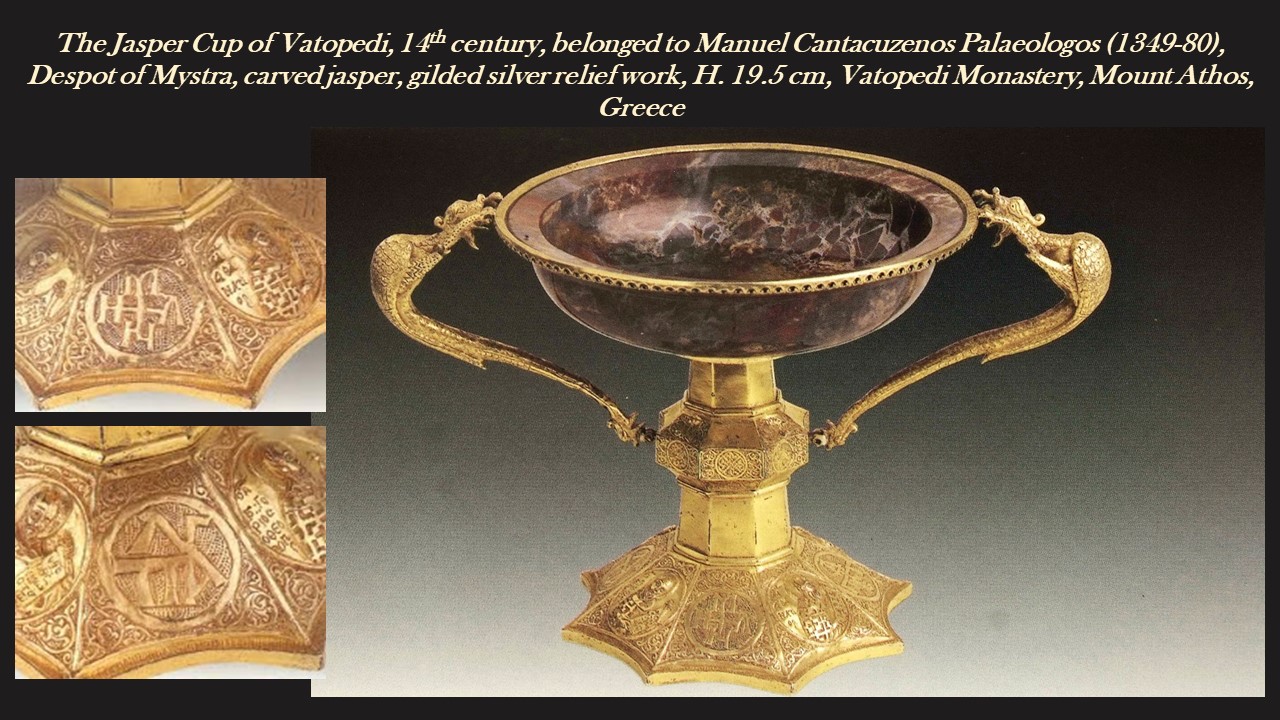
The Vatopedi Jasper Cup, a refined Late Byzantine chalice linked to Manuel Cantacuzenos Palaeologos, blends sacred inscription, intricate monograms, and Byzantine-Gothic craftsmanship into a masterpiece of spiritual and artistic synthesis.
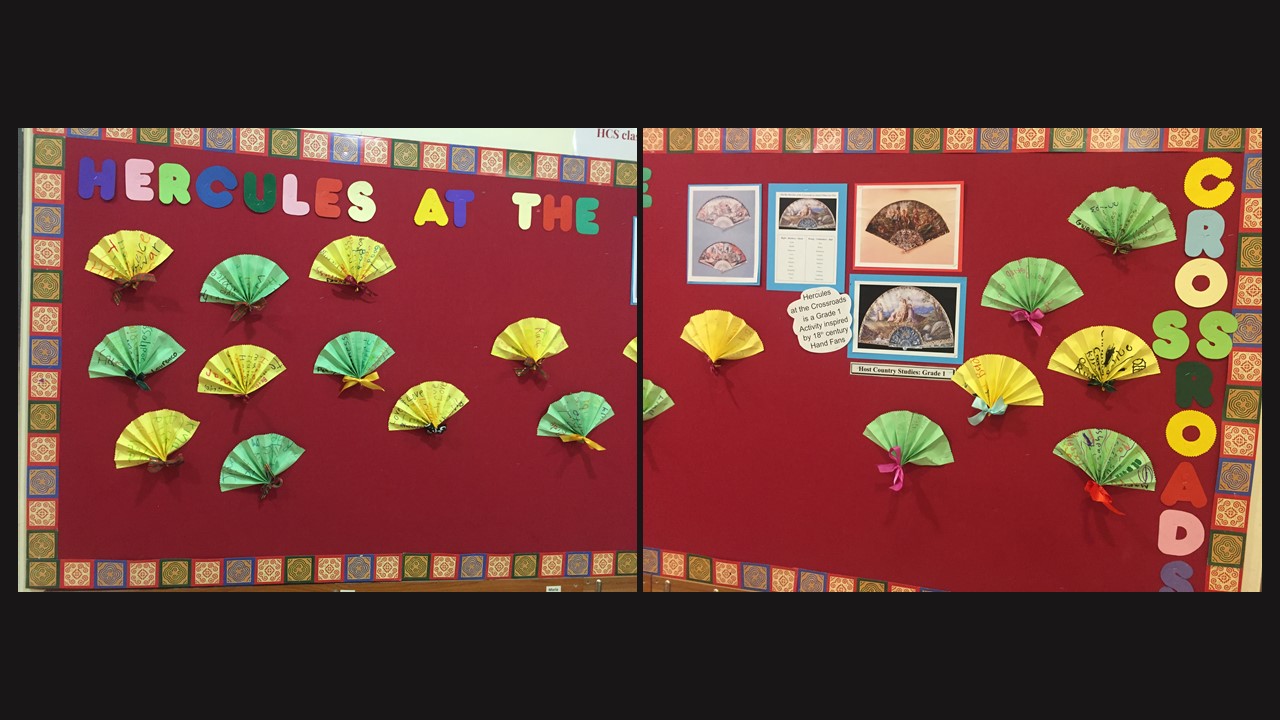
Hercules at the Crossroads, attributed to Prodicus and transmitted by Xenophon, depicts young Hercules choosing Virtue over Vice, a timeless moral journey of choice and character.