Aristide Maillol transforms the female nude into pure form and balance, seeking timeless beauty rather than character, where sculpture becomes architecture, and La Méditerranée embodies serene, classical simplicity.
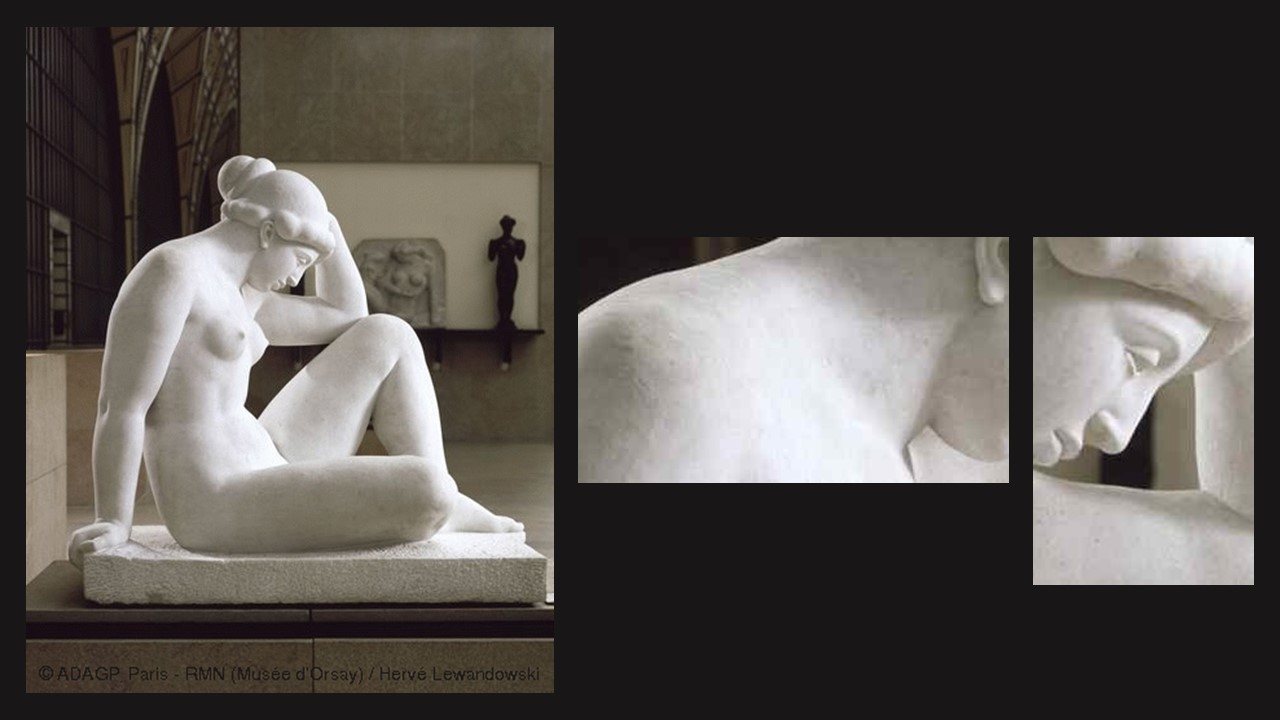
Aristide Maillol transforms the female nude into pure form and balance, seeking timeless beauty rather than character, where sculpture becomes architecture, and La Méditerranée embodies serene, classical simplicity.
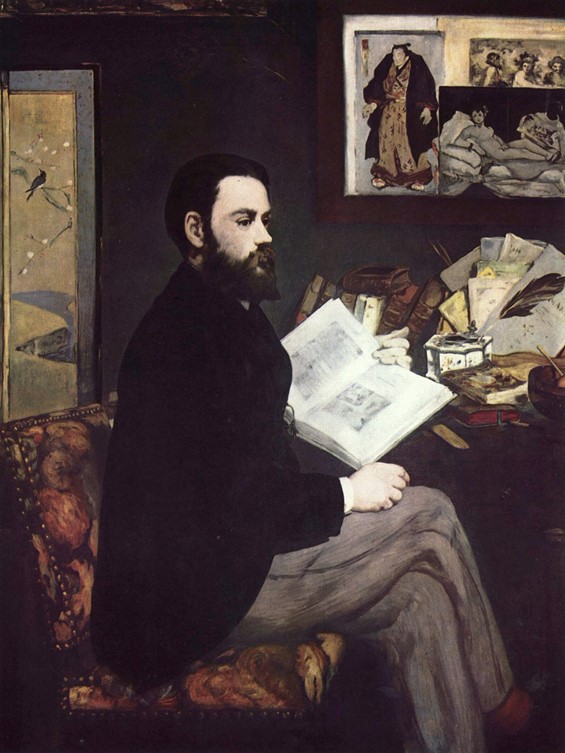
Émile Zola defends Édouard Manet against Salon critics, praising his modern vision and securing a lasting friendship, later immortalized in Manet’s portrait of Zola surrounded by symbols of art, literature, and innovation.
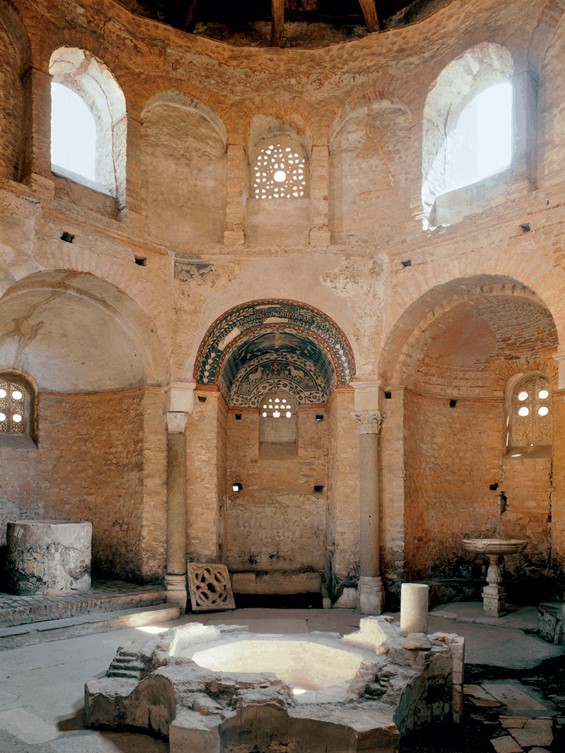
The Albenga Baptistery, an ambitious 6th-century octagonal structure, reflects the city’s Roman and Early Christian continuity, blending architectural innovation with the layered history of ancient Albium Ingaunum.
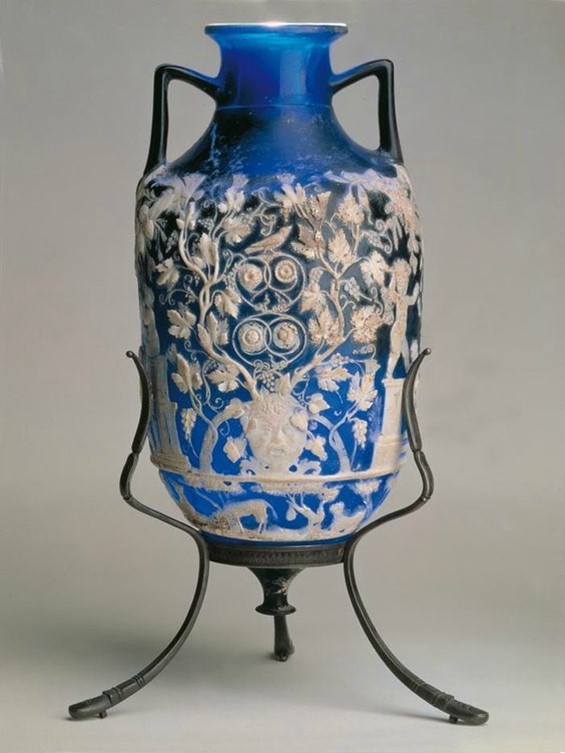
The Pompeian Blue Glass Amphoriskos showcases extraordinary Roman luxury, with Dionysiac relief scenes carved in layered glass, blending technical mastery and exuberant decoration in one of antiquity’s rarest surviving treasures.
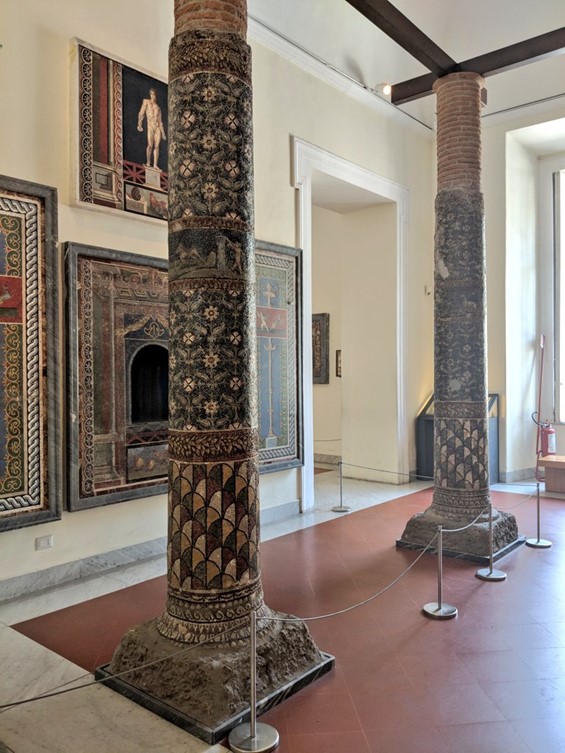
The Villa of the Mosaic Columns reveals the richness of Roman horti culture, where gardens, mosaics, and architecture merge into a luxurious expression of status, leisure, and everyday life in ancient Pompeii.
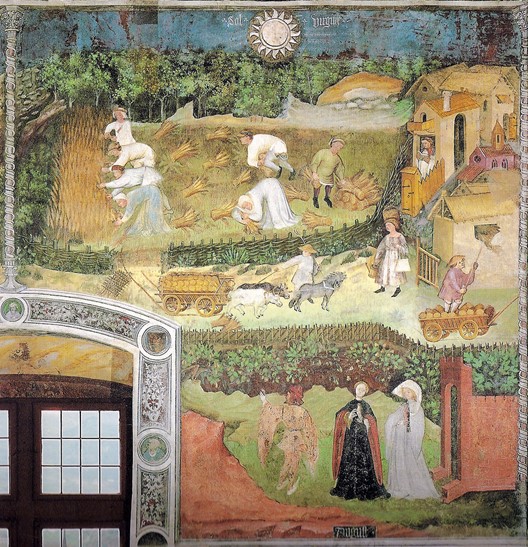
Jean Toomer’s Harvest Song resonates with the Torre Aquila, where Master Venceslao depicts August’s labor and leisure, binding human toil to a timeless seasonal rhythm.
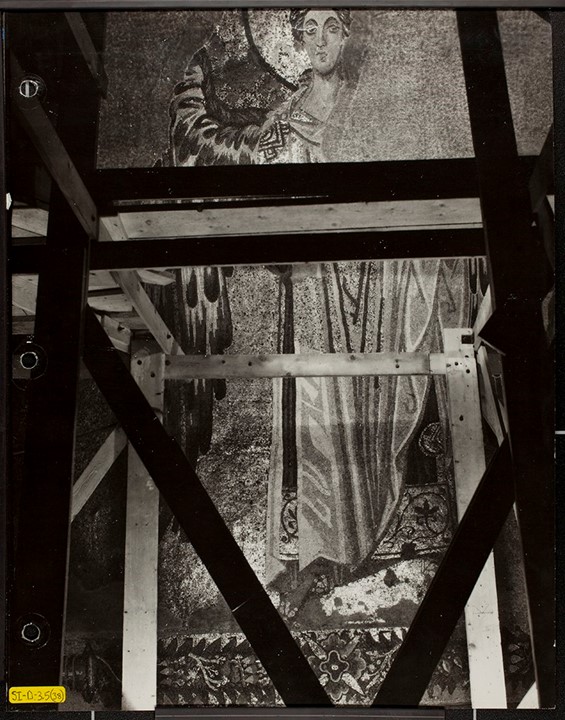
Royall Tyler’s awe at the uncovering of Hagia Sophia mosaics captures the revelation of the Archangel Gabriel, a towering Byzantine vision of light, color, and sacred authority emerging from centuries of concealment.
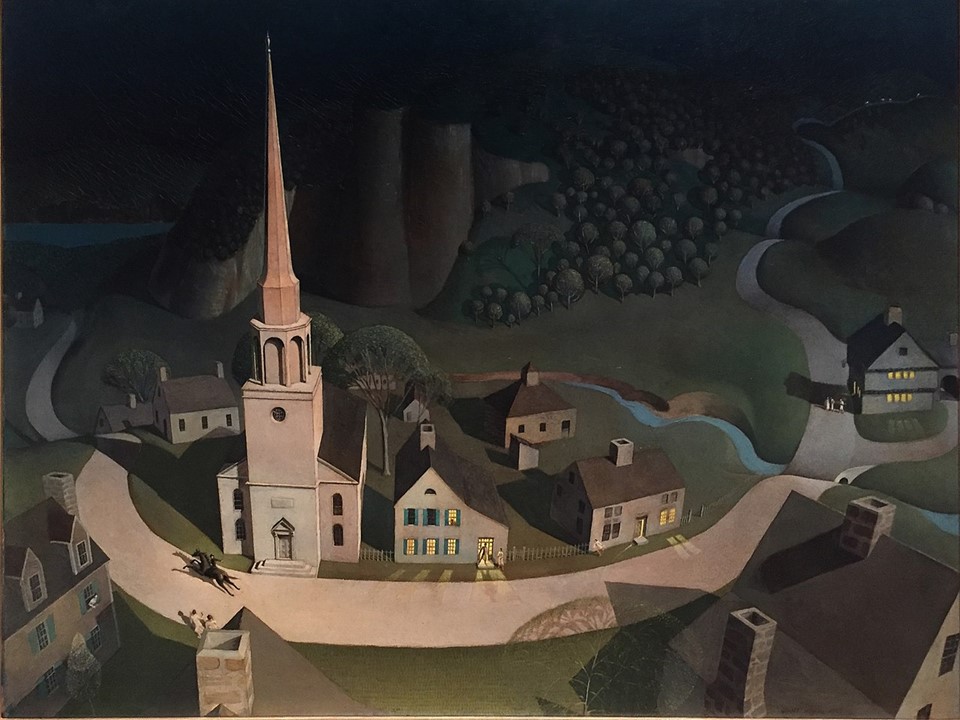
Grant Wood’s Grant Wood transforms American history into a dreamlike vision in The Midnight Ride of Paul Revere, blending folk simplicity and national memory into a poetic, childlike landscape of Revolutionary imagination.
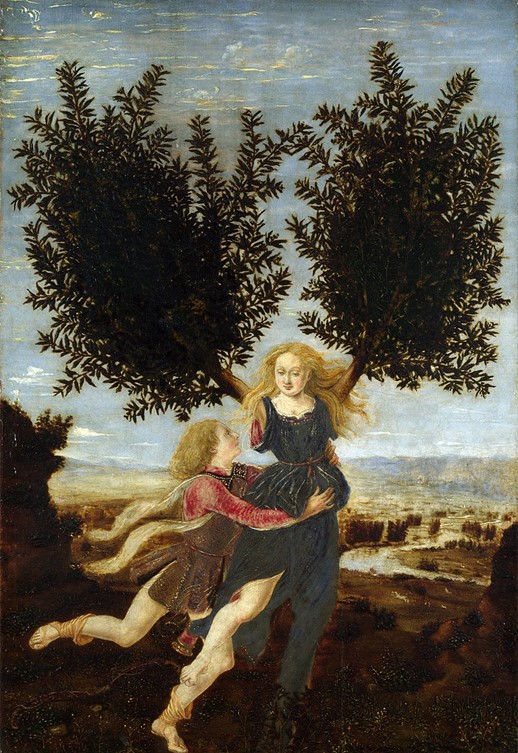
Ovid’s Metamorphoses provides the poetic source for Apollo and Daphne, where desire and escape culminate in transformation, as Renaissance Florence reinterprets myth into an idealised vision of unattainable love and beauty.
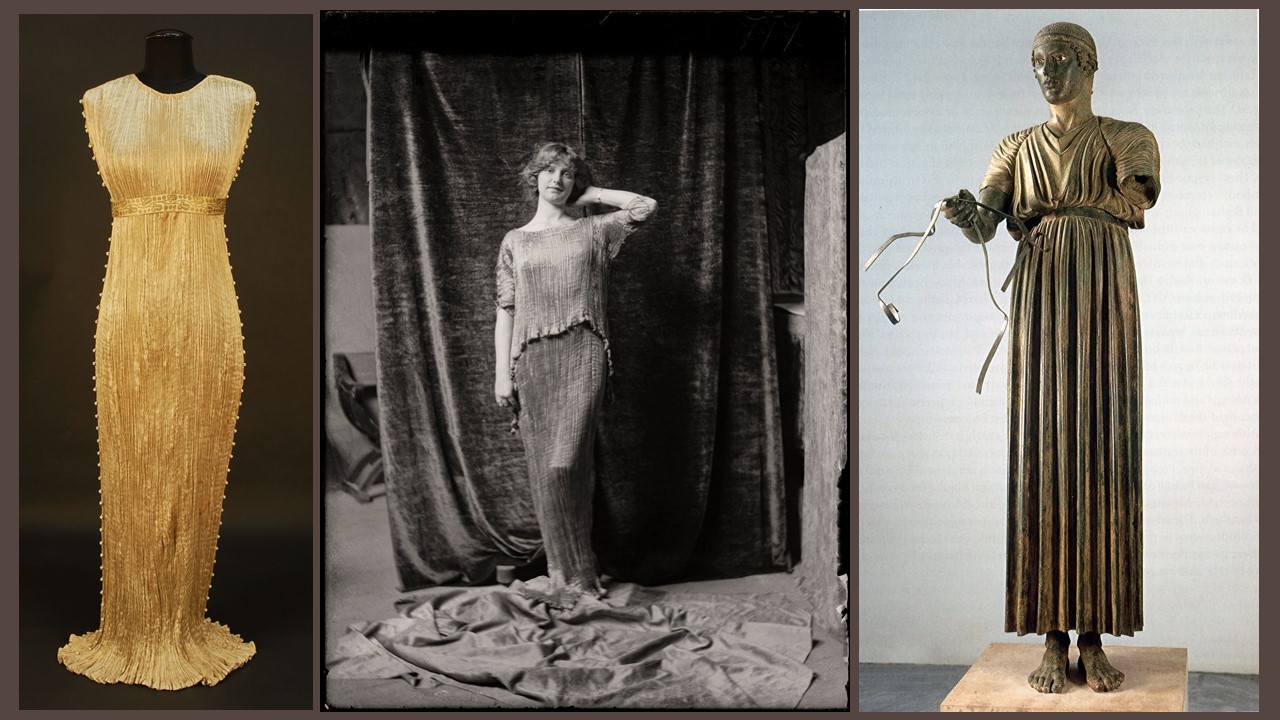
Fortuny’s Delphos Dress, inspired by the Charioteer of Delphi, transforms ancient drapery into luminous modern fashion, blending art, movement, and innovative textile craftsmanship into a timeless, iconic creation.