Look closely at the Acropolis Sphinx and discover how a small Archaic sculpture opens a fascinating window into Greek mythology, ancient colour, mystery, and the sacred world of Athens.
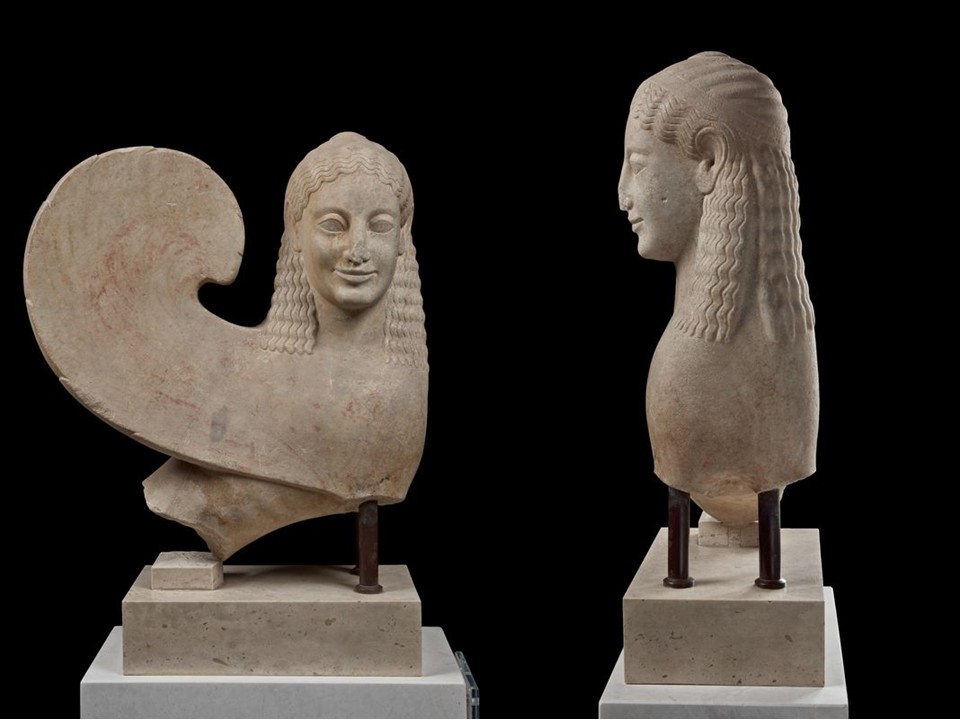
Look closely at the Acropolis Sphinx and discover how a small Archaic sculpture opens a fascinating window into Greek mythology, ancient colour, mystery, and the sacred world of Athens.
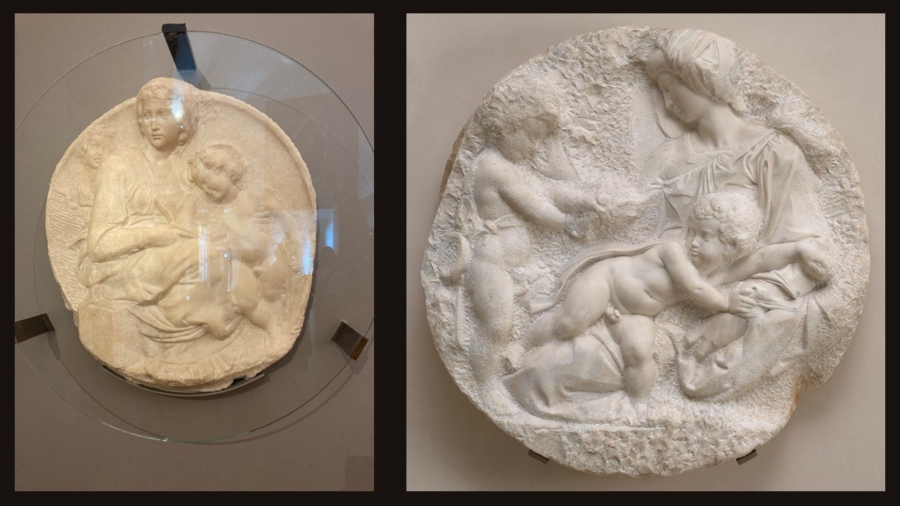
Discover Michelangelo’s Pitti and Taddei Tondi, two unfinished marble roundels blending tenderness, movement, and psychological depth into some of the Renaissance’s most compelling devotional sculptures.
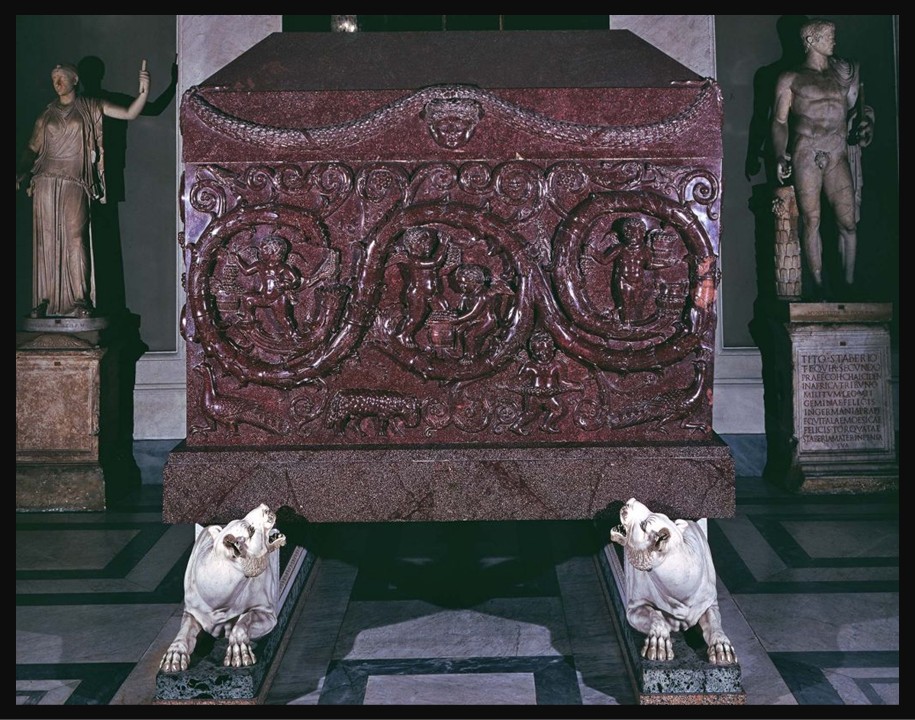
A daughter of Constantine, buried in the one stone only emperors could use — and covered in images nobody has fully explained in seventeen centuries.
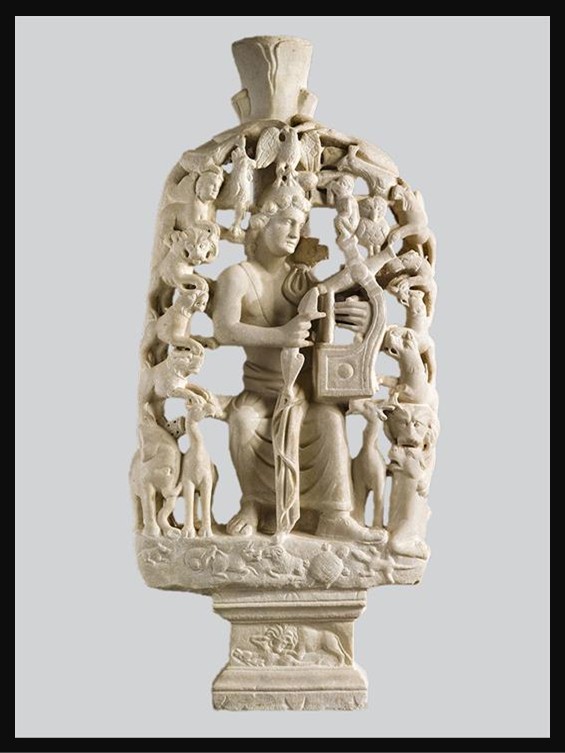
A 4th-century marble table support shows Orpheus surrounded by animals, blending myth and early Christian symbolism in a striking Late Antique work from the Byzantine and Christian Museum in Athens, Greece
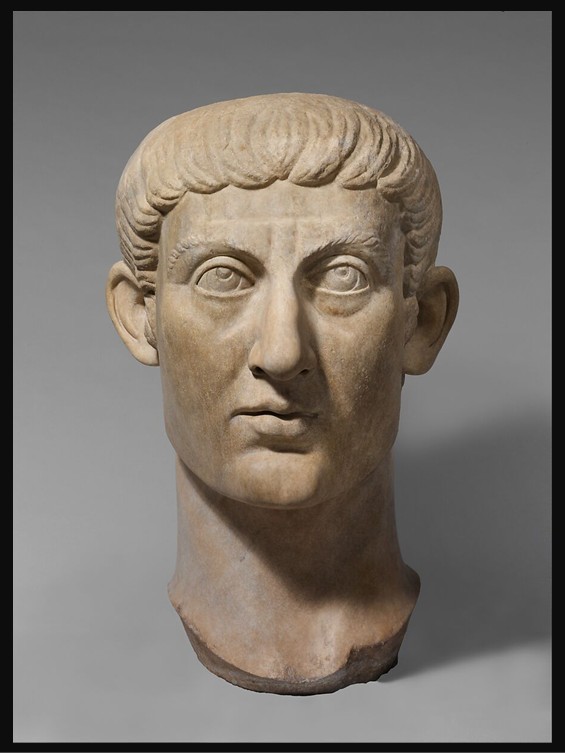
A Face Between Two Empires: Constantine in Marble presents the marble portrait of Constantine the Great as a turning point in Roman art, where classical imperial imagery, political messaging, and the rise of Christianity converge in carved stone.
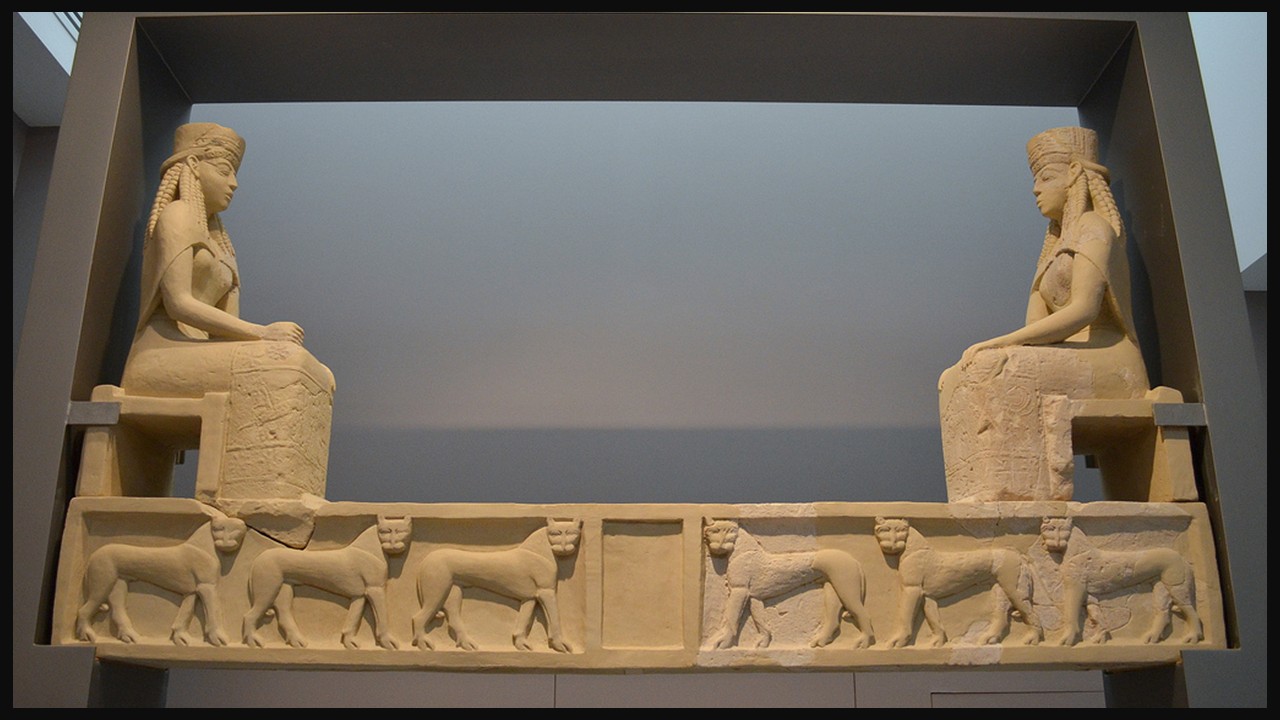
Temple A at Prinias (7th century BC) is an early Greek temple combining megaron-style architecture with pioneering Daedalic sculptural decoration, reflecting experimentation in Archaic Greek art and design.
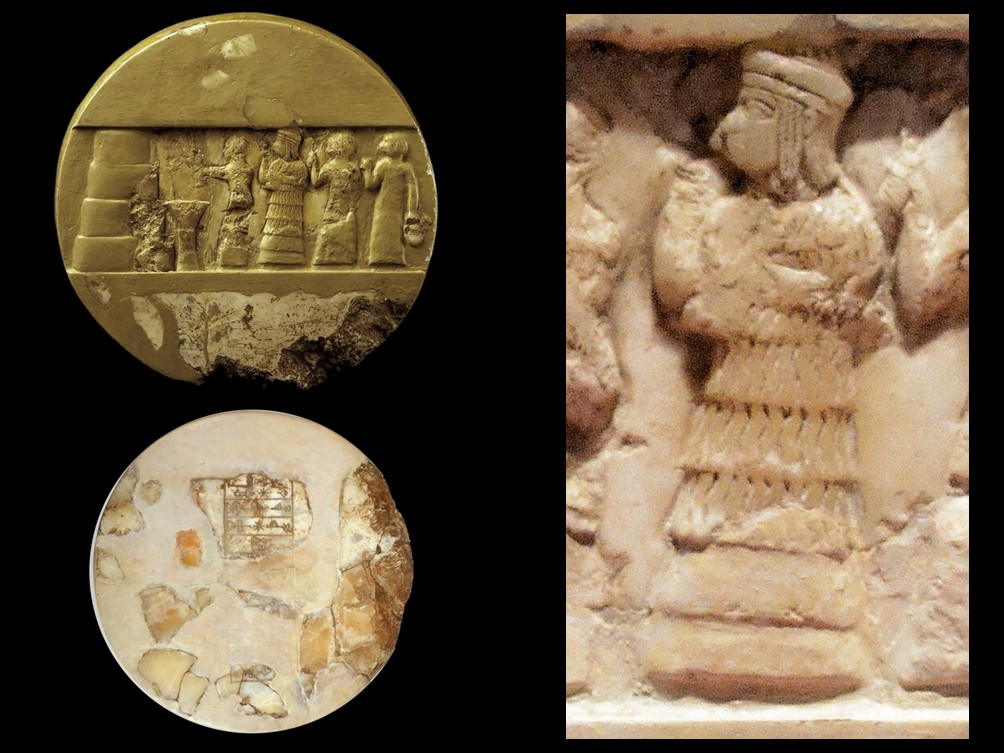
Enheduanna, daughter of Sargon, emerges as the first named author, uniting political power, ritual authority, and poetic voice; her alabaster disk preserves her image, legacy, and enduring cultural influence.
Andrea della Robbia’s glazed terracotta Portrait of a Child embodies Renaissance ideals of innocence and care, using luminous color and tender naturalism to celebrate childhood and reflect enduring values of compassion and human dignity.
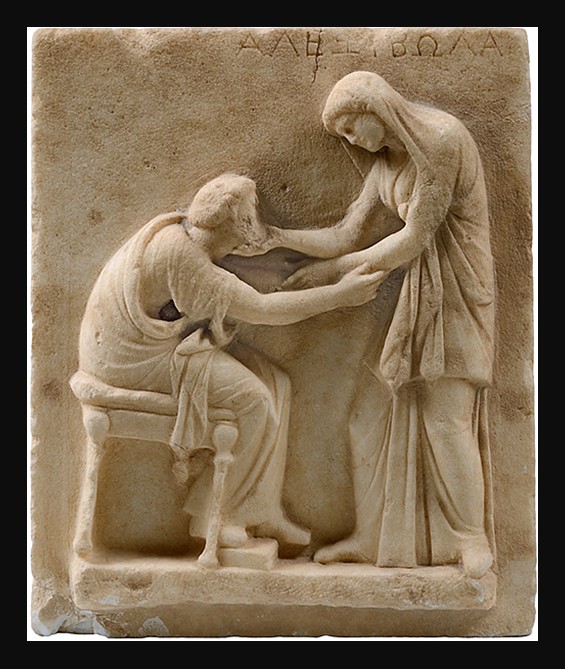
The Funerary Stele of Alexibola from Thera captures the emotional depth of Classical Greek art, depicting a tender farewell between father and daughter through restrained gesture, dignity, and timeless expressions of love and human connection.
Guido Mazzoni’s terracotta portrait of an elderly man confronts viewers with unidealised age and psychological realism, transforming clay into a profound Renaissance meditation on human dignity, mortality, and individual identity.