The Tyche of Antioch powerfully embodies Antioch’s legendary foundation, translating Seleucus’ divinely guided vision into marble through symbols of protection, prosperity, and the life-giving flow of the Orontes River.
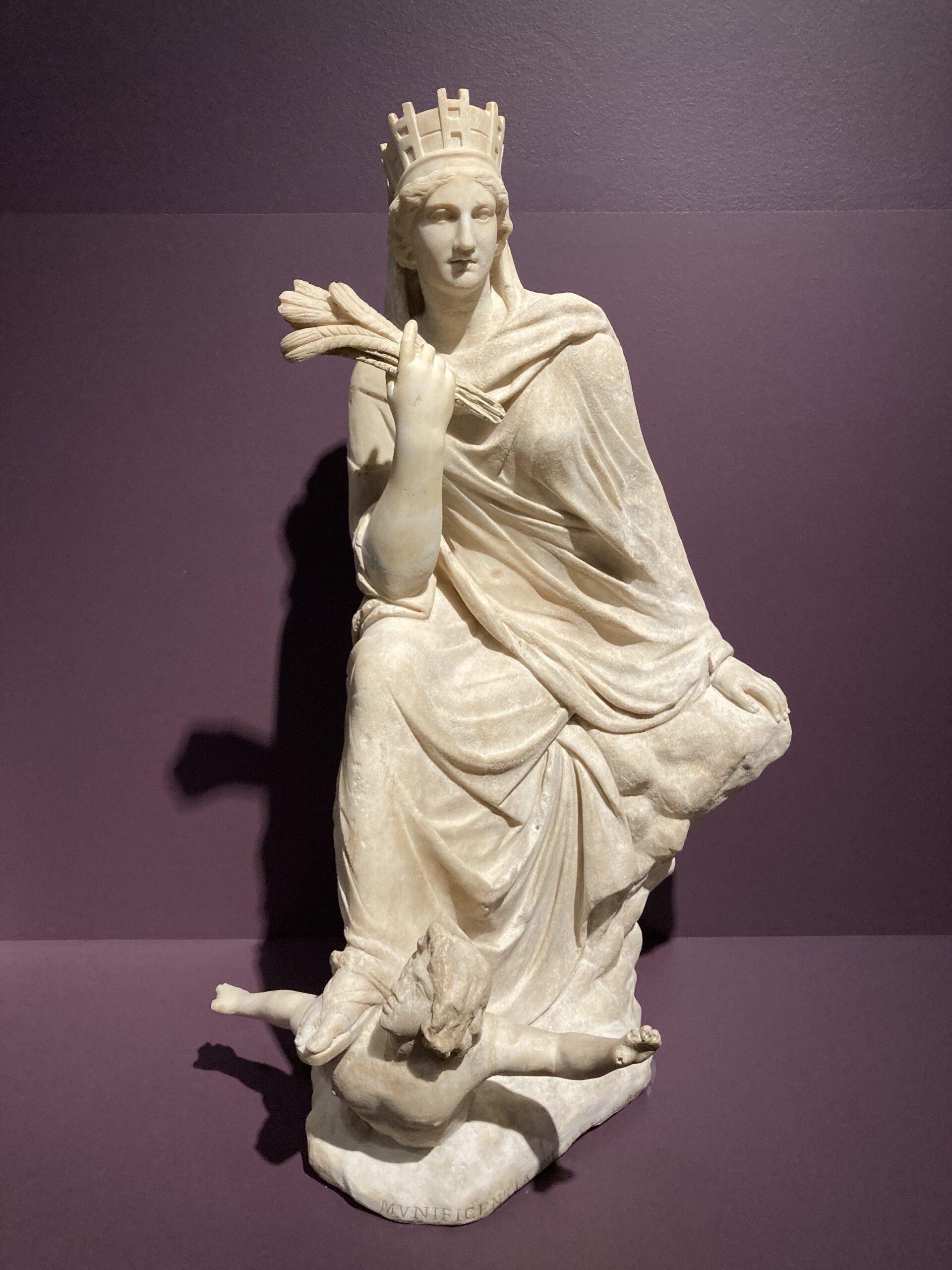
The Tyche of Antioch powerfully embodies Antioch’s legendary foundation, translating Seleucus’ divinely guided vision into marble through symbols of protection, prosperity, and the life-giving flow of the Orontes River.
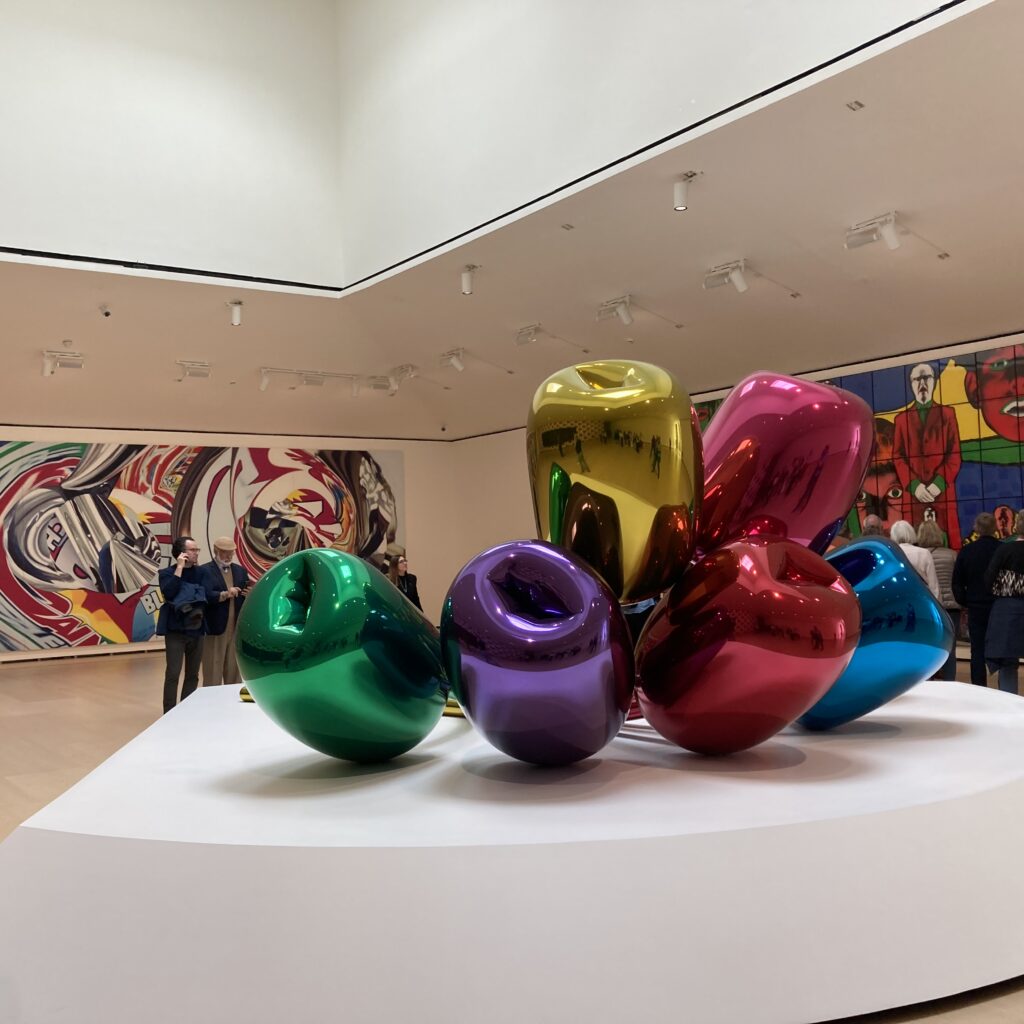
Explore Jeff Koons’ Tulips—a monumental work at Guggenheim Museum Bilbao—contrasting eternal pop-art bloom with themes of ephemerality in A. E. Stallings’ poetry.
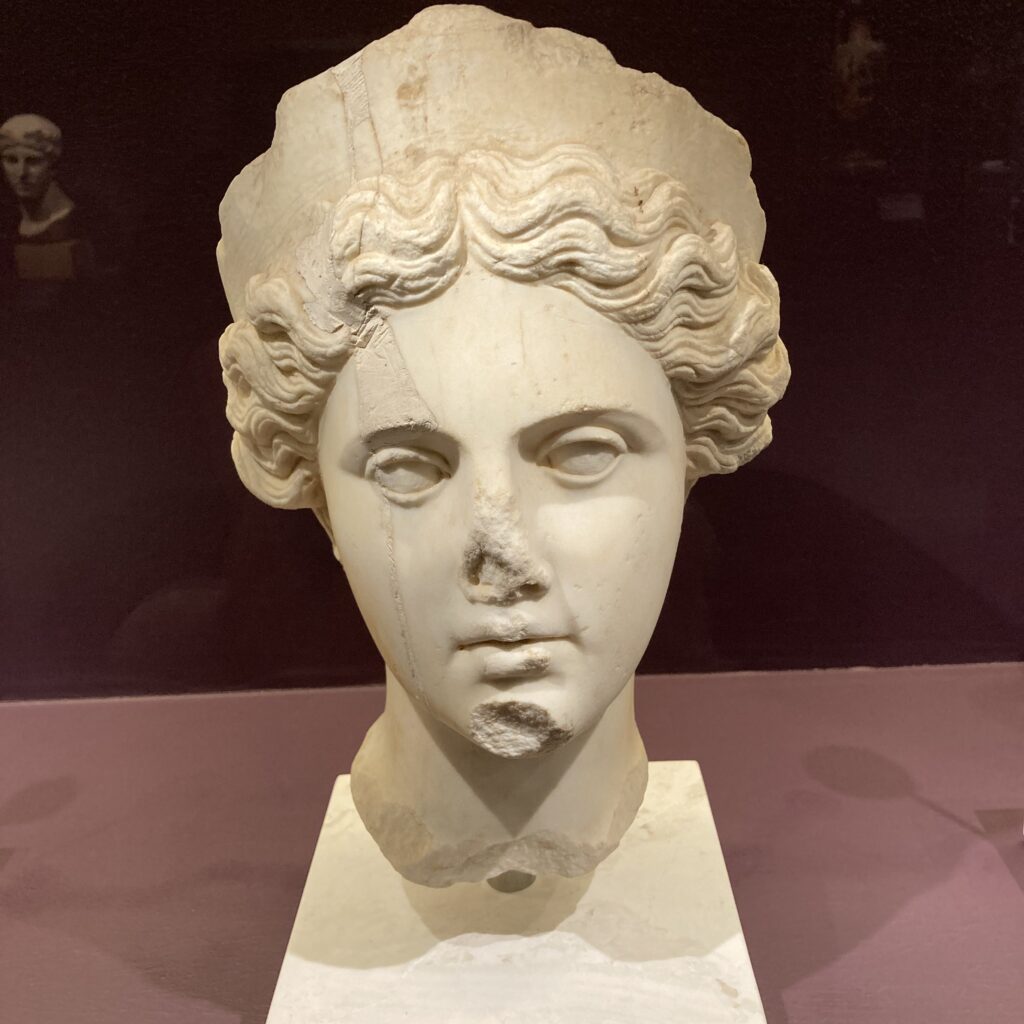
Standing before the Head of Nemesis, I can almost feel the weight of divine retribution she carries — the ever-watchful enforcer of balance, striking down human arrogance.
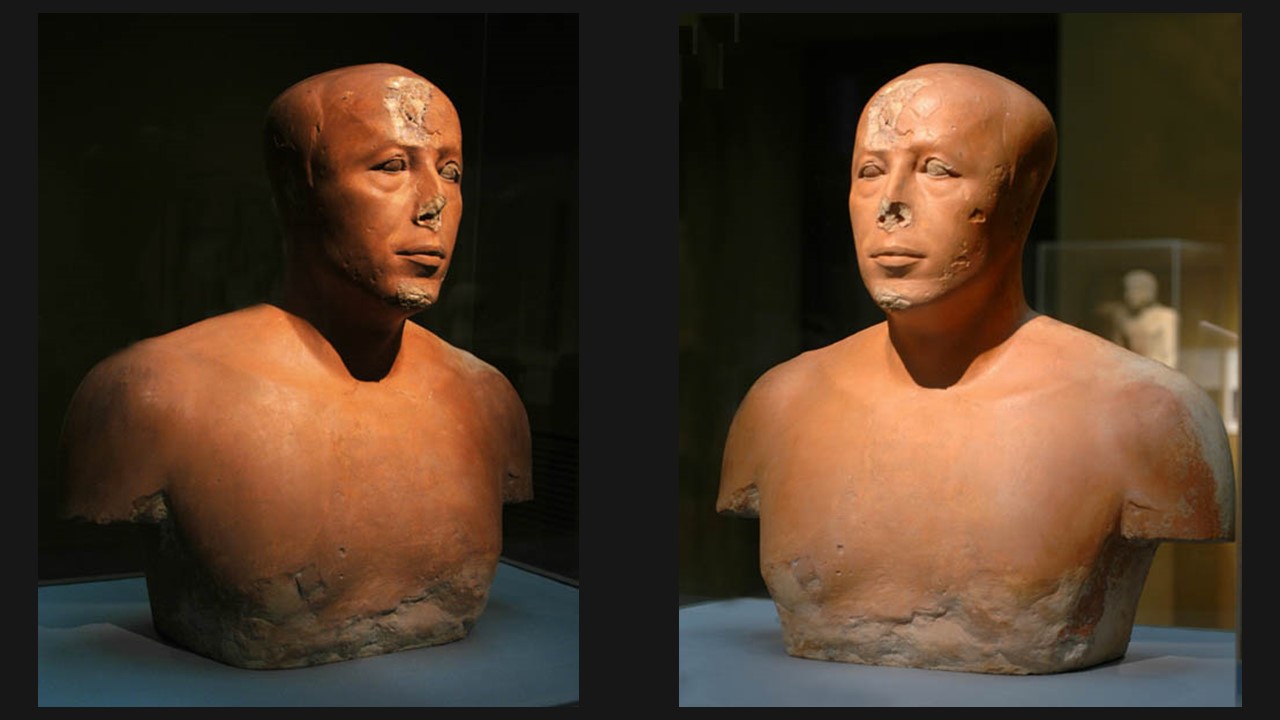
Among ancient Egypt’s stylized art, the startlingly realistic Bust of Prince Ankhhaf stands apart — a powerful, intimate portrait of the man who helped build the Great Pyramid.
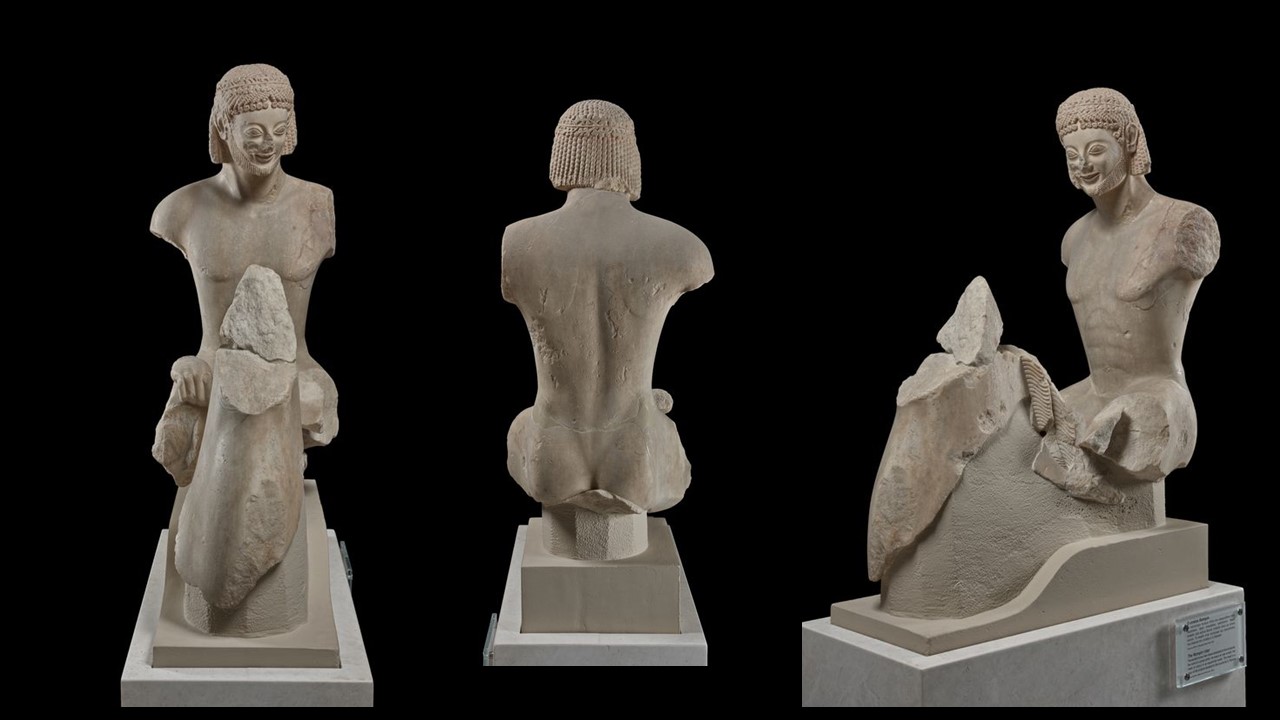
The Rampin Rider — Athens’ oldest equestrian statue, his archaic smile split between the Louvre and the Acropolis Museum — eternally celebrates aristocratic victory, youth, and athletic glory.
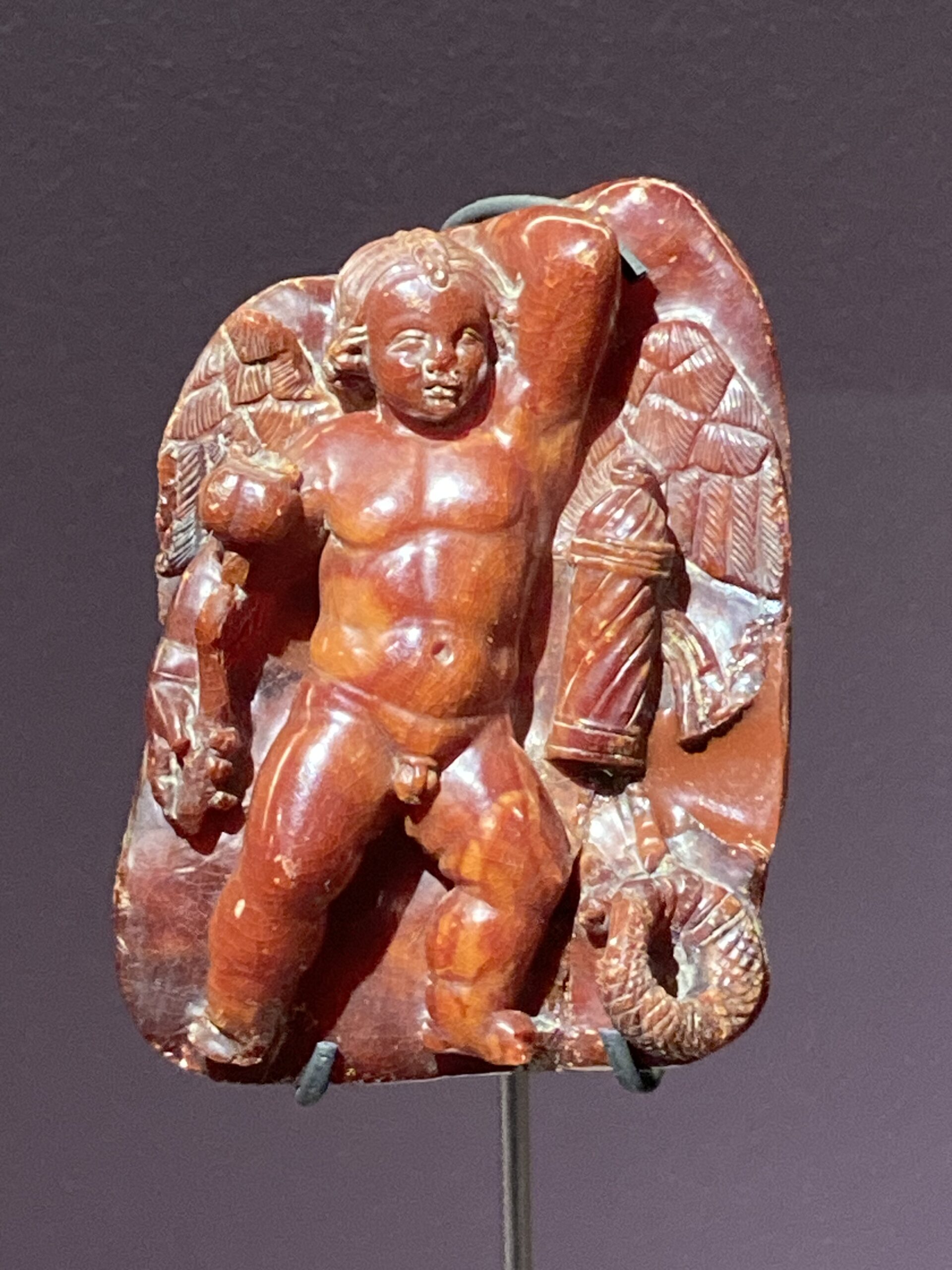
In amber’s golden warmth, a sleeping Eros finally rests — the unruly god of love momentarily stilled, clutching a poppy, in this exquisite Roman treasure from Trieste.
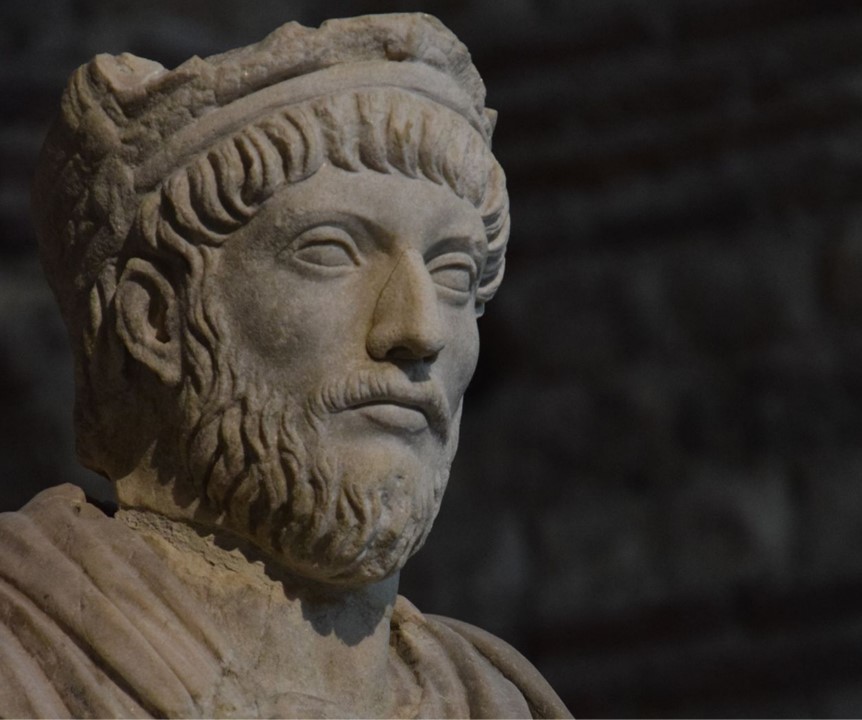
Julian the Apostate — pagan emperor, philosopher, self-mocking beard-hater — gazes enigmatically from a Musée de Cluny marble statue, his true identity still beautifully, tantalizingly unresolved.
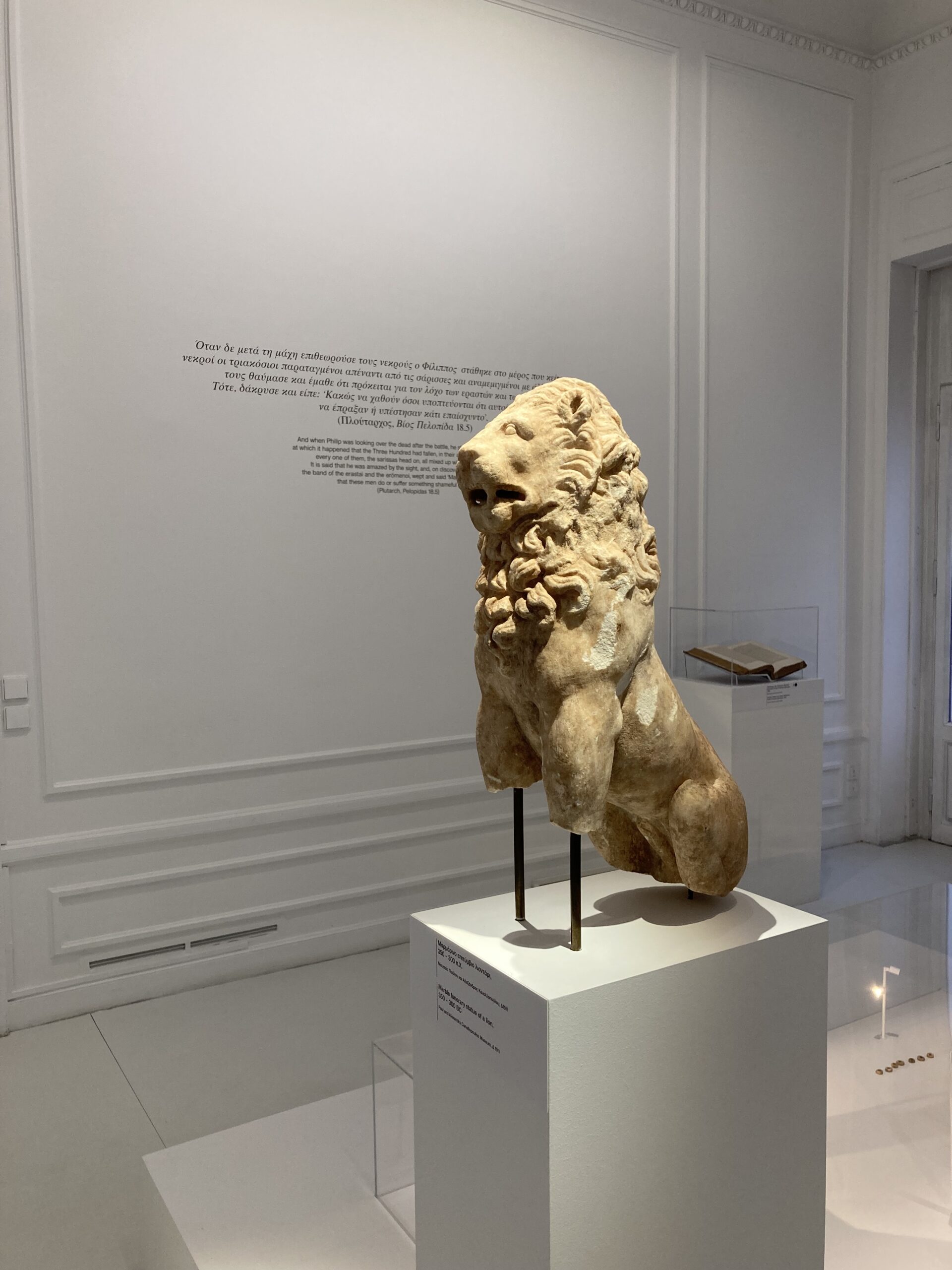
Two marble lions — one intimate, one monumental — guard the memory of ancient Greece’s fallen heroes, where the Battle of Chaeronea forever changed the course of Western civilization.
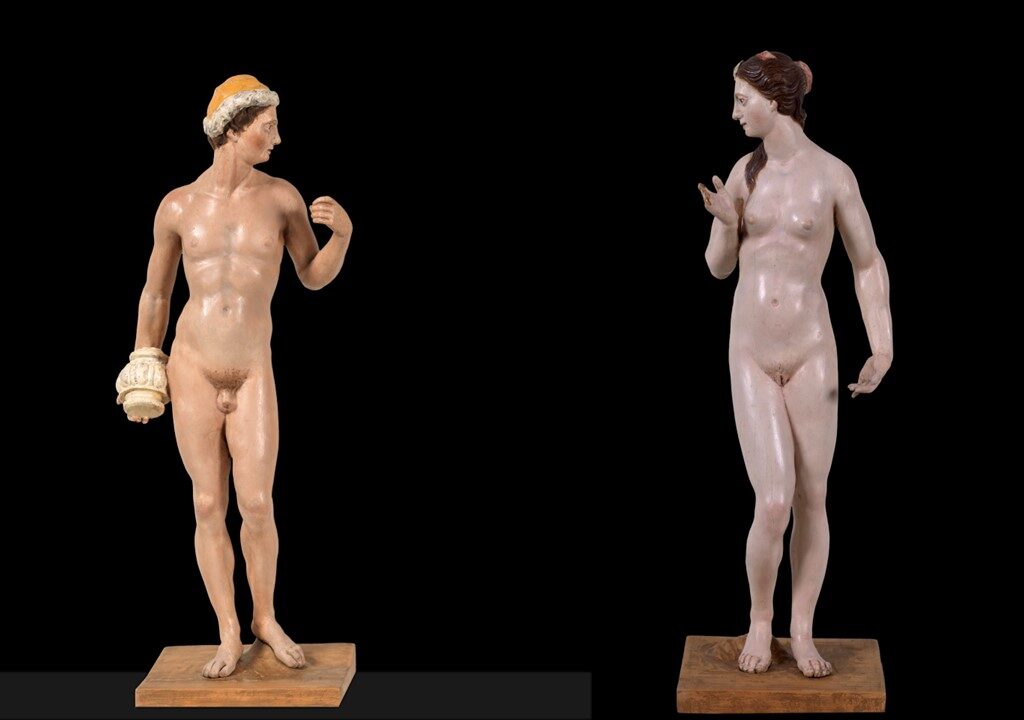
El Greco’s rare sculptural Pandora and Epimetheus — elongated, spiritually charged — embody mythology’s most haunting cautionary tale, where divine punishment, human curiosity, and Hope eternally converge.
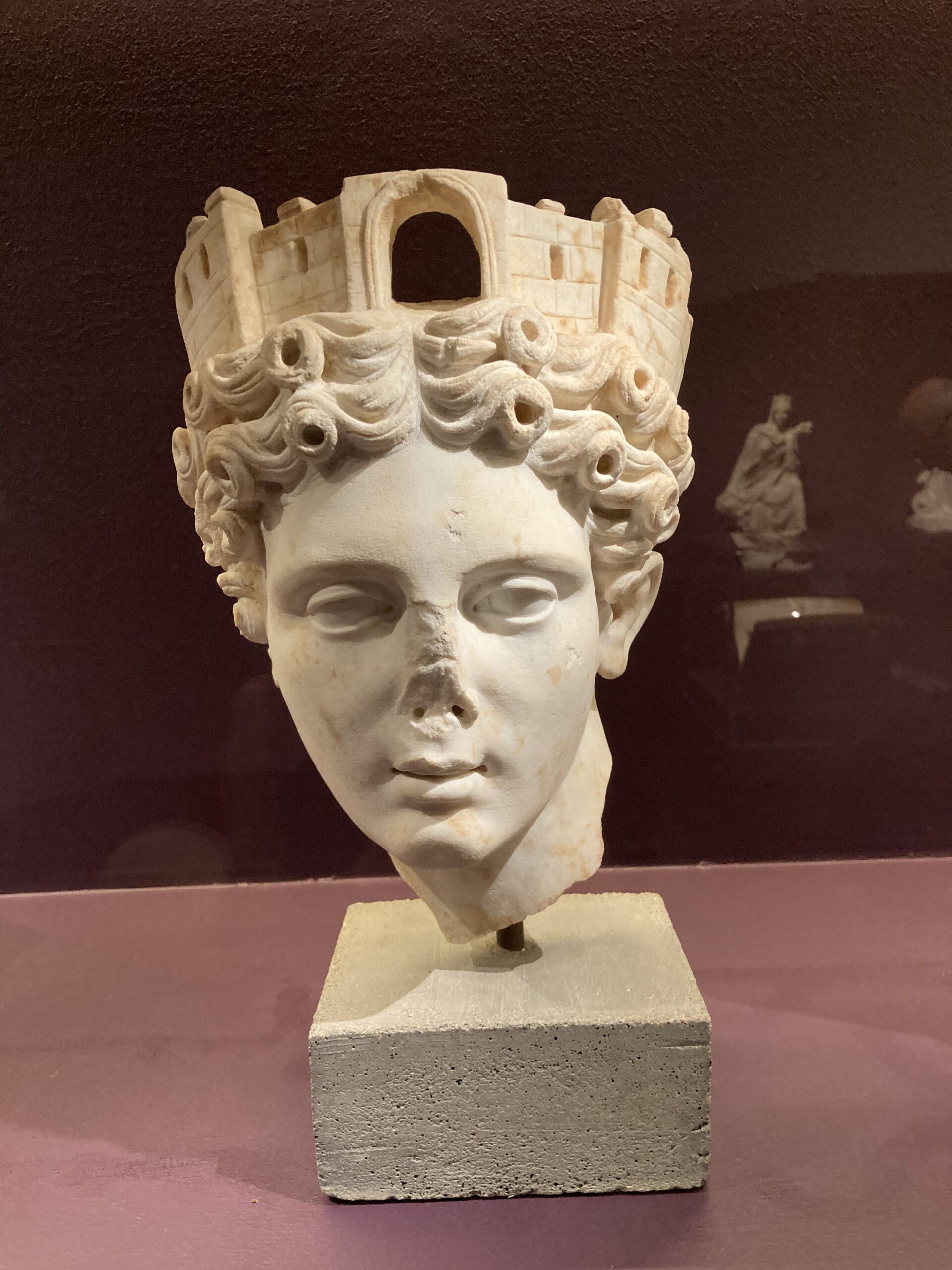
Corinth’s magnificent marble Tyche — fortune’s goddess crowned with city walls — embodies Rome’s profound belief that divine favour, civic destiny, and human prosperity are eternally intertwined.