The Vienna Dioscurides — a breathtaking 515 AD Byzantine manuscript gifted to Anicia Juliana — preserves Greek botanical wisdom and over a thousand medicinal plants in luminous illuminated splendour.
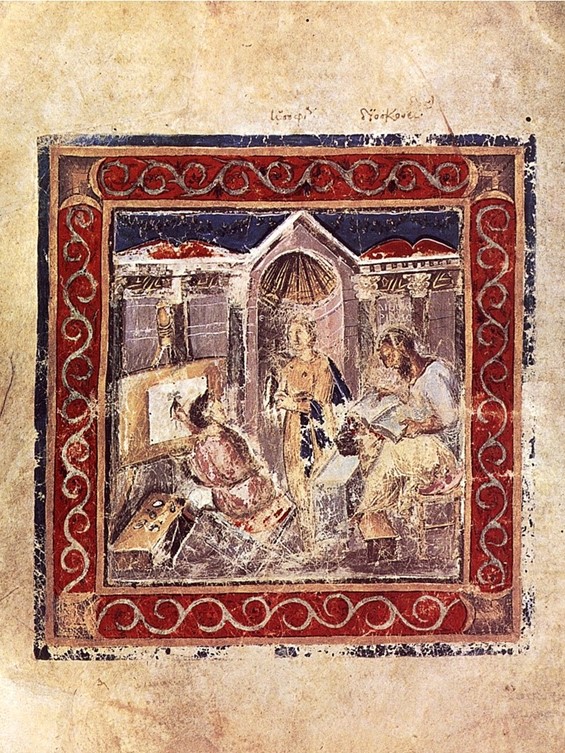
The Vienna Dioscurides — a breathtaking 515 AD Byzantine manuscript gifted to Anicia Juliana — preserves Greek botanical wisdom and over a thousand medicinal plants in luminous illuminated splendour.
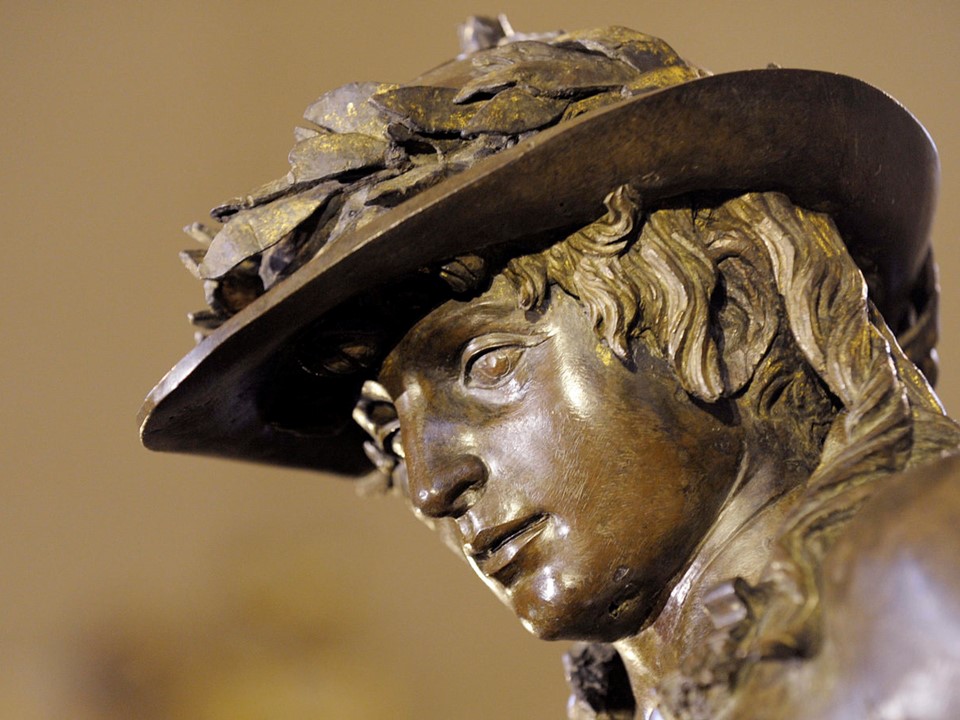
Donatello commanded his sculptures to speak — and they did. From Florence’s peasant Christ to Padua’s magnificent Gattamelata, his genius reshaped Renaissance sculpture for centuries to come.
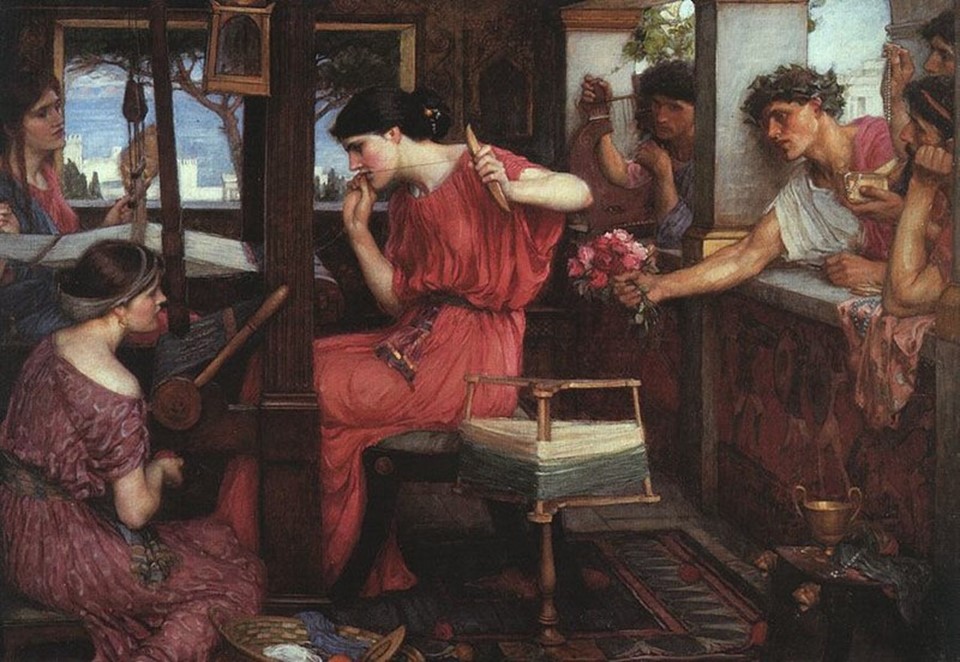
Louise Glück’s Meadowlands reimagines Homer through Penelope’s voice, echoing Waterhouse’s painting—where a single thread captures fidelity, tension, and the timeless complexity of waiting, weaving, and desire.
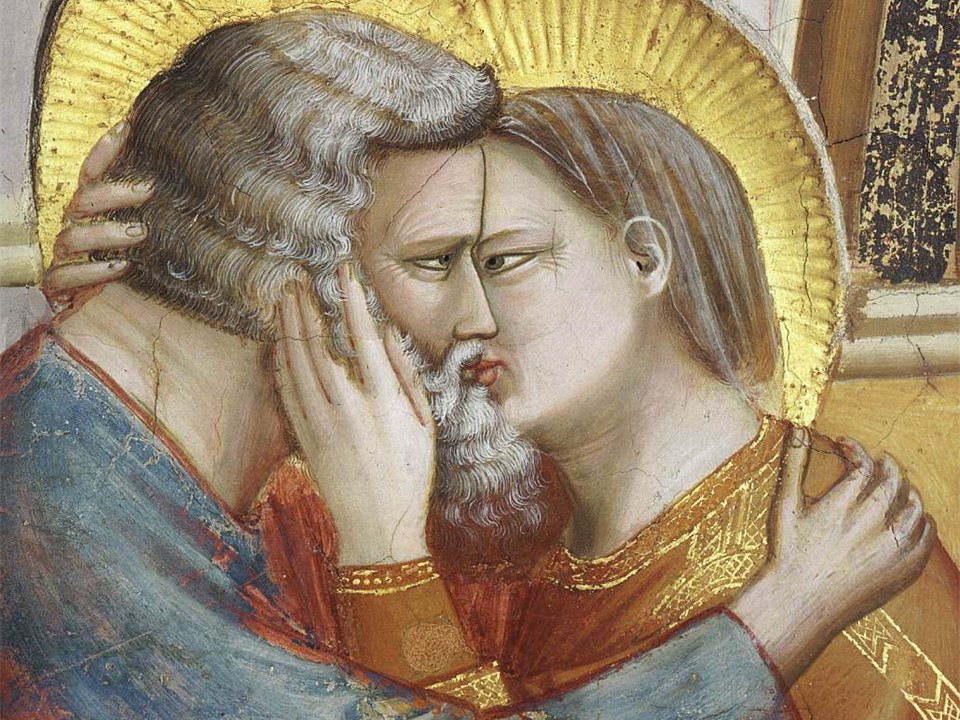
From Dante Alighieri to Pablo Picasso, Giotto di Bondone emerges as a transformative genius—surpassing Cimabue and redefining painting through lifelike vision and enduring influence.
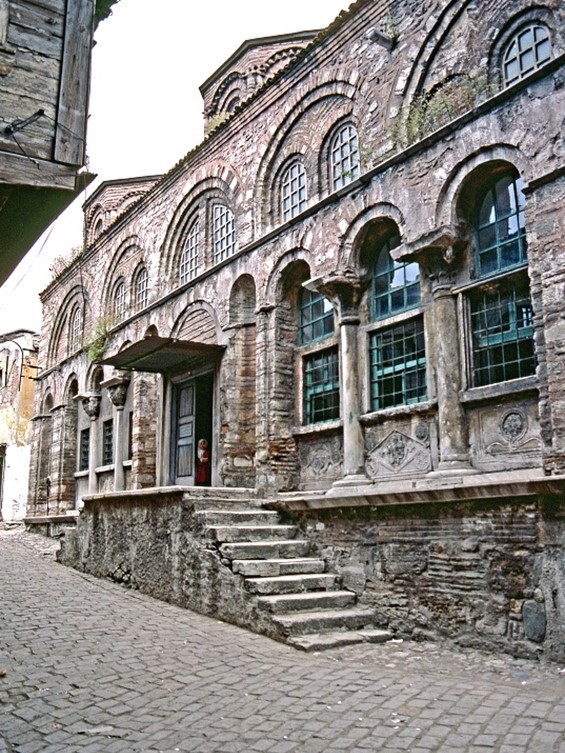
The enigmatic Vefa Kilise Camii remains one of Constantinople’s least understood monuments—an 11th–12th century Komnenian structure, possibly linked to St. Theodore, yet still rich in unanswered questions and lost mosaics.
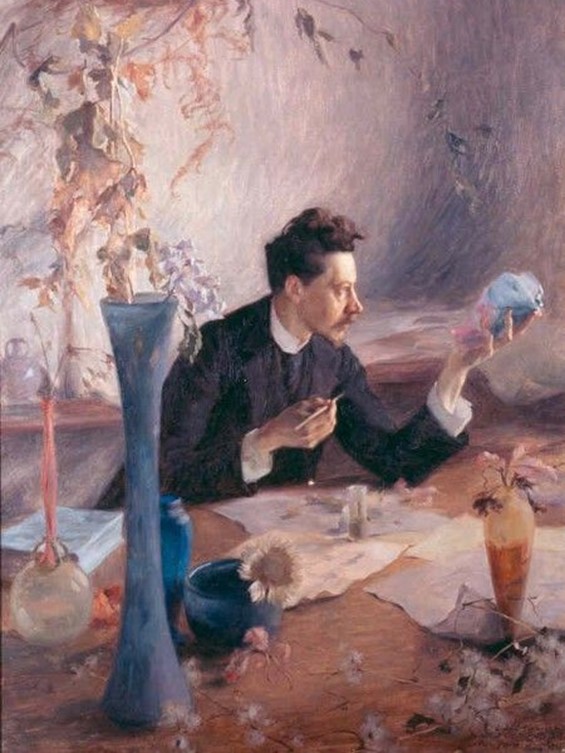
A childhood memory of wonder finds its echo in the artistry of Émile Gallé, whose nature-inspired glass—shaped by curiosity, science, and imagination—transforms fragile material into poetic brilliance.
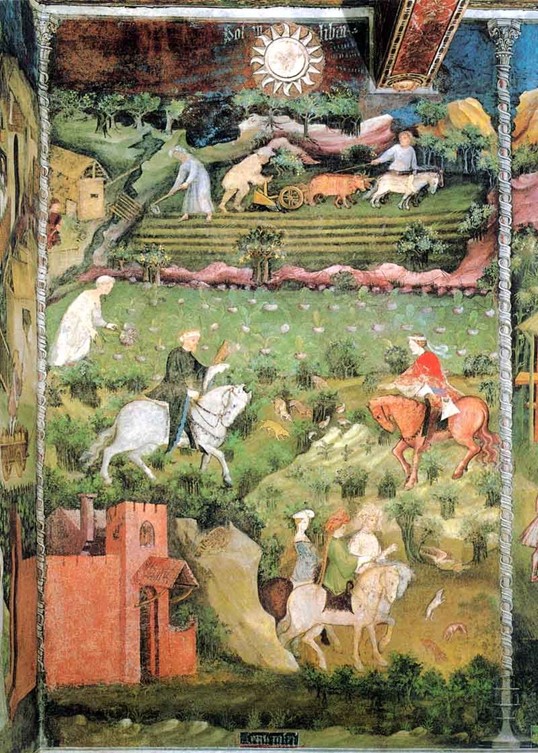
The Castello del Buonconsiglio preserves the vivid “Ciclo dei Mesi” fresco cycle, where Master Venceslao contrasts rural labour and aristocratic leisure, revealing medieval visions of seasonal order and social hierarchy.
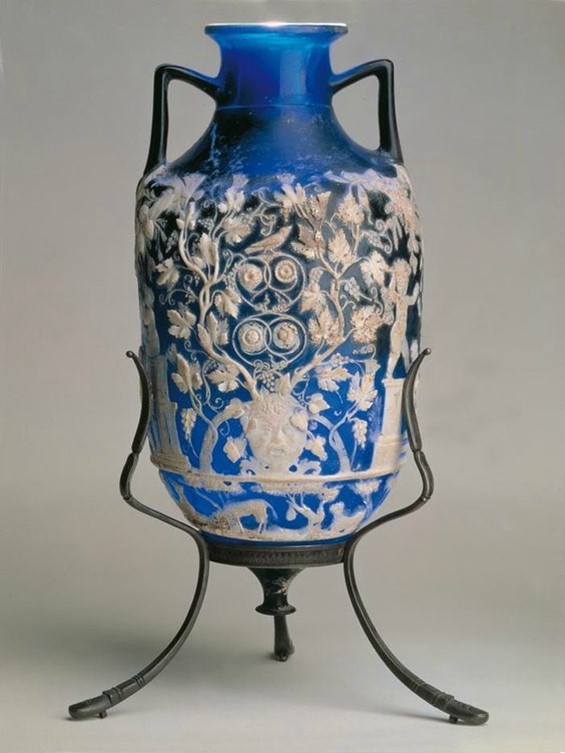
The Pompeian Blue Glass Amphoriskos showcases extraordinary Roman luxury, with Dionysiac relief scenes carved in layered glass, blending technical mastery and exuberant decoration in one of antiquity’s rarest surviving treasures.
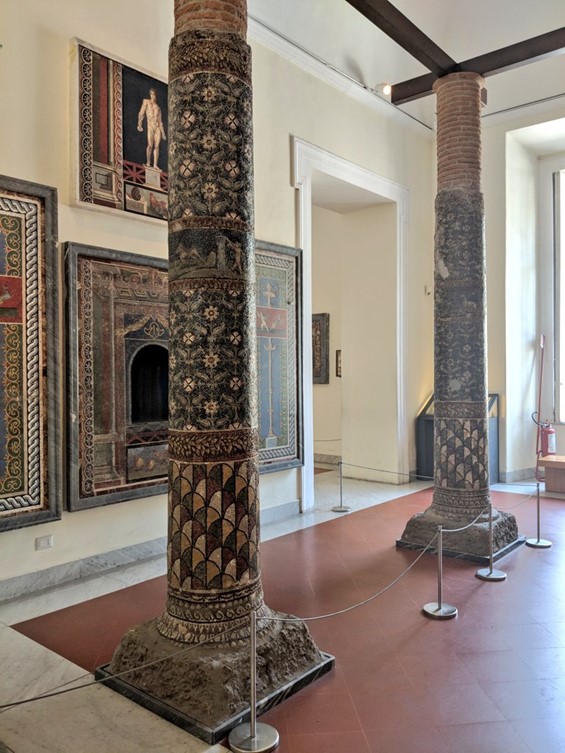
The Villa of the Mosaic Columns reveals the richness of Roman horti culture, where gardens, mosaics, and architecture merge into a luxurious expression of status, leisure, and everyday life in ancient Pompeii.
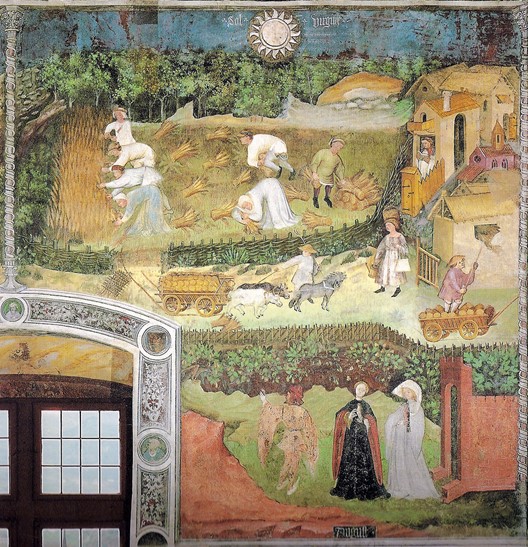
Jean Toomer’s Harvest Song resonates with the Torre Aquila, where Master Venceslao depicts August’s labor and leisure, binding human toil to a timeless seasonal rhythm.