Pietro Lorenzetti’s early 14th-century Crucifixion fresco in Assisi’s Lower Church of San Francesco is a haunting masterpiece of raw emotion, naturalism, and divine sacrifice that bridges Gothic spirituality and Renaissance vision.
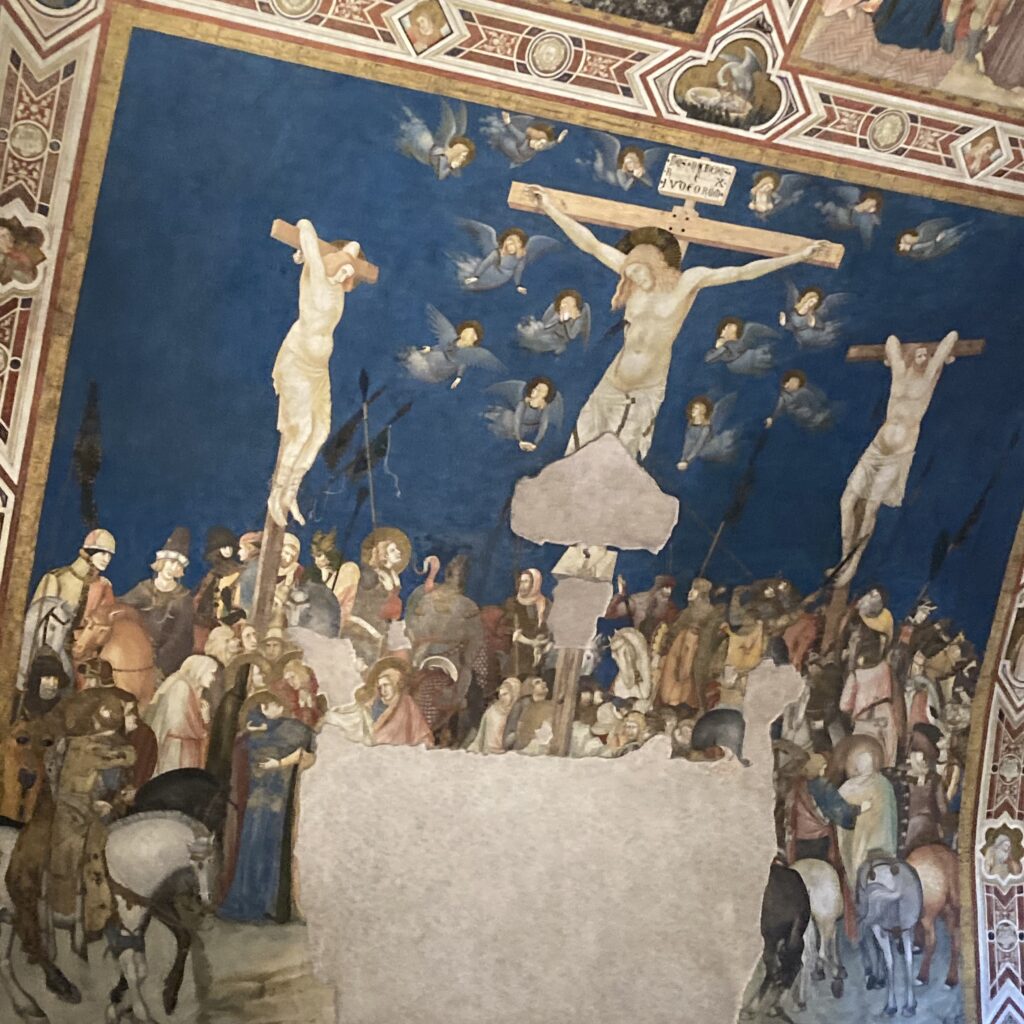
Pietro Lorenzetti’s early 14th-century Crucifixion fresco in Assisi’s Lower Church of San Francesco is a haunting masterpiece of raw emotion, naturalism, and divine sacrifice that bridges Gothic spirituality and Renaissance vision.
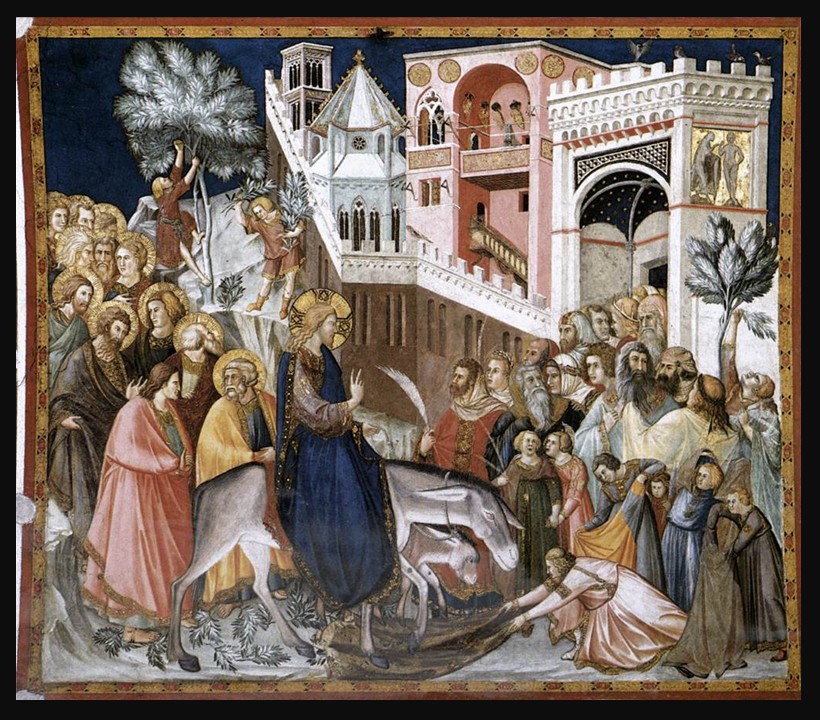
Pietro Lorenzetti’s breathtaking Passion frescoes in Assisi’s Lower Basilica of San Francesco blend Gothic spirituality with pioneering naturalism — transforming biblical narrative into deeply human, emotionally charged scenes that foreshadowed the Renaissance.
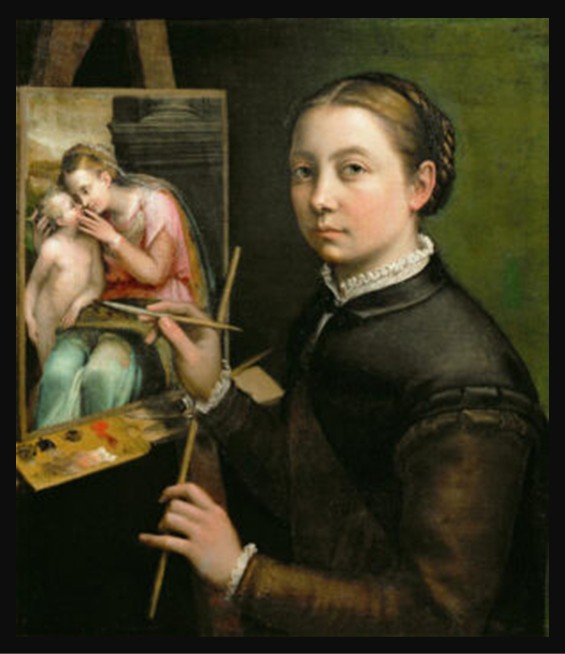
Sofonisba Anguissola of Cremona shattered Renaissance barriers to become one of history’s first celebrated female artists — her luminous portraits of rare psychological depth earning admiration from Michelangelo and Vasari alike.
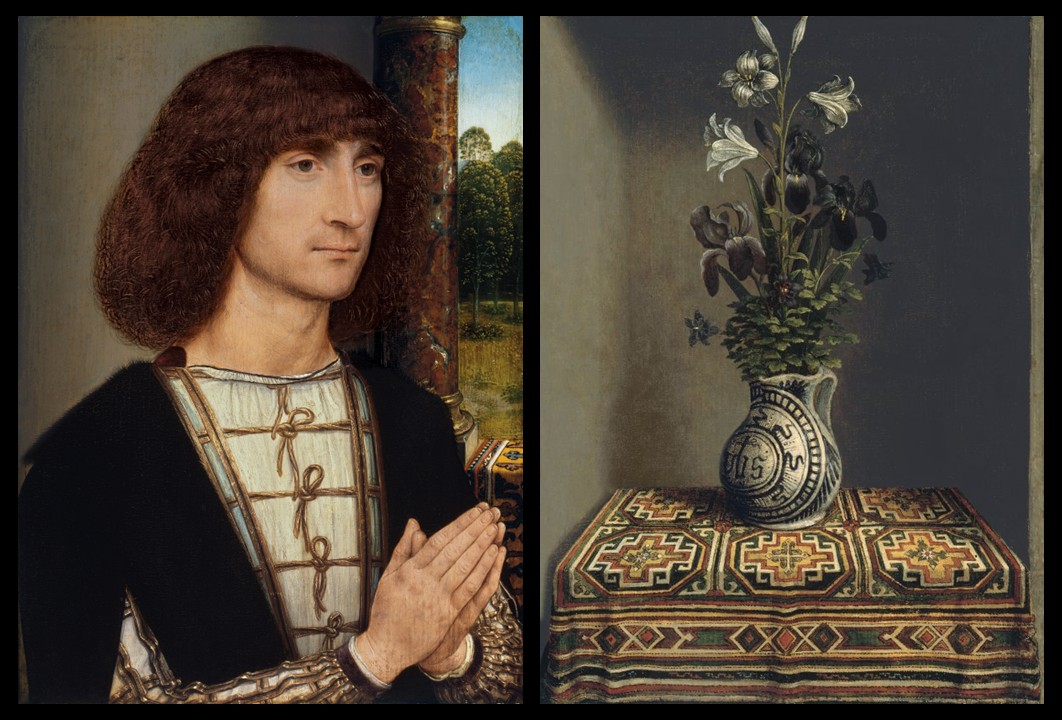
Explore Hans Memling at the Thyssen-Bornemisza National Museum: refined portraits, luminous colour, and symbolic still life reveal Northern Renaissance devotion and artistic innovation.
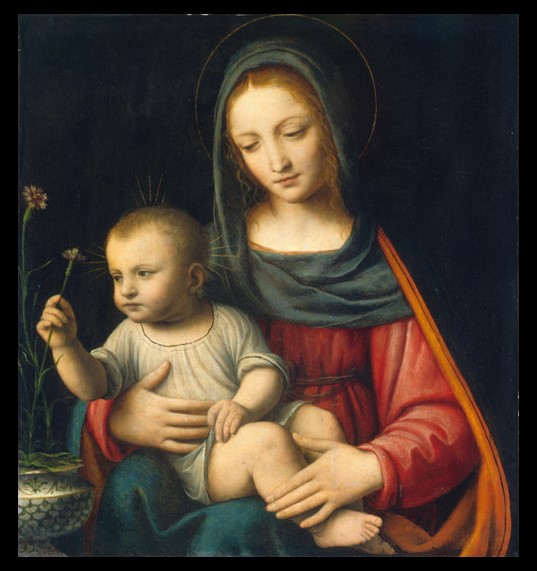
In Madonna of the Carnation, Bernardino Luini transforms the carnation into a quiet symbol of divine love, purity, and foreshadowed sacrifice within an intimate mother-and-child scene.
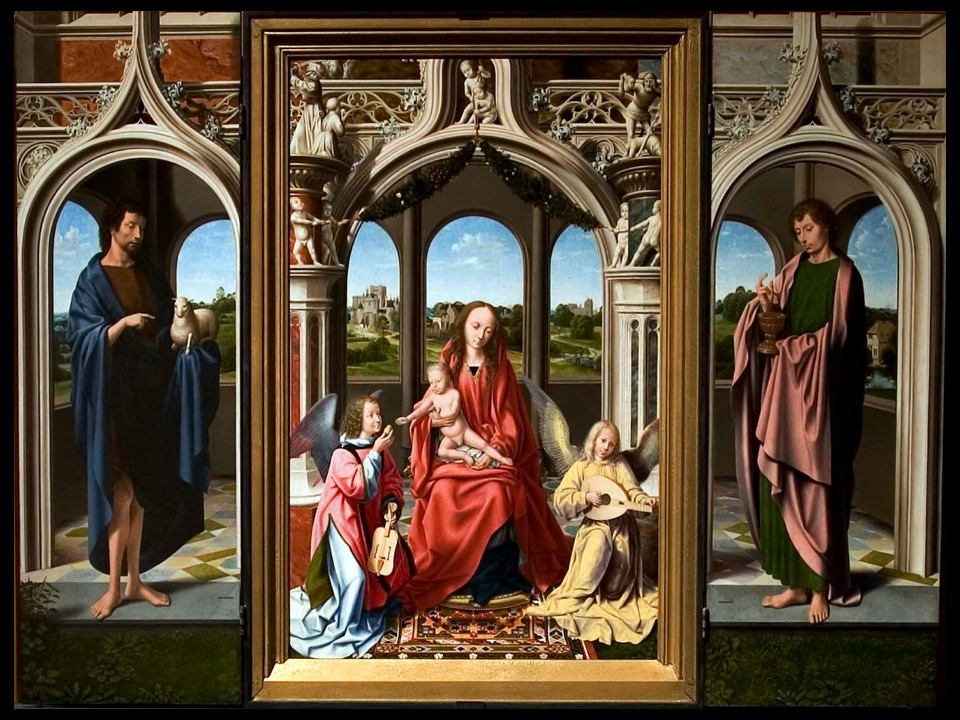
Discover the Morrison Triptych by the Master of the Morrison Triptych—a luminous work exploring sin, redemption, and devotional beauty.
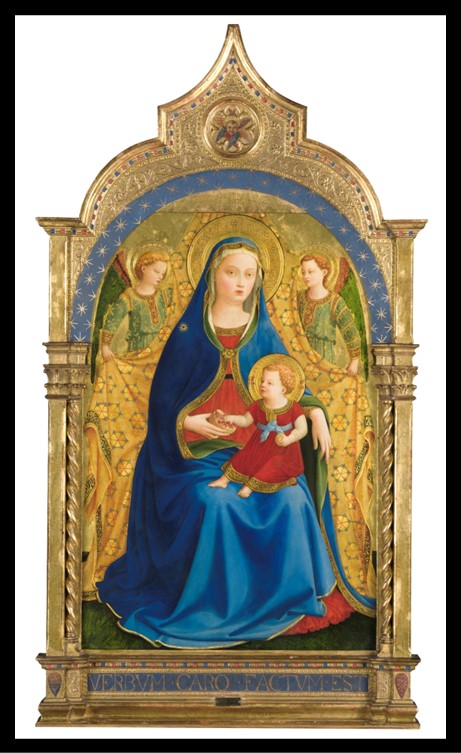
Discover The Virgin with the Pomegranate by Fra Angelico—a luminous vision of divine grace, humility, and spiritual harmony in early Florentine art.
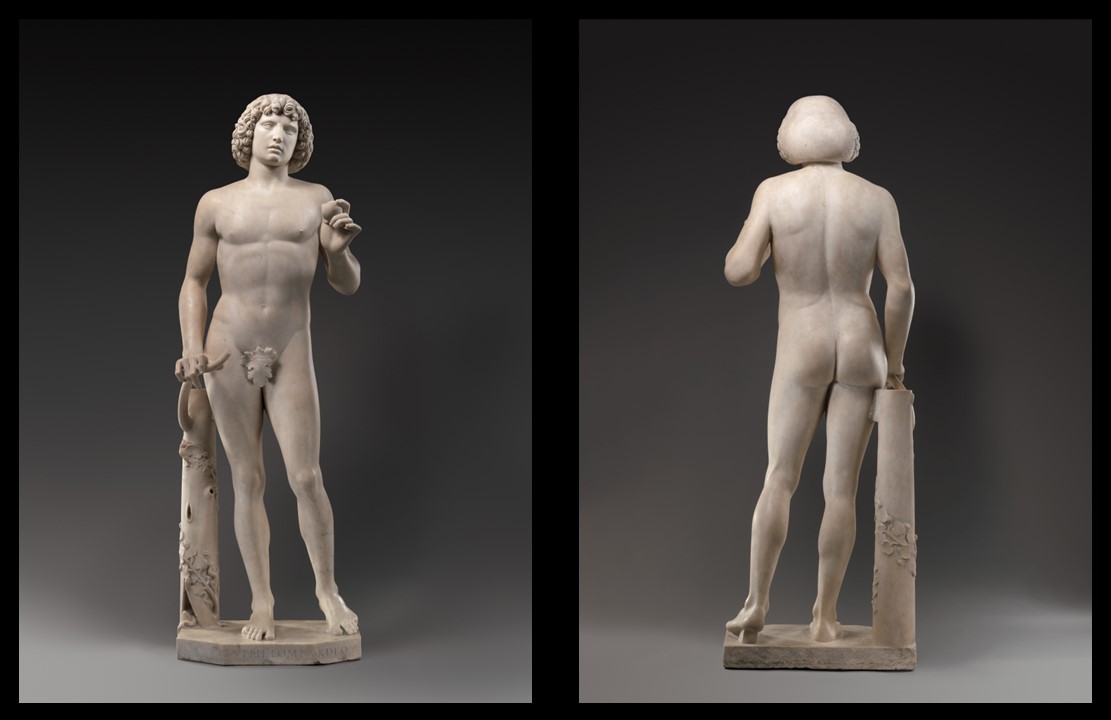
Tullio Lombardo’s marble Adam — Renaissance humanism at its most sublime — embodies Milton’s timeless lament: divine beauty forever shadowed by the weight of human frailty.
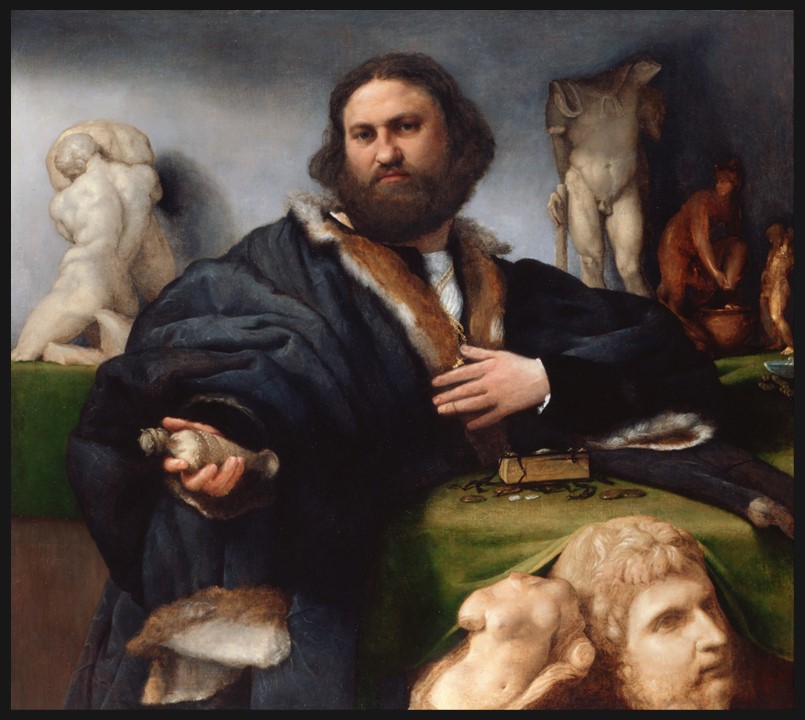
Lotto’s Portrait of Andrea Odoni captures one hand clasping pagan Diana, the other a cross — a Renaissance soul beautifully torn between antiquity and faith.
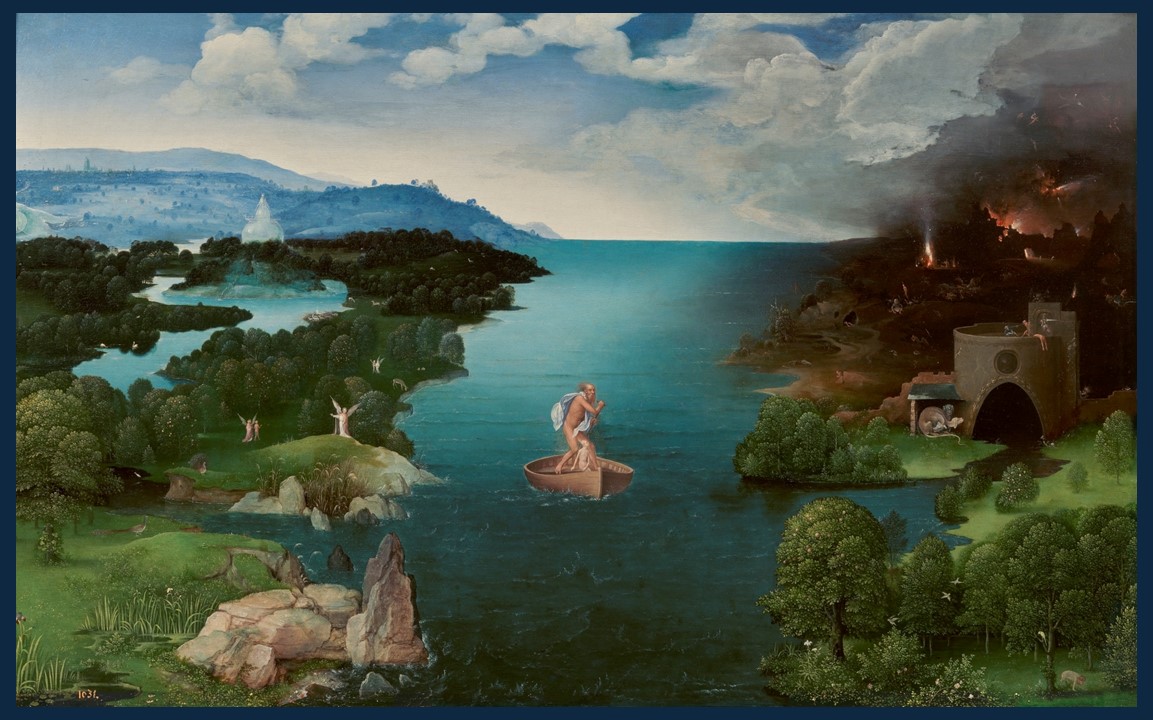
Patinir’s Charon Crossing the Styx navigates between Christian paradise and Greek Hades — a haunting Northern Renaissance masterpiece where mythology, morality, and breathtaking landscape powerfully converge.