At Reclining Youth (cassone lid), Renaissance domestic art merges moral reflection and intimate beauty, where classical ideals and family values shape a serene image intended to adorn and elevate everyday life.
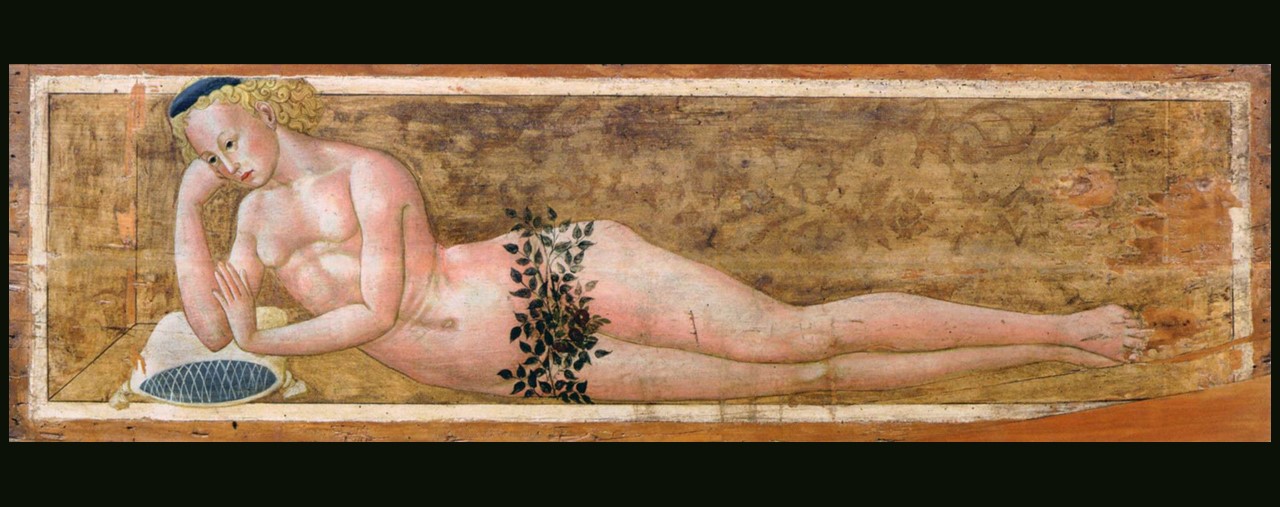
At Reclining Youth (cassone lid), Renaissance domestic art merges moral reflection and intimate beauty, where classical ideals and family values shape a serene image intended to adorn and elevate everyday life.
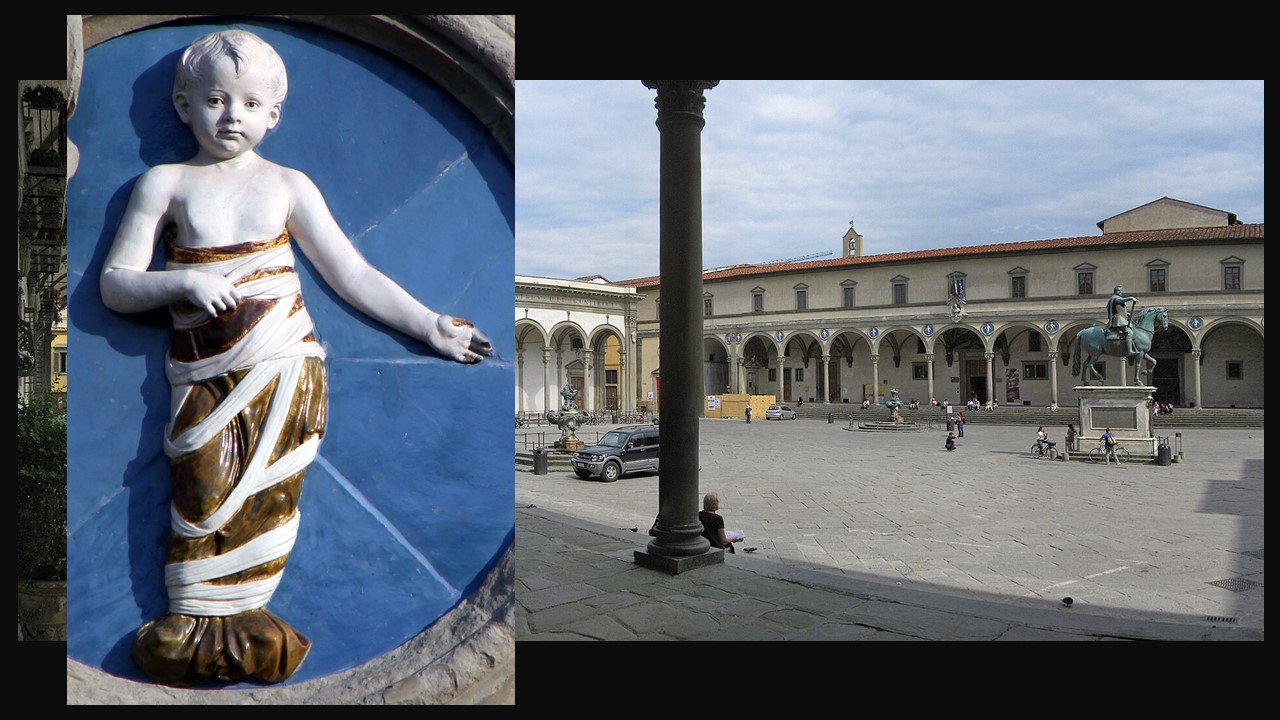
Explore Florence’s Ospedale degli Innocenti — Brunelleschi’s Renaissance masterpiece built for orphaned children, adorned with Andrea della Robbia’s tender glazed terracotta roundels, celebrating innocence, compassion, and timeless artistic beauty.
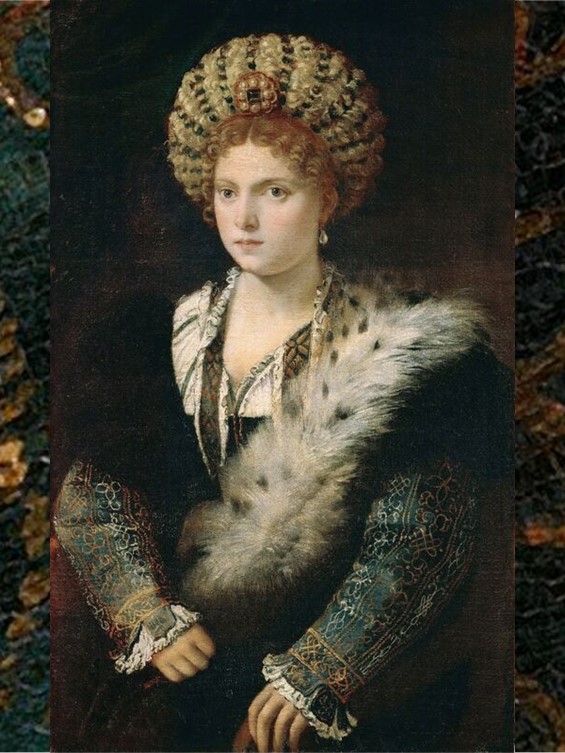
Discover Titian’s captivating Portrait of Isabella d’Este — a masterful Renaissance likeness of the powerful Marchioness of Mantua, radiating regal elegance, timeless beauty, and the divine power of great portraiture.
Relive the legendary 1401 Florence Baptistery competition — where Ghiberti’s gilded genius triumphed over Brunelleschi’s brilliance, launching one of the Renaissance’s most captivating artistic rivalries, as told by Vasari himself.
Giovanni Bellini’s Portrait of a Young Man à l’Antique (c. 1475–80) reflects Renaissance classicism and Mantegna’s influence, its enigmatic sitter—possibly Mantegna—adding intrigue to this refined and lifelike work.
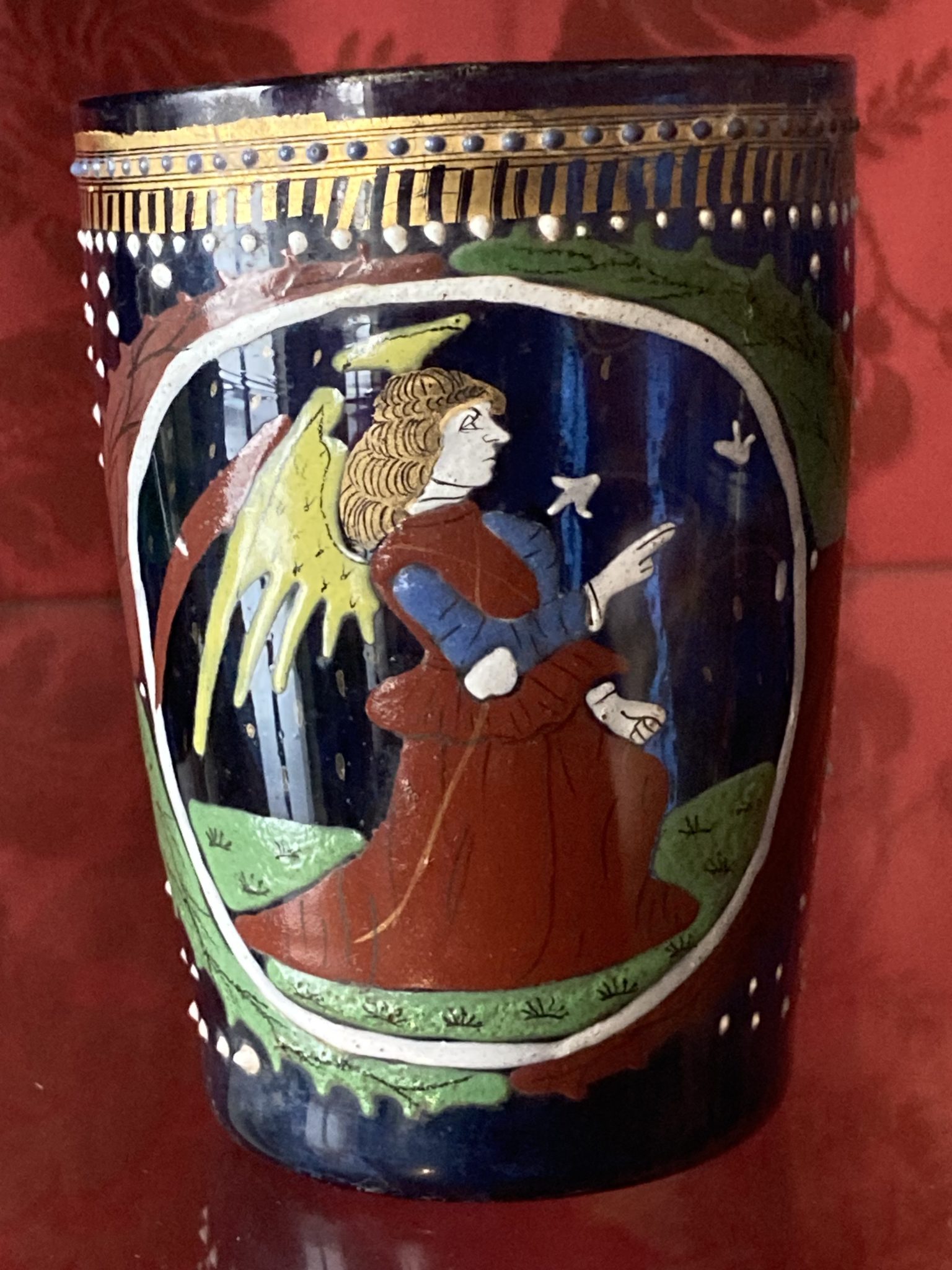
Enameled Murano glass, developed in Venice from the 15th century, transforms vessels through painted vitreous decoration, and the Jacquemart-André beaker reflects this refined tradition of color, imagery, and technical experimentation.
Encountering Giorgione’s elusive Madonna Cook, I was struck by its quiet poetry—where soft light, sparse landscape, and tender intimacy reveal the mystery and innovation of Venetian painting at its finest.
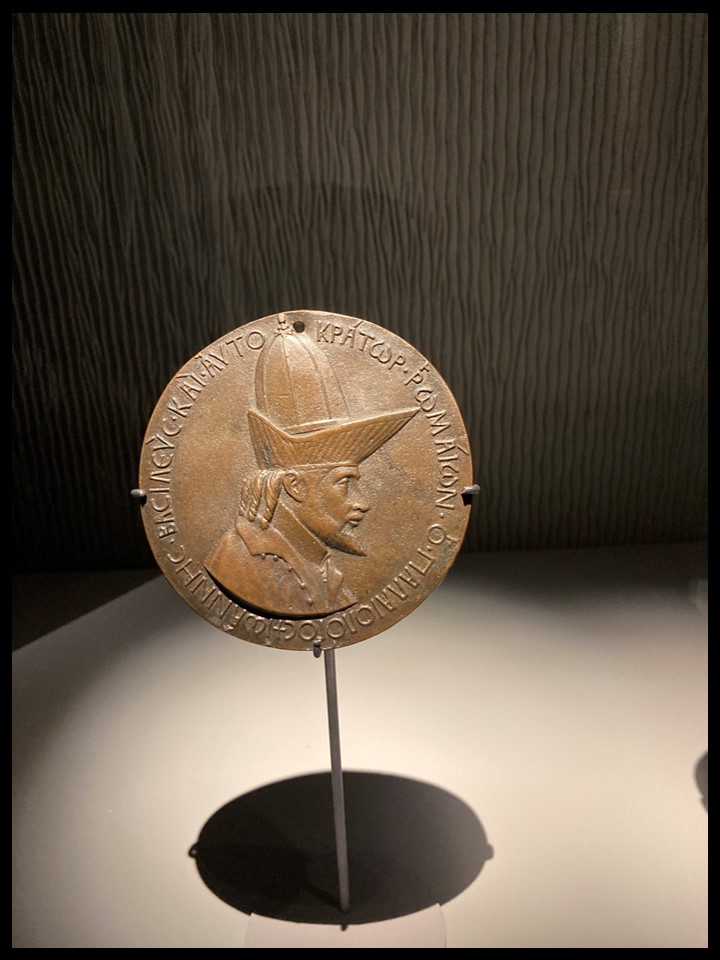
Pisanello’s depiction of John VIII Palaiologos, preserved through sketches and the famous medal, becomes a rare meeting of observation and history, where careful detail turns a fading emperor into a precise Renaissance portrait of dignity and decline.
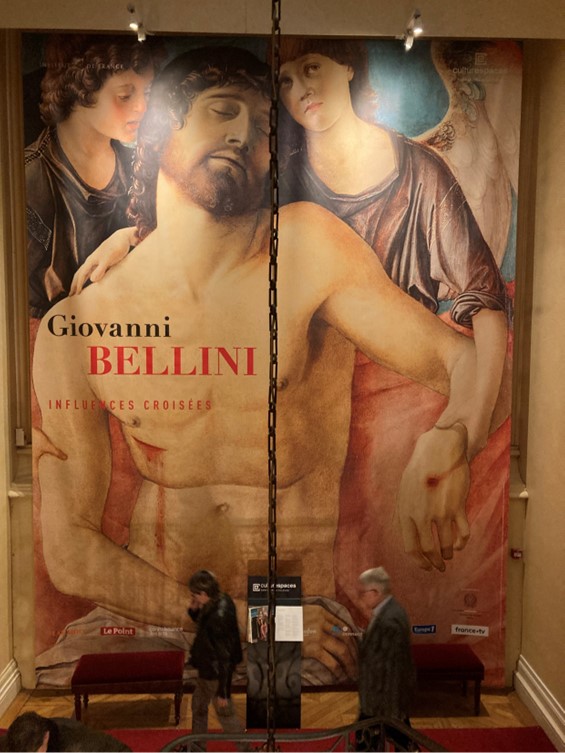
Giovanni Bellini’s The Philips Madonna reflects the delicate transition from Byzantine inheritance to Renaissance naturalism, where luminous colour, sculptural tenderness, and classical echoes shape an intimate vision of divine motherhood.
Leonardo’s Saint John the Baptist extends his late exploration of chiaroscuro and ambiguous gesture, using sculptural lighting and a raised, enigmatic finger to fuse biblical symbolism with painterly experiment, suggesting a continuity from earlier lost works described by Vasari toward an increasingly spiritual abstraction.