While in Vienna, to celebrate the reign of Emperor Maximilian II, Arcimboldo created his “ signature Portraits of the 4 Seasons,” composed of imaginatively arranging elements of nature like plants, flowers, fruits, and vegetables.
Autumn by Giuseppe Arcimboldo
Arcimboldo’s gloriously quizzical Autumn — berry-eyed, grape-crowned, emerging from a wine barrel — transforms harvest abundance into portraiture so inventive it astonishes five centuries later.
Summer by Giuseppe Arcimboldo
Vivaldi’s vivid Summer sonnet meets Giuseppe Arcimboldo’s allegorical portrait, where ripe fruits and vegetables form a lush, symbolic figure celebrating the season’s abundance and intensity.
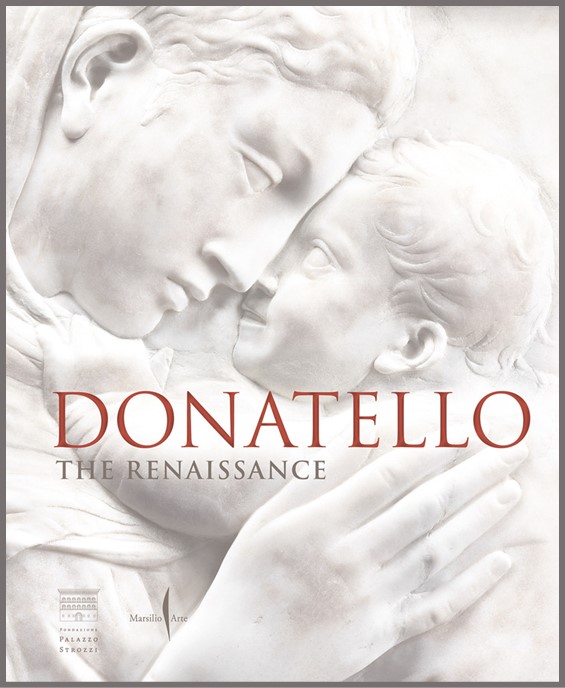
Donatello’s Pazzi Madonna
Donatello’s Pazzi Madonna (c.1420) reveals tender intimacy between mother and child, exemplifying his innovative, humanized style and groundbreaking role in shaping Renaissance sculpture.
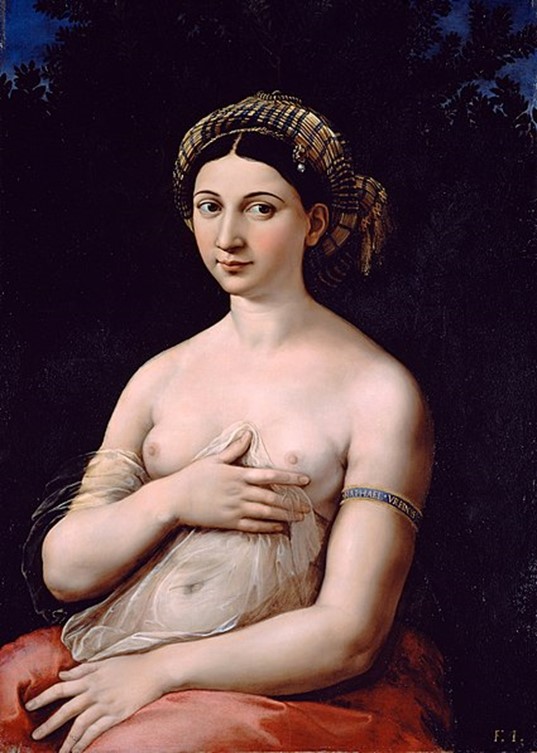
La Fornarina
La Fornarina, often linked to Raphael, portrays an enigmatic young woman whose identity remains debated, blending sensuality, symbolism, and artistic self-awareness in a work that continues to fascinate scholars.
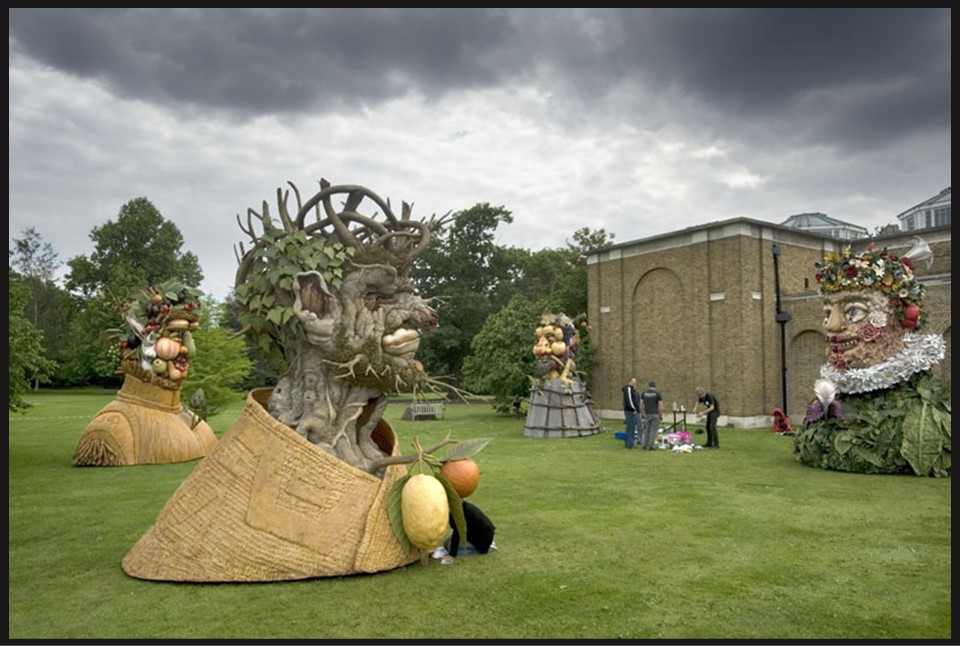
Spring by Giuseppe Arcimboldo
Giuseppe Arcimboldo, a Renaissance artist from Milan, gained fame for his imaginative portraits and court work, rising from early commissions to serve the Habsburg emperors in Vienna and Prague.
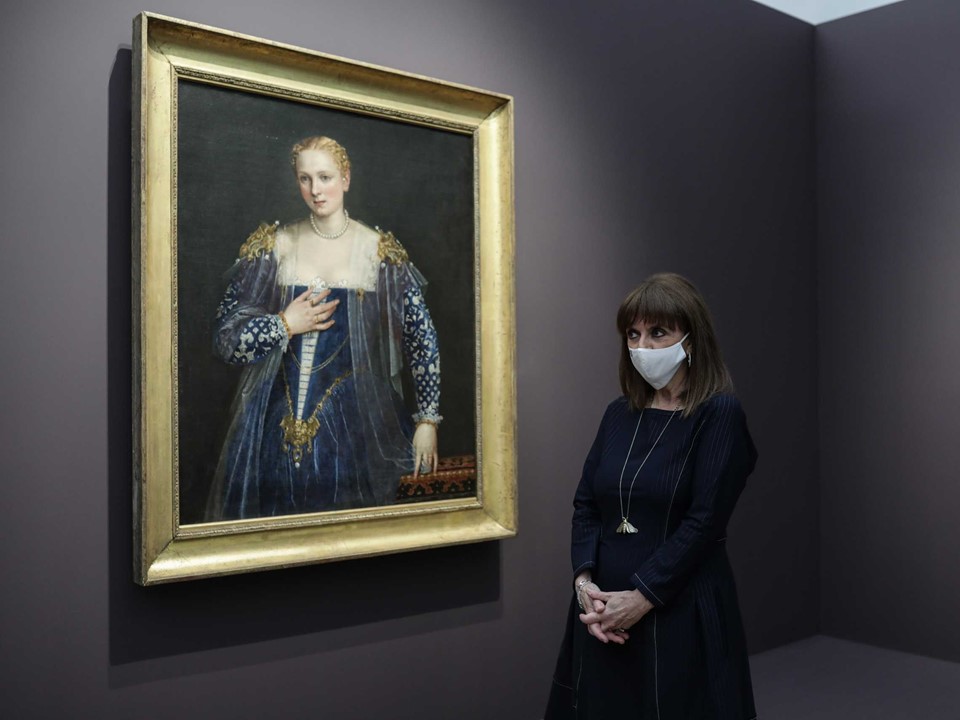
La Belle Nani by Paolo Veronese
Paolo Veronese’s La Belle Nani presents an elegant Venetian woman whose identity remains uncertain, embodying Renaissance ideals of beauty, virtue, fashion, and aristocratic status in a richly symbolic portrait.
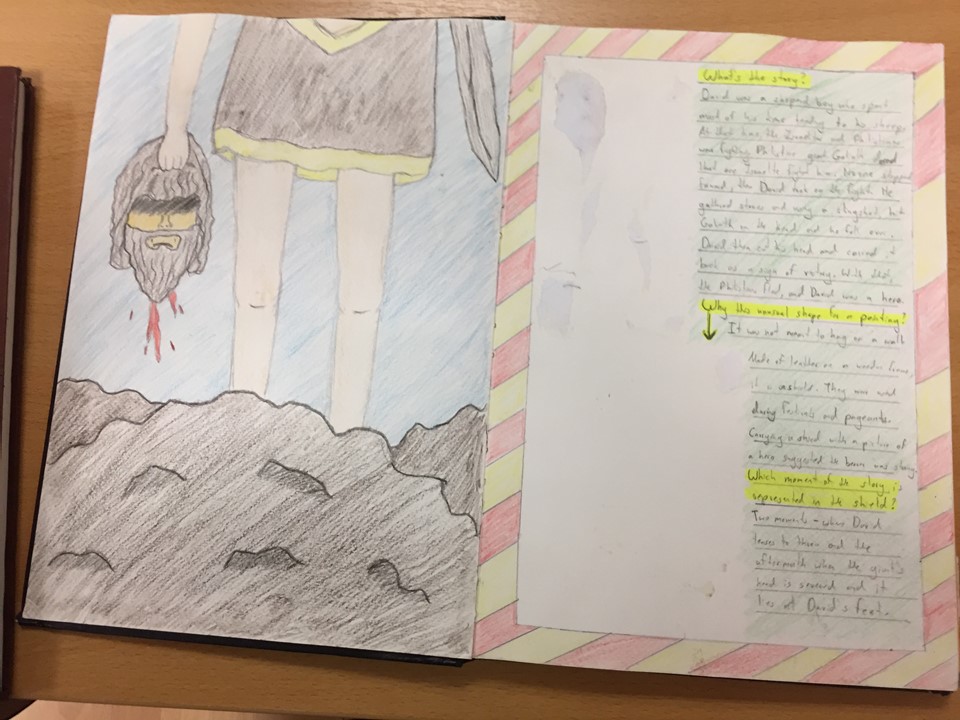
David with the Head of Goliath by Andrea del Castagno
Andrea del Castagno’s David with the Head of Goliath (c. 1450–55) presents a Florentine civic hero triumphing over evil, symbolizing republican strength, determination, and Renaissance ideals of virtù.
The Labours of the Months: December
Folgore da San Gimignano’s December sonnet, translated by Rossetti, introduces the “Labours of the Months” theme, linking medieval rural work, seasonal cycles, and moral reflection through vivid poetic imagery.
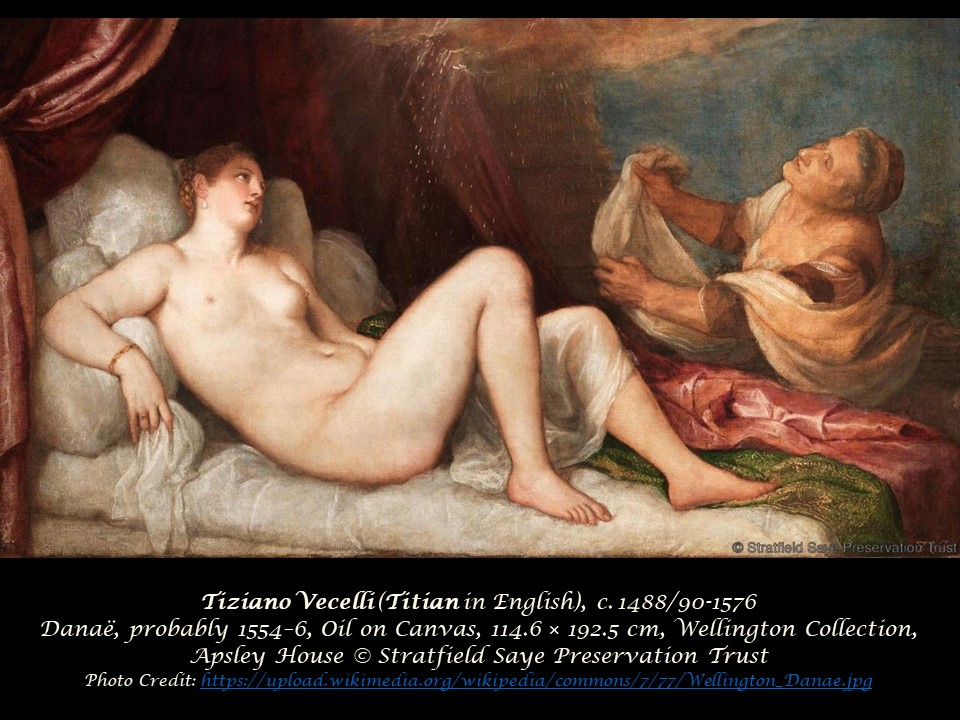
Titian in the Isabella Stewart Gardner Museum
Titian’s poesie for Philip II reimagined Ovidian myths as sensuous, emotionally charged paintings of gods and mortals, exploring love, desire, violence, and fate through innovative, poetic Renaissance compositions.