Guido Mazzoni’s terracotta portrait of an elderly man confronts viewers with unidealised age and psychological realism, transforming clay into a profound Renaissance meditation on human dignity, mortality, and individual identity.
Michelangelo’s Bacchus with Satyr
Michelangelo’s Bacchus transforms Horatian visions of Dionysian ecstasy into marble, depicting the god’s intoxicating instability, sensuality, and mythic ambiguity through a dynamic fusion of classical form and emotional excess.
Cimabue’s Maestà di Assisi
Cimabue’s Maestà di Assisi marks a pivotal shift from Byzantine abstraction toward early naturalism, portraying the Virgin and Child with emerging spatial depth and human presence within a profoundly devotional medieval context.
Lorenzo di Credi
Lorenzo di Credi’s Venus at the Uffizi challenges every Renaissance ideal of feminine grace — monumental, grounded, and quietly radical for its time.
Patriarch Joseph II of Constantinople
Patriarch Joseph II of Constantinople died in Florence in 1439, pursuing Christian unity between East and West. His tomb in Santa Maria Novella remains a quiet symbol of that dream.
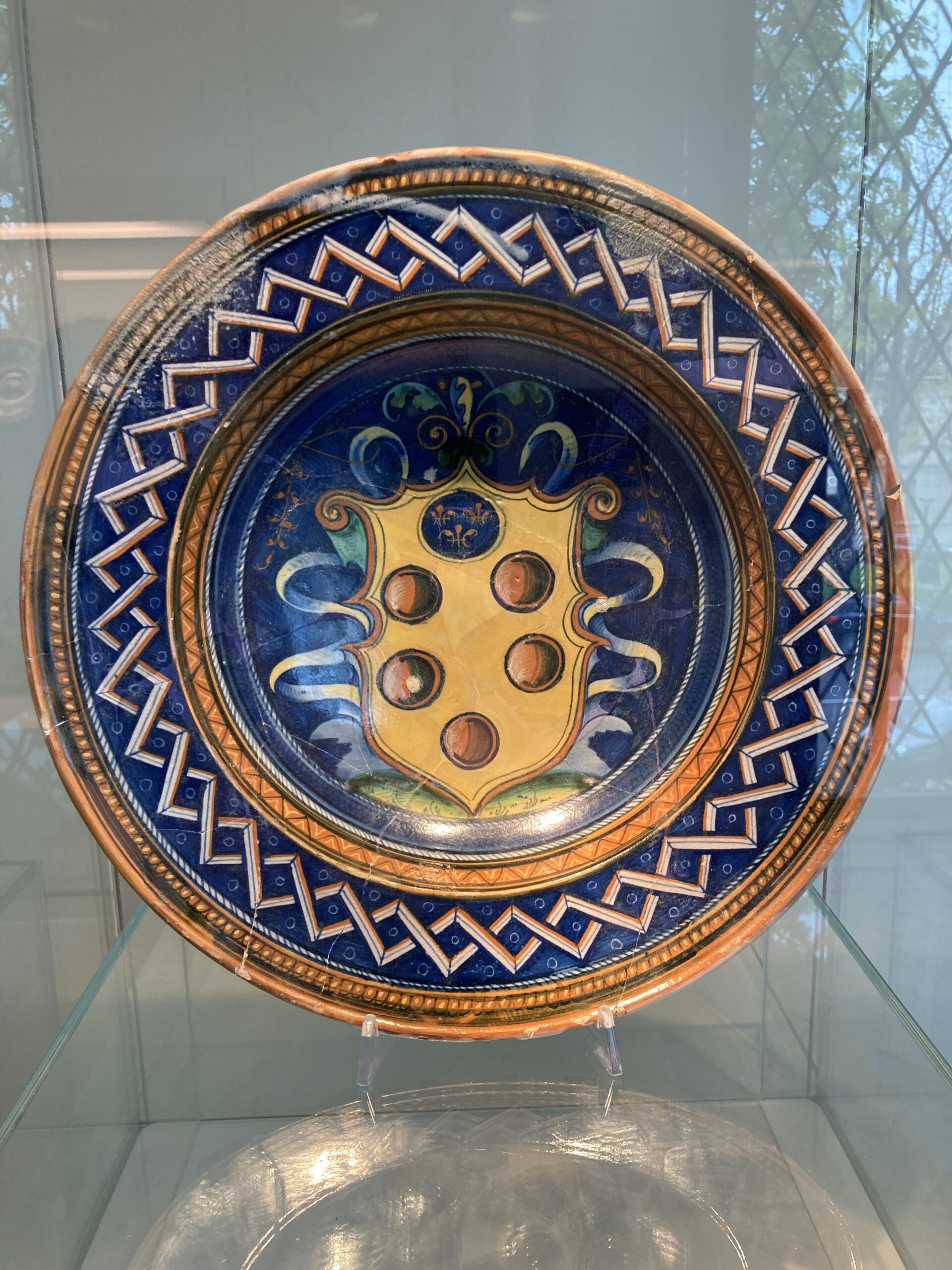
The Medici in Faenza
Faenza gave the world faïence — and the International Museum of Ceramics preserves its greatest treasures, including a small, exquisite Majolica plate that quietly speaks of Medici power.
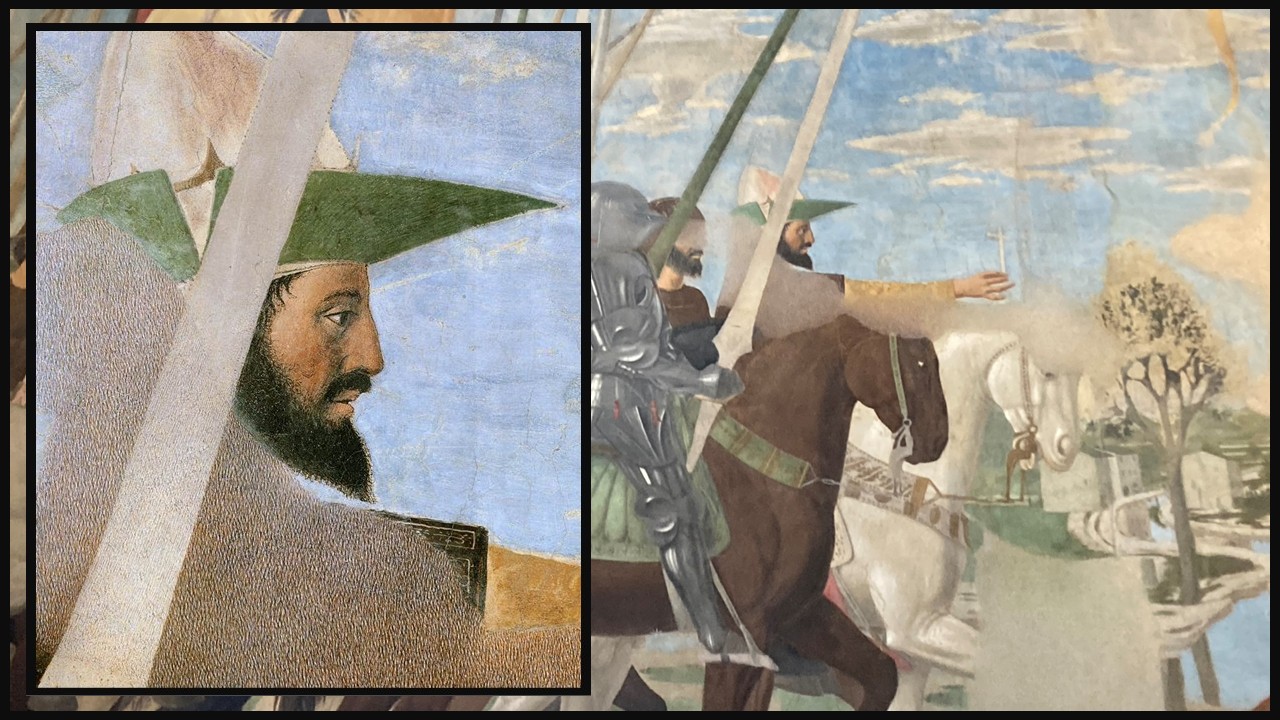
Saint Constantine in Arezzo
On Saint Constantine’s name day, a journey to Arezzo — where Piero della Francesca’s majestic frescoes place Constantine at the heart of one of Renaissance art’s greatest cycles.
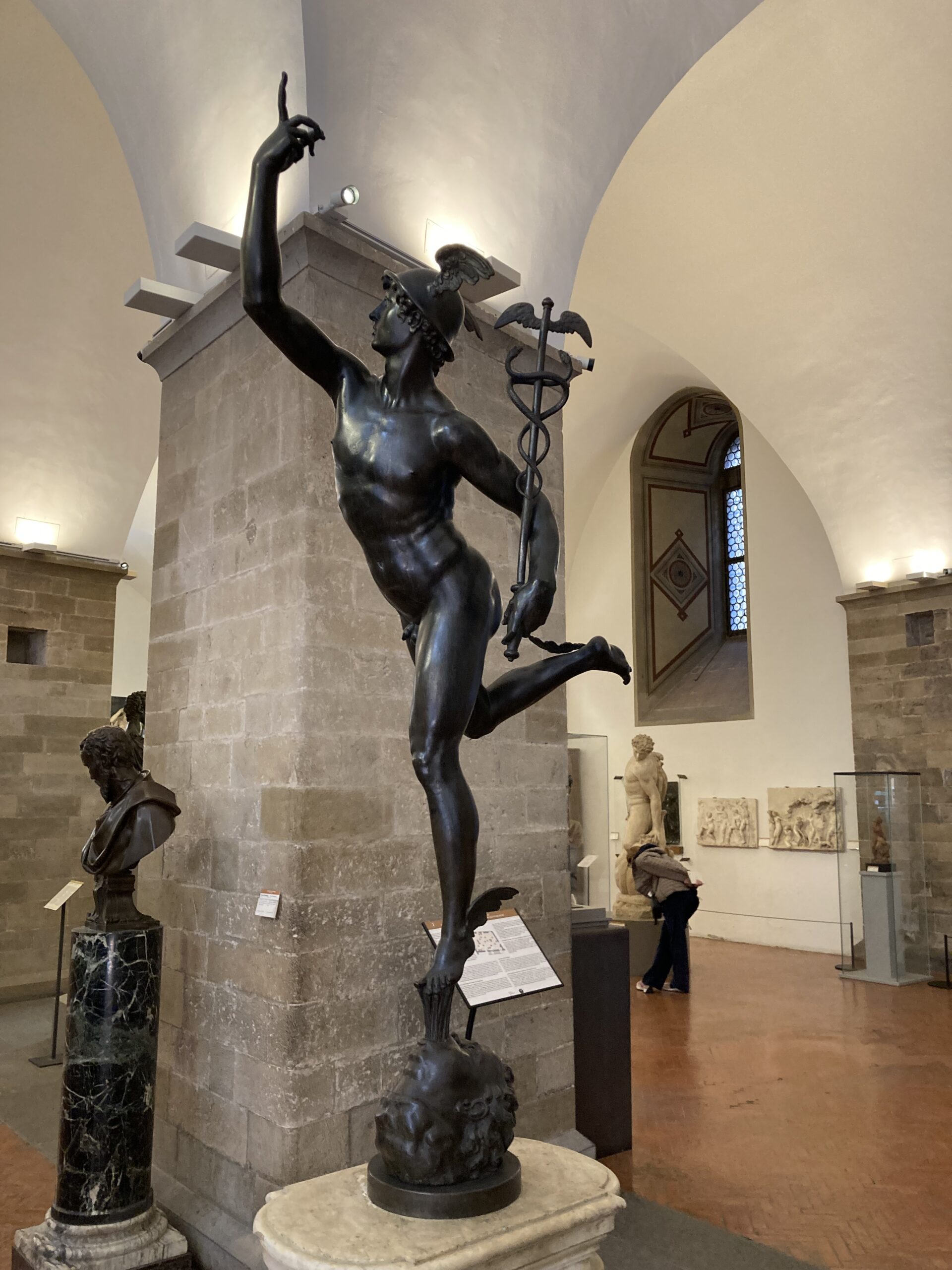
Giambologna’s Mercury
Poised mid-flight on a breath of wind, Giambologna’s bronze Mercury at Florence’s Bargello Museum defies gravity — a Mannerist masterpiece where myth, motion, and divine elegance are frozen in bronze.
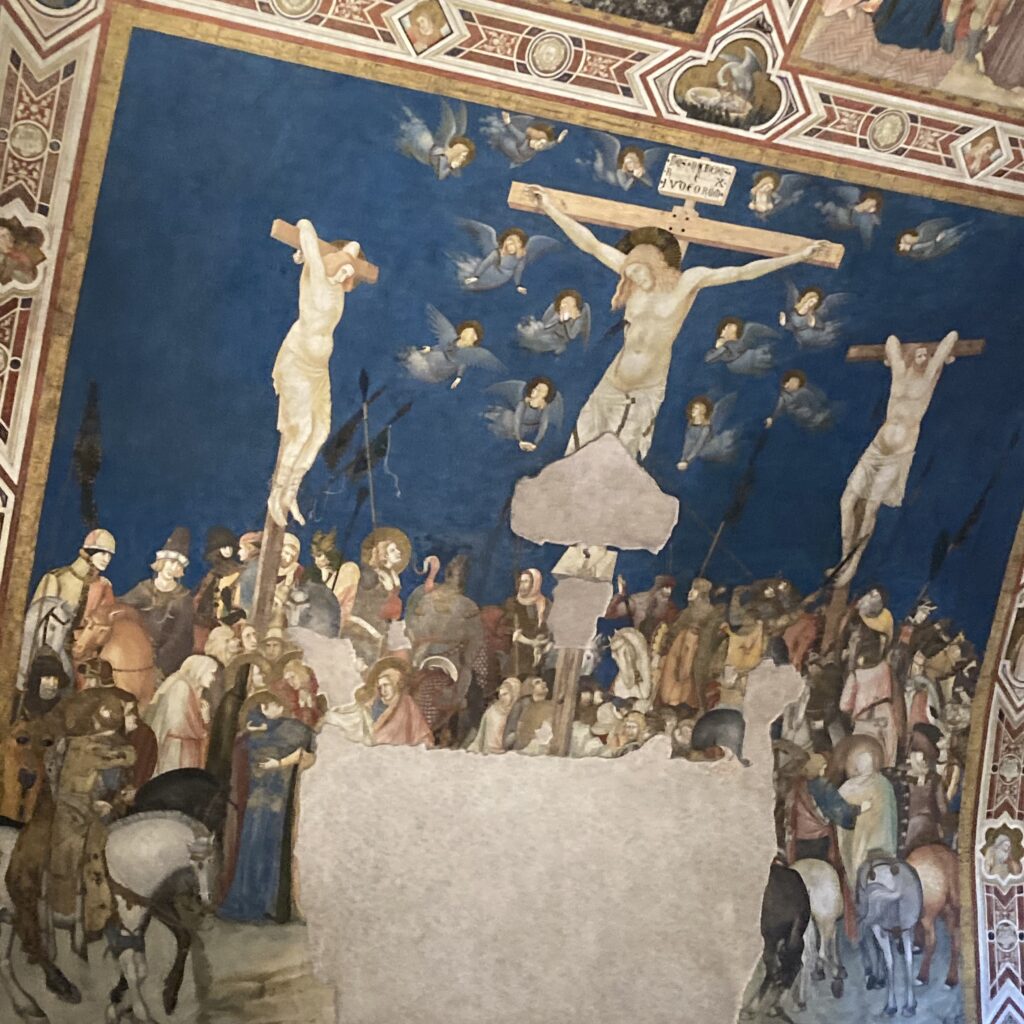
Good Friday – ΜεγάληΠαρασκευή
Pietro Lorenzetti’s early 14th-century Crucifixion fresco in Assisi’s Lower Church of San Francesco is a haunting masterpiece of raw emotion, naturalism, and divine sacrifice that bridges Gothic spirituality and Renaissance vision.
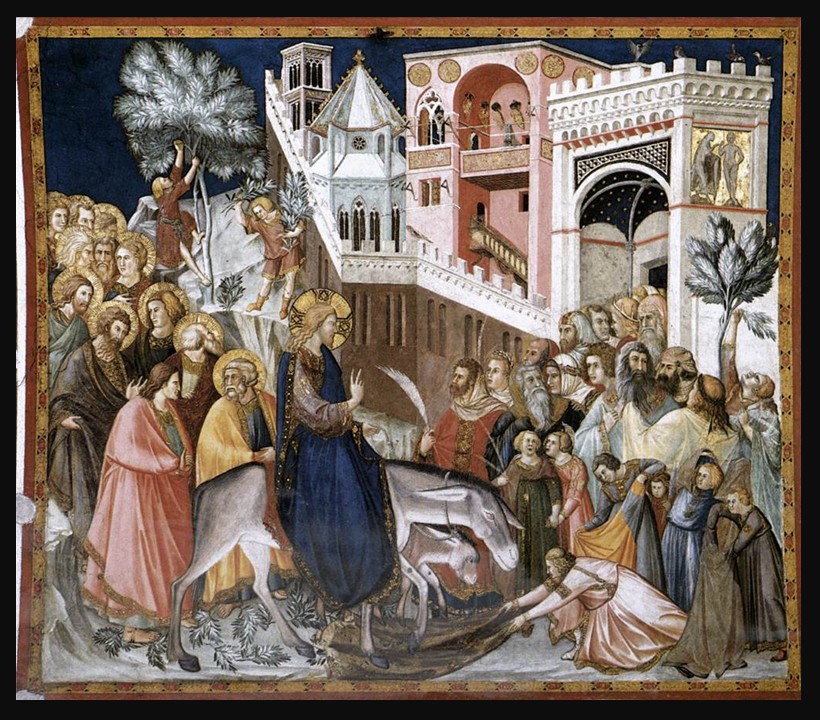
Palm Sunday fresco scene in Assisi
Pietro Lorenzetti’s breathtaking Passion frescoes in Assisi’s Lower Basilica of San Francesco blend Gothic spirituality with pioneering naturalism — transforming biblical narrative into deeply human, emotionally charged scenes that foreshadowed the Renaissance.