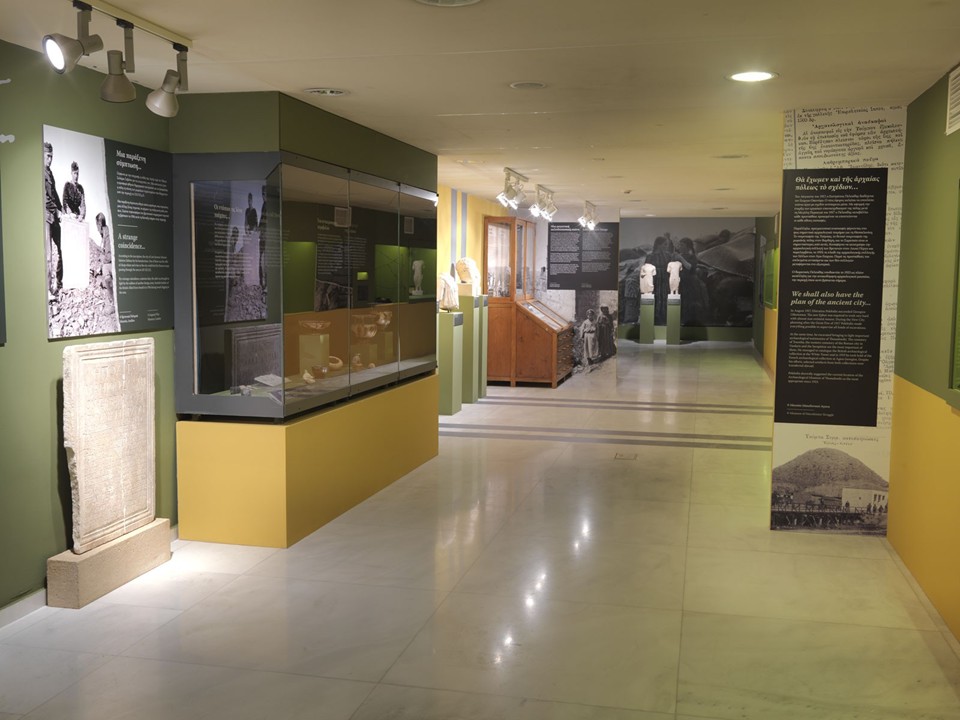
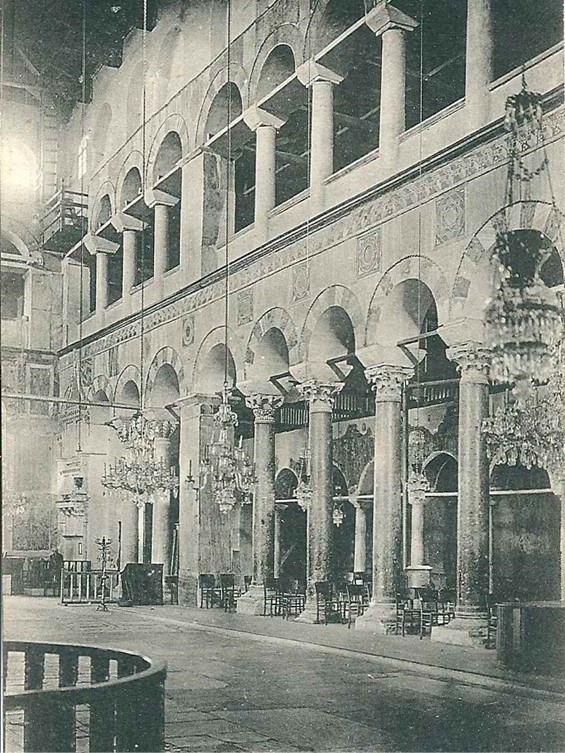
Varges’s WWI Salonika photographs capture Allied operations intertwined with archaeological discoveries, revealing ancient Macedonian heritage emerging through wartime excavations and the documentation of Manius Salarius Sabinus’s inscribed marble plaque.
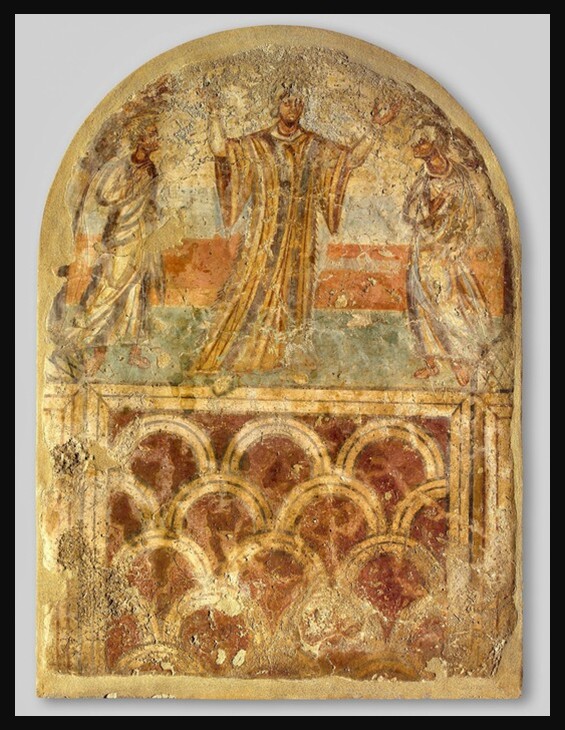
Susannah, a woman of rare beauty and deeper virtue, faced a cruel choice — submit or be condemned. Her unwavering courage became a timeless testament to virtue and truth.
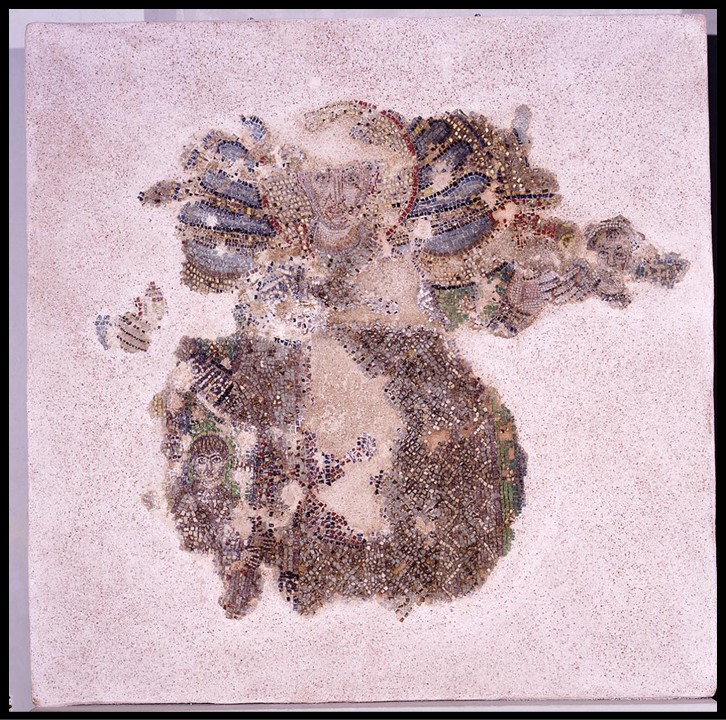
Unearthed in 1907, lost forever in Thessaloniki’s catastrophic 1917 fire, this surviving mosaic fragment of Saint Demetrios — patron, protector, martyr — remains a breathtaking link to Byzantine devotion.
Konstantinos Maleas’s Religious Scene reflects early 20th-century engagement with Thessaloniki’s newly uncovered Byzantine mosaics, especially the Enthroned Virgin, a visual tradition also documented by Walter S. George during his 1907–1909 studies for the British School at Athens.
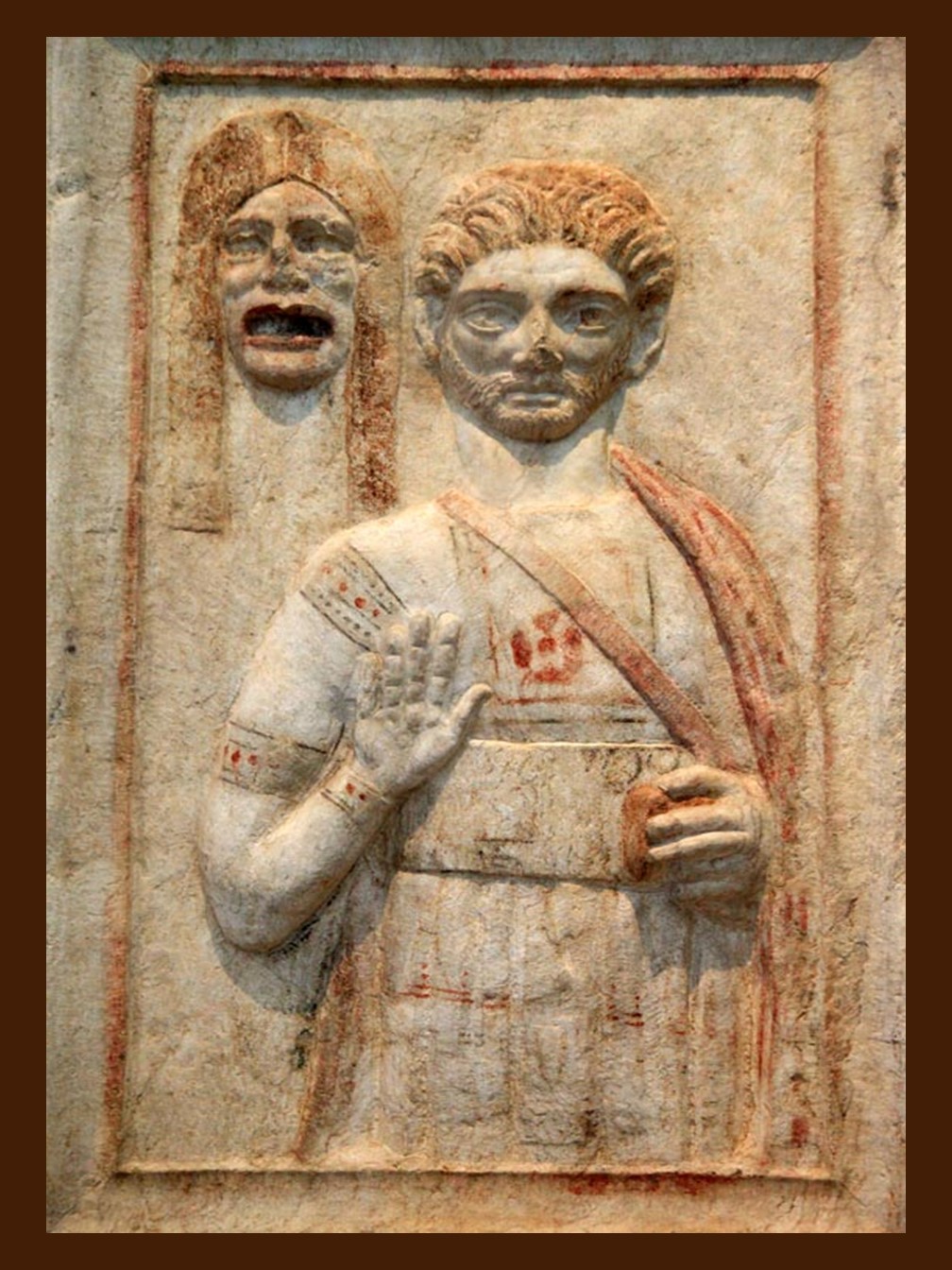
Funerary Altar-Shaped Stele of Actor Marcus Varinius Areskon, 170-200 AD, Marble with traces of the original paint, 1670×70-72×52-66 cm, Archaeological Museum of Thessaloniki Photo Credit: Kostas Papantoniou https://www.amth.gr/en/exhibitions/highlights
O man, with your wonderful dower, / O woman, with genius and grace, / You can teach the whole world with your power, / If you are but worthy the place. / The stage is a force and a factor / In moulding the thought of the day, / If only the heart of the actor / Is high as the theme of the play. … No matter what role you are giving, / No matter what skill you betray, / The everyday life you are living, / Is certain to colour the play./ The thoughts we call secret and hidden / Are creatures of malice, in fact;/ They steal forth unseen and unbidden, / And permeate motive and act. Ella Wheeler Wilcox (1850-1919) was an American author and poet who wrote THE ACTOR…an appropriate, in my humble opinion, introduction to our new POST… Areskon is my Name and I am an Actor. http://www.ellawheelerwilcox.org/poems/pactor.htmhttps://en.wikipedia.org/wiki/Ella_Wheeler_Wilcox
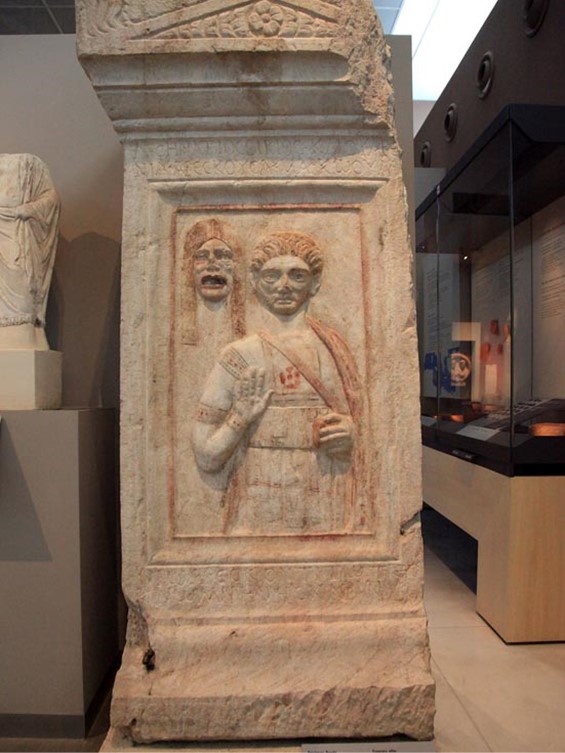
Funerary Altar-Shaped Stele of Actor Marcus Varinius Areskon, 170-200 AD, Marble with traces of the original paint, 1670×70-72×52-66 cm, Archaeological Museum of Thessaloniki Photo Credit: Kostas Papantoniou https://www.amth.gr/en/exhibitions/highlights
Marcus Varinius Areskon… I seek him out every time I visit the Archaeological Museum of Thessaloniki. I introduce him to my students every time I guide them around this wonderful “shrine” of the Muses… and yet I know so little about him. An inscription introduces himself. Carved above his portrait and under it, the epitaph inscription reads… Λ(ούκιος) Σηνάτιος Οἴκιος καὶ Οὐαρε | νία Ἀρέσκουσα Μάρκῳ Οὐαρ[ε] | νίῳ Ἀρέσκοντι τῷ τέ | κνῳ μνήμης χάριν Lucius Senatius (probably an unknown member of the family) and Var(e)inia Areskousa to her son Marcus Var(e)inius Areskon in memory… I am intrigued… can the portrait of a young man and an inscription help us unravel the knot? https://www.amth.gr/en/exhibitions/highlights
Areskon was the son of Var(e)inia Areskousa, he was related? to Lucius Senatius, he was Roman, he lived in Thessaloniki, and he died painfully young. This beautiful funerary memorial, in marble and vividly painted, the colours remain remarkably well-preserved, testifying to the economic ability of the family to honour their young demised member with a worthy memorial. https://m.flickr.com/photos/69716881@N02/50914350016/in/faves-36551225@N05/
Areskousa and Areskon, mother and son, members of a popular family of actors, were probably entertainment “stars” of the time. This is what their names connotate (Areskon/Areskousa= one who pleases, who is popular). The mother was probably an actress of the popular mime theatre, while the son managed to elevate himself and become a young, versatile tragic actor of fame and fortune. His funerary monument is a proper testament to his popularity and wealth.
The portrait on his rectangular funerary altar shows him en face, upright, attired in military gear. His right hand is raised in salutation, the left seems to hold a sword? In the upper left corner of the composition, still beautifully coloured, a mask, worn by male actors for a female theatrical role, identifies the male portrait as an actor of versatile abilities.
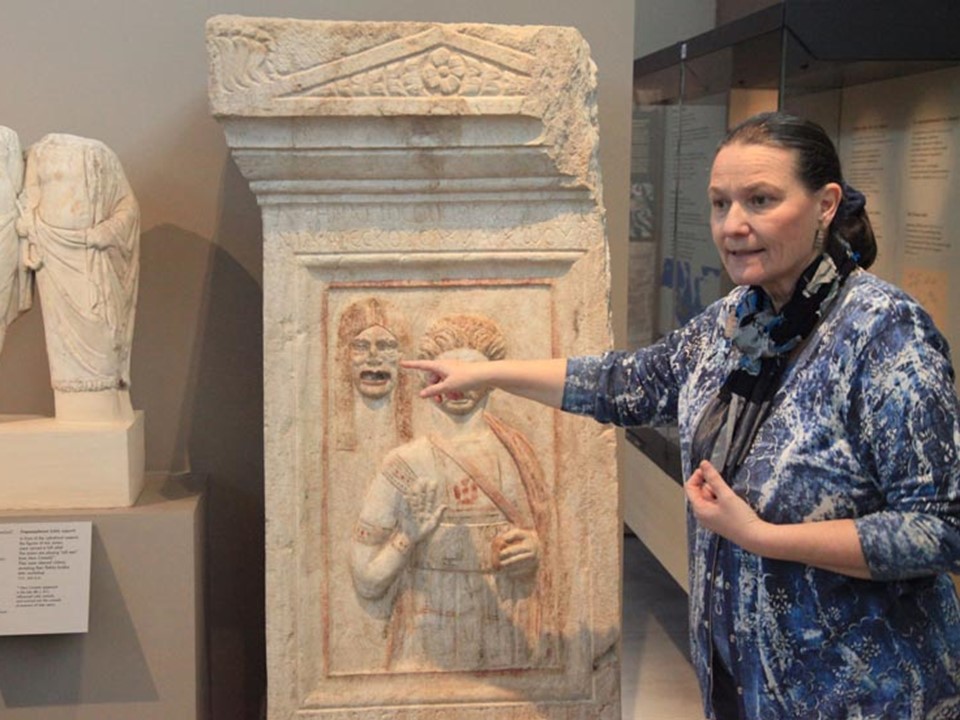
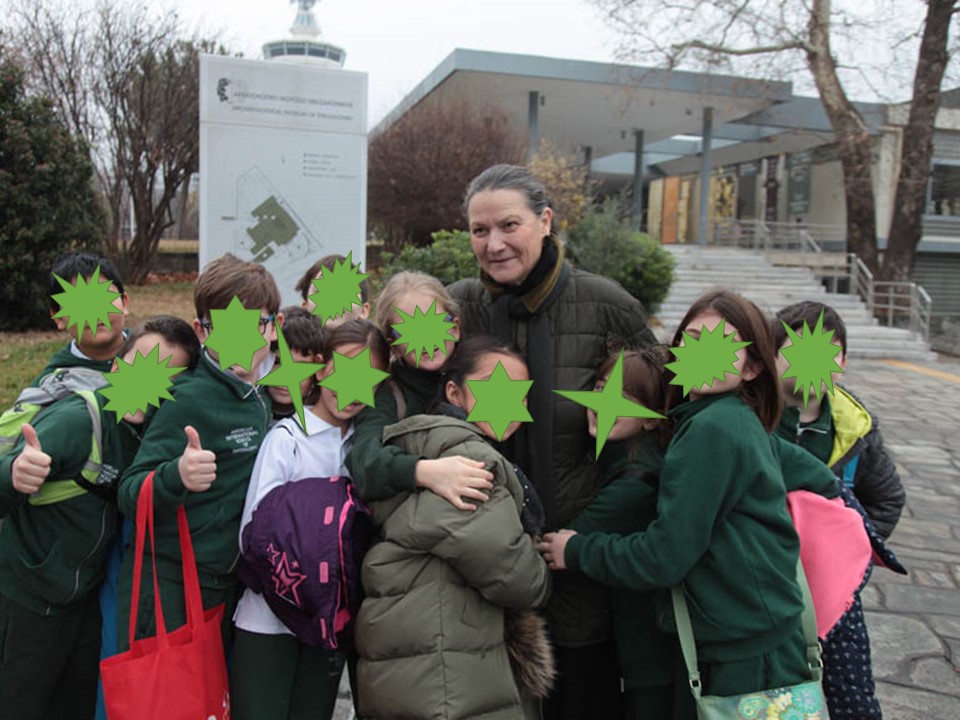
1917, Trip to the Archaeological Museum of Thessaloniki… my respects to Areskon… Photo Credit: Kostas Papantoniou
The Portrait of Areskon is shown in the middle of a simple yet elegantly proportioned structure described by the Museum archaeologists as a funerary altar. It is simply framed, sits on a pedestal and is crowned by an inscribed pediment with a central rosette, leaves and stylized acroteria. It was discovered near the eastern fortification walls of Thessaloniki, almost embedded in an apartment building of modern times. Today, exhibited in the Archaeological Museum of Thessaloniki, it is considered one of the Museum’s highlights!
For a PowerPoint presenting a School Trip to the Archaeological Museum of Thessaloniki and the Funerary Altar of Areskon, please… Check HERE!
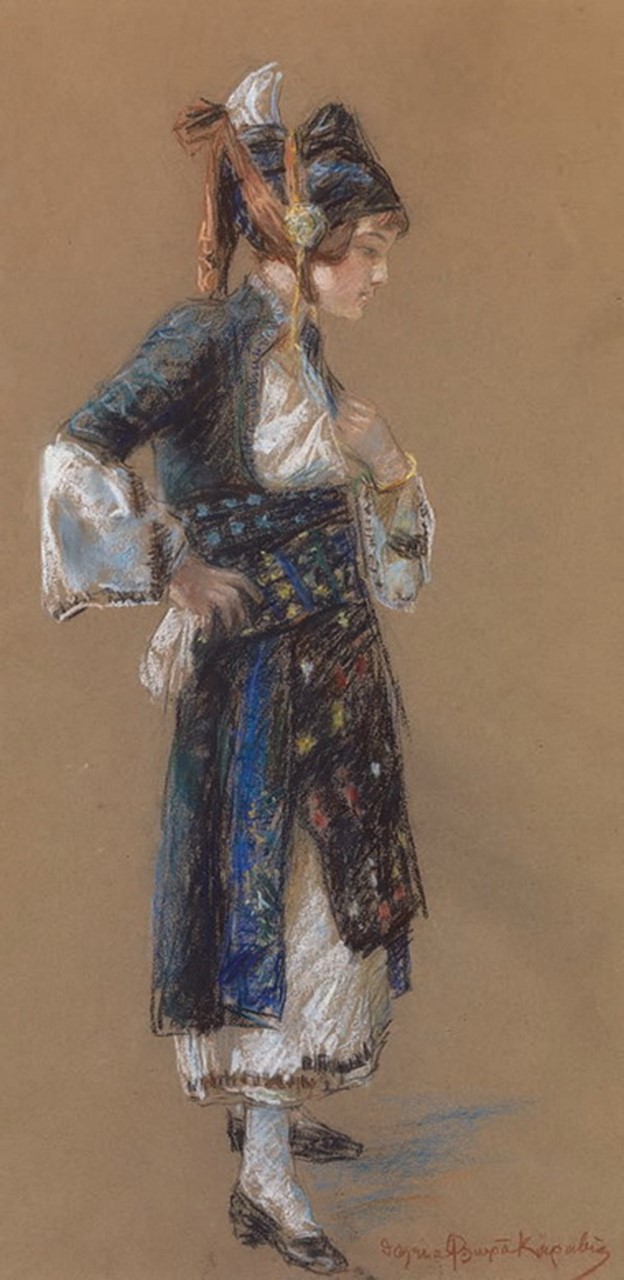
Pencils in hand, Thalia Flora-Karavia followed the Greek army through liberated Macedonia in 1912 — a woman defying every barrier to document war’s human face with extraordinary sensitivity.
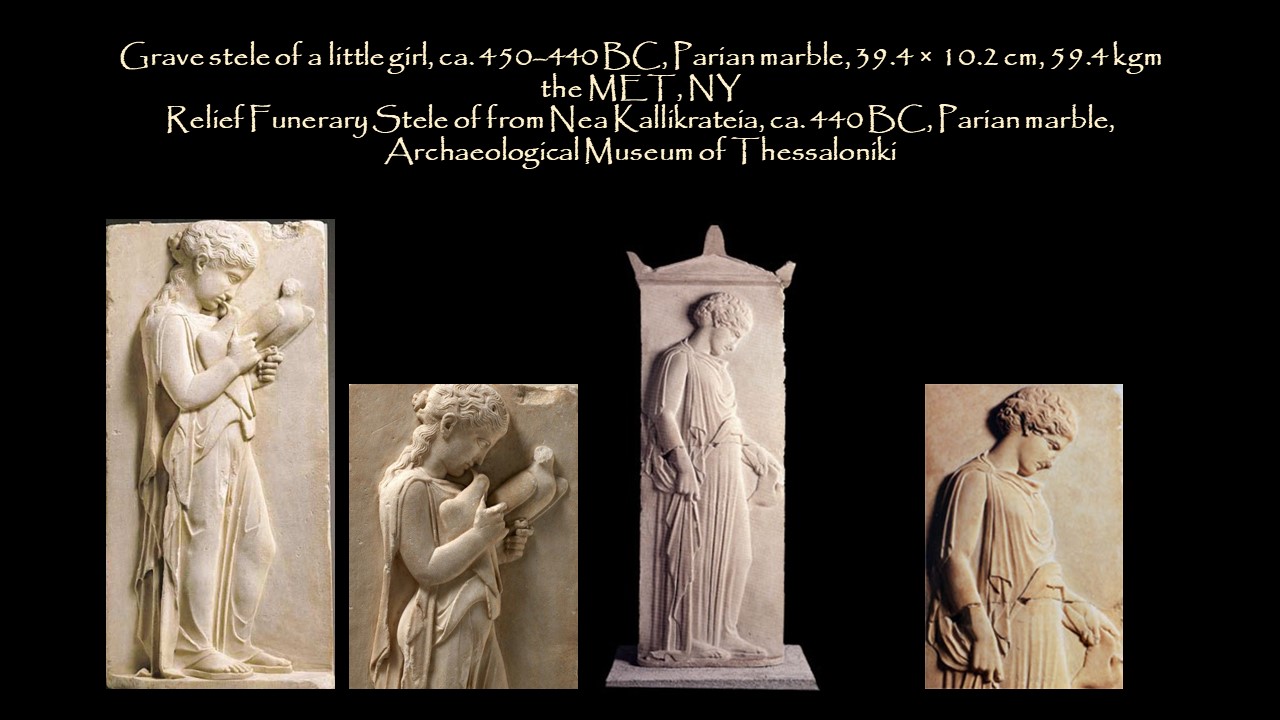
Graceful yet sorrowful, two ancient girls bid farewell, immortalized in Parian marble—tender gestures, delicate birds, and quiet emotion capturing timeless beauty and the poignancy of parting.
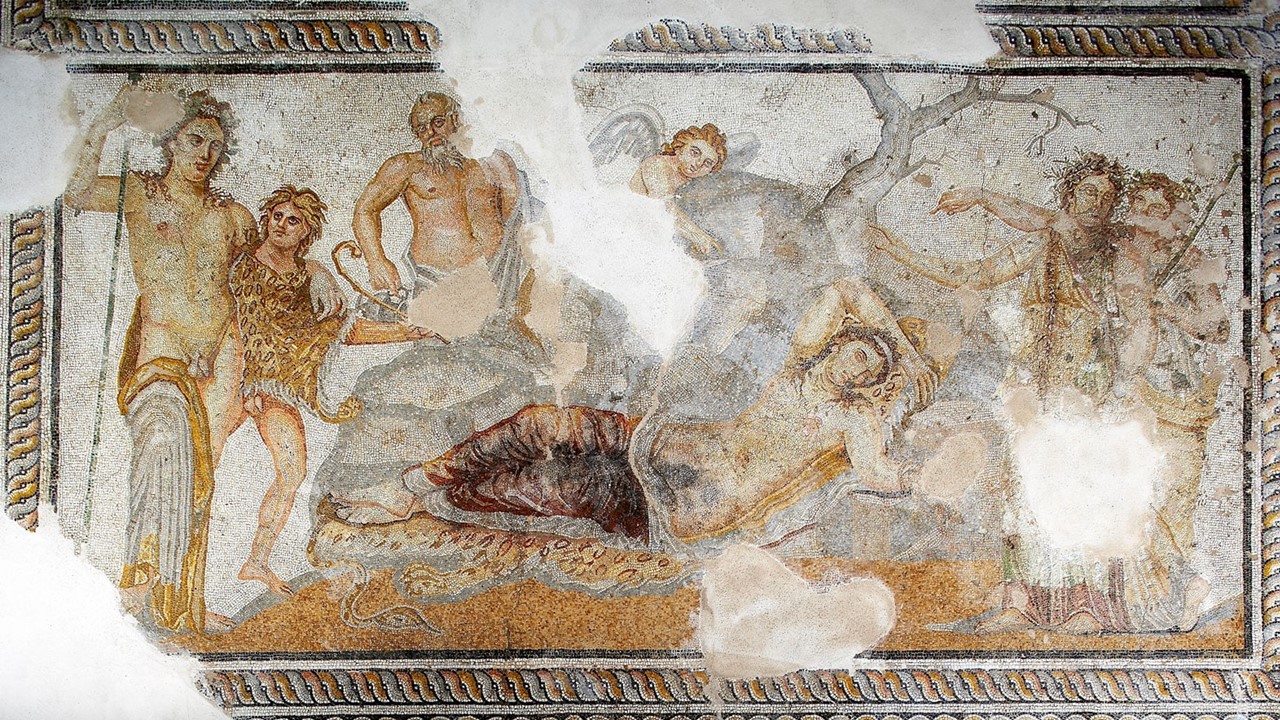
A Grade 6 Student Activity exploring the myth of Ariadne, where students research five artworks and creatively present her journey through love, betrayal, and myth across painting and sculpture.