Veiled in motion, the Bronze Hellenistic Dancer embodies the fleeting poetry of dance—an intimate, sensuous performance capturing Hellenistic grace, emotion, and the allure of movement suspended in time.
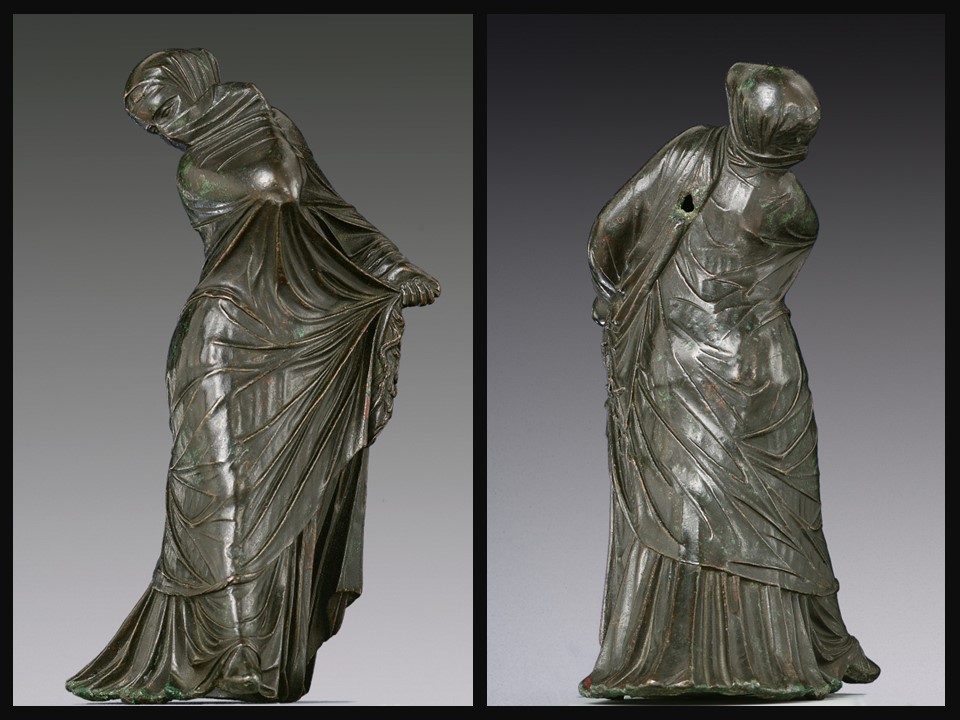
Veiled in motion, the Bronze Hellenistic Dancer embodies the fleeting poetry of dance—an intimate, sensuous performance capturing Hellenistic grace, emotion, and the allure of movement suspended in time.
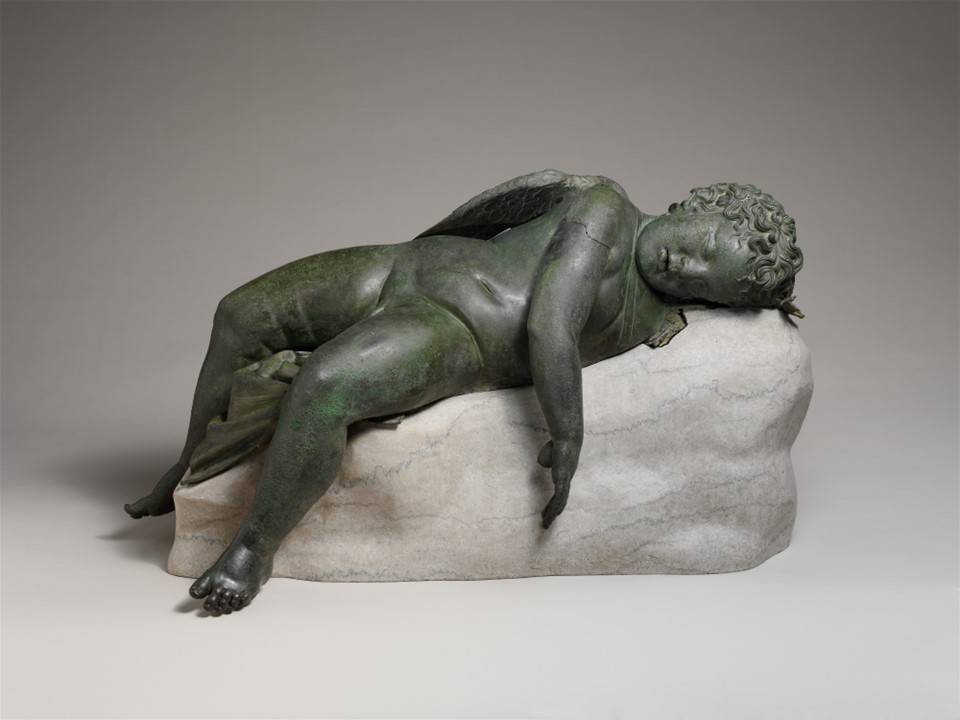
At Sleeping Eros, love is rendered as vulnerable rest rather than force, transforming myth into intimate naturalism where divine desire becomes human, tender, and quietly suspended in sleep.
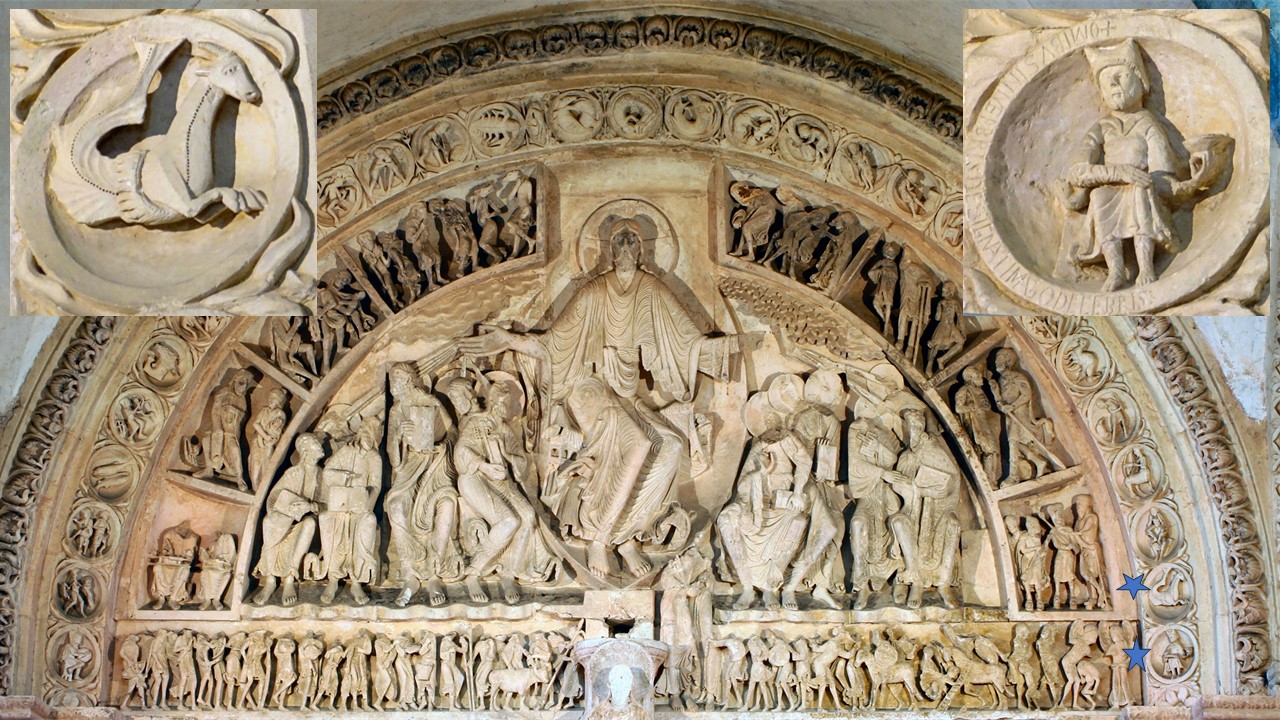
Discover the magnificent tympanum of Vézelay’s Abbey Church — a Romanesque masterpiece blending Christ, the Apostles, zodiac signs, and the peoples of the world in one breathtaking sculpted portal.
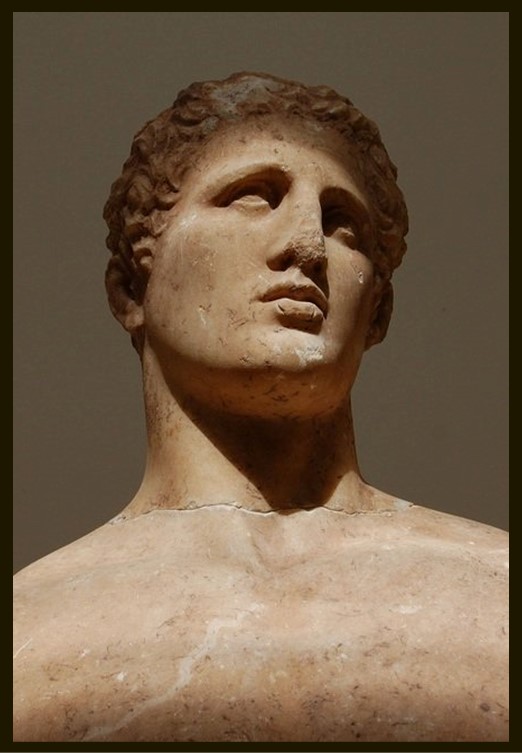
Marvel at Agias of Delphi — a masterpiece from the Daochos Monument, possibly linked to sculptor Lysippos, immortalising a legendary Thessalian pankration champion with restless elegance and timeless athletic nobility.
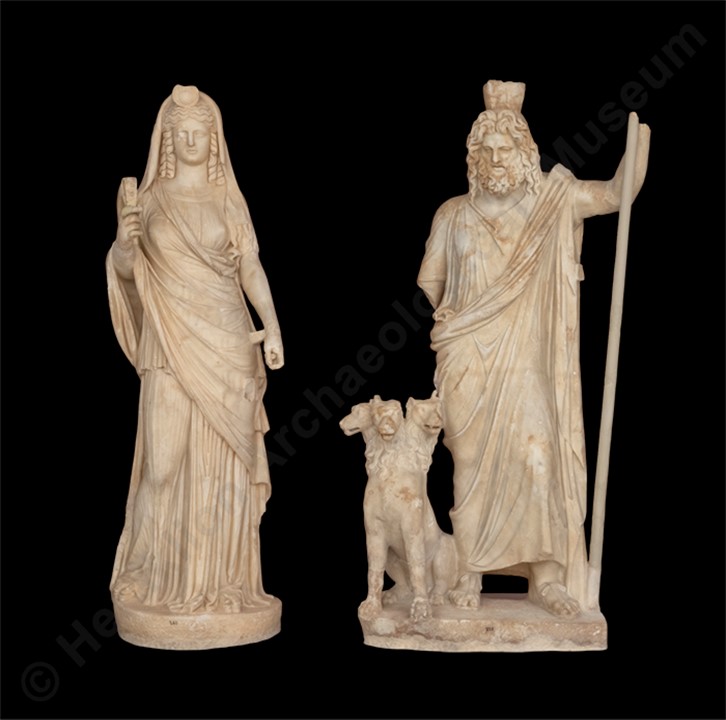
The Gortyn statue group of Persephone–Isis and Hades–Sarapis from Crete reflects Hellenistic religious syncretism, merging Greek and Egyptian divine imagery to express shared ideas of fertility, death, and rebirth.
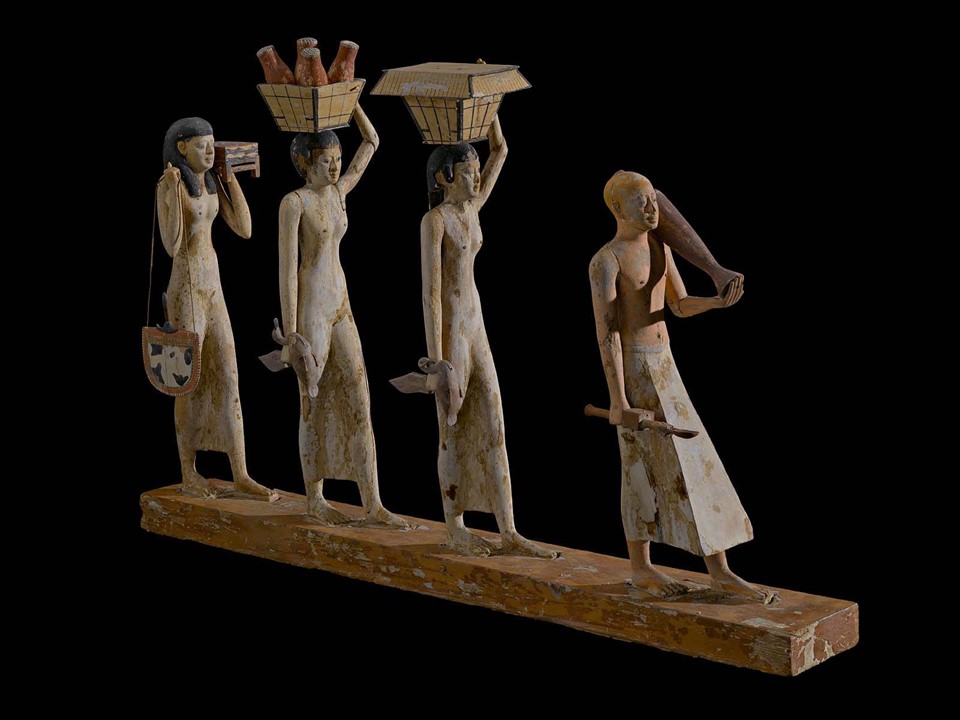
The Bersha Procession captivates with refined craftsmanship and vivid detail, transforming humble wood into a lively vision of ritual, devotion, and daily life in ancient Egypt’s afterlife beliefs.
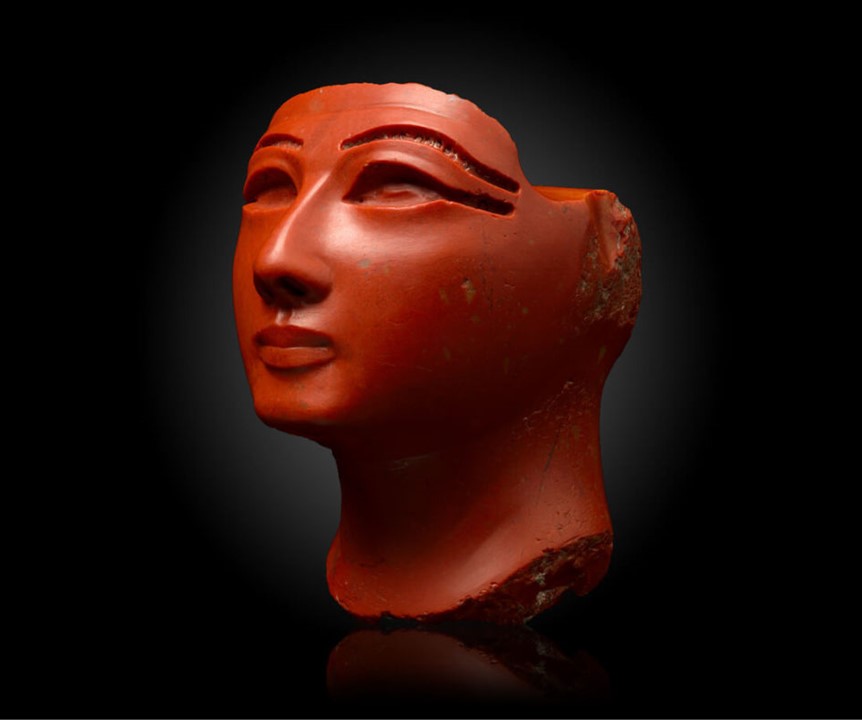
The red jasper Head of a Royal Figure from the Al Thani Collection Egyptian royal head evokes the quiet authority of an 18th Dynasty ruler, where refined carving, idealised features, and material brilliance suggest the enduring power and ambiguity of royal identity in ancient Egypt.
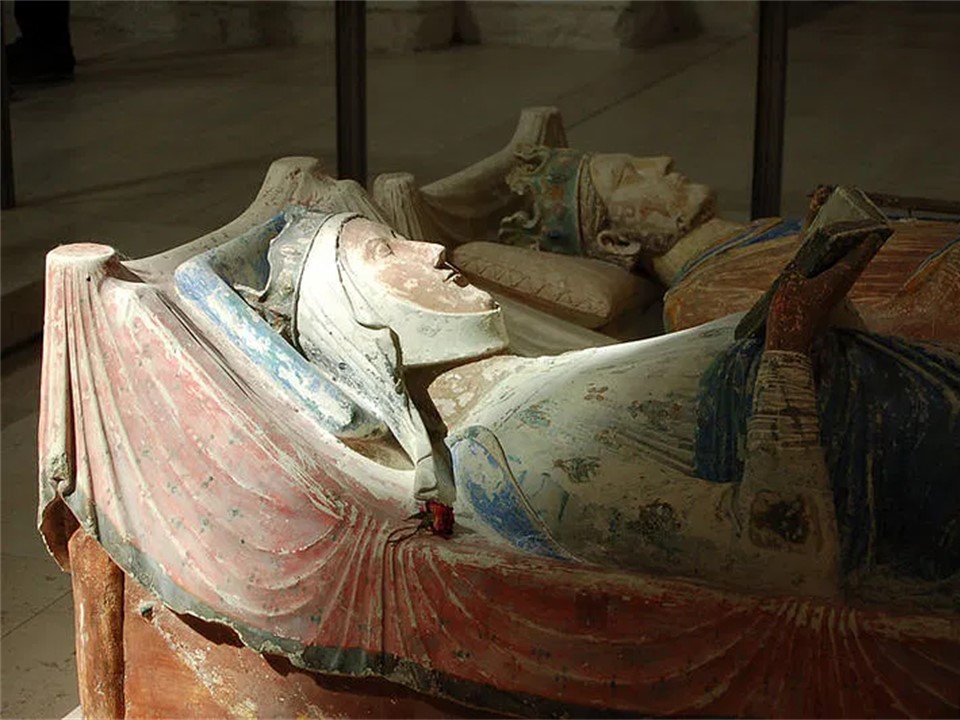
On International Women’s Day, Eleanor of Aquitaine emerges as a powerful medieval queen—intellectual, patron of the arts, crusader, and political force shaping France and England’s history and culture.
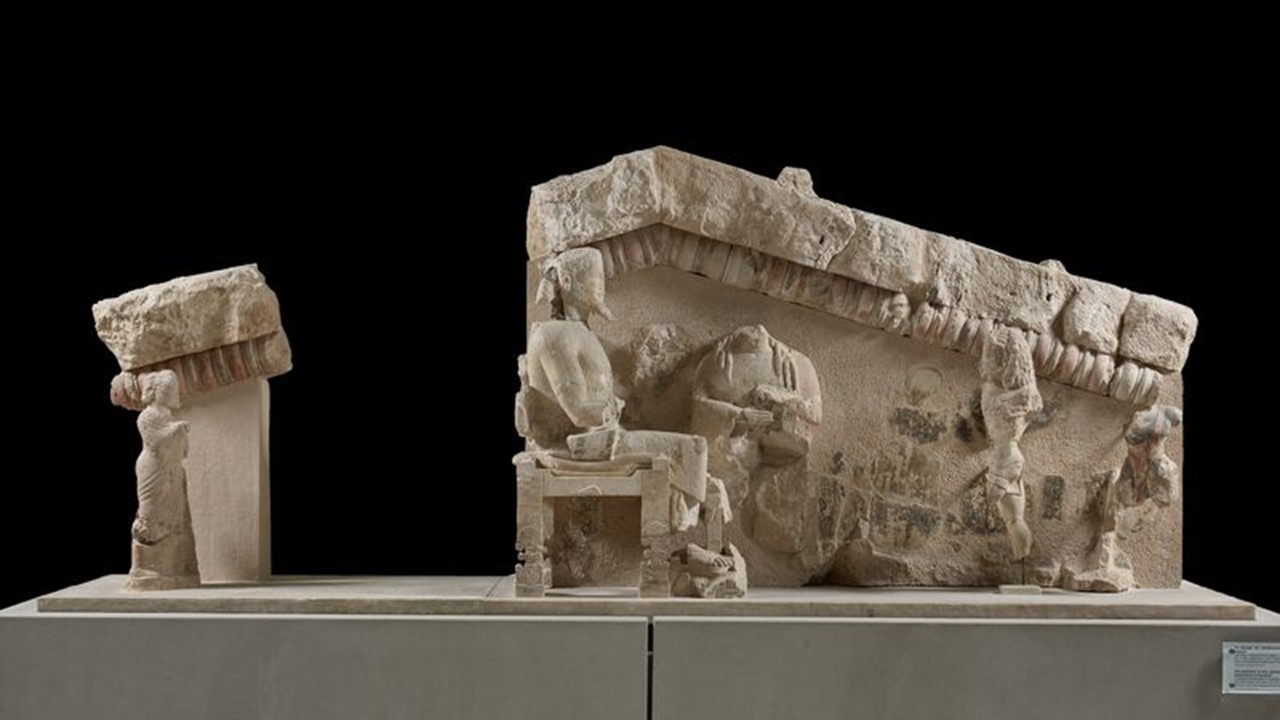
Hail, lord, son of Zeus!” — so opens Homeric Hymn 15, perfectly capturing the divine glory of Herakles, whose Apotheosis Pediment now greets us from the Acropolis Museum.
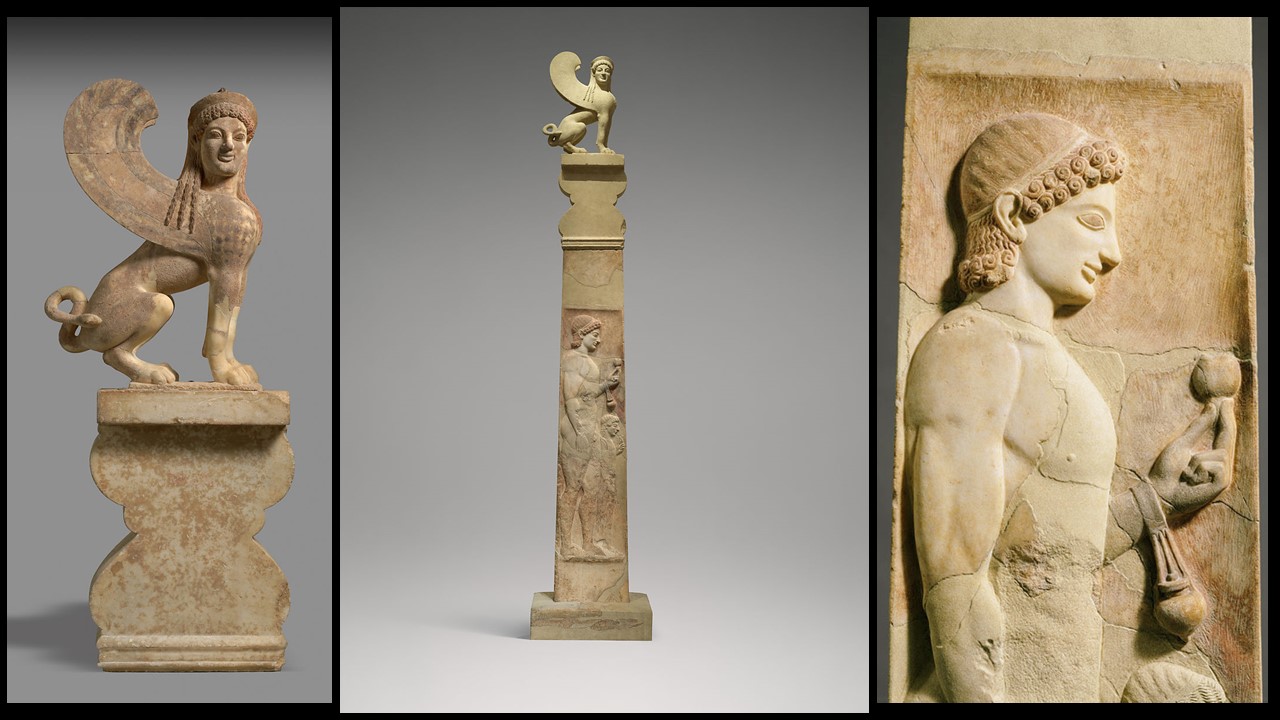
Standing 4.23 meters tall, brilliantly painted, the MET’s Archaic grave stele of Megakles — crowned by a sphinx — remains antiquity’s most complete surviving monument of its kind.