Andrea della Robbia’s glazed terracotta Portrait of a Child embodies Renaissance ideals of innocence and care, using luminous color and tender naturalism to celebrate childhood and reflect enduring values of compassion and human dignity.
Bridges of Light
James McNeill Whistler’s Nocturne in Blue and Gold and Hiroshige’s Kyōbashi Bridge transform urban bridges into poetic thresholds, using light, water, and atmosphere to evoke stillness, reflection, and the quiet beauty of modern life.
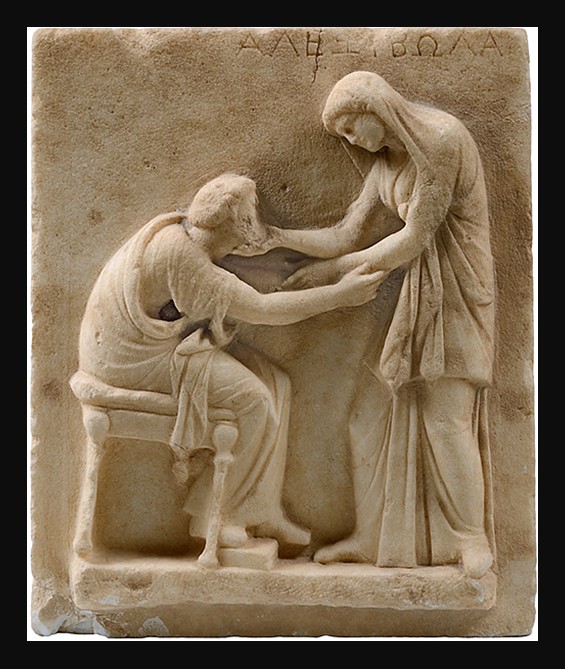
Funerary Stele of Alexibola
The Funerary Stele of Alexibola from Thera captures the emotional depth of Classical Greek art, depicting a tender farewell between father and daughter through restrained gesture, dignity, and timeless expressions of love and human connection.
Robert Spear Dunning’s Apples
Robert Spear Dunning’s Apples evokes the quiet fullness of harvest, where still-life beauty and literary echoes of Frost meet broader reflections on abundance, fragility, and global awareness of food scarcity.
Guido Mazzoni’s Portrait of an Old Man
Guido Mazzoni’s terracotta portrait of an elderly man confronts viewers with unidealised age and psychological realism, transforming clay into a profound Renaissance meditation on human dignity, mortality, and individual identity.
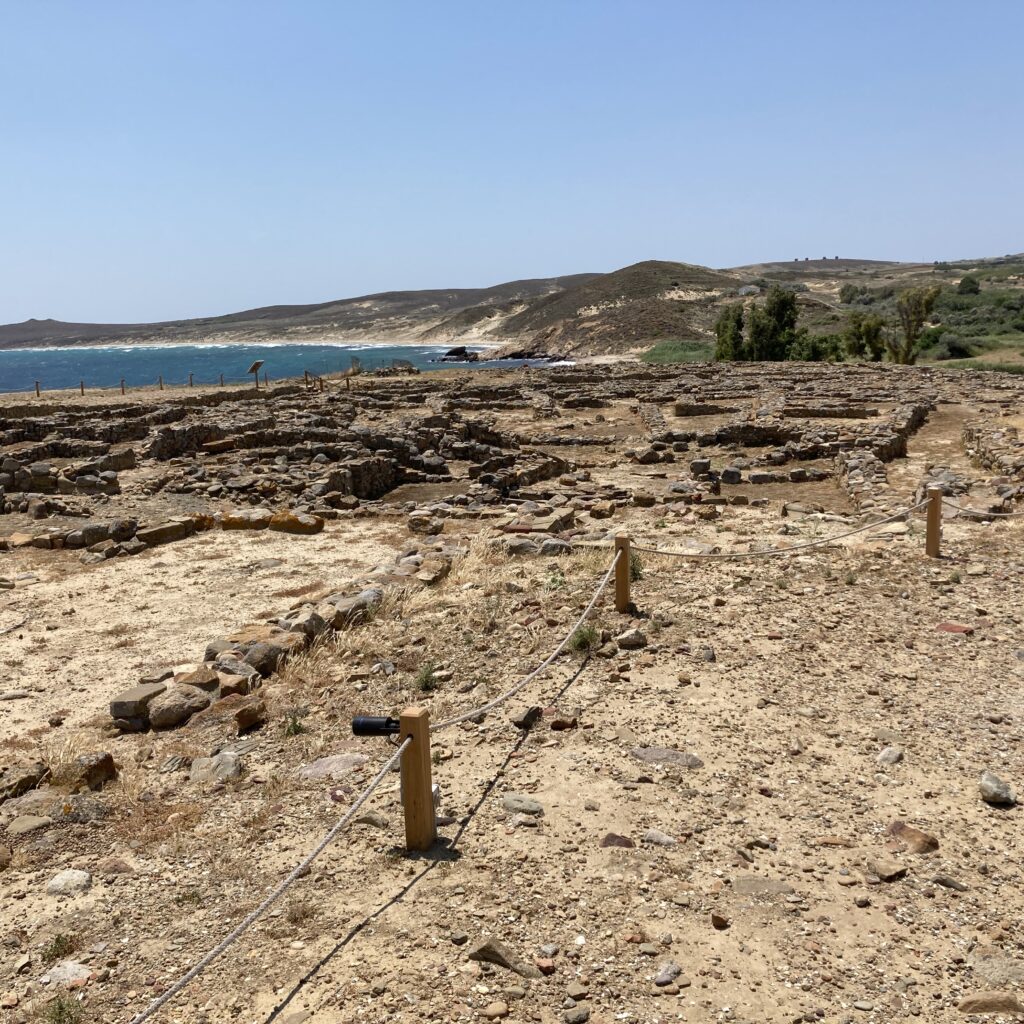
Poliochne on Lemnos
Poliochne on Lemnos reveals one of Europe’s earliest cities, where planned streets, communal spaces, and evolving Bronze Age architecture illuminate the rise of complex urban life in the Aegean.
John George Brown’s Sunshine
John George Brown’s Sunshine bathes a Victorian figure in warm, fading light, transforming a fleeting seasonal moment into a lyrical meditation on leisure, nostalgia, and the quiet transience of summer’s glow.
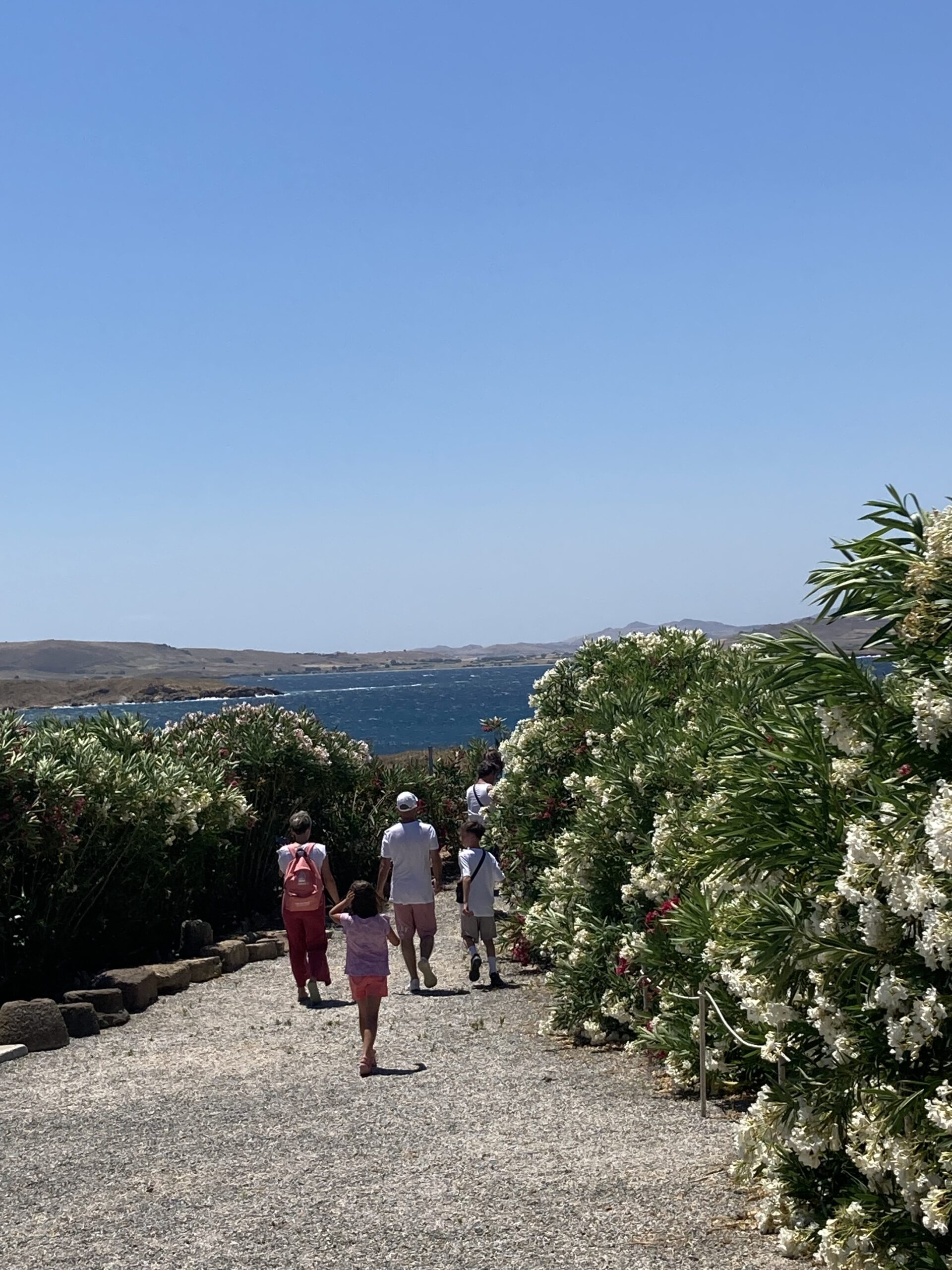
Hephaistia on the island of Lemnos
Hephaistia on Lemnos preserves a layered ancient city where sanctuary, theatre, and domestic life intertwine, offering a tranquil archaeological landscape shaped by myth, civic identity, and centuries of continuous habitation.
Isabella Brant
Rubens’s portraits of Isabella Brant combine Baroque vitality with intimate psychological presence, preserving her grace, status, and individuality through luminous brushwork that unites affection, realism, and refined portraiture.
Marigolds
Dante Gabriel Rossetti’s Marigolds transforms a quiet domestic moment into a symbolic meditation on renewal, where simple floral arrangement becomes an intimate expression of resilience, beauty, and nature’s persistent return.