Simon Bening’s April miniature from the Golf Book depicts an elegant Renaissance courtship in a lush garden, where richly dressed lovers, lively figures, and refined details celebrate spring, love, and aristocratic life.
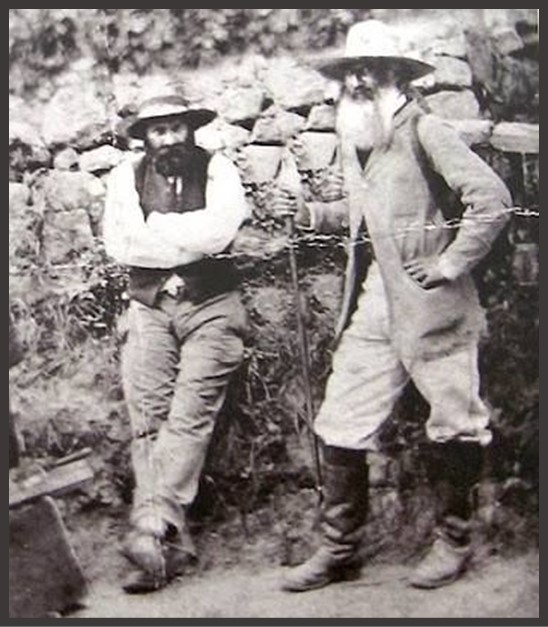
Camille Pissarro Flower Arrangements
Camille Pissarro, a central figure in Impressionism and Neo-Impressionism, pioneered modern landscape painting through his lifelong commitment to capturing rural life, light, and everyday scenes across all eight Impressionist exhibitions.
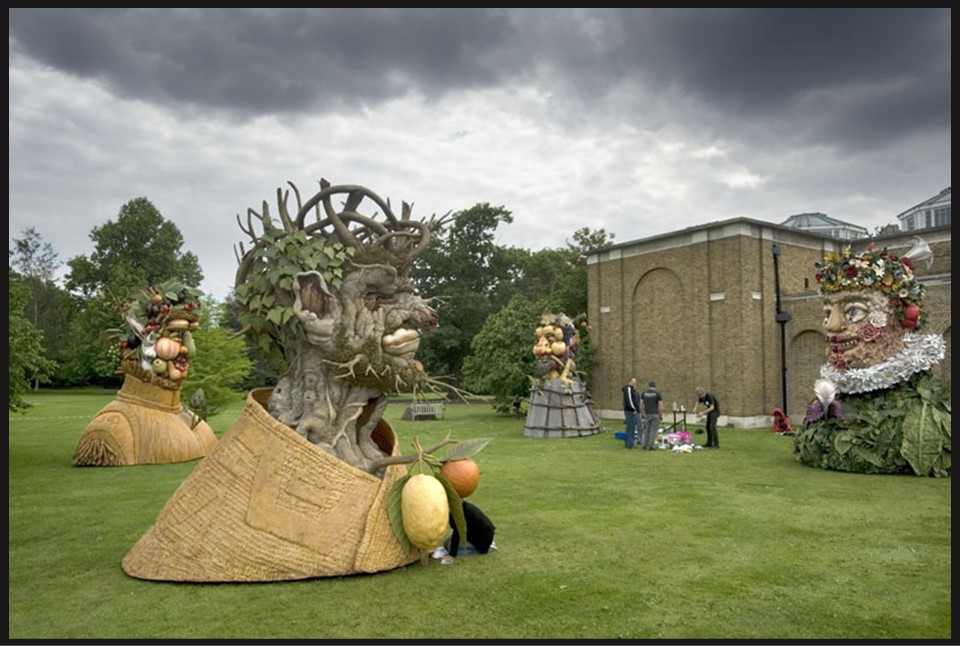
Spring by Giuseppe Arcimboldo
Giuseppe Arcimboldo, a Renaissance artist from Milan, gained fame for his imaginative portraits and court work, rising from early commissions to serve the Habsburg emperors in Vienna and Prague.
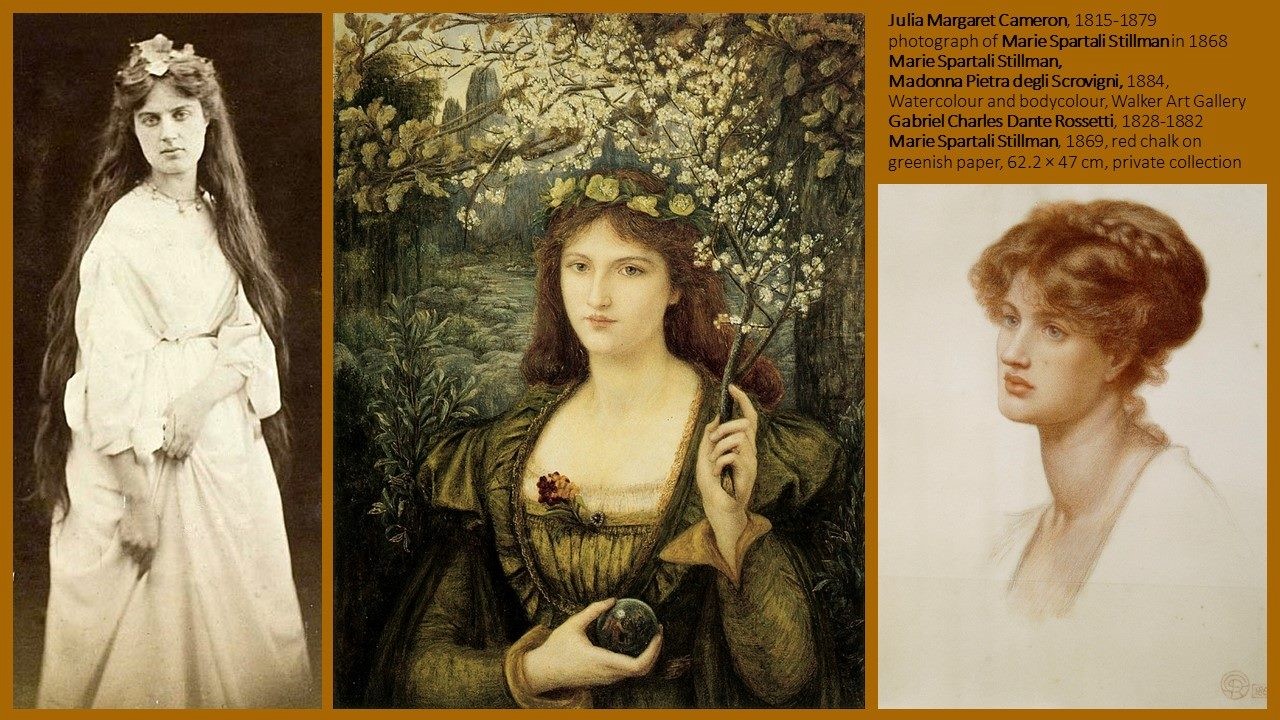
Marie Euphrosyne Spartali-Stillman
On International Women’s Day, Marie Spartali Stillman, a Pre-Raphaelite artist and celebrated beauty, stands as a symbol of women’s artistic achievement and cultural presence in 19th-century London.
The Shropshire Gold “Sun” Bulla-Pendant
Bronze Age brilliance shines in the Shropshire Gold “Sun” Pendant, a masterful object reflecting ancient beliefs, craftsmanship, and the enduring symbolic power of the sun in prehistoric Europe.
Simon Bening’s March
Simon Bening’s Golf Book (March, f.20v) presents a refined medieval garden scene where aristocratic authority, labour, and daily life intersect, offering insight into monastic horticulture and medicinal plant traditions.
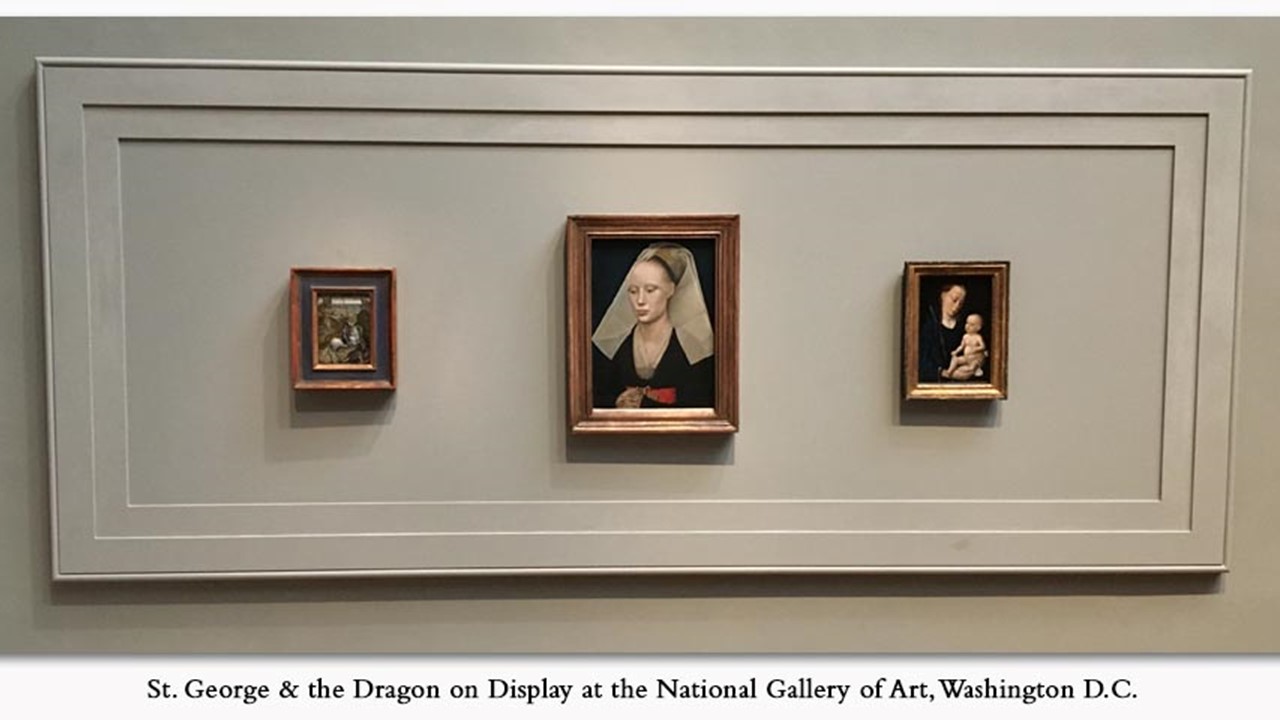
Saint George and the Dragon by Rogier van der Weyden
Rogier van der Weyden’s Saint George and the Dragon combines chivalric drama, delicate detail, and luminous realism, transforming a legendary battle into an intimate vision of faith, courage, and triumph.
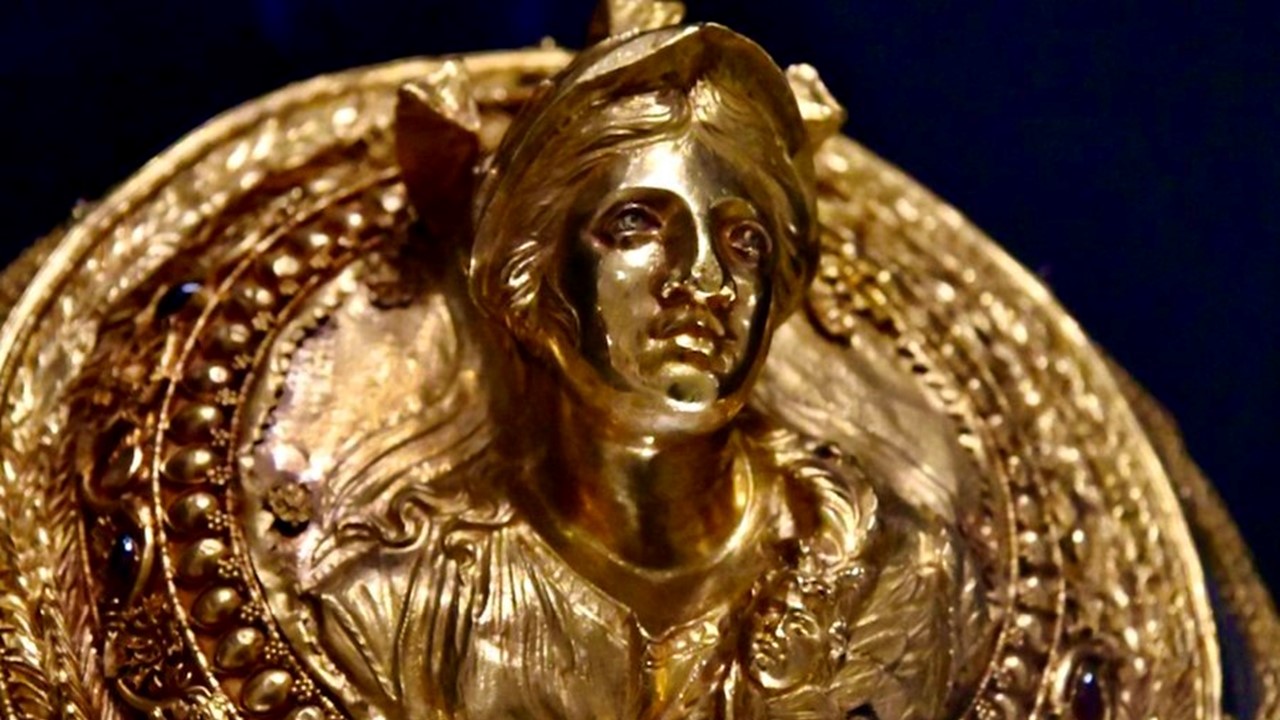
Hellenistic Golden Hairnets
The Hellenistic gold hairnet from the Benaki Museum showcases exquisite craftsmanship, centred on Athena’s medallion and intricate filigree, reflecting aristocratic luxury and the refined artistry of ancient Greek jewellery.
Simon Bening’s February
Simon Bening’s February miniature depicts a lavish manor feast, where aristocrats, musicians, and servants gather around firelight and rich furnishings, revealing the social ritual, luxury, and domestic life of late medieval nobility.
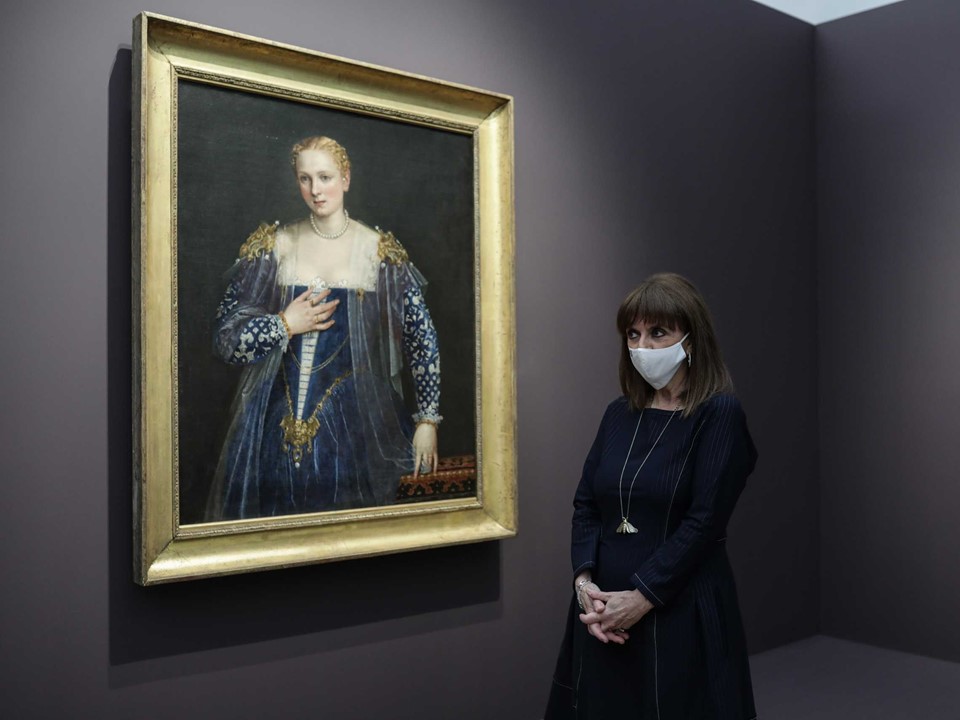
La Belle Nani by Paolo Veronese
Paolo Veronese’s La Belle Nani presents an elegant Venetian woman whose identity remains uncertain, embodying Renaissance ideals of beauty, virtue, fashion, and aristocratic status in a richly symbolic portrait.