Discover the Figure-of-Eight Shield, an iconic symbol of Mycenaean Greece, blending innovative design, full-body protection, and elite warrior status in Aegean warfare.
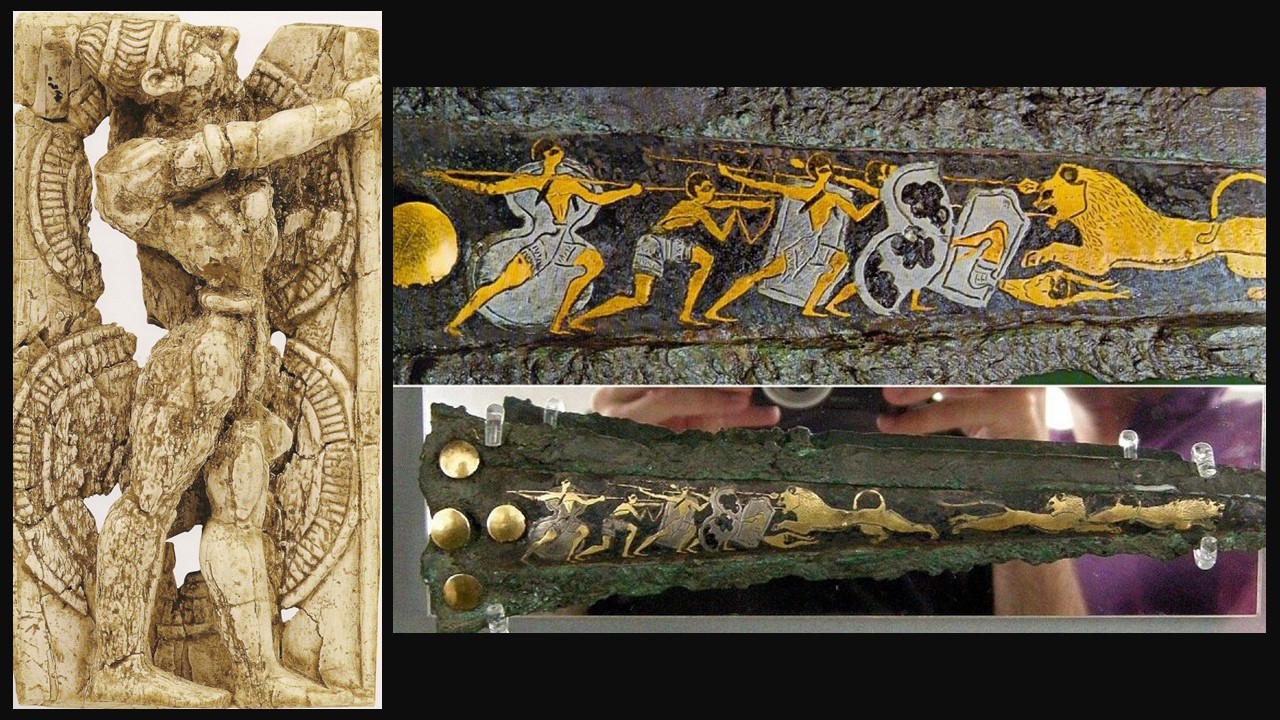
Discover the Figure-of-Eight Shield, an iconic symbol of Mycenaean Greece, blending innovative design, full-body protection, and elite warrior status in Aegean warfare.

Experience Winter Evening in the Country by Jasper Francis Cropsey—a tranquil winter landscape blending poetic light, nostalgia, and post-Civil War reflection.
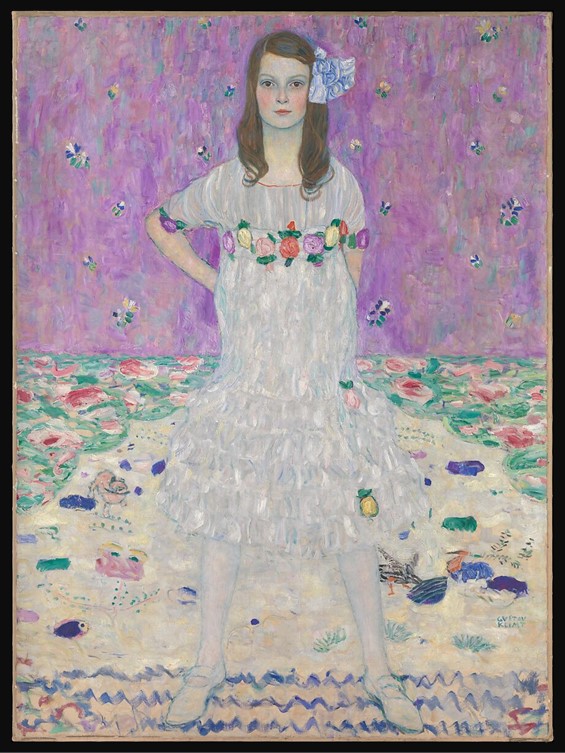
Discover Portrait of Mäda Primavesi by Gustav Klimt—a vibrant Vienna Secession portrait capturing youthful confidence, individuality, and modern decorative artistry.
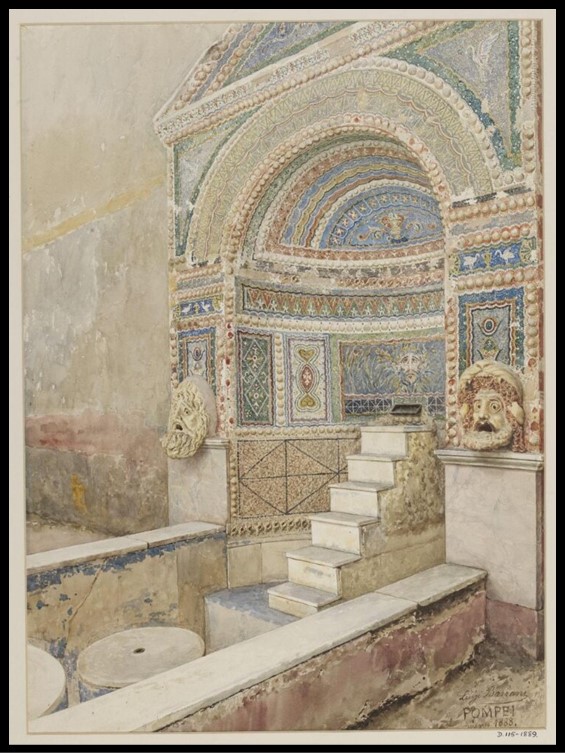
Explore Pompeii watercolours by Luigi Bazzani—where art meets archaeology, capturing the haunting beauty and living memory of Pompeii.
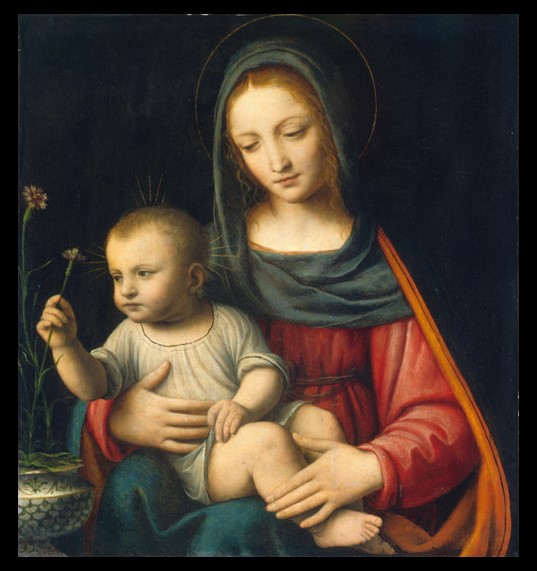
In Madonna of the Carnation, Bernardino Luini transforms the carnation into a quiet symbol of divine love, purity, and foreshadowed sacrifice within an intimate mother-and-child scene.
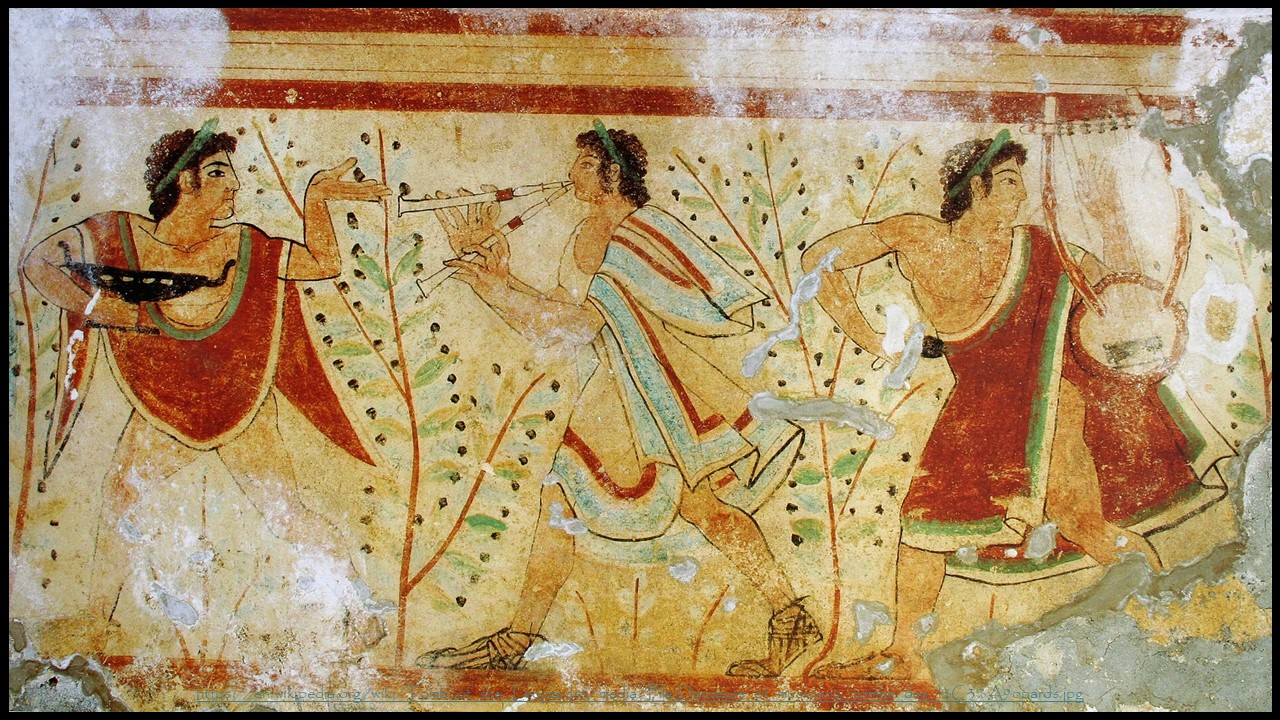
Discover the Tomb of the Leopards in Necropolis of Monterozzi—a vivid vision of banquets, music, and joyful afterlife in Etruscan culture.
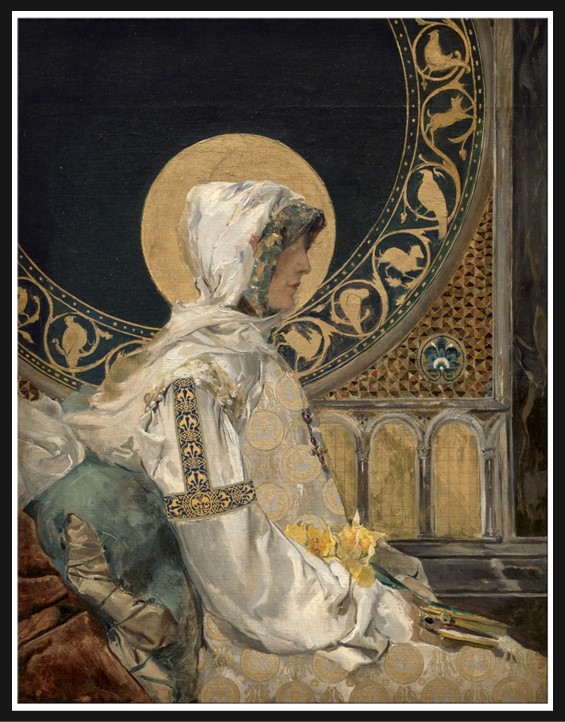
Discover Saint in Prayer by Joaquín Sorolla y Bastida—a luminous devotional study blending medieval ornament, spiritual stillness, and early mastery of light.
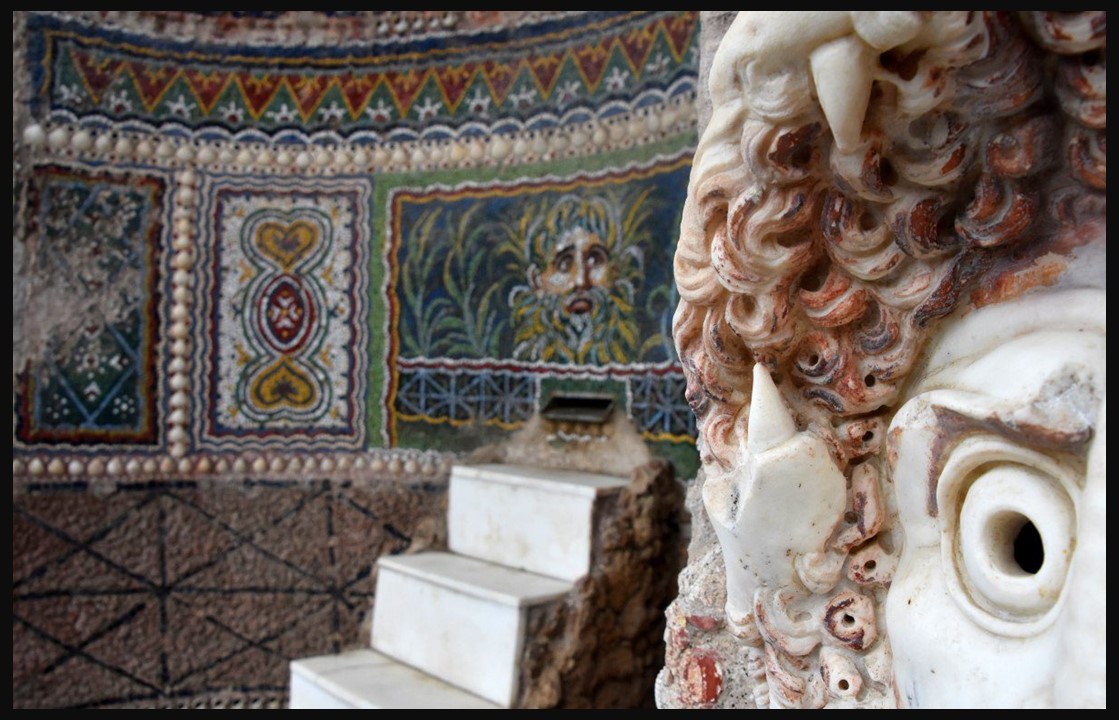
Explore the House of the Large Fountain—a luxurious residence in Pompeii famed for mosaics, sculpture, and its elaborate garden fountain reflecting elite Roman domestic life.
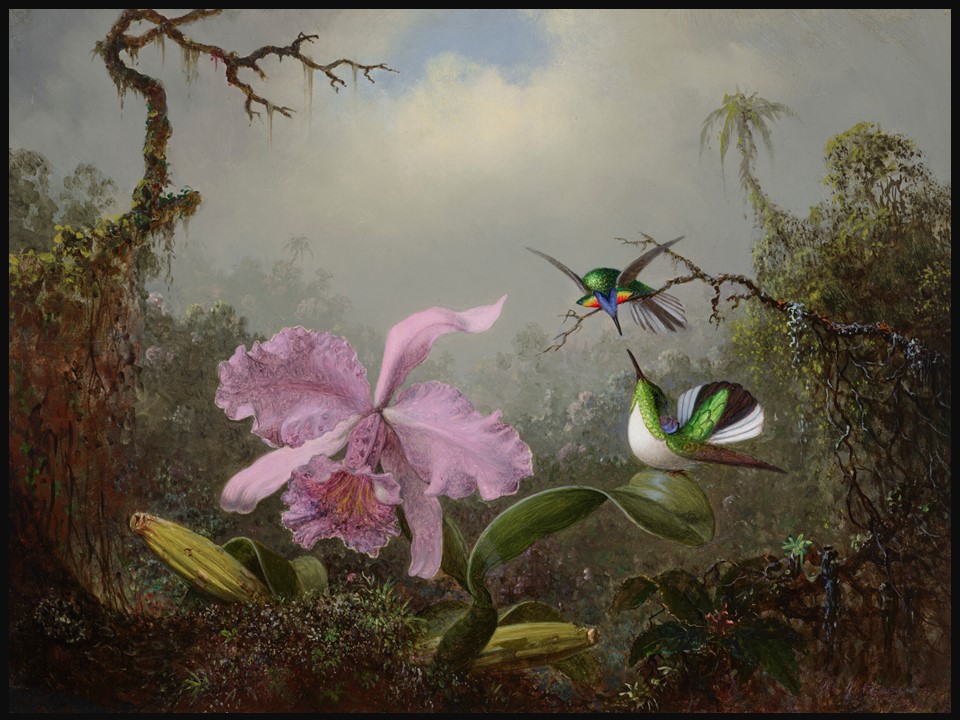
Echoing Hilda Conkling’s wonder, Cattleya Orchid and Two Hummingbirds captures nature’s fleeting magic, as Martin Johnson Heade transforms observation into luminous mystery and quiet enchantment.
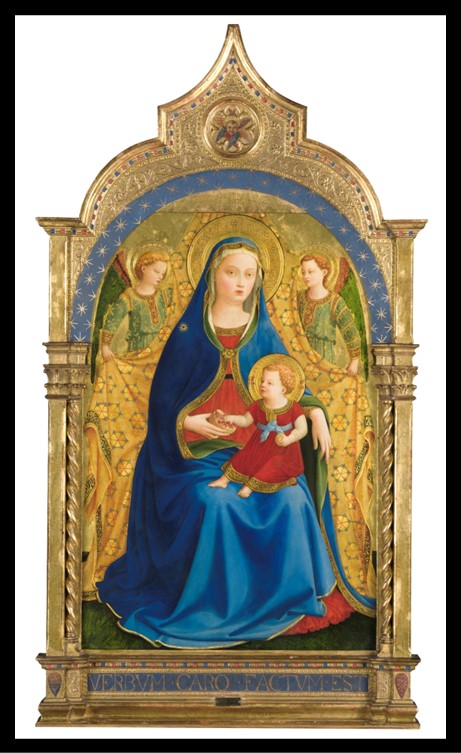
Discover The Virgin with the Pomegranate by Fra Angelico—a luminous vision of divine grace, humility, and spiritual harmony in early Florentine art.