Patinir’s Charon Crossing the Styx navigates between Christian paradise and Greek Hades — a haunting Northern Renaissance masterpiece where mythology, morality, and breathtaking landscape powerfully converge.
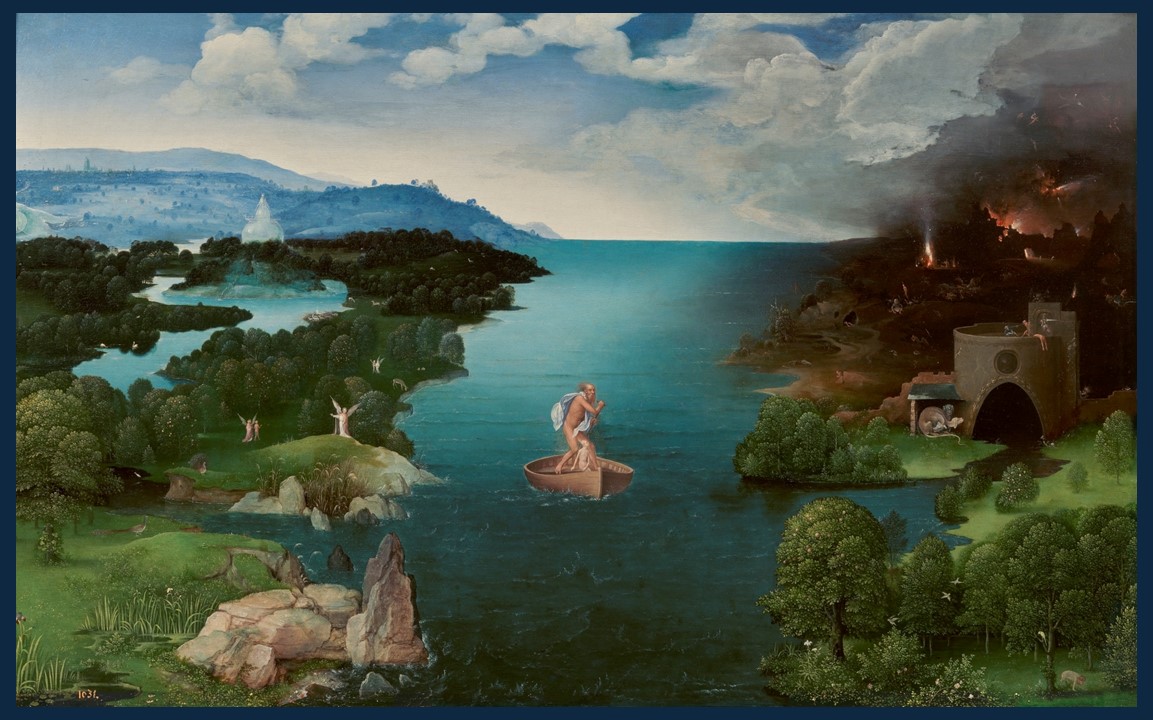
Patinir’s Charon Crossing the Styx navigates between Christian paradise and Greek Hades — a haunting Northern Renaissance masterpiece where mythology, morality, and breathtaking landscape powerfully converge.
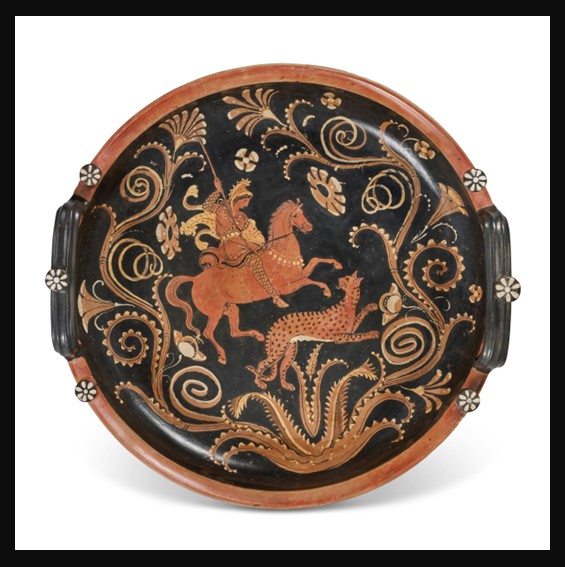
This exquisite Apulian patera — an Amazon on horseback, winged Eros dancing on its exterior — showcases ancient Apulia’s extraordinary storytelling mastery in red-figure pottery at its finest.
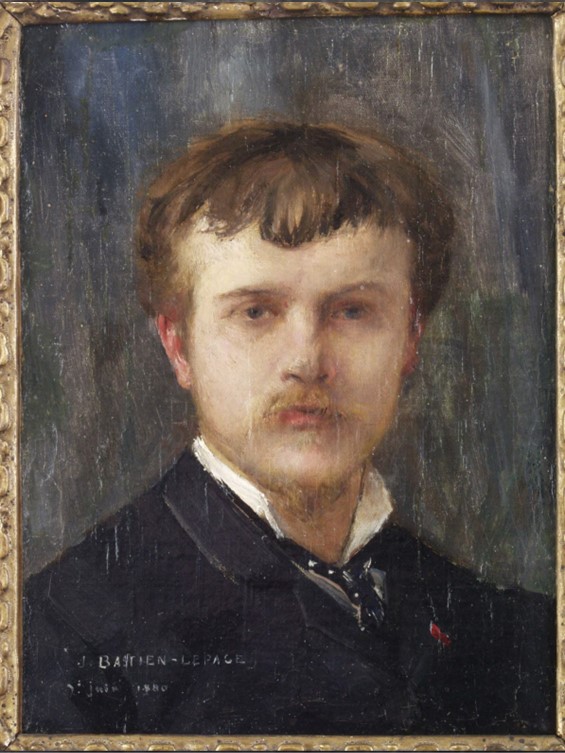
Bastien-Lepage’s Hay Making captures two exhausted peasants resting in summer’s golden heat — dignity, honesty, and quiet humanity rendered with extraordinary Naturalist sincerity and grace.
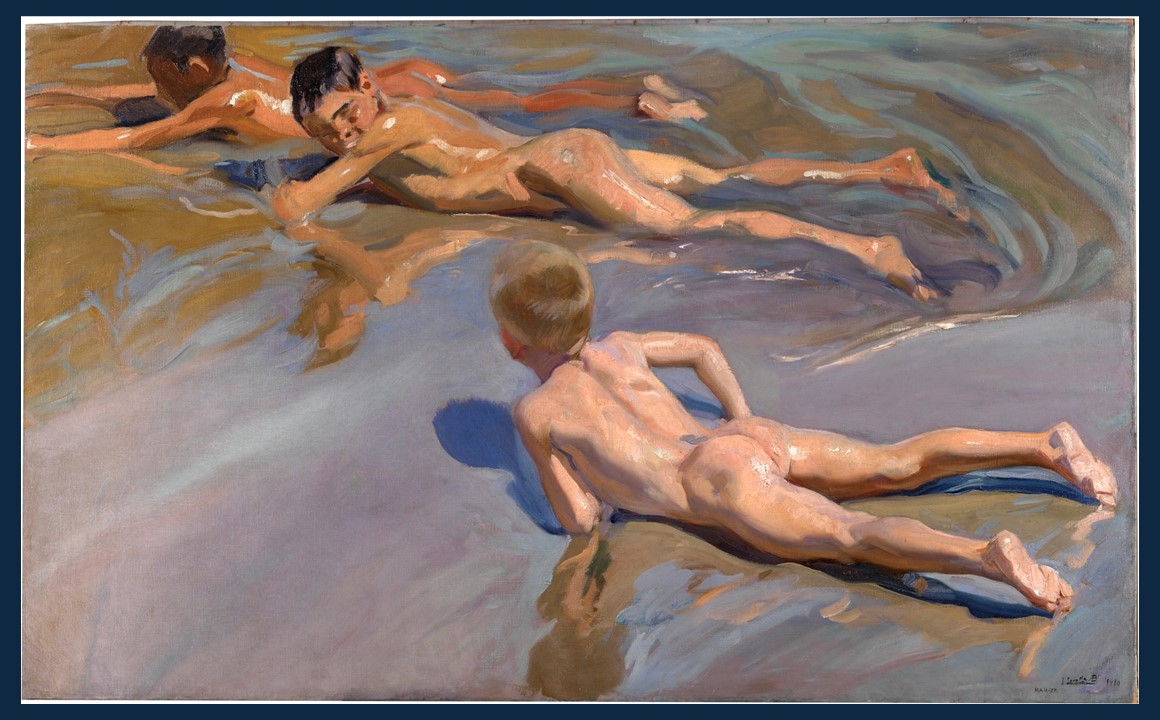
Sorolla’s Boys on the Beach blazes with Mediterranean light and childhood freedom — three sun-kissed boys in sparkling water, joyfully defying Dunbar’s eloquent seaside silence.
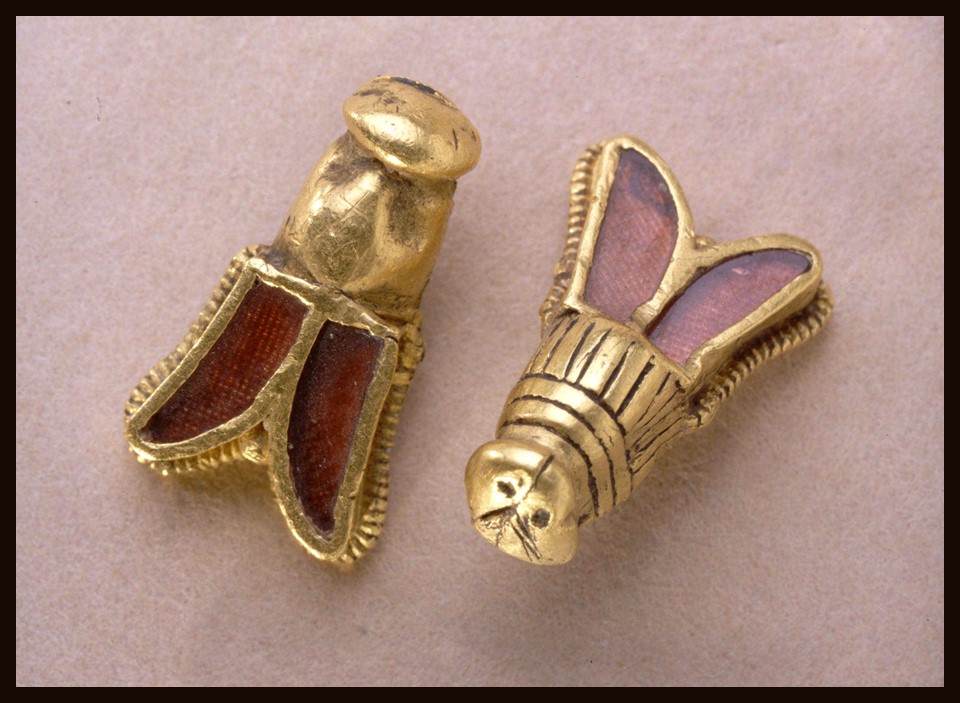
Childeric I’s golden bees — stolen, partially lost, yet immortalized on Napoleon’s coronation robe — connect a 5th-century Frankish king to France’s grandest imperial ambitions and enduring national identity.
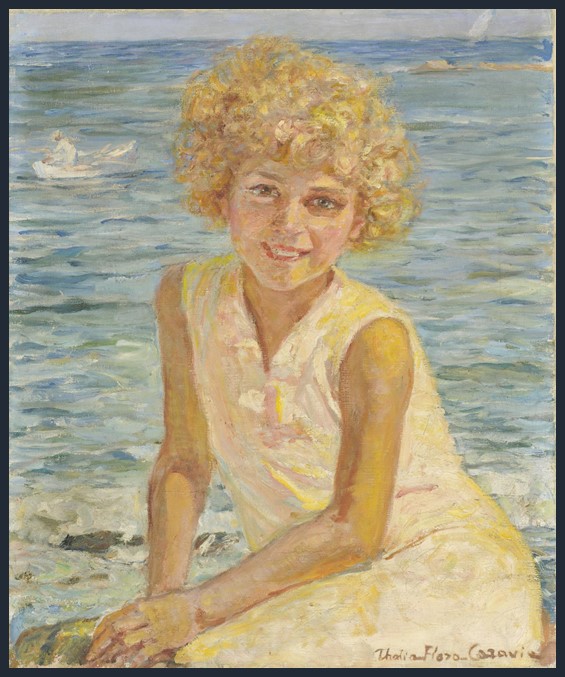
Thaleia Flora Karavia — war artist, impressionist, trailblazer — captured Greek life with extraordinary sensitivity, from sun-drenched beach scenes to the deeply human face of wartime suffering.

Johns’ ghostly White Flag drains America’s iconic symbol of colour and certainty — transforming patriotic familiarity into profound, haunting ambiguity through encaustic’s extraordinarily rich, layered touch.
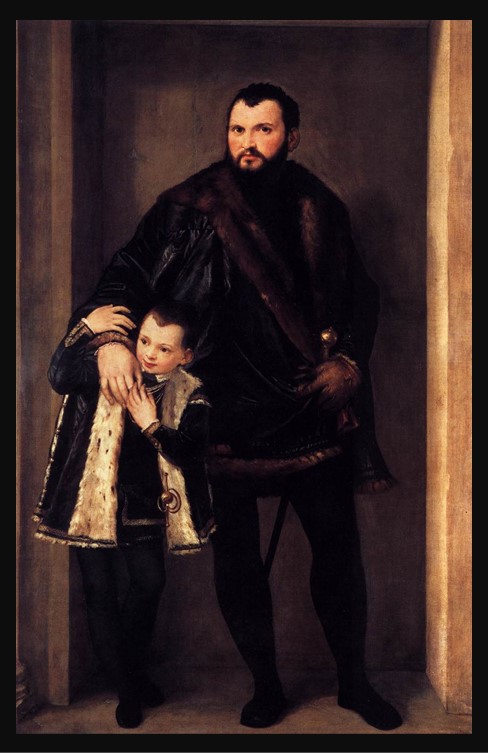
Veronese’s paired portraits of the da Porto family — father and son, mother and daughter — capture Renaissance nobility’s tender bonds, proud lineage, and timeless parental love with extraordinary elegance.
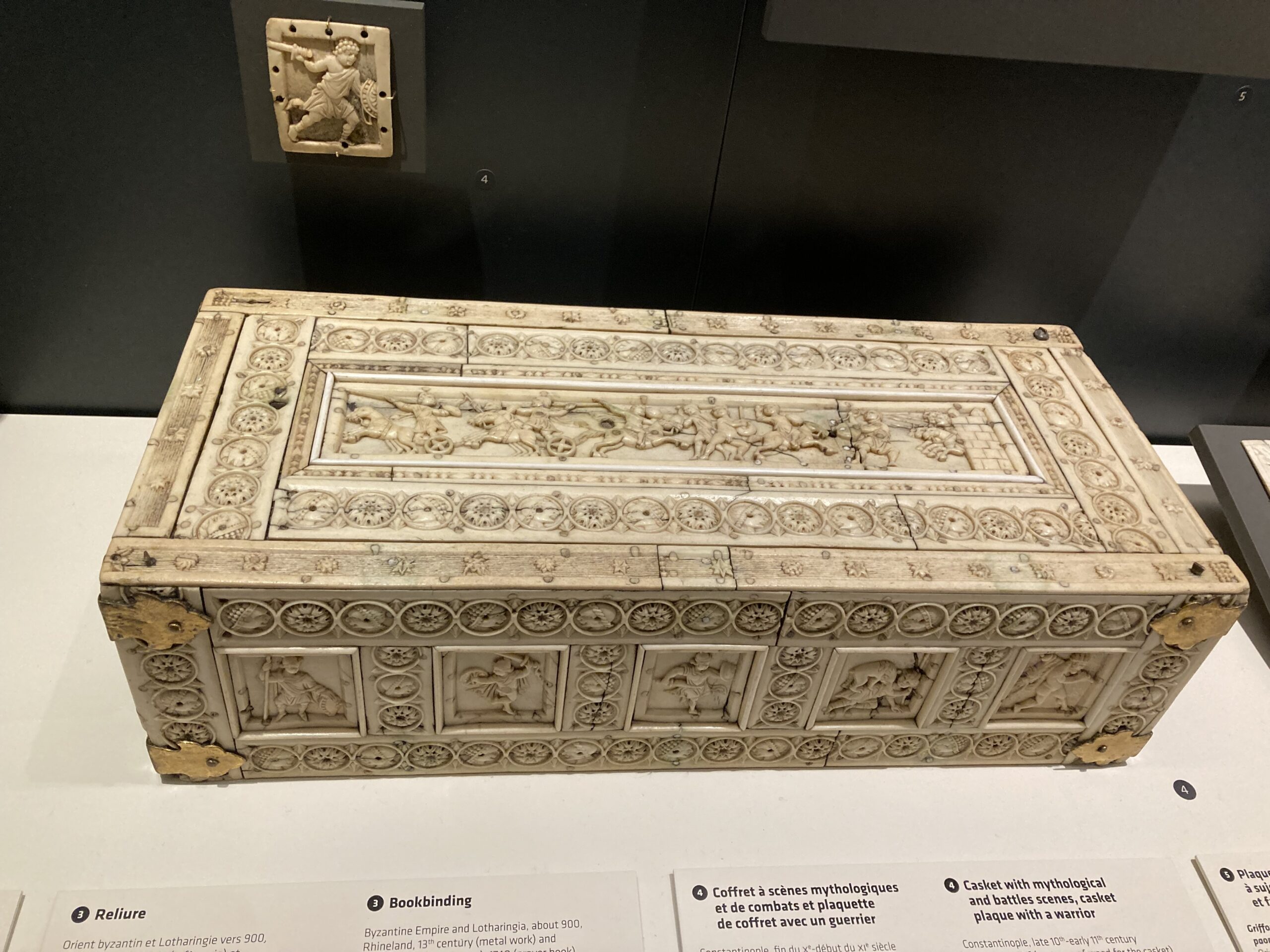
The Musée de Cluny’s Byzantine ivory casket — Heracles, mythological battles, and chariot races exquisitely carved — bridges classical antiquity and medieval Byzantine aristocratic splendour magnificently.
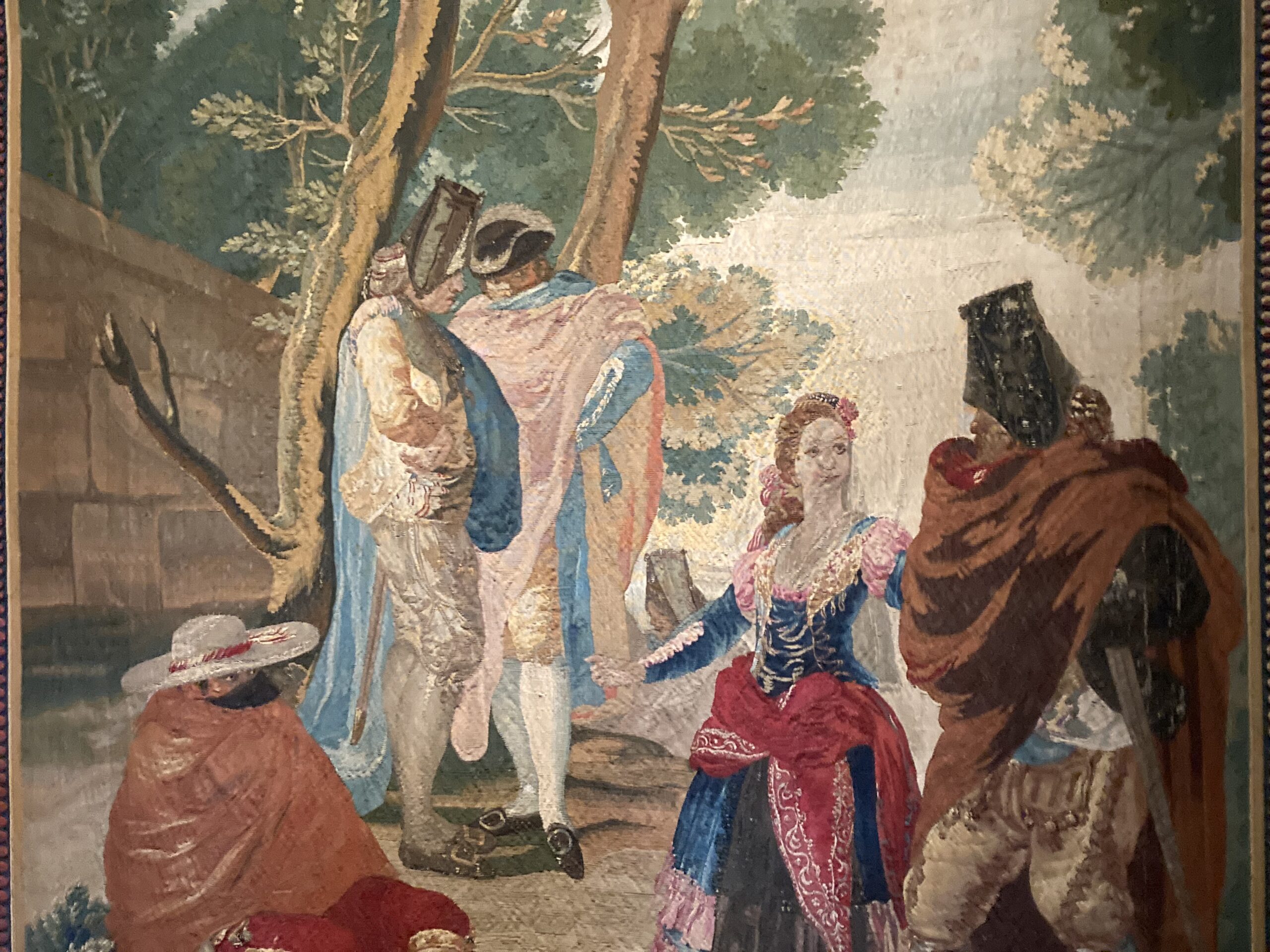
Goya’s vibrant tapestries — Andalusian majas, cloaked men, playing boys — bring 18th-century Spanish life gloriously alive within Santiago de Compostela Cathedral’s sacred, magnificent walls.