Bold, vivid, and deeply personal — Gabriele Münter’s Expressionist paintings challenged a male-dominated art world, and her founding role in Der Blaue Reiter secured her place among modern art’s great pioneers.
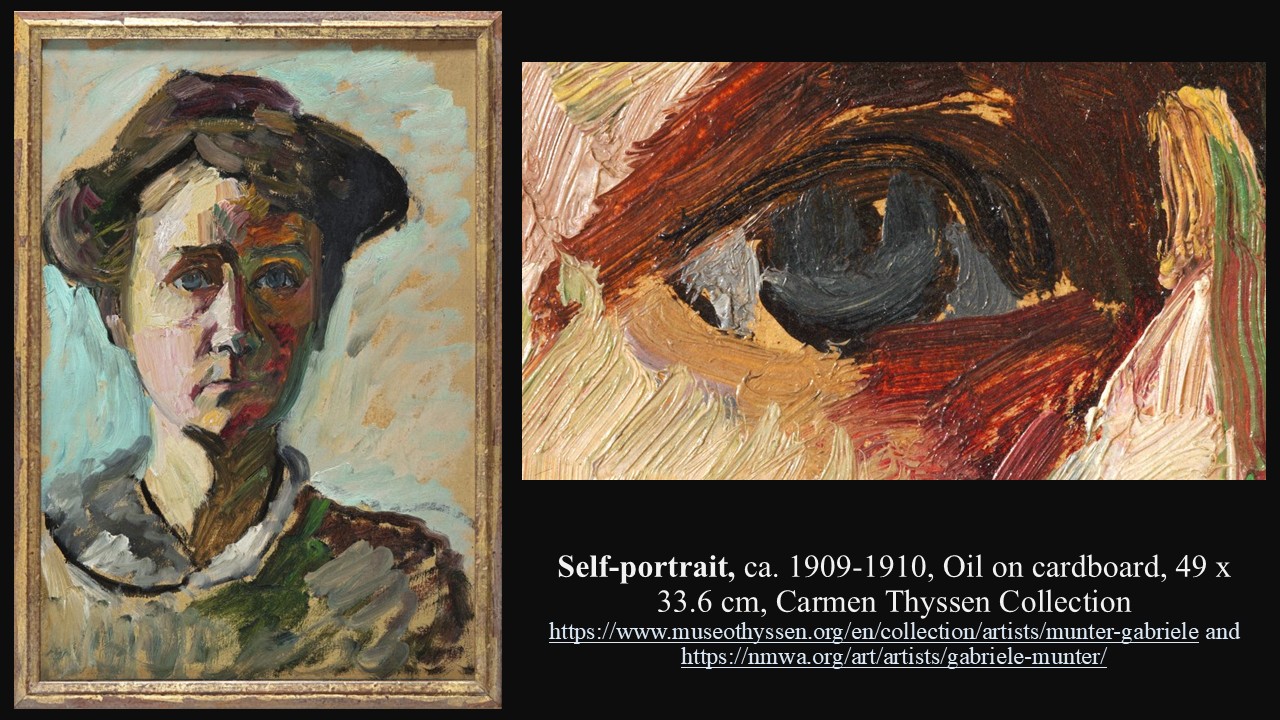
Bold, vivid, and deeply personal — Gabriele Münter’s Expressionist paintings challenged a male-dominated art world, and her founding role in Der Blaue Reiter secured her place among modern art’s great pioneers.
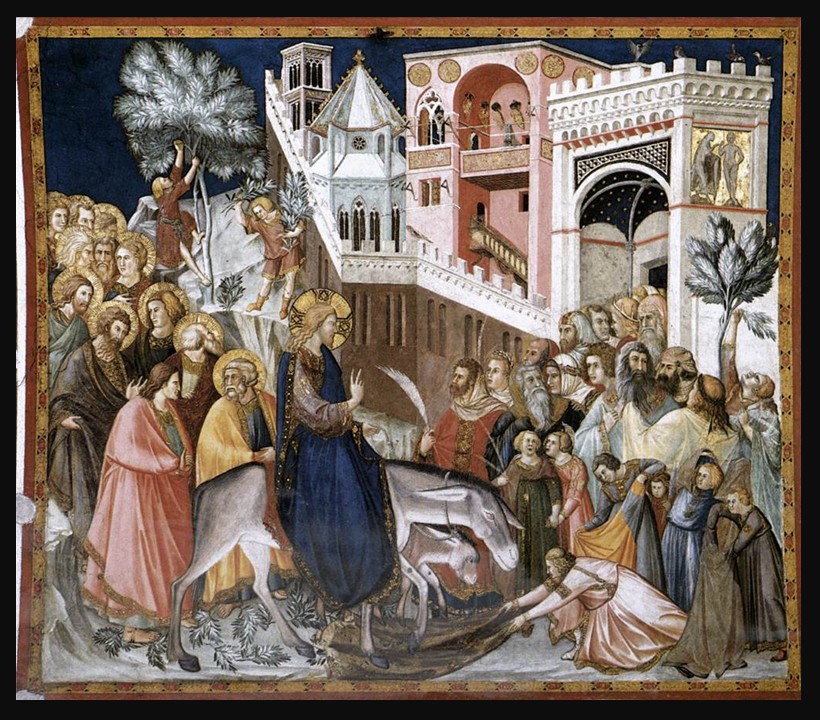
Pietro Lorenzetti’s breathtaking Passion frescoes in Assisi’s Lower Basilica of San Francesco blend Gothic spirituality with pioneering naturalism — transforming biblical narrative into deeply human, emotionally charged scenes that foreshadowed the Renaissance.
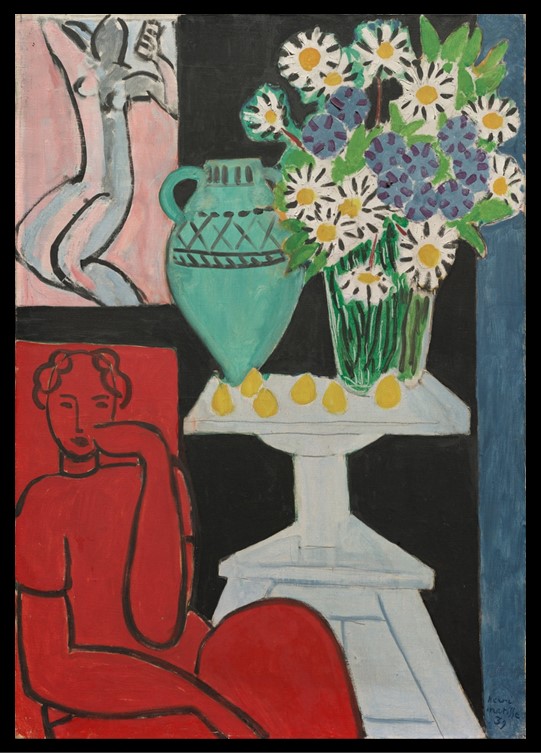
Painted in 1939 on the eve of World War II, Matisse’s Daisies at the Art Institute of Chicago transforms a simple bouquet into a radiant celebration of colour, light, and resilience.
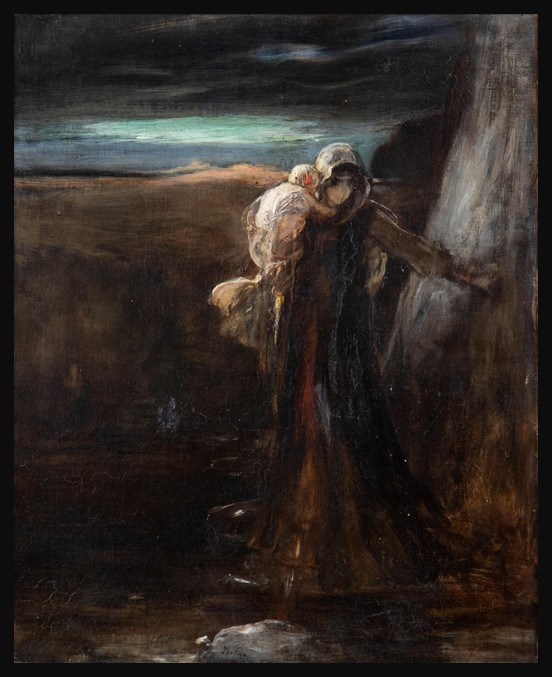
Nikolaos Gyzis’ Flight after the Massacre of Psara transforms one of Greece’s darkest historical moments into a timeless meditation on grief, resilience, and the enduring human spirit amid devastation.
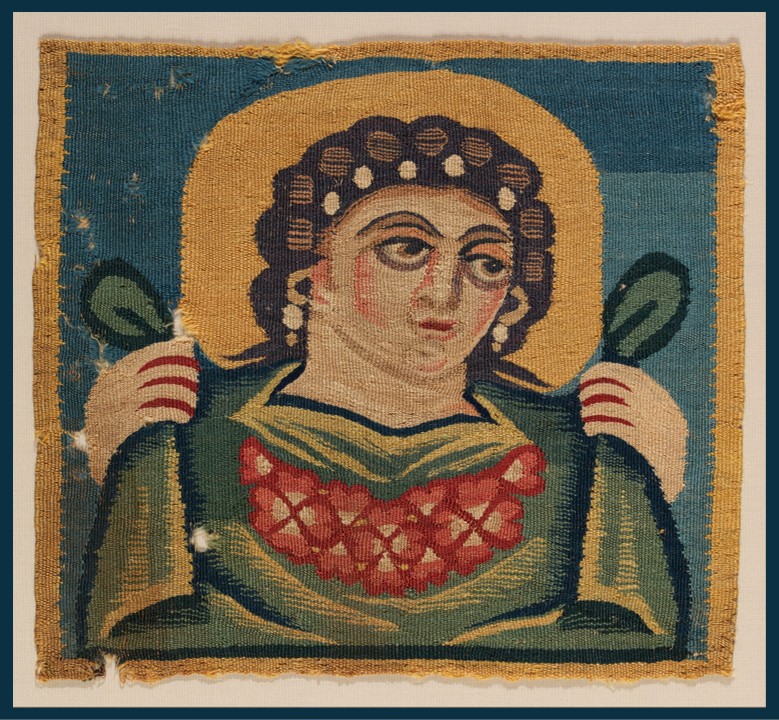
A tiny Coptic tapestry panel at the Met transforms into a profound meditation on renewal — its personification of Spring bridging pagan tradition, early Christian symbolism, and the timeless cycle of life.
René Lalique’s Moissac Vase — a luminous masterpiece of opalescent glass — captures the Art Deco spirit at its finest, where nature, light, and form converge in breathtaking harmony and craftsmanship.
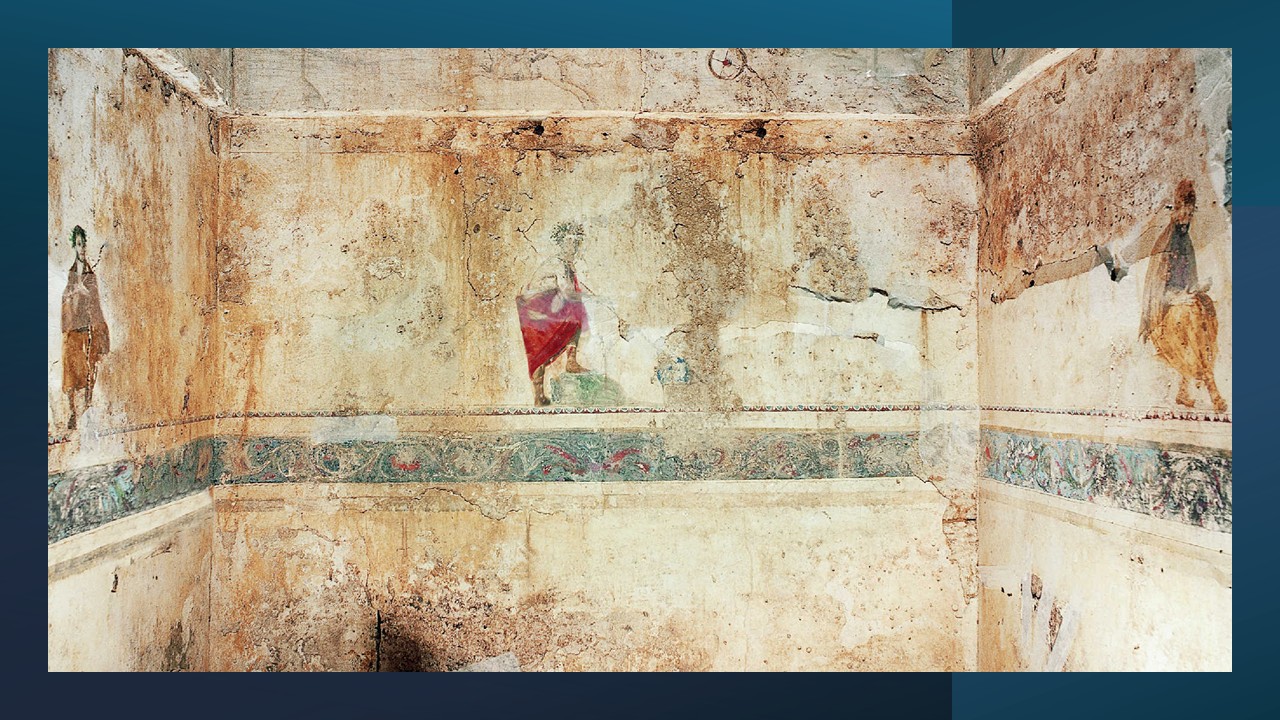
Discovered in ancient Pella, the enigmatic Tomb of Philosophers dates to circa 300 BC — its remarkable frescoes of celestial globes and learned figures offering a rare window into Macedonian intellectual life.
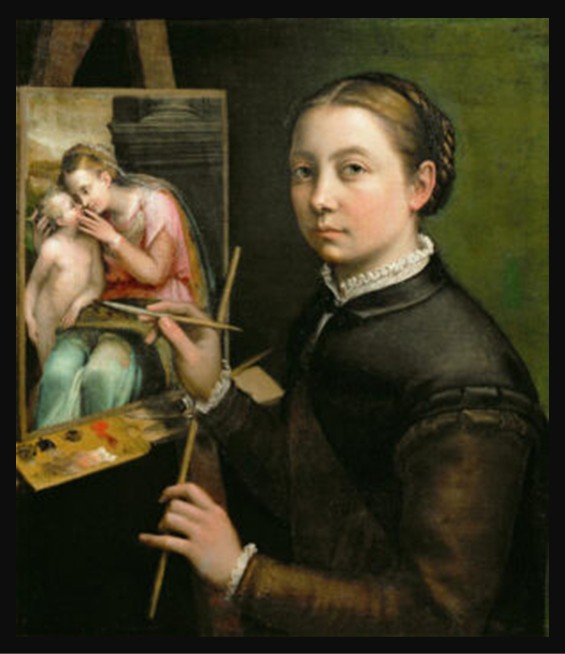
Sofonisba Anguissola of Cremona shattered Renaissance barriers to become one of history’s first celebrated female artists — her luminous portraits of rare psychological depth earning admiration from Michelangelo and Vasari alike.
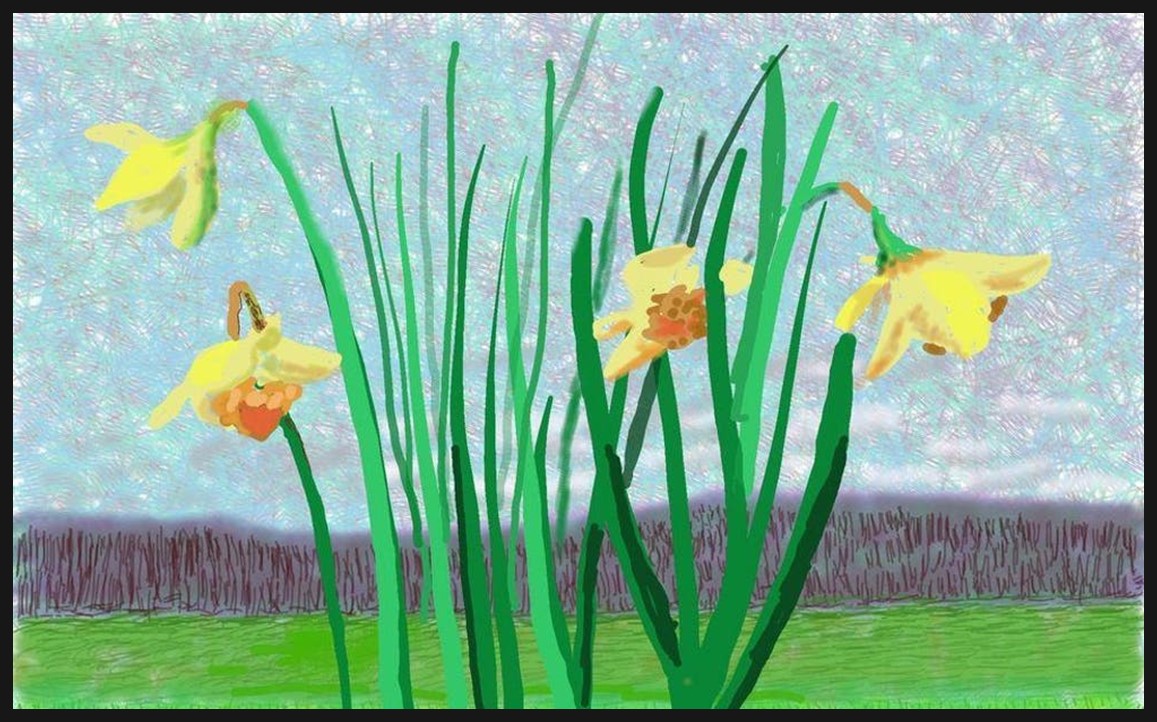
Created during pandemic lockdown, David Hockney’s vibrant iPad painting Daffodils captures spring’s triumphant arrival in Normandy — a luminous, hopeful celebration of nature’s resilience embodied in his memorable phrase, ‘They can’t cancel the Spring.’
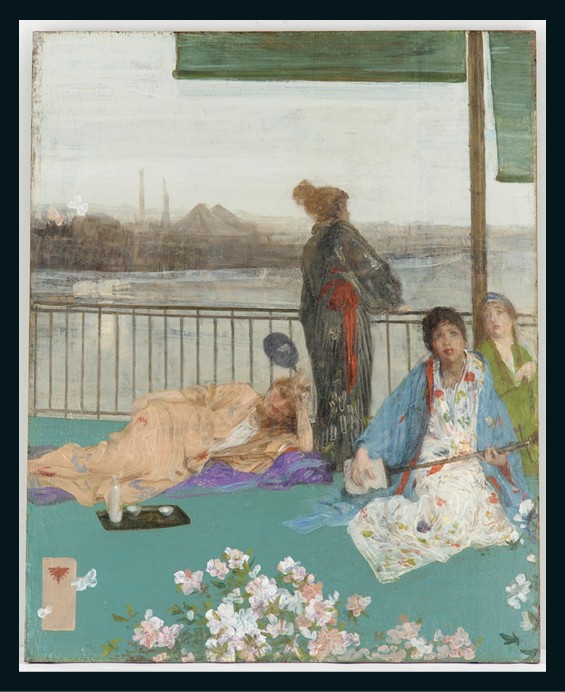
Whistler’s Variations in Flesh Colour and Green — The Balcony masterfully blends Japanese aesthetics with Western sensibility — four serene figures embodying his lifelong pursuit of tonal harmony, elegance, and artistic transcendence.