Maestro Venceslao’s November fresco blazes with aristocrats hunting bear amid autumnal mountains, while Trento’s peasants quietly guard the gates — vivid, thunderous, and breathtakingly alive after six centuries.
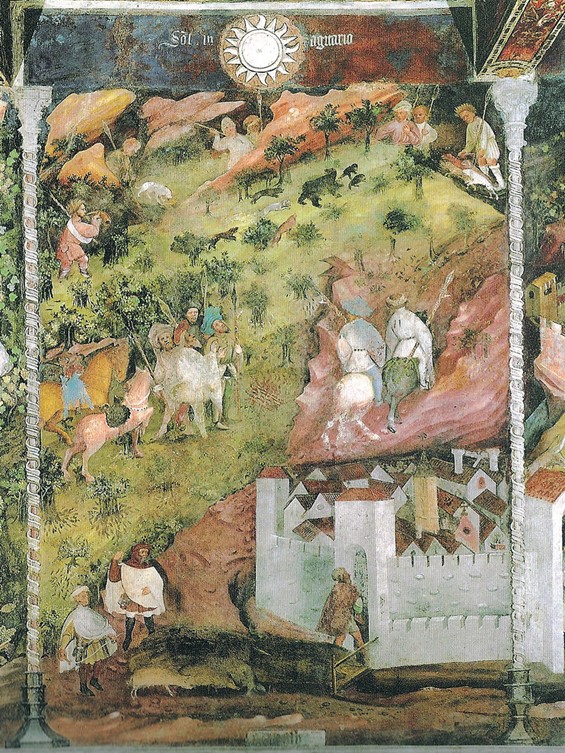
Maestro Venceslao’s November fresco blazes with aristocrats hunting bear amid autumnal mountains, while Trento’s peasants quietly guard the gates — vivid, thunderous, and breathtakingly alive after six centuries.
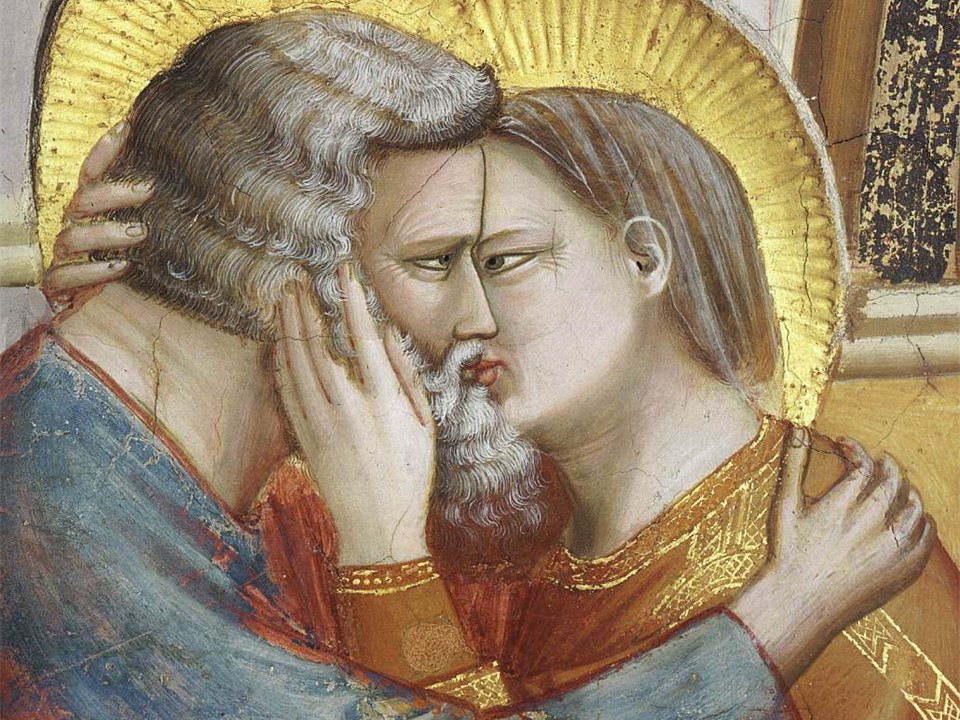
From Dante Alighieri to Pablo Picasso, Giotto di Bondone emerges as a transformative genius—surpassing Cimabue and redefining painting through lifelike vision and enduring influence.
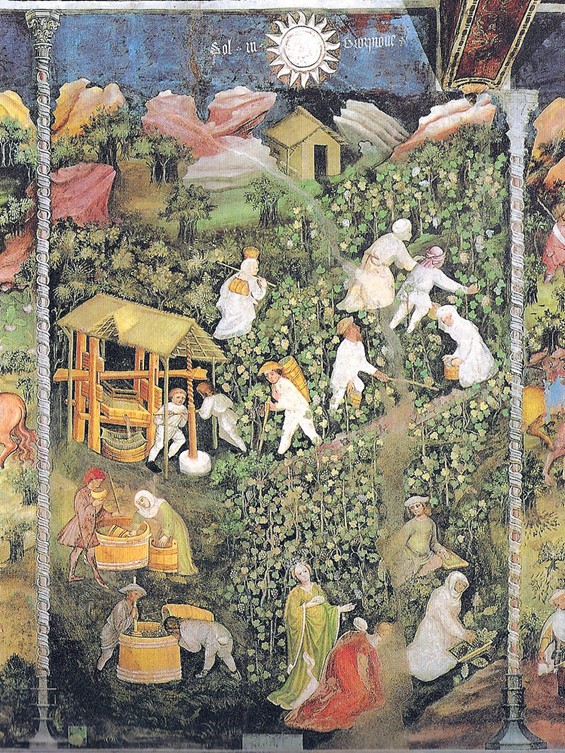
At Torre Aquila, Master Wenceslas captures October as a vibrant celebration of harvest, where labor, landscape, and lordly ambition blend into a joyful vision of prosperity.
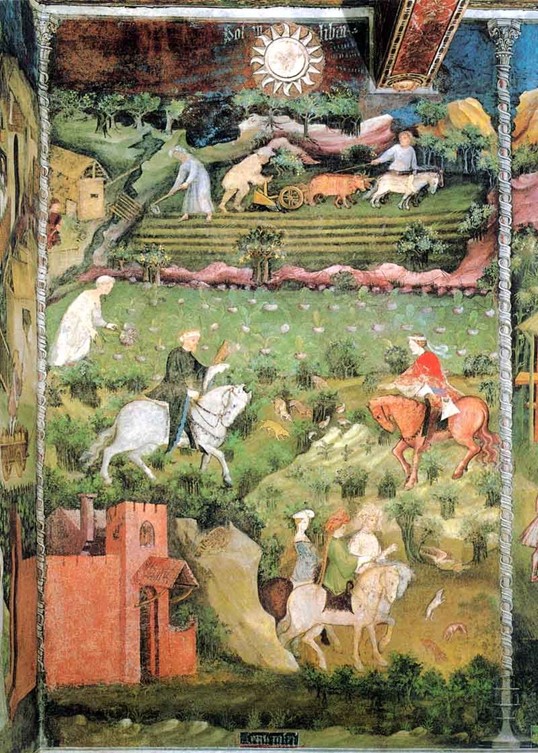
The Castello del Buonconsiglio preserves the vivid “Ciclo dei Mesi” fresco cycle, where Master Venceslao contrasts rural labour and aristocratic leisure, revealing medieval visions of seasonal order and social hierarchy.
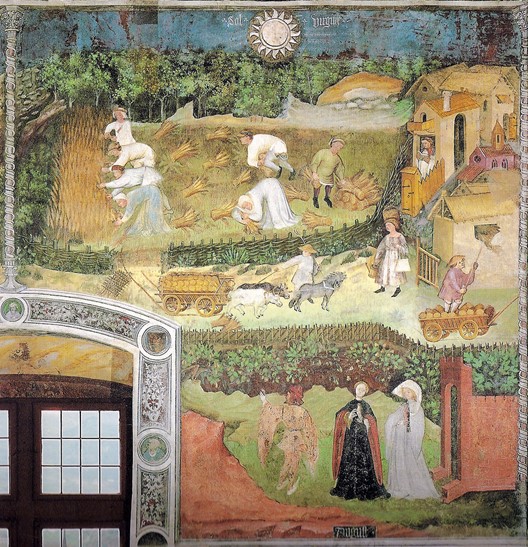
Jean Toomer’s Harvest Song resonates with the Torre Aquila, where Master Venceslao depicts August’s labor and leisure, binding human toil to a timeless seasonal rhythm.
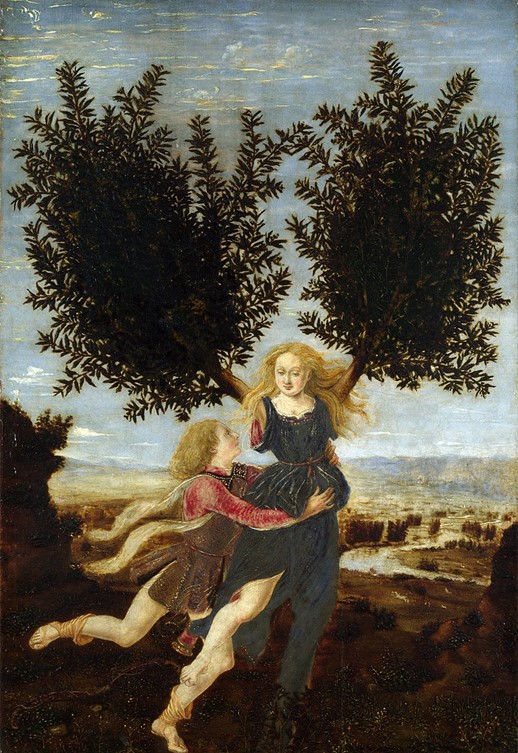
Ovid’s Metamorphoses provides the poetic source for Apollo and Daphne, where desire and escape culminate in transformation, as Renaissance Florence reinterprets myth into an idealised vision of unattainable love and beauty.
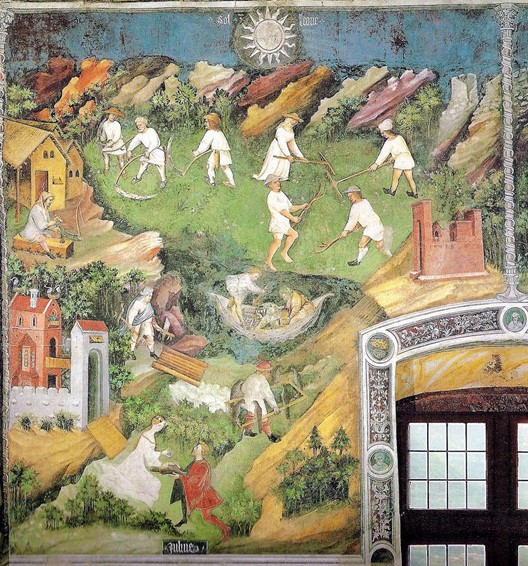
July at Torre Aquila celebrates idealized summer: nobles enjoy falconry while farmers labor in lush Trentino fields, a vivid, harmonious vision of prosperity crafted to glorify princely rule and order.
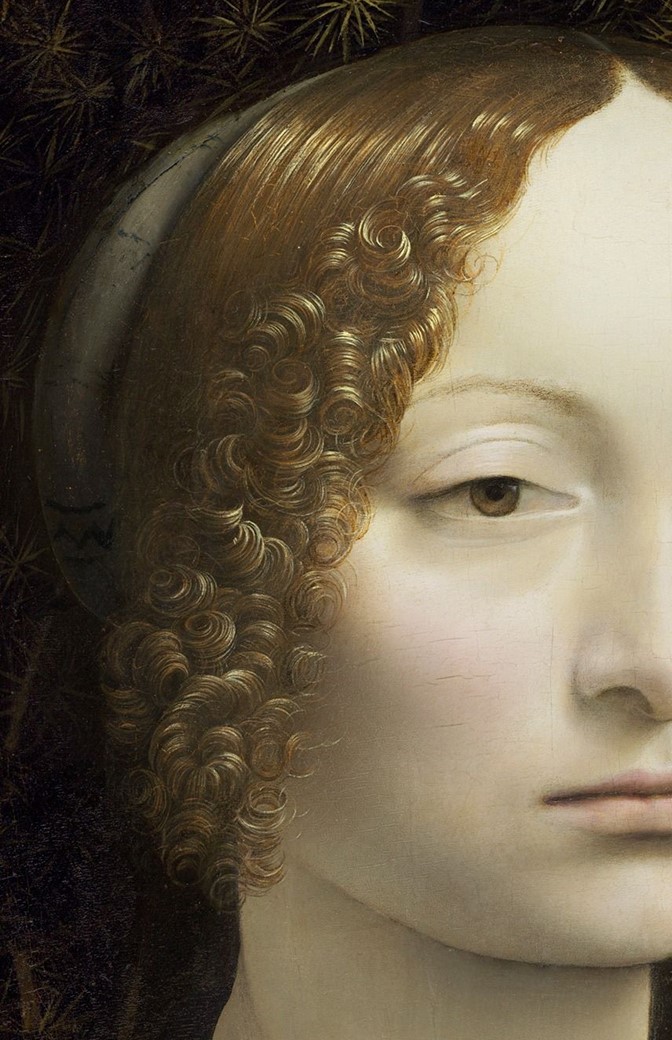
Renaissance Florence’s courtly love shines in Bembo and Ginevra de’ Benci: poetry and portraiture entwine, where ideal beauty, chastity, and longing inspire verses—and Leonardo’s enigmatic, psychological masterpiece.
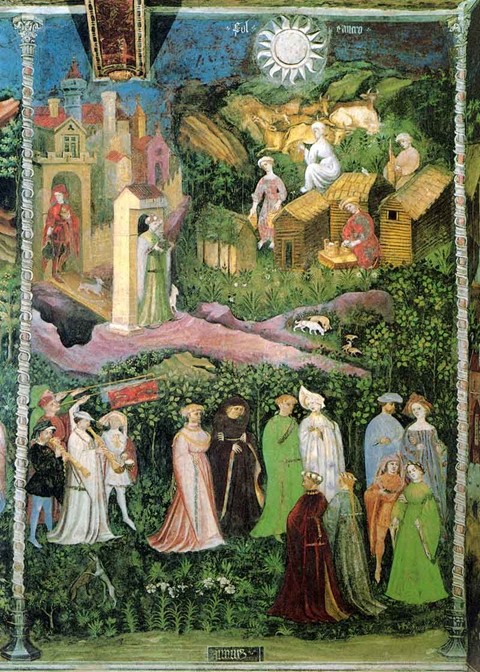
June at Torre Aquila celebrates the arrival of summer: nobles dance and stroll through lush landscapes while peasants labour in mountain pastures, uniting courtly leisure and rural life in vivid harmony.
The Mauritshuis offers an intimate encounter with Dutch Golden Age masterpieces, where Vermeer’s quiet beauty and Rembrandt’s depth invite reflection on art, history, and the enduring search for meaning.