The Monastery of Pantokrator, founded by John II Komnenos, reveals the Komnenian age’s imperial ambition through its monumental churches, hospital complex, and refined opus sectile decoration—fragments of a once magnificent sacred world.
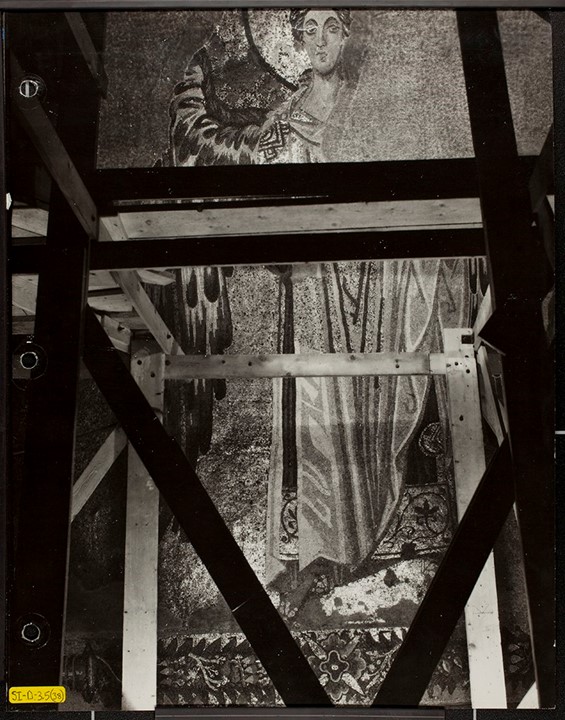
The Archangel Gabriel of Hagia Sophia
Royall Tyler’s awe at the uncovering of Hagia Sophia mosaics captures the revelation of the Archangel Gabriel, a towering Byzantine vision of light, color, and sacred authority emerging from centuries of concealment.
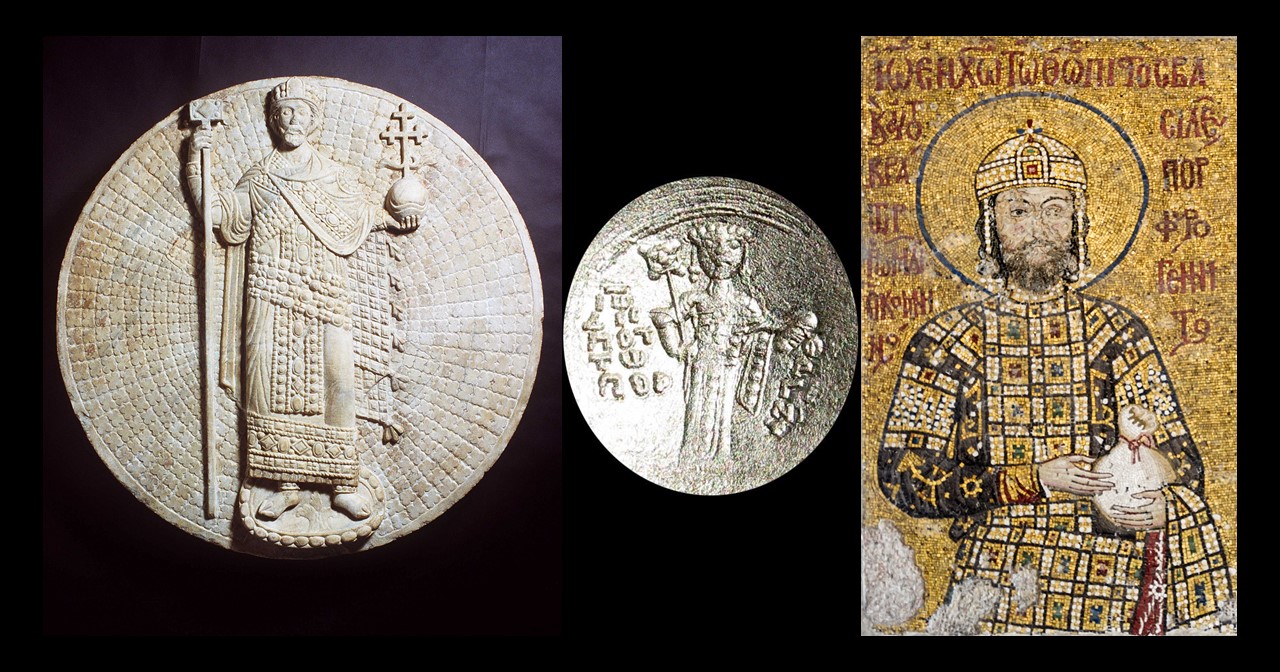
Parallel Stories of Byzantine Imperial Portraits
Byzantine imperial portraits project authority through stillness and restraint. Emperors appear fixed, emotionless, and timeless, embodying ideal power, while parallel roundels reveal a shared visual language of majesty and detachment.
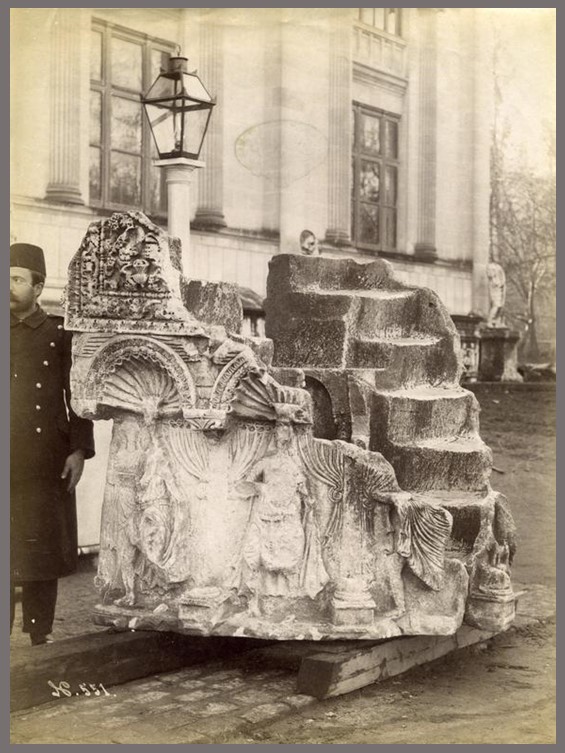
The Rotunda Ambo
The Rotunda Ambo of Thessaloniki embodies early Byzantine splendor: a sculpted stage for sacred word and ritual, where art, liturgy, and devotion converged to inspire awe in every “traveller.”
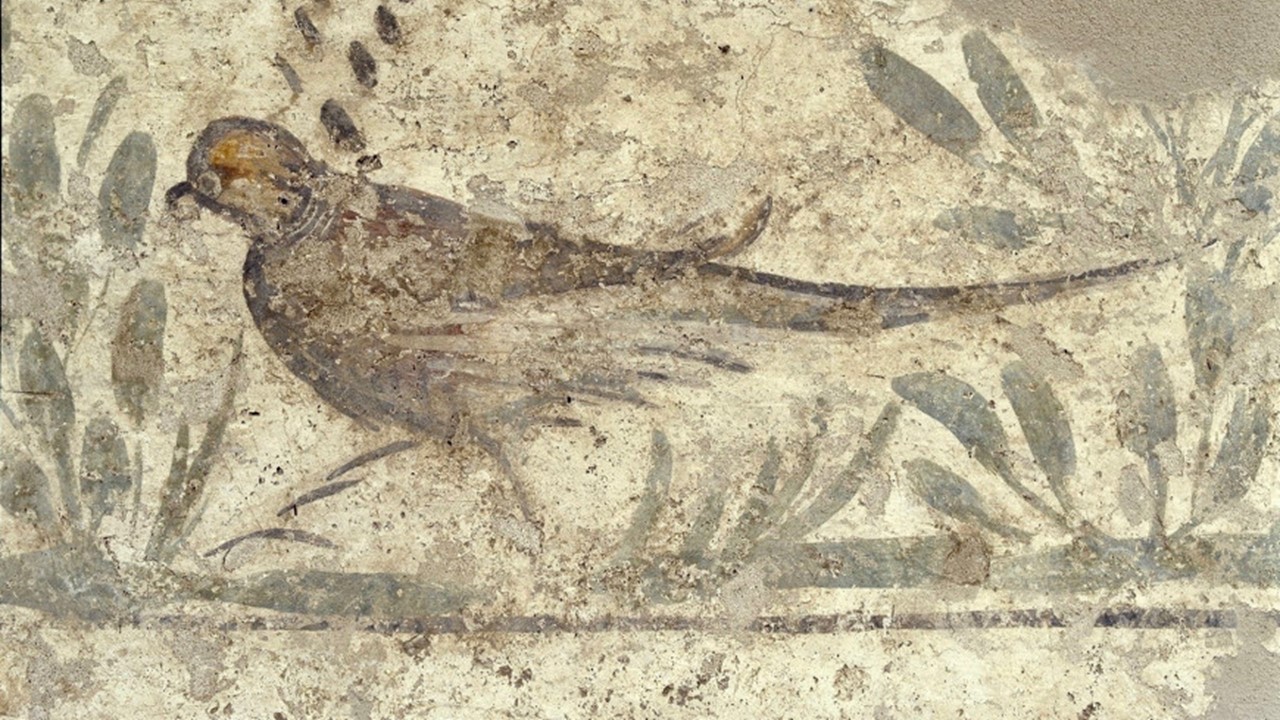
Early Christian Funerary Paintings
Room 3 of the Museum of Byzantine Culture in Thessaloniki reveals Early Christian funerary paintings where Hellenistic tradition and new faith merge, transforming memory into a luminous vision of afterlife.
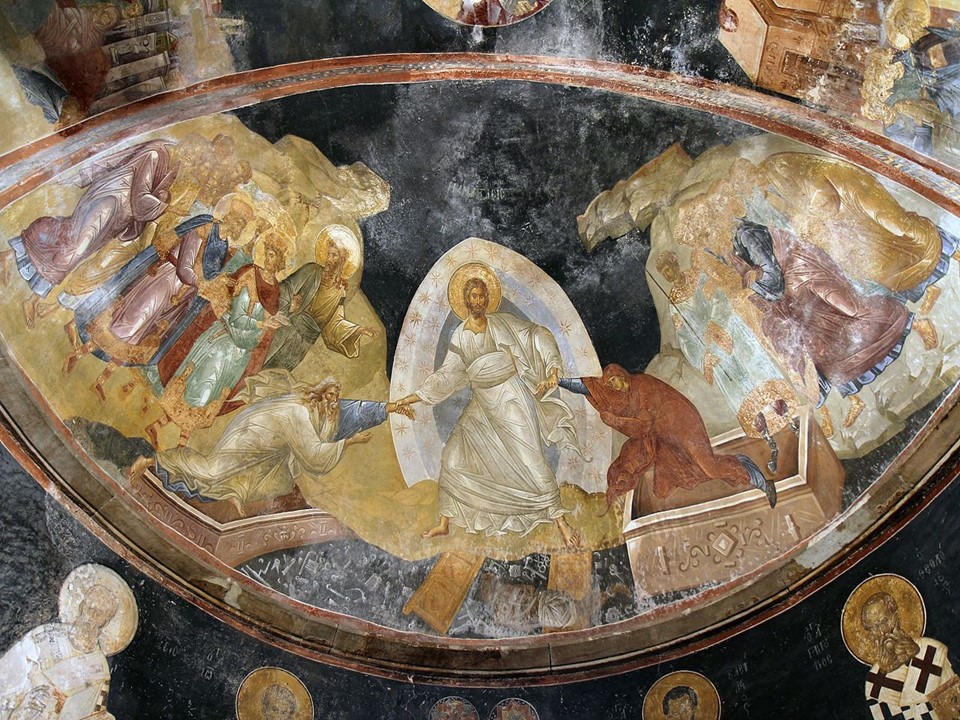
Holy Week in the Greek Orthodox Church
A blazing Byzantine red unites faith and salvation — explore the Raising of Lazarus and Palm Sunday through radiant 12th-century icons and illuminated manuscripts this Holy Week.
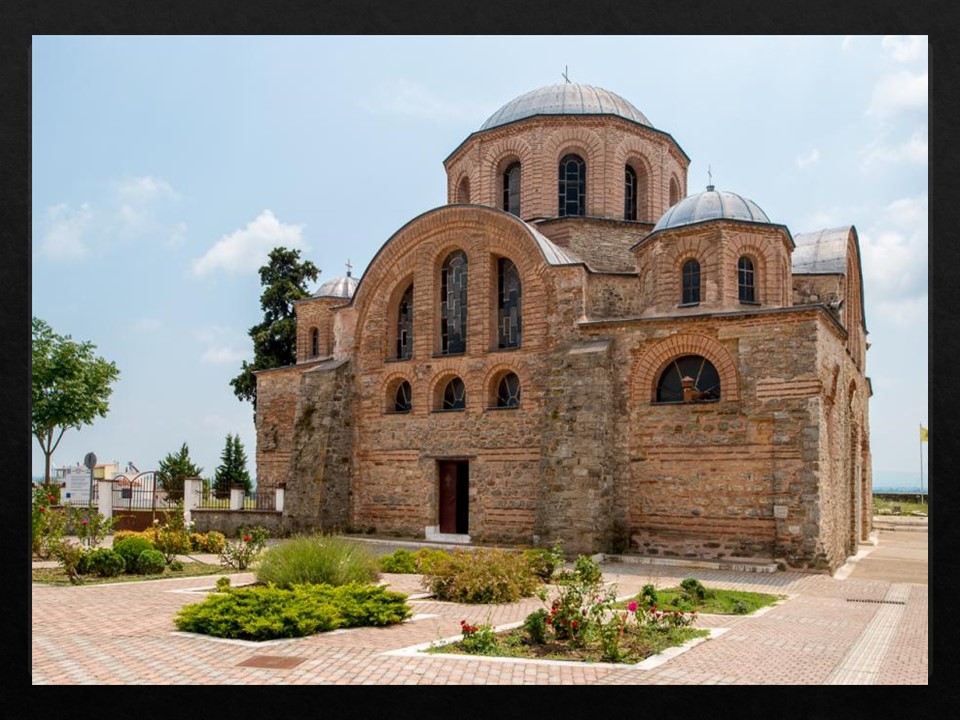
Panagia Kosmosotira in Feres
Founded by Sevastokrator Isaakios Komnenos in 1152, Panagia Kosmosotira in Feres stands as a magnificent Byzantine treasure — his final resting place, adorned with exquisite 12th-century Constantinopolitan frescoes.
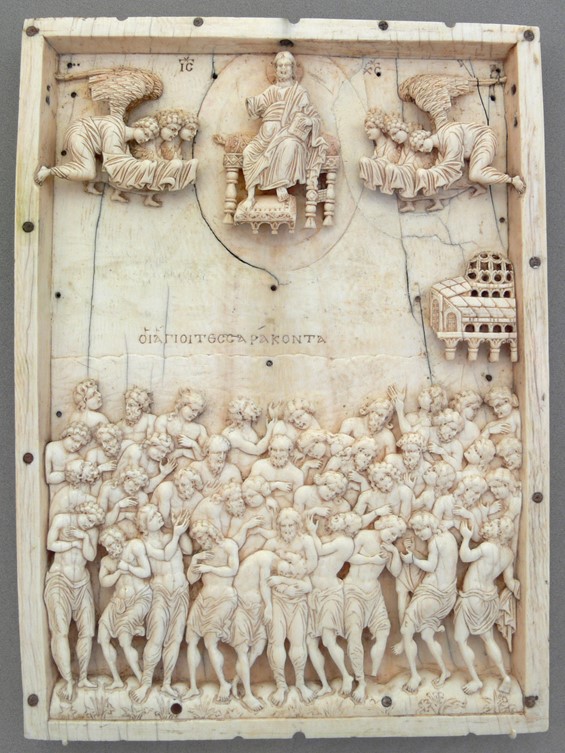
The Forty Martyrs of Sebaste
https://history2701.fandom.com/wiki/The_Forty_Martyrs_of_Sebaste
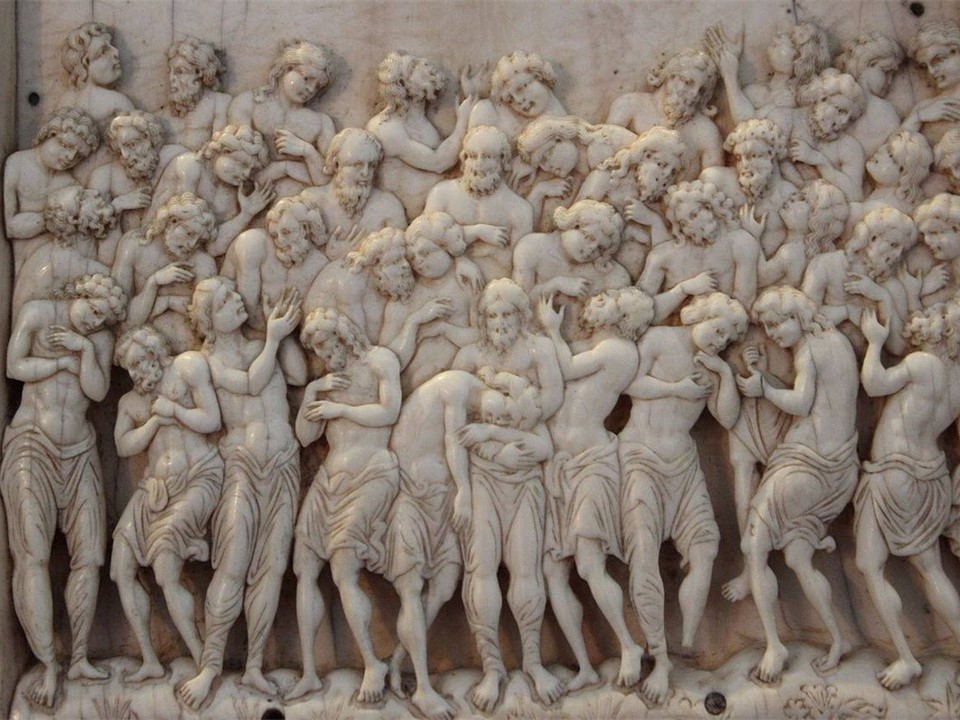
The Forty Martyrs of Sebaste Ivory Icon at the BODE Museum in Berlin is a favorite of mine for making me think, reflect and compare.
First of all, I like the story of these 40 tough Roman soldiers, devoted to their faith, suffering… in the city of Sevaste, in Armenia, during the reign of Emperor Licinius, and under the presidency of Agricolaus, in the year 320 AD. Their story is beautifully told by MATHEW in http://dignareme.blogspot.com/2017/03/the-40-martyrs-of-sebaste.html
Then, I like Byzantine Ivory Carving! What a magnificent medium in… small-scale. Byzantine Art is not only about monumental, awe-inspiring mosaics and frescoes. The aficionados of Byzantium find equal pleasure even more! in artifacts of smaller scale, like luxurious ivories, silverware, glassware, and jewelry, even humble pottery and woodwork.
I am fascinated by Ivory itself. One only has to imagine the caravans or the galleys bringing to Constantinople African elephant tasks, the anticipation of the artisans ready to put their expertise into practice, and the eagerness of the buyers as they consider one more coveted possession. During the 10th and the 11th centuries, Byzantine Ivories were popular among the City’s aristocrats and highly prized as Imperial gifts to foreign dignitaries.
Meticulously carved, ivory icons, consular diptychs, or pyxides, enchant us today with their beauty. “The allure of this substance is easily understood: its smooth, tactile quality and creamy color made it ideal for the creation of” amazing works of art, just like the Icon of the Forty Martyrs of Sevaste in the BODE Museum.
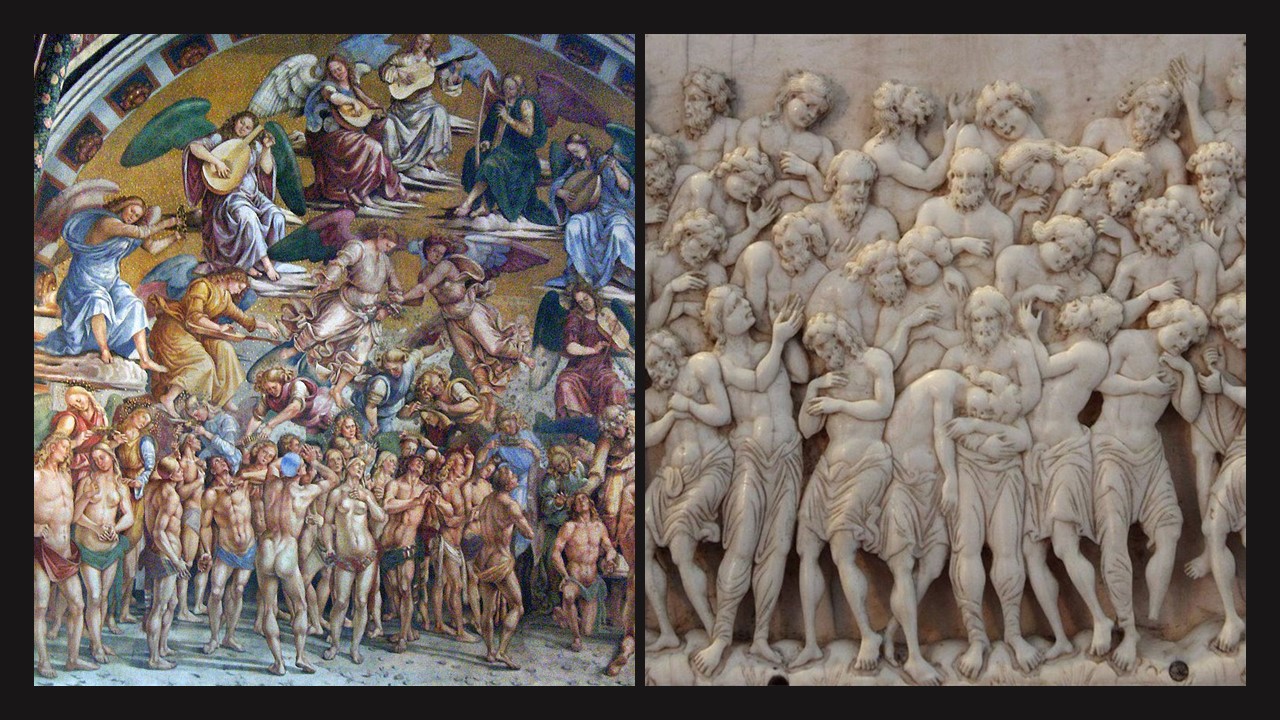
The Forty Martyrs of Sebaste, 10th century AD, ivory relief panel from Constantinople, Museum für Byzantinische Kunst, BODE Museum, Berlin
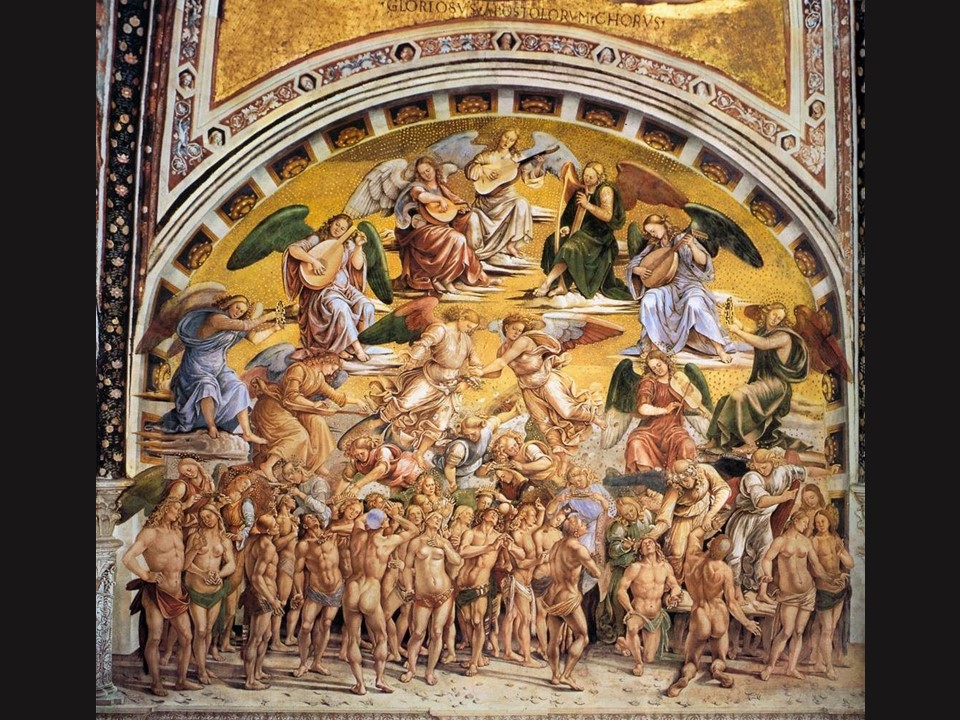
Is this amazing carving a case of Byzantine Renascence? The depiction of forty agonizing bodies, winding and twisting, reminds me of Signorelli’s fantasia of Paradise and Hell in Orvioto’s Cathedral, in the Capella of San Brizio. Are there missing links connecting these two masterpieces I don’t know about? Whatever the answer is, the BODE Ivory Icon is a strategic player in the equation. https://www.metmuseum.org/toah/hd/ivor/hd_ivor.htm and http://www.travelingintuscany.com/art/lucasignorelli/sanbriziochapel.htm
For a “Similarities and Differences” Student Activity, please… check HERE!
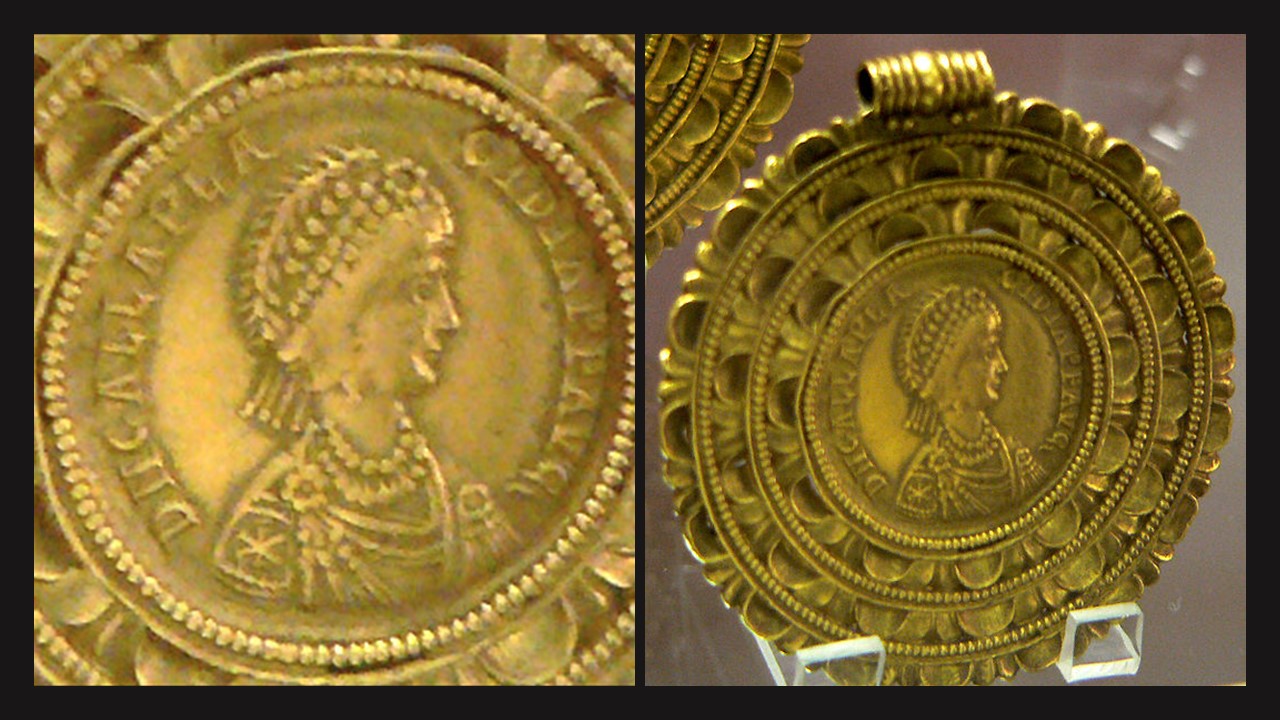
Aelia Galla Placidia
Imperial daughter, captive, empress and regent — Galla Placidia’s astonishing life traversed courts, battles and exile, leaving behind her magnificent Ravenna Mausoleum as an eternal testament to her extraordinary resilience.
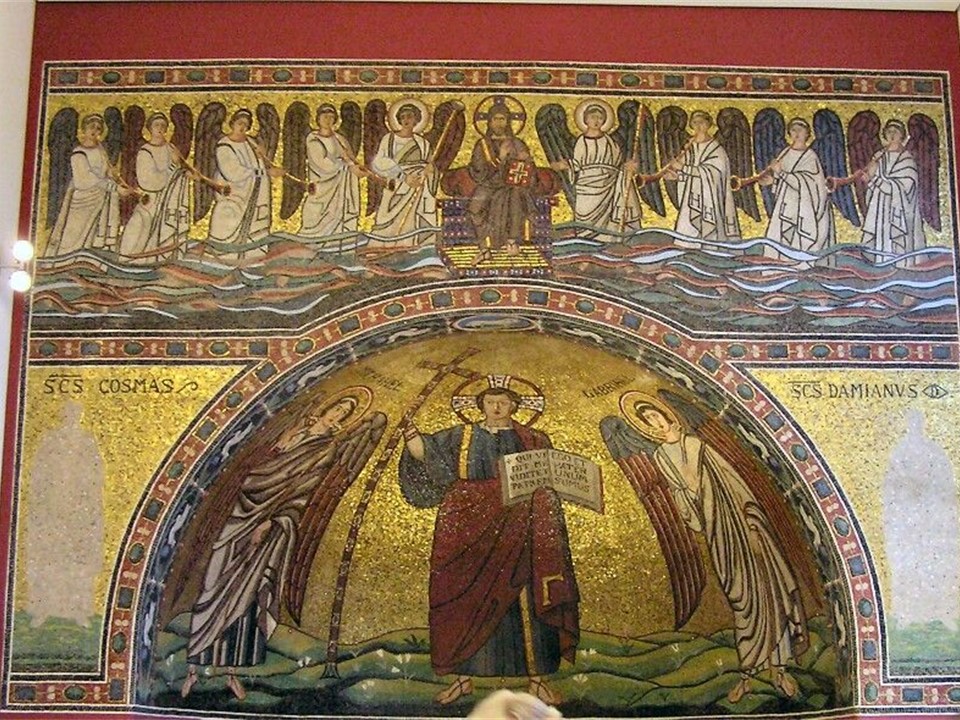
San Michele in Africisco has an amazing story to tell!
The lost Church of San Michele in Africisco survives through its scattered mosaics—masterpieces of Byzantine devotion—now dispersed across Europe, telling a story of beauty, loss, and cultural displacement.