The gold coin pendant of Constantine the Great in the British Museum celebrates his 321 consulship, combining imperial portraiture, dynastic imagery, and intricate opus interrasile goldwork.
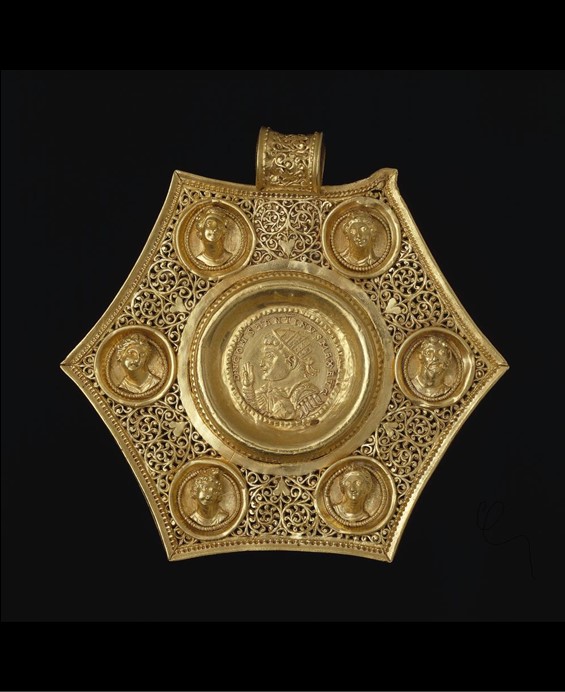
The gold coin pendant of Constantine the Great in the British Museum celebrates his 321 consulship, combining imperial portraiture, dynastic imagery, and intricate opus interrasile goldwork.
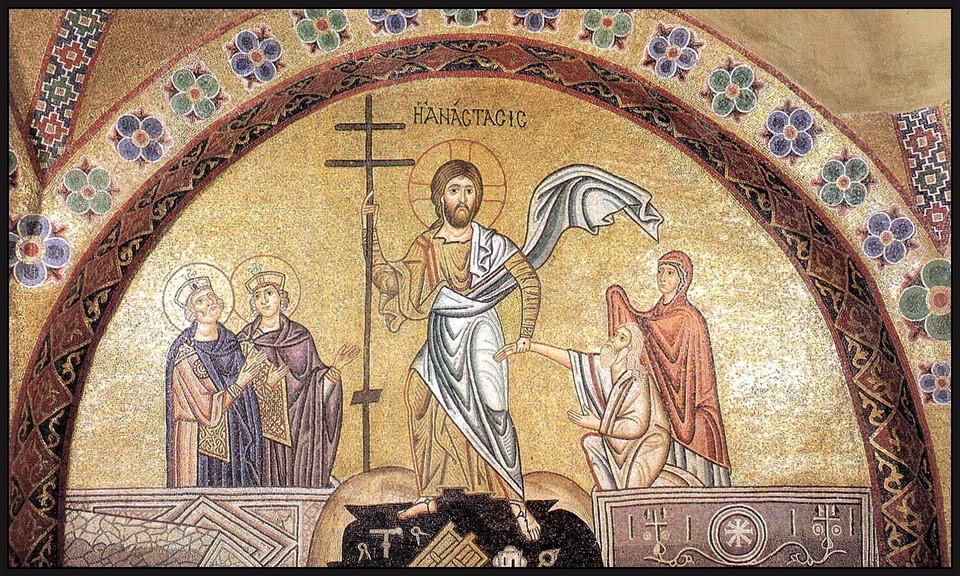
The Anastasis mosaic at the Monastery of Hosios Loukas presents the Resurrection as Christ descends into Hades, a masterpiece of 11th-century Byzantine mosaic art radiating spiritual intensity and imperial grandeur.
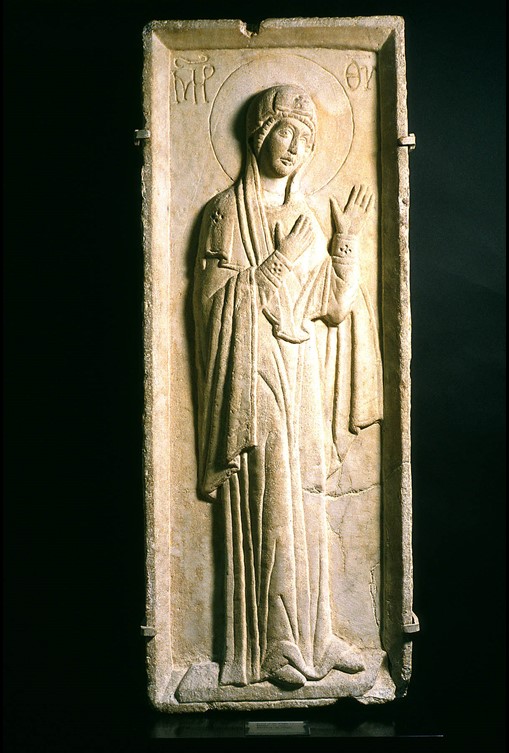
“…denuded of all help, and deprived of human alliance, we were spiritually led on by holding fast to our hopes in the Mother of the Word, our God, urging her to implore her Son, invoking her for the expiation of our sins, her intercession of our salvation, her protection as an impregnable wall for us, begging her to break the boldness of the barbarians, her to crush their insolence, her to defend the despairing people and fight for her own flock…” writes Patriarch Photius in the second of his two homilies on the siege of Constantinople by the Rus’ and Sirarpie der Nersessian, in his 1960 Dumbarton Oaks Papers article titled Two Images of the Virgin, quotes him. I couldn’t find better introductory remarks for a BLOG POST on the marble Icon of The Interceding Theotokos at Dumbarton Oaks. https://www.jstor.org/stable/1291145?seq=15#metadata_info_tab_contents page 72 and https://www.doaks.org/resources/bliss-tyler-correspondence/art/bz/BZ.1938.62.jpg/view
The Dumbarton Oaks Museum is my favourite temple of the Muses in Washington DC! It breathes history, scholarship elegance and class… Its collection of Byzantine Art is top quality, the ways and the hows this collection was acquired fascinates me, the scholarship involved, I believe, is more than appreciated by everyone who loves Byzantium. https://www.academia.edu/3585132/_Royal_Tyler_and_the_Bliss_Collection_of_Byzantine_Art_in_James_N_Carder_ed_A_Home_of_the_Humanities_The_Collecting_and_Patronage_of_Mildred_and_Robert_Woods_Bliss_Washington_D_C_Dumbarton_Oaks_Research_Library_and_Collection_27_50?email_work_card=view-paper “Royal Tyler and the Bliss Collection of Byzantine Art,” in James N. Carder, ed., A Home of the Humanities: The Collecting and Patronage of Mildred and Robert Woods Bliss, Washington, D.C.: Dumbarton Oaks
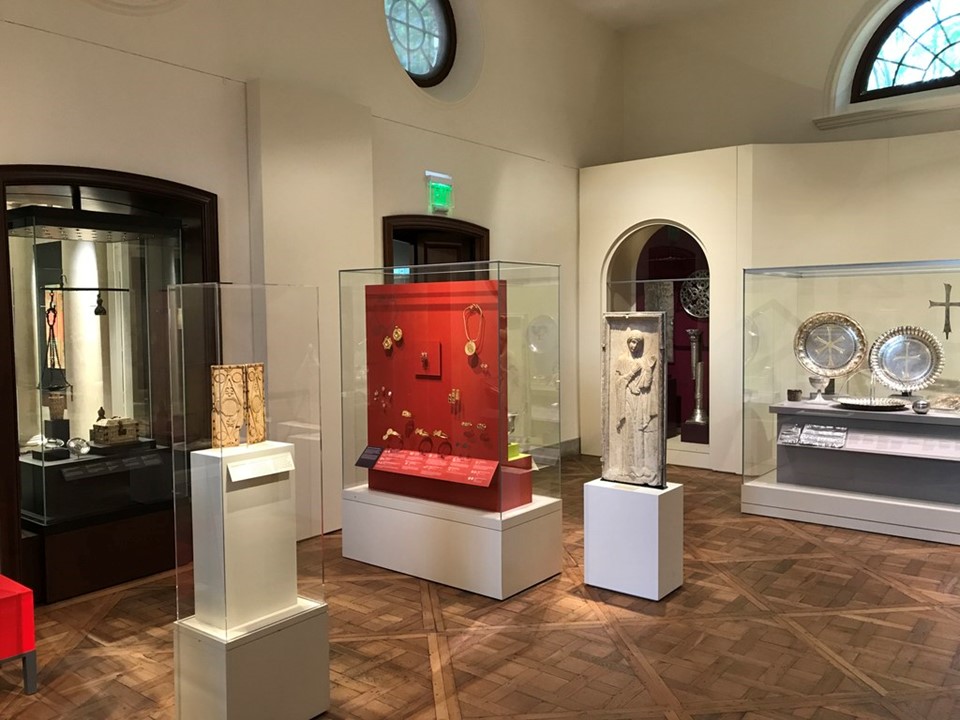
I confess, I first noticed The Marble Interceding Theotokos in the collection of Dumbarton Oaks when I visited the grand Metropolitan Museum Exhibition The Glory of Byzantium back in 1997. Exhibited then, along with the Lips Monastery Icon of Saint Eudokia from the Archaeological Museum of Istanbul, the two marble Icons “opened my eyes” in the genre of Sculpted Marble Icons from the Byzantine era. Ever since I seek them out, and when I visit the Museum of Byzantine Culture in my hometown Thessaloniki, I always pay my respects to the marble ΜΗ(ΤΗ)Ρ Θ(ΕΟ)Υ(=Mother of God) Icon in Room 4, where artefacts of the Macedonian and Komnenian dynasties are presented. https://www.metmuseum.org/art/metpublications/The_Glory_of_Byzantium_Art_and_Culture_of_the_Middle_Byzantine_Era_AD_843_1261 and https://www.mbp.gr/en/object/marble-icon-praying-virgin
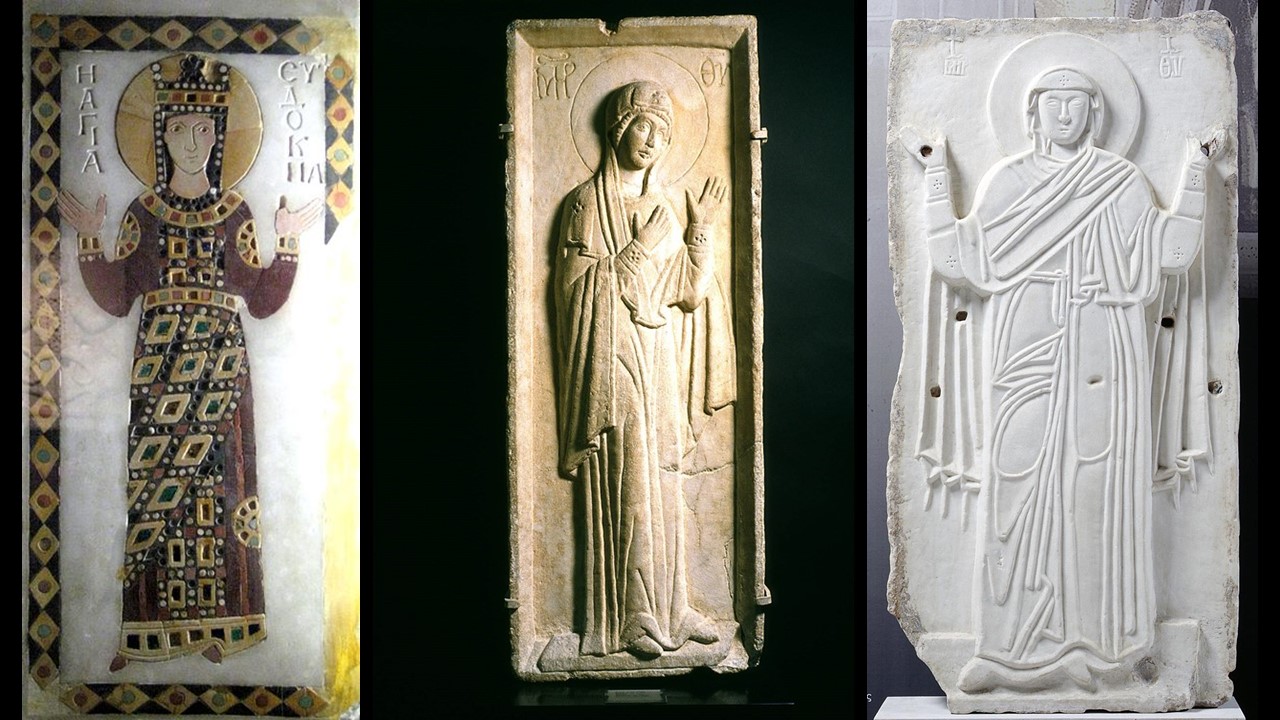
One more confession… the title of this BLOG POST was a decision that troubled me. At Dumbarton Oaks Museum the marble Icon of the Theotokos is presented as Virgin Hagiosoritissa Relief. The Glory of Byzantium Exhibition Catalogue uses a similar name Icon of the Virgin Hagiosoritissa. I thought, this is it…until I started reading Sirarpie der Nersessian article Two Images of the Virgin in the Dumbarton Oaks Collection, and I changed my mind! The author presents in detail the different styles, whereabouts and use of Interceding Theotokos Icons in every medium! Bottom line… I was not convinced the Marble Icon of the Theotokos is of the Hagiosoritissa type… and the title changed to The Interceding Theotokos at Dumbarton Oaks.
For a Student Activity on The Interceding Theotokos at Dumbarton Oaks, please… check HERE!
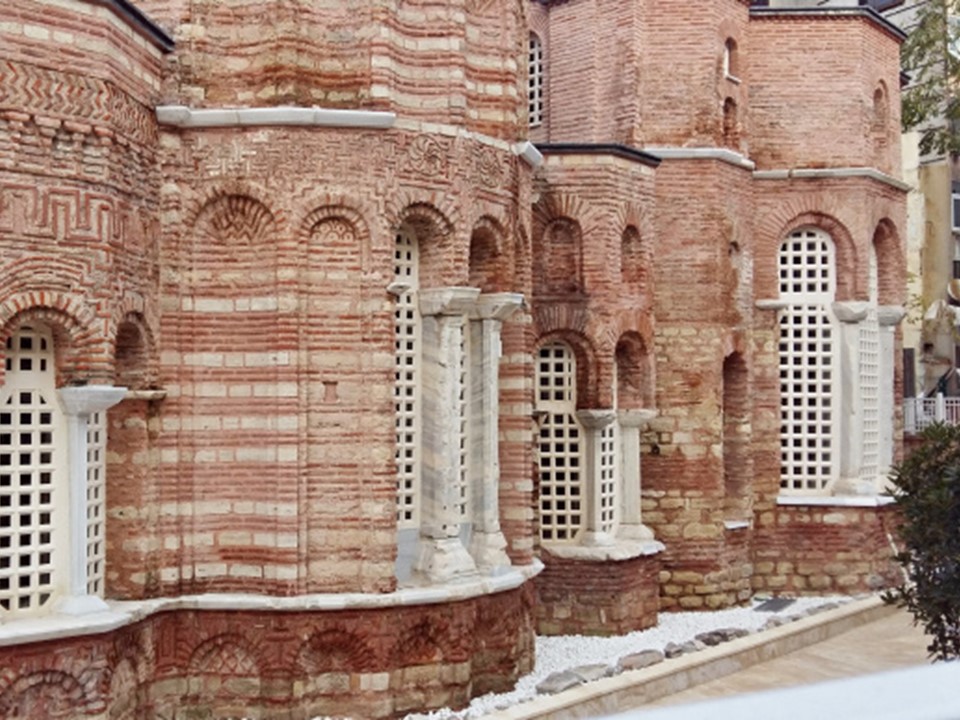
“The frequent fires that have caused such terrible destructions in Constantinople have, in some respect, facilitated archaeological investigation and the study of Byzantine monuments. As is well known, the byzantine churches that have been converted into mosques usually stood tightly surrounded by wooden houses in the center of labyrinthic Turkish quarters. Following the disappearance of these obstructive houses, many Byzantine monuments have emerged as isolated ruins in the midst of wide open spaces… This has been the case with the monastery of Lips to which the Empress Theodora added towards the end of the thirteenth century the church of the Prodromos, intended as a mausoleum for herself and the family of the Palaeoplogi…” writes Theodore Macridy as an introduction to his article… and I am indebted for all the information he provides for the Lips Monastery in Constantinople and the Theotokos Panachrantos Church BLOG POST https://www.jstor.org/stable/1291214?origin=crossref&seq=1#metadata_info_tab_contents
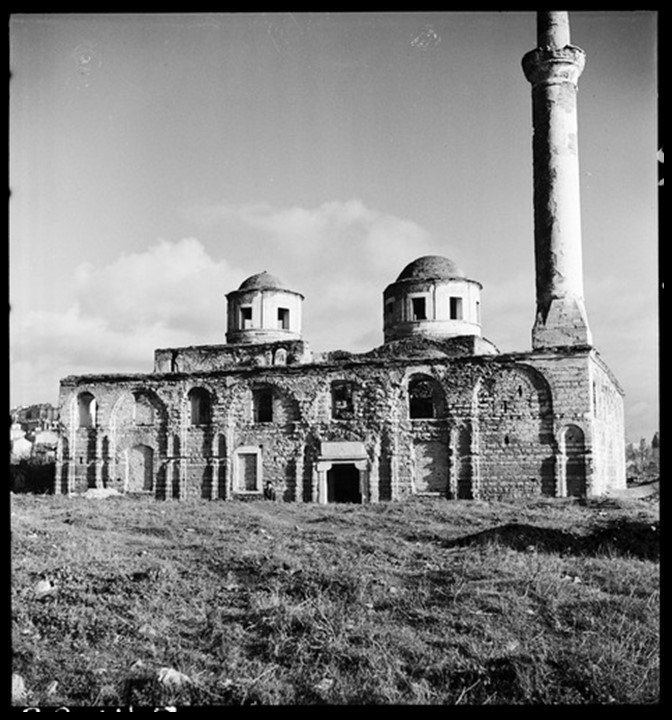
It was a summery June day of 907 (or 908) and Emperor Leo (Leo VI, called the Wise, 866-912) was on his way to the inauguration ceremony of a new Church dedicated to the Mother of God “Πανάχραντος.” The streets were quiet in the Lykos valley where Patrikios Constantinos Lips decided to commission his new Church taking into consideration novel architectural ideas. Constantinos Lips, aristocrat and military official, is at the peak of his career and he wants the Church of Πανάχραντοςto to reflect his status and… ambitions...
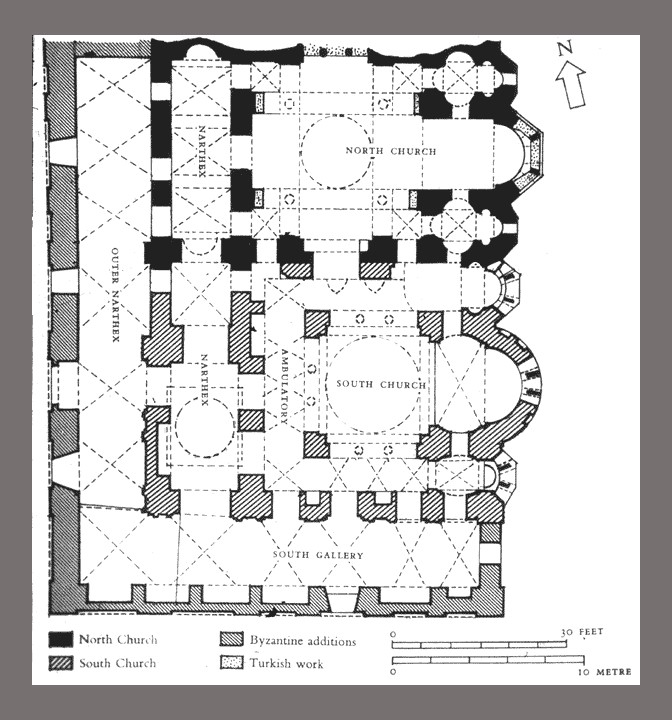
The Church of Theotokos Panachrantos, or the North Church as is popularly known, is the oldest example of the cross-in-square domed type of Church Architecture in Constantinople. It is also a religious structure with a tripartite sanctuary to the east, and north to the west. The north and south vaults of the church terminate in huge windows that gloriously illuminate the interior of the church. The eastern vault extends over the church’s apse, creates a spacious Bema and is flanked by two tiny but elegant, quatrefoil structures that serve as the Prothesis and the Diakonikon. Apparently, the walls of this impressive church were further enhanced with marble veneering, both inside and outside. The Church of Theotokos Panachrantos was domed but the four columns supporting the vaults are missing, although three column bases survived the church’s probable fire destruction, and remain in their original positions. Equally interesting is the three-bay Narthex of the Church, which culminates, on its narrow sides, in shallow niches. Originally, the Narthex was preceded by a narrow exterior porch that covered the main entrance to the narthex. http://constantinople.ehw.gr/Forms/fLemmaBodyExtended.aspx?lemmaID=10907
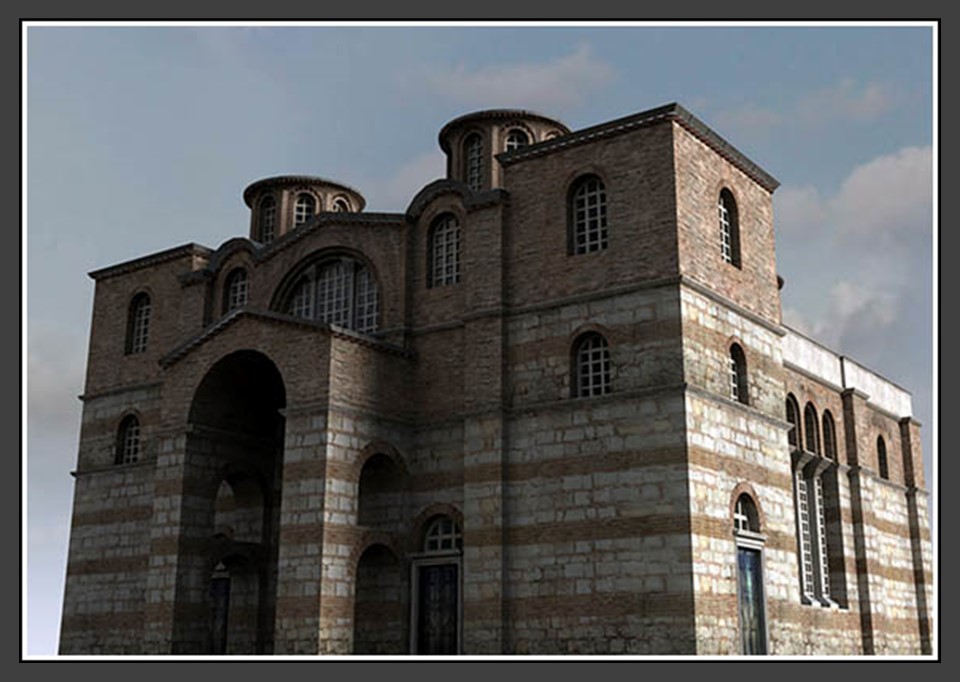
The original Church of the Panachrantos, incorporated in its original design plan, had six additional Chapels. Two of them, single-naved, flanking the Prothesis and Diakonikon, are now lost in their initial state. The North Chapel suffered the most. Today only a part of its apse has been discovered and unearthed as the result of archaeological excavations. The Southern Chapel, on the other hand, located next to the Panachrantos Diakonikon, was partially saved, serving as the Prothesis of the, attached, thirteenth century Church of Saint John. Four more Chapels existed on the roof of the North Church. These Chapels, partialy destroyed during the fire of 1917, were not visible if you were inside the Church. Two of these Chapels, in quatrefoil shape, were situated over the western corner bays of the naos, and two more Chapels, located over the Diakonikon and Prothesis, were to be seen at the east end of the building. Access to the roof was through a staircase inside the tower south of the Narthex. https://www.thebyzantinelegacy.com/lips
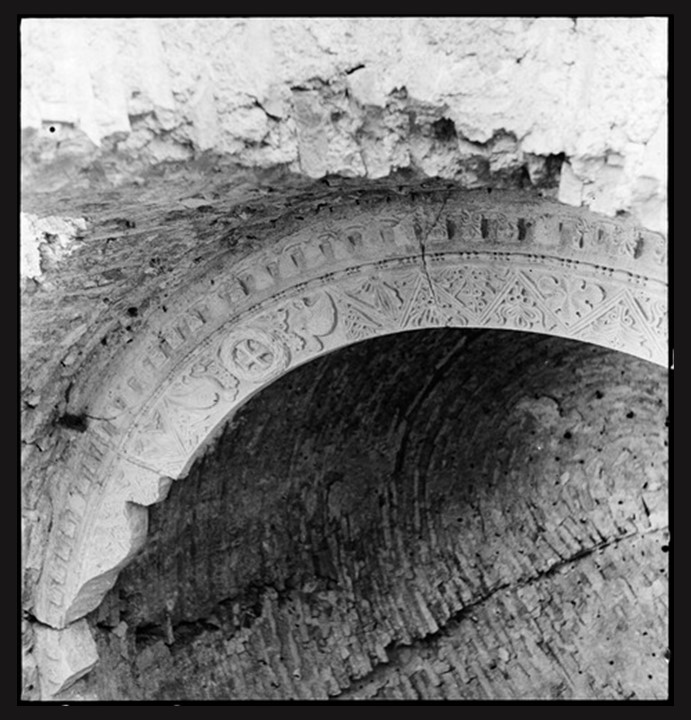
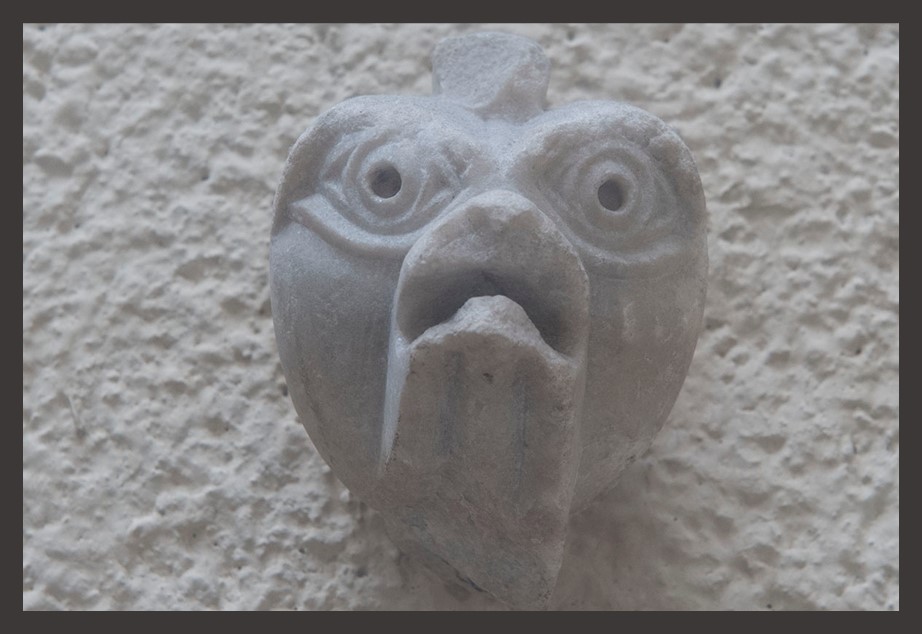
The North church provides probably the largest and the most “outstanding collection of Middle Byzantine sculptural decoration in Constantinople” write Cyril Mango and Ernest J. W. Hawkins in their 1964 DO article. What survived shows “a wealth of carved ornaments both inside and outside… (unique quality in execution, and the use of) …an endless variety of motifs – highly stylized palmettes, and “bouquets” of different forms, fleurons, stars and crosses (peacocks and eagles) – (that create) a sense of unit on the decoration as a whole.” The style of sculptural rendering is crisp, with sharp ridges that are carefully “smoothed down to the flat background upon which the forward contours of the motifs are repeated.” Mango and Hawkins proceed to an amazing description of amazing discoveries. https://www.jstor.org/stable/1291216?origin=crossref&seq=6#metadata_info_tab_contents, pp. 304-311
The Church Constantinos Lips, built in the early 10th century, survived time, devastating fires and invasions. Attached to it, Empress Theodora, widow of Emperor Michael VIII Palaiologos (r. 1259–1282), established a second Church dedicated to St. John the Baptist known today as the “South Church.” Constantinos’s Church was now part of a prestigious Nunnery, a Xenon and the Burial “ground) of the Paleologean family. (…to be addressed)
During the Ottoman period the Lips Monastery (South Church) served as a Mescit (a small mosque) and later, in 1636, after a fire in 1633, the South Church was upgraded to Camii while the North Church was converted into a Tekke (a dervish lodge). Two more fires down the path of history…the building was abandoned… but excavations in 1929, and a thorough restoration between the 1950s and the 1960s by the Byzantine Institute of America, gave it new life, so that today, known as Fenari Isa Camii, serves once again as a mosque.
An interesting Video of the exterior of Lips Monastery can be accessed … https://www.facebook.com/watch/?v=1703858606415101
For a Student Activity, please…Click HERE!
The moment was grave… it was the 22nd of July 838, hot and humid, and Emperor Theophilos, was besieged by the army of Caliph al-Mu’tasim near the hill of Dazimon. Earlier on “while the sky darkened and rain begun to fall in torrents… (he) saw that his opposite wing was in difficulties and (omitting to tell his junior commanders what he was about to do) led 2,000 men round behind the center to reinforce it… his unexpected disappearance immediately gave rise to a rumour that he had been killed. Panic broke out, followed – as always – by flight; and when the rain stopped and the light returned Theophilos realized that he and his men were surrounded.” The moment was grave… but when the Khurramite soldiers in the emperor’s entourage reportedly began planning to surrender the Emperor to the Arabs, Manuel the Armenian, Domestic of the Schools, commander of the elite tagma of the Scholae and de facto commander-in-chief of the entire Byzantine army, seized the Emperor’s horse by the bridle and threatening the confused emperor with his sword, forcibly broke through the Arab lines, and brought Theophilos to safety in the nearby village of Dorylaeum. Although Byzantine military history is not my forte when I researched the history of the Unidentified Byzantine Building in Constantinople known today as Kefeli Mosque and the name of Manuel the Armenian came up, I was intrigued and I did my reading… John Julius Norwich, Byzantium – The Apogee, 1993 Penguin Books, pp. 48 and Warren T. Treadgold, The Chronological Accuracy of the “Chronicle” of Symeon the Logothete for the Years 813-845, DOP Vol. 33 (1979), p. 180, 181 https://www.jstor.org/stable/1291437?read-now=1&refreqid=excelsior%3Ae308c8234dcf2fe514aff96de764bb09&seq=23#page_scan_tab_contents
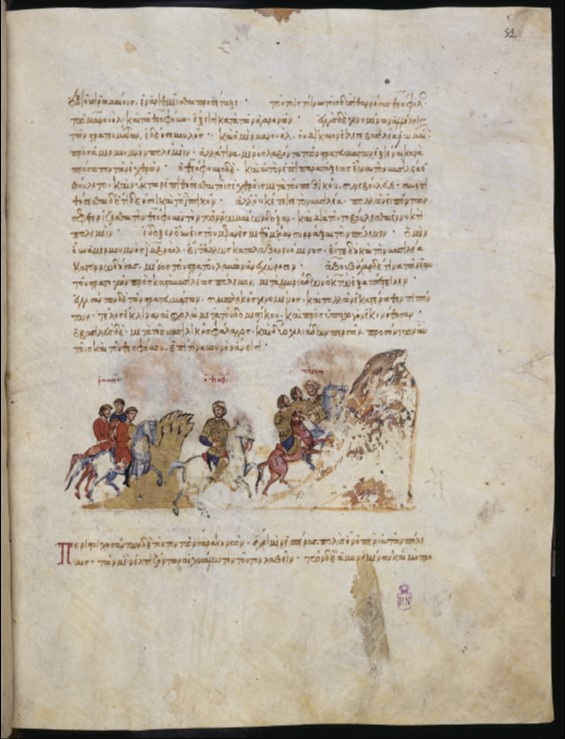
It seems that there is a bit of a controversy between Byzantine Chronographers of what was the fate of the brave general… Some of the Chronographers report that Manuel the Armenian died of wounds that he received in the fateful battle of Dazimon (most probable) and was buried in the Monastery of Manuel in Constantinople, traditionally identified with the Kefeli Mosque. Other chronographers narrate how Manuel survived the battle, returned to Constantinople, took part in the second battle of Dazimon, and died, in the late 850s, a devoted Iconodule, during the reign of Emperor Michael III. Warren T. Treadgold, The Chronological Accuracy of the “Chronicle” of Symeon the Logothete for the Years 813-845, DOP Vol. 33 (1979), p. 182, 183 https://www.jstor.org/stable/1291437?read-now=1&refreqid=excelsior%3Ae308c8234dcf2fe514aff96de764bb09&seq=23#page_scan_tab_contents
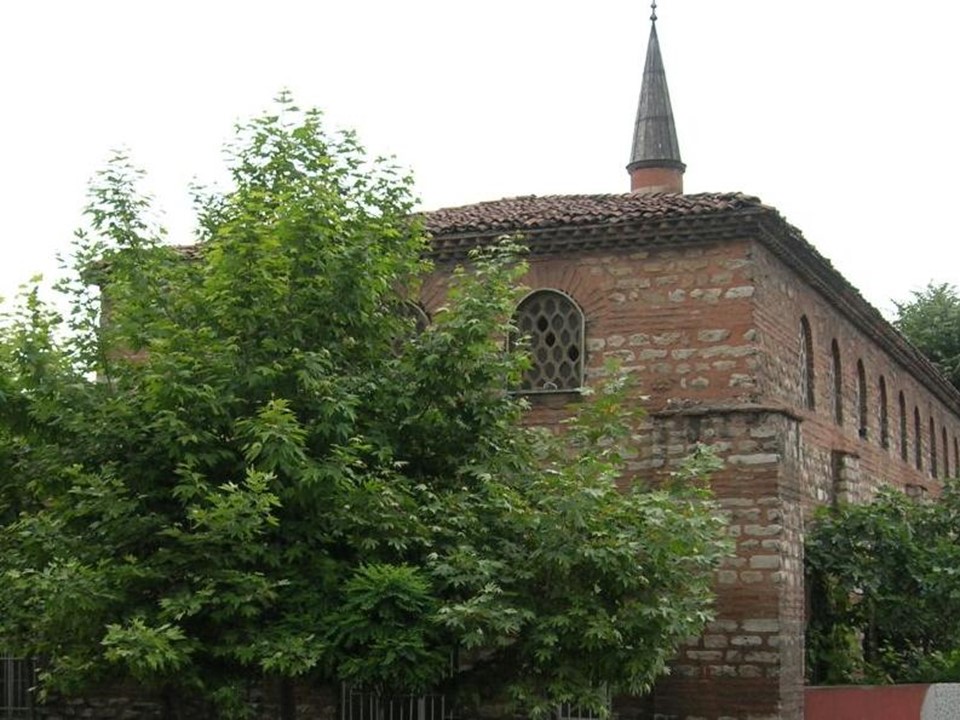
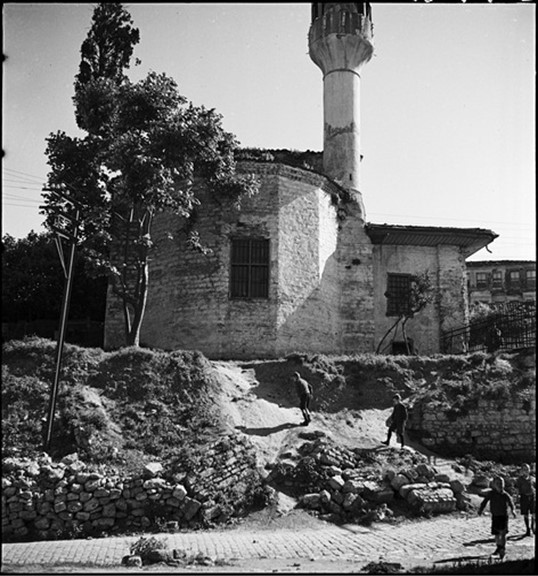
Kefeli Mosque’s history is intriguing, to say the least. It is not yet established if it was originally part of the Byzantine Monastery of Manuel, founded in the mid 9th century, rebuilt by Patriarch Photius, restored once more by Romanos I Lekapenos and used by Emperor Michael VII to retire after his deposition. Scholars are not even sure if the ΚΤΗΤΩΡ(founder) of the Monastery was indeed Manuel the Armenian, and if the Monastery was founded within Manuel’s residential complex. More importantly, scholars can not be certain if the surviving building was originally a Church or a Monastic refectory. It seems that all scholars agree that it was never the Katholiko of a Monastery.
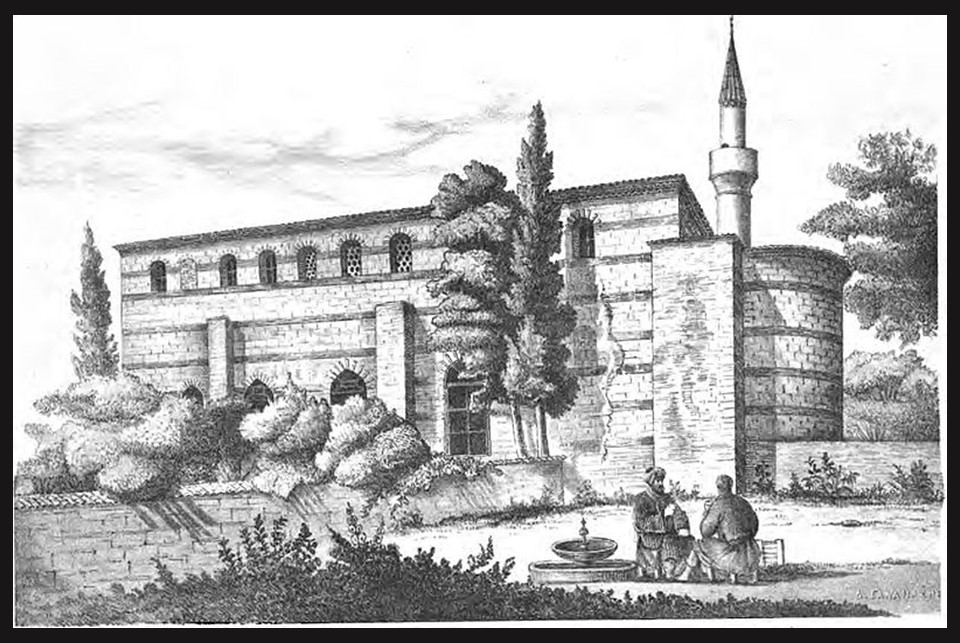
The building was a basilica, according to Paspates a “κτίριον δρομικόν” and recent studies describe it as an interesting example of how the early Christian Basilica form developed or adapted during the Middle Byzantine period. It is believed that Kefeli Mosque was a 3-aisled basilica building with an apse (polygonal outside, but semicircular inside with two niches) facing north.
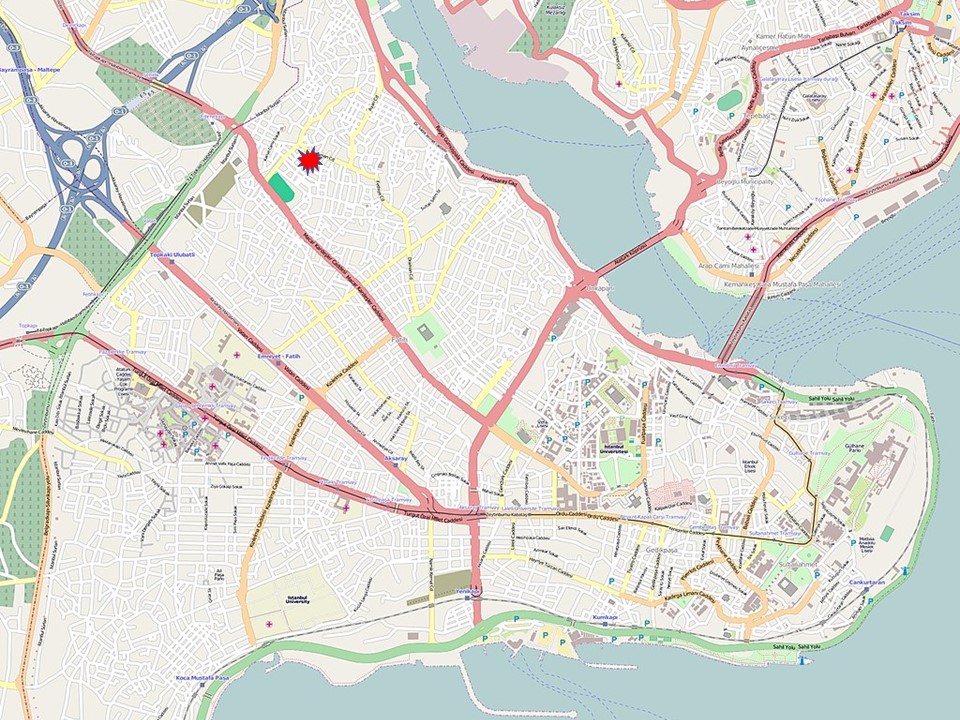
What can be said with certainty, is that the presented Byzantine building successively served the Greek Orthodox population of the city, the Catholics along with the Orthodox Armenians, and since 1630 the Muslim population of Karagümrük neighbourhood in Fatih district of Istanbul. Its name comes from Caffa (Kefe) in Crimea. https://ia800304.us.archive.org/0/items/vyzantinaimelet00unkngoog/vyzantinaimelet00unkngoog.pdf and http://suleymankirimtayif.com/pdf/ByzantineChurchesinIstanbul.pdf and http://www.istanbulvisions.com/kefeli_mosque.htm
An interesting Collection of Photographs of Kefeli Mosque can be seen in the ARIADNE – Digital Archaeology in Europe site put together by The German Archaeological Institute (DAI) Istanbul photo archive: https://arachne.dainst.org/project/fotoistanbul and https://arachne.dainst.org/project/fotoistanbul/search?q=%22Kefeli%20Camii%22 In addition, the Nicholas V. Artamonoff Collection, at the Dumbarton Oaks Research Library and Collection – Image Collections and Fieldwork Archives, is equally interesting to explore http://images.doaks.org/artamonoff/items/show/244
For a Student Activity, please… Check HERE!
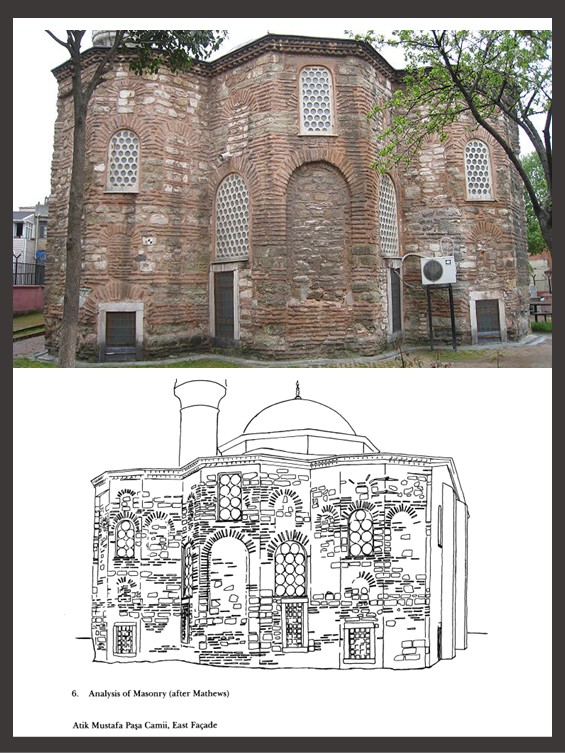
It’s bitter cold, a snowy Sunday in the συμβασιλεύουσα του Βυζαντίου and I enjoy reading “Notes on the Atik Mustafa Paşa Camii in Istanbul and its frescoes” by Thomas F. Mathews and Ernest J. W. Hawkins in Dumbarton Oaks Papers, Vol. 39 (1985), pp. 125-134. My goal is to prepare for a new POST, titled… Unidentified Byzantine Church in Constantinople known today as Atik Mustafa Paşa Camii. https://www.jstor.org/stable/1291520?seq=1#metadata_info_tab_contents
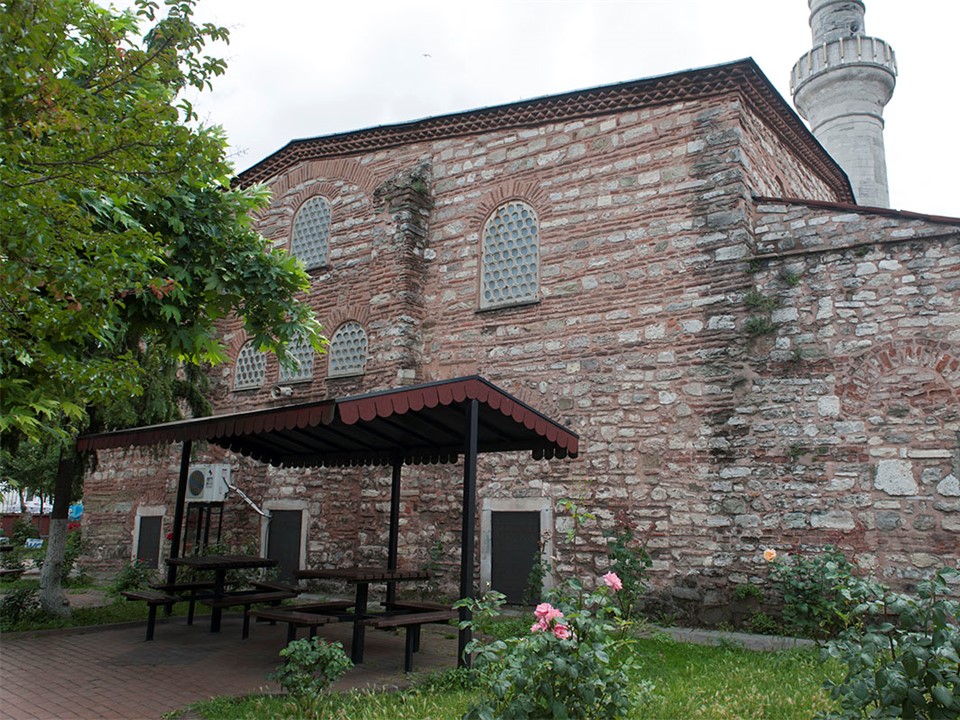
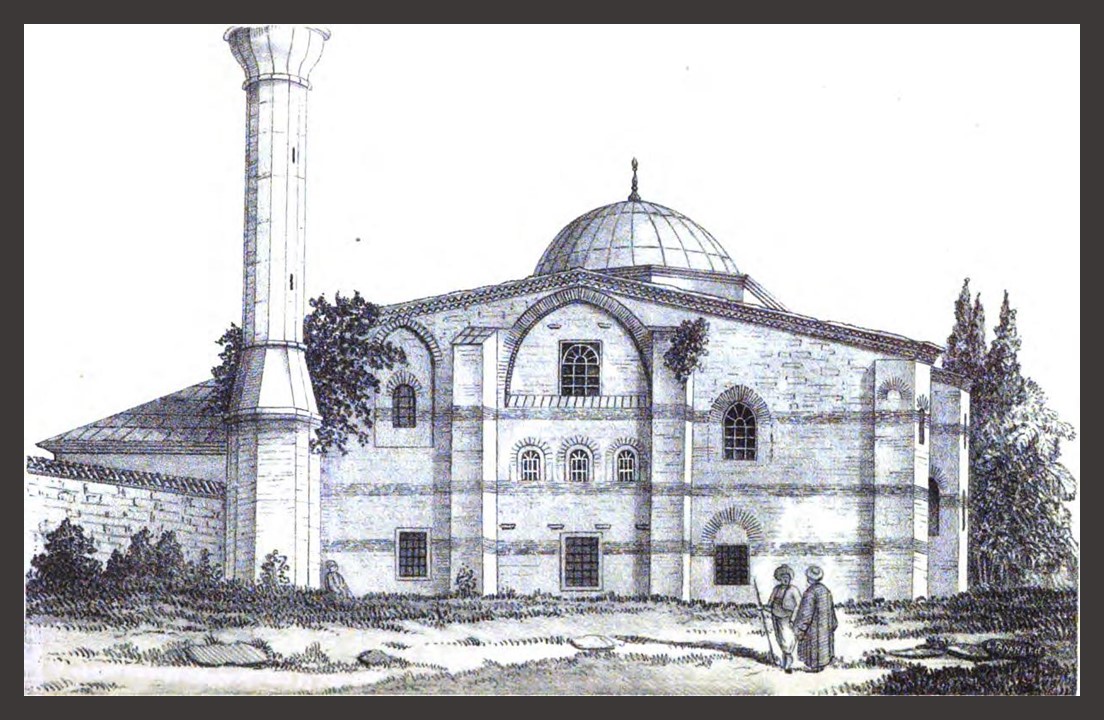
Atik Mustafa Paşa Camii is a historic Byzantine church in Constantinople, an Ottoman Mosque of great importance for the Muslims, and an intriguing building for the expert Art Historians in the academic world. I have to confess I never visited the building and that makes it difficult to talk about it… I rely, however, on Mathews and Hawkins Dumbarton Oaks Paper, the Encyclopedia of the Hellenic World presentation, the Byzantine Legacy report, and the precious photographs taken by Dick Ossemann. This may not be “all-inclusive,” it is the groundwork for my next trip… στην Πόλη! https://www.jstor.org/stable/1291520?seq=1#metadata_info_tab_contents, http://constantinople.ehw.gr/forms/fLemmaBodyExtended.aspx?lemmaID=11785, https://www.thebyzantinelegacy.com/atik and https://pbase.com/dosseman/atikmustafa
References to early 20th-century bibliography and logical deductions lead Mathews and Hawkins to a first acceptance that the Atik Mustafa Paşa Camii is “the earliest Constantinopolitan example of a cross-domed church (and indeed the first Constantinopolitan church after Iconoclasm).” The authors further studied the articulation of the East End of the building, the design of the Apses (p. 127), the windows in the apses, drew comparisons to many Constantinopolitan churches for plausible similarities and drew the conclusion that the Atik share the most similarities with “the Theotokos of Lips (church) of 907 and the Myrelaion 920-22. With these churches the Atik shares the basic plan of three triple-faceted apses in which surfaces begin to be broken up by windows and niches set at varying levels.” Further comparisons (pp.127-128) on where apse windows were placed and the lack of horizontal cornices enhanced the belief that Atik Mustafa Paşa Camii “while closely related to the Lips and the Myrelaion, seems to represent an earlier stage in the evolution of apse design. Very likely it belongs to the second half of the ninth century in the new surge of church building known from literary sources to have followed the defeat of Iconoclasm in 842 and the accession of Basil I in 867.” https://www.jstor.org/stable/1291520?seq=4#metadata_info_tab_contents
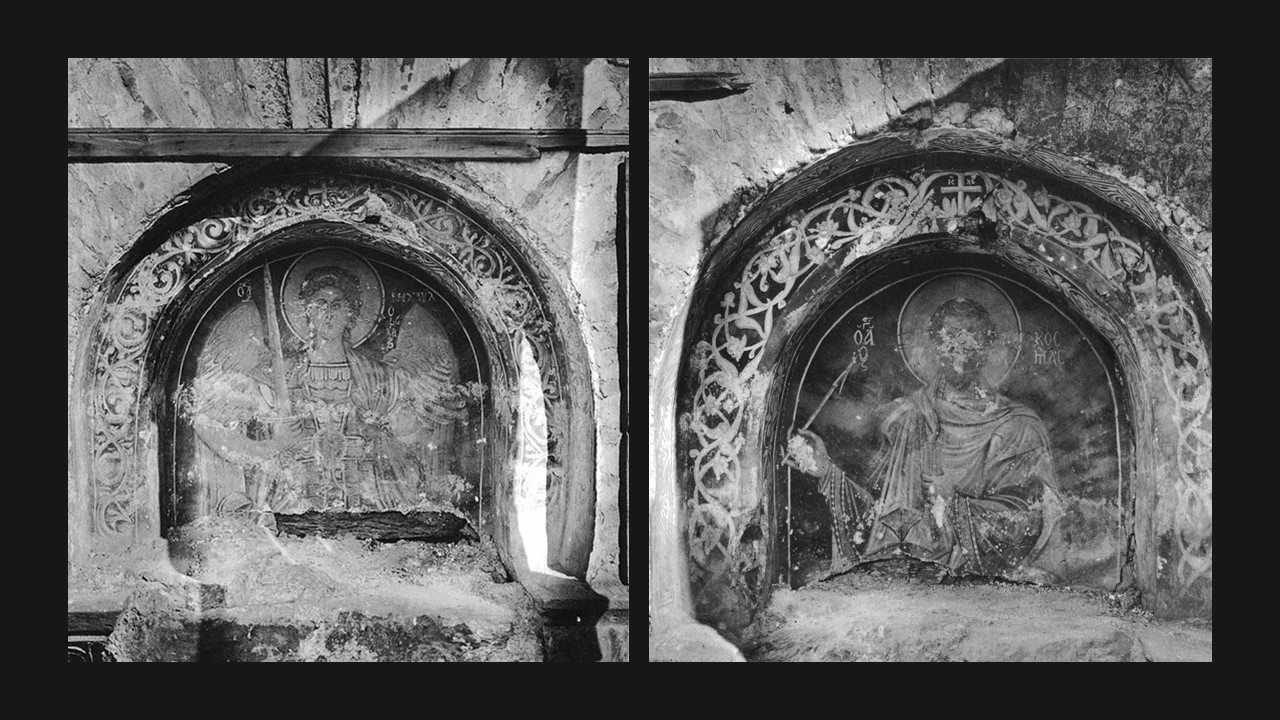
The Dumbarton Oaks Paper by Mathews and Hawkins is an inexhaustible source of information I enjoyed reading. Groundwork accomplished, I feel ready for a future trip… στην Πόλη!
For a Student Activity, please… Check HERE!
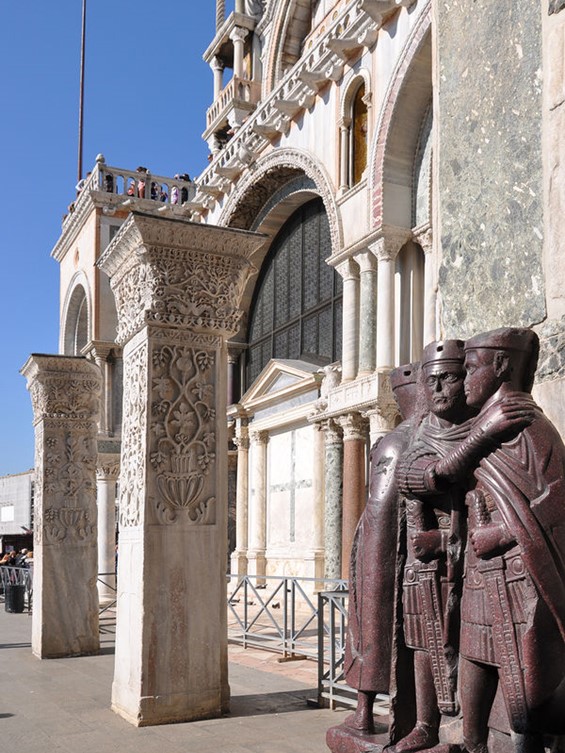
Two ancient pillars looted from Constantinople in 1204, long misidentified as war trophies, inspired Turner and other 19th-century masters — Venice’s silent Byzantine witnesses hiding in plain sight.
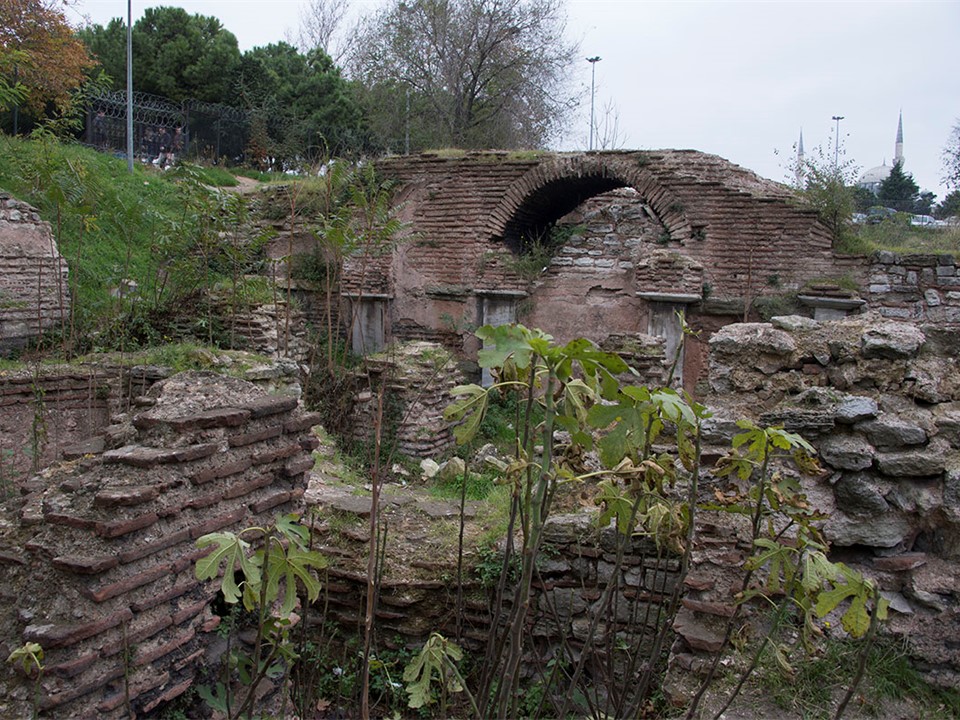
Built to rival Solomon’s Temple, Anicia Juliana’s magnificent 6th-century Constantinople church defied even Emperor Justinian — its looted treasures now scattered across Venice, Barcelona, and Vienna.
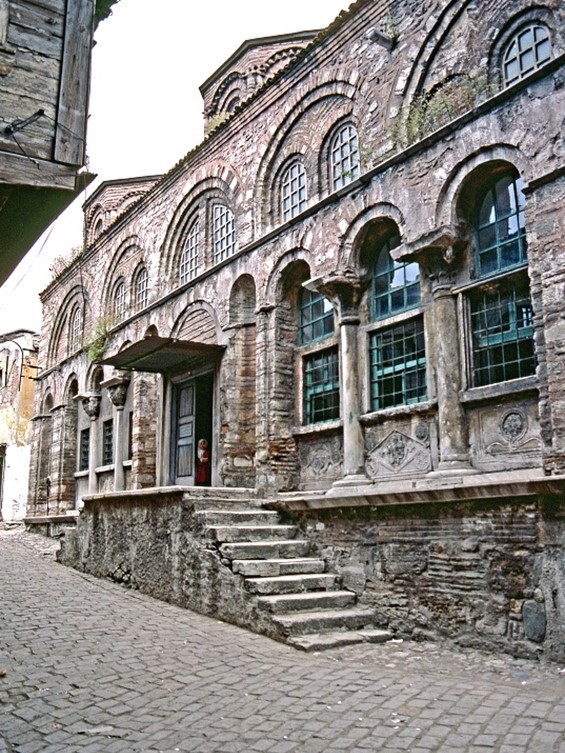
The enigmatic Vefa Kilise Camii remains one of Constantinople’s least understood monuments—an 11th–12th century Komnenian structure, possibly linked to St. Theodore, yet still rich in unanswered questions and lost mosaics.
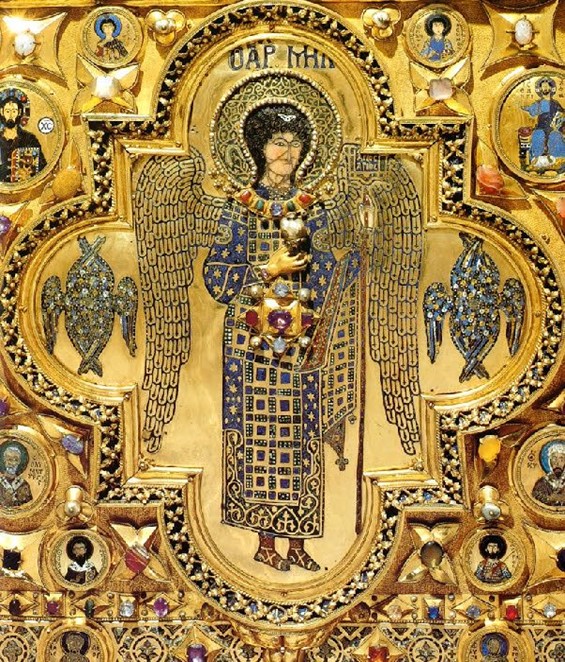
The luminous Pala d’Oro reflects Venice’s deep artistic ties with Constantinople, likely incorporating enamels from the Monastery of Pantokrator—a sacred imperial complex of devotion, charity, and dynastic memory.

