Hopper’s raw 1918 propaganda poster Smash the Hun — dismissed by its creator as “pretty awful” — unexpectedly launched his career, winning $300 and captivating thousands of Broadway passersby.
The Red School House by Winslow Homer
Homer’s luminous Red School House — a young teacher, mountain light, children learning — captured post-Civil War America’s tender optimism for simpler times and brighter futures.
The Parthenon by Frederic Edwin Church
Church’s Parthenon study captures Athenian light in radiant, shifting color, transforming Pentelic marble into a living presence—an intimate, luminous prelude to his grand vision of classical grandeur.
Rooms by the Sea
Hopper’s Rooms by the Sea transforms Cape Cod light into an image of solitude, where an interior opens abruptly to the vast, silent sea—echoing Romantic ideas of isolation, contemplation, and the presence of nature beyond human enclosure.
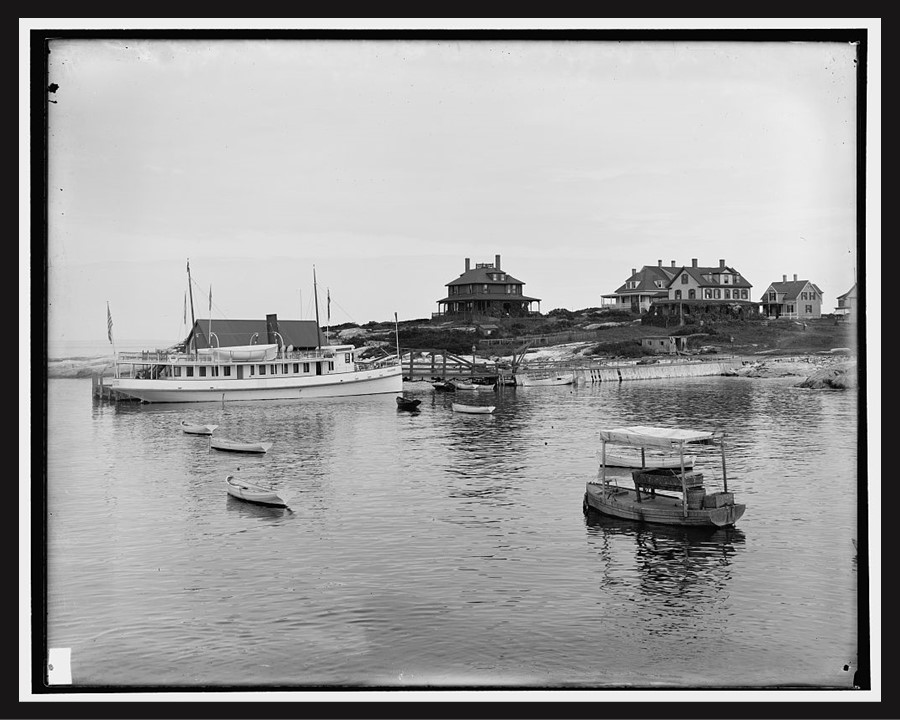
Poppies on the Isles of Shoals
Thaxter’s Appledore garden and Hassam’s paintings transform the Isles of Shoals into an Impressionist world of light and flowers, where nature, memory, and artistic community merge in luminous scenes of coastal beauty and cultivated bloom.
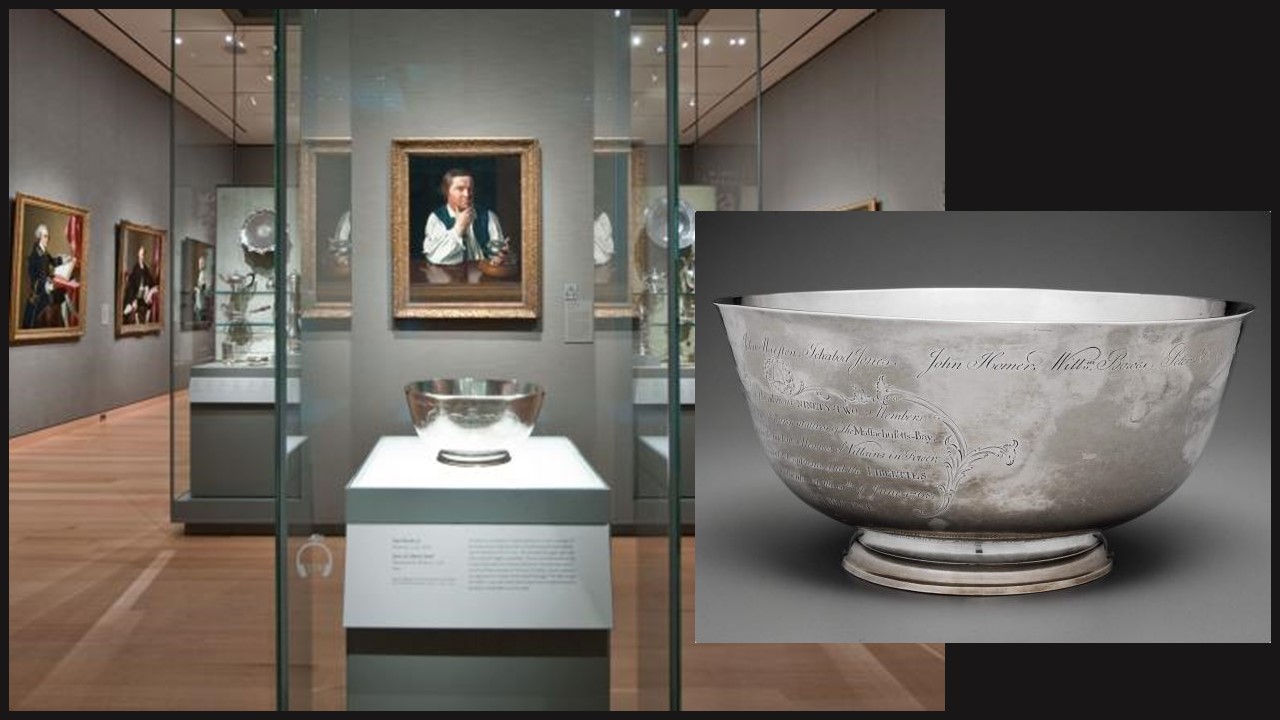
John Singleton Copley’s Portrait of Paul Revere
Longfellow’s Paul Revere’s Ride immortalizes the midnight alarm of 1775, blending history and legend, while Copley’s portrait of Revere grounds the revolutionary figure in the quiet dignity of his craft as a silversmith and artisan.
Portrait of Alexander Cassatt and Robert Cassatt
Mary Stevenson Cassatt’s 1884 double portrait of Alexander J. Cassatt and his son captures an intimate father-son bond, reflecting American artistic success within Paris’s vibrant cultural world.
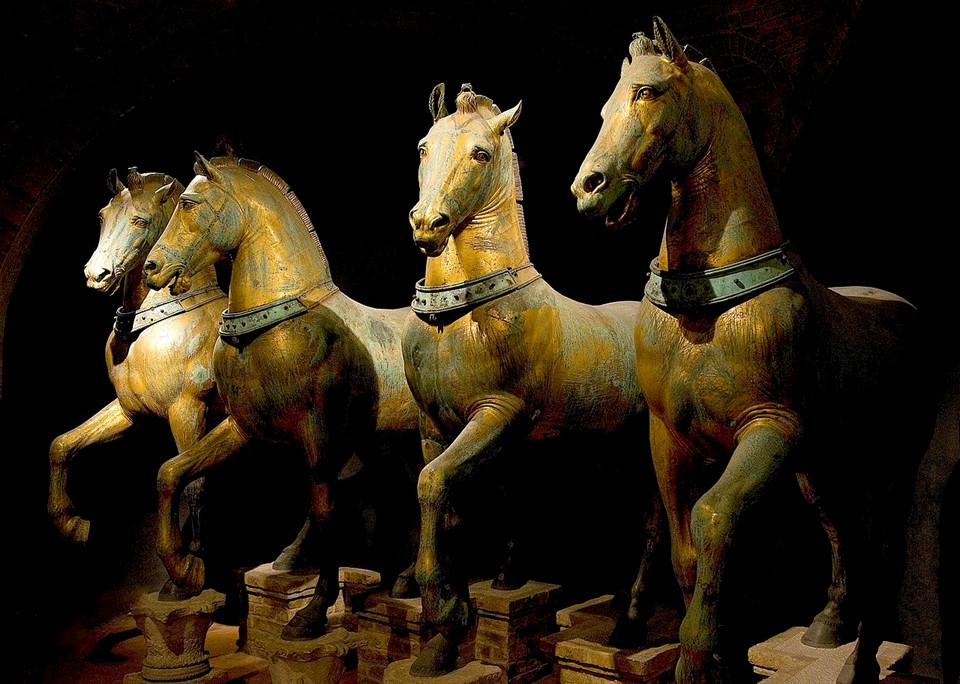
The magnificent Bronze Quadriga in San Marco
Inspired by Brenda Riley-Seymore’s poem, the Horses of Saint Mark evoke timeless beauty—symbols of power, history, and imagination, echoing like celestial horses across art, memory, and myth.
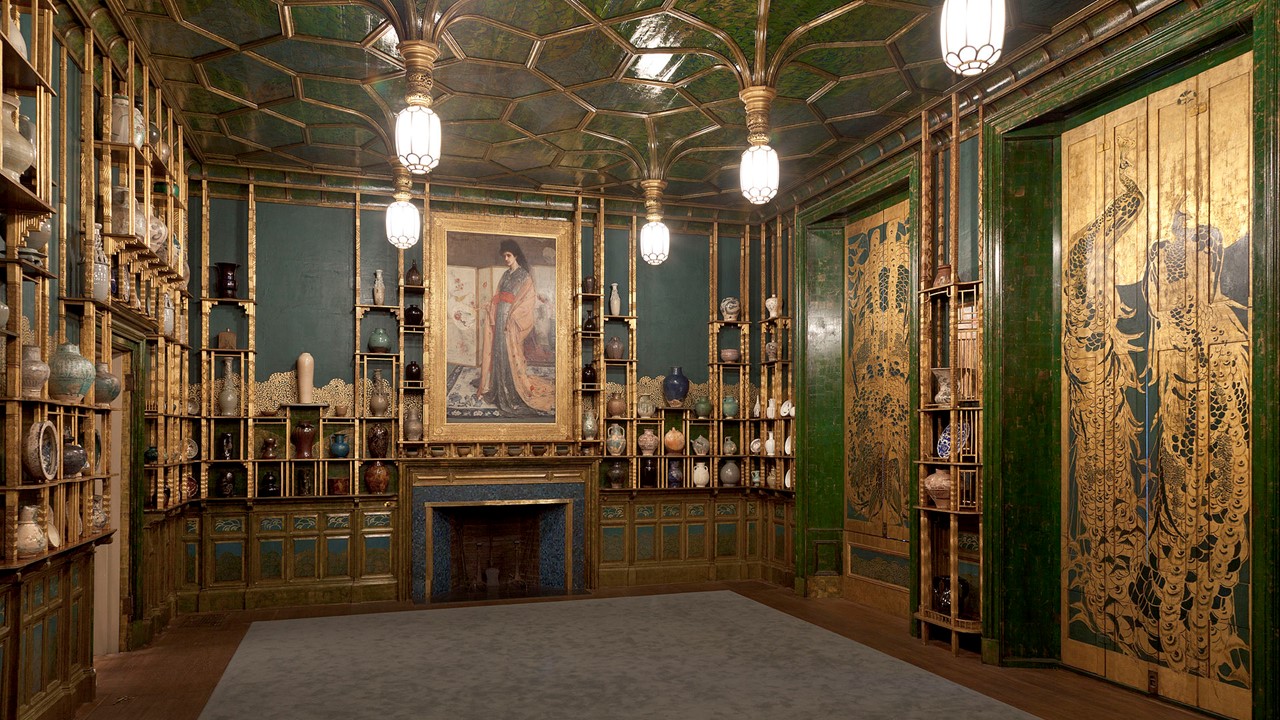
The Princess from the Land of Porcelain by James Abbott McNeill Whistler
Whistler’s Princess from the Land of Porcelain reimagines Western portraiture through Japanese and Chinese aesthetics, portraying Christina Spartali in exotic costume amid porcelain-inspired decor, blending beauty, fantasy, and cross-cultural artistic influence.
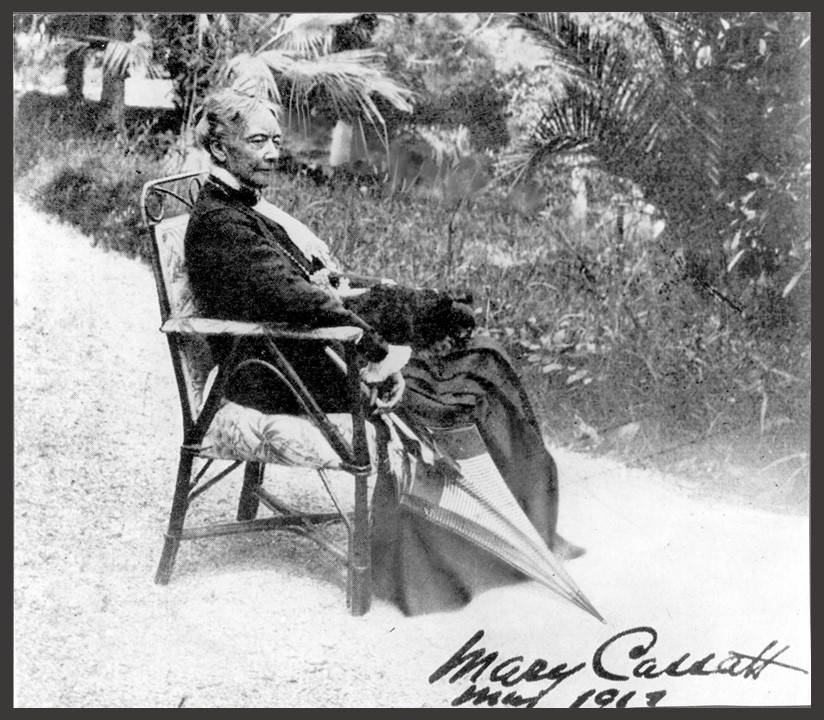
Five O’Clock Tea with Mary Stevenson Cassatt
Mary Cassatt’s Five O’Clock Tea (1880) depicts an intimate Parisian domestic ritual, capturing refined bourgeois women at leisure in a modern interior, with subtle Impressionist attention to everyday life and atmosphere.