Teacher Curator

Art History - Education

  • Home
  • Who am I?
  • Blog

HomeByzantine Ivories

Posts tagged: Byzantine Ivories

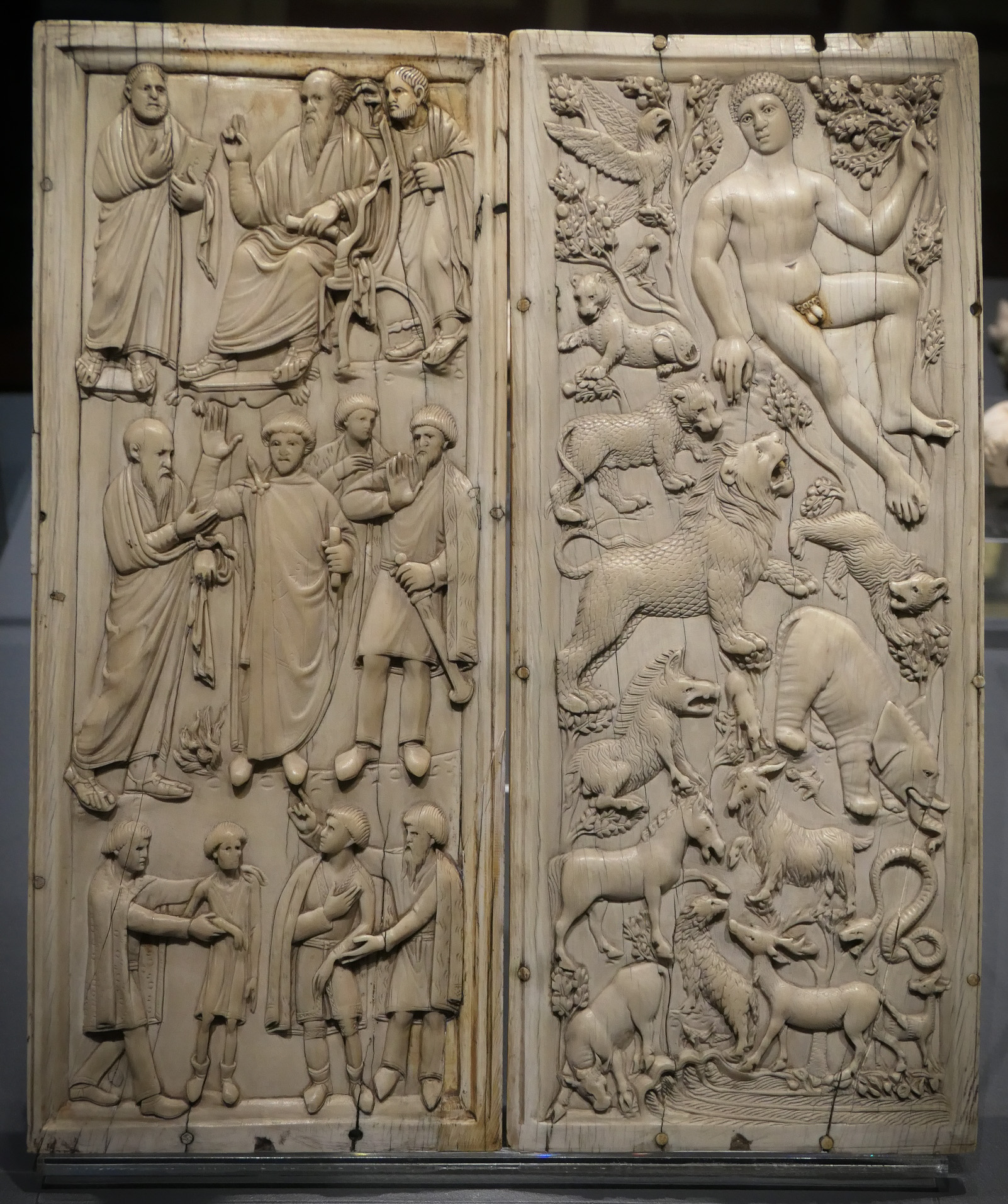
Early Christian Ivory Diptych with two carved scenes: episodes from the life of St. Paul and Adam standing in the Earthly Paradise. Small, stylized figures and minimal backgrounds are rendered in fine low relief on a warm, aged ivory surface.

St. Paul and Adam in the Earthly Paradise

May 4, 2026
by Amalia Spiliakou Byzantine ArtEarly Christian ArtTeaching Resources

This ivory diptych pairs Adam’s primordial harmony with Saint Paul’s miraculous acts, presenting a visual argument of restored balance, where faith overcomes disorder, reflecting theological meaning and late Roman cultural tensions.
Read More
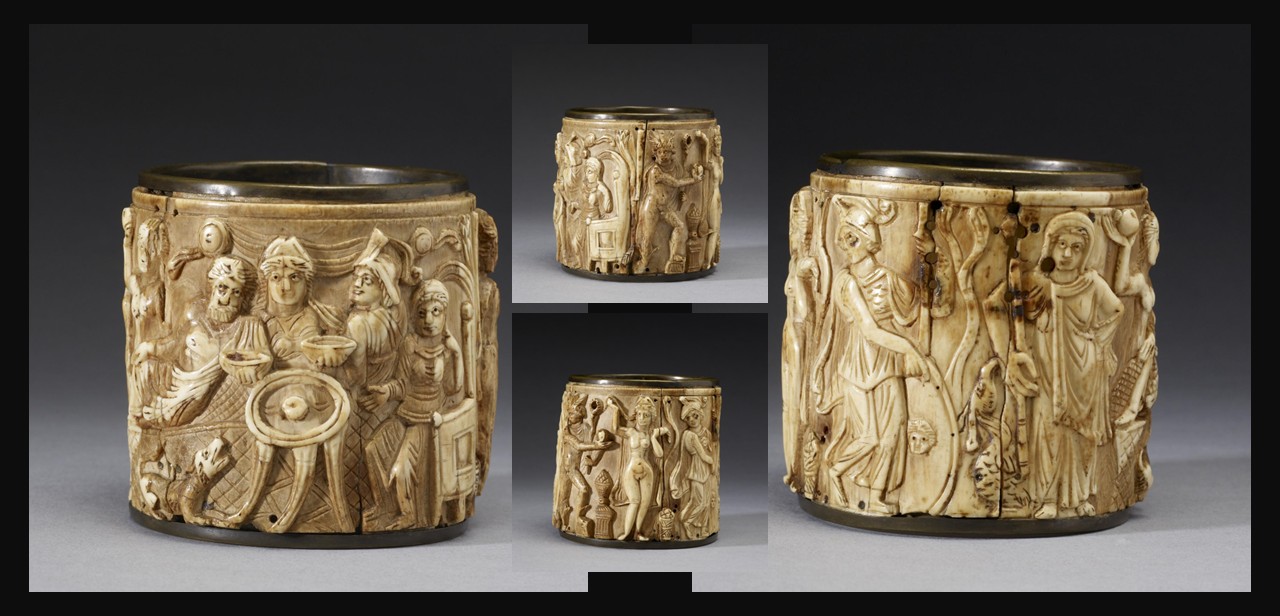
Circular ivory pyxis carved with Greek mythological scenes, made in Egypt in the 5th–6th century AD, in the collection of the Walters Art Museum, Baltimore.

Late Antique Ivory Pyxis

March 11, 2026
by Amalia Spiliakou Byzantine ArtEarly Christian ArtTeaching Resources

This Late Antique ivory pyxis, carved in Egypt, blends Greek mythological scenes with refined craftsmanship, reflecting a transitional era where classical traditions endured within a changing cultural and religious landscape.
Read More
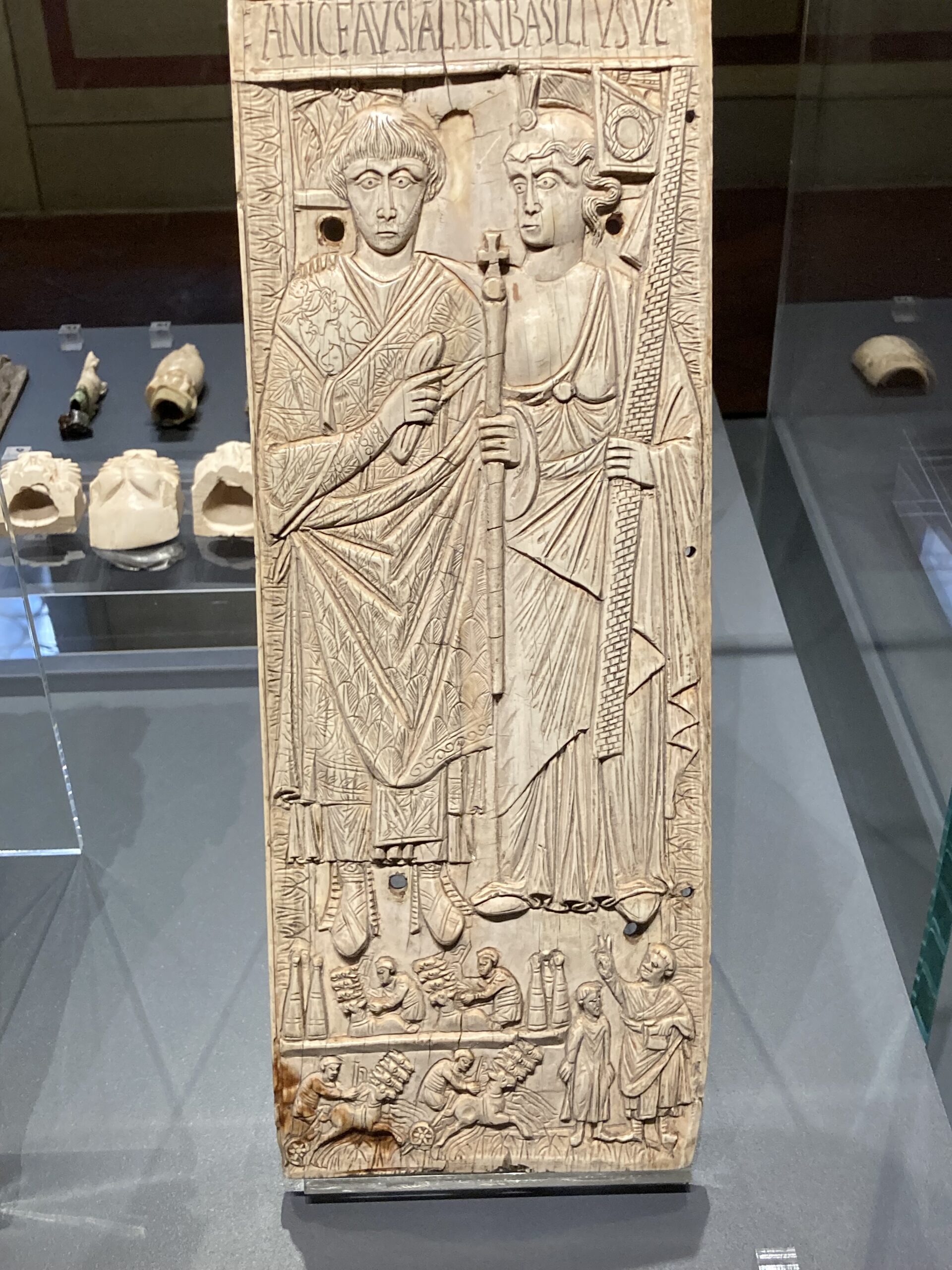
Consul Basilio with personification of Rome and chariot race, 541 – 541, Plaque of an Ivory Consular Diptych, 34.5x12.9 cm, National Museum of Bargello, Florence, Italy – Photo Credit: Amalia Spiliakou, April 2025

The Consular Diptych of Anicius Faustus Albinus Basilius

November 4, 2025
by Amalia Spiliakou ArchaeologyByzantine ArtEarly Christian ArtTeaching Resources

The Consular Diptych of Anicius Faustus Albinus Basilius (541 AD) exemplifies late antique political symbolism, uniting Roman civic tradition and Christian imagery through ivory reliefs that celebrate authority, spectacle, and imperial continuity.
Read More
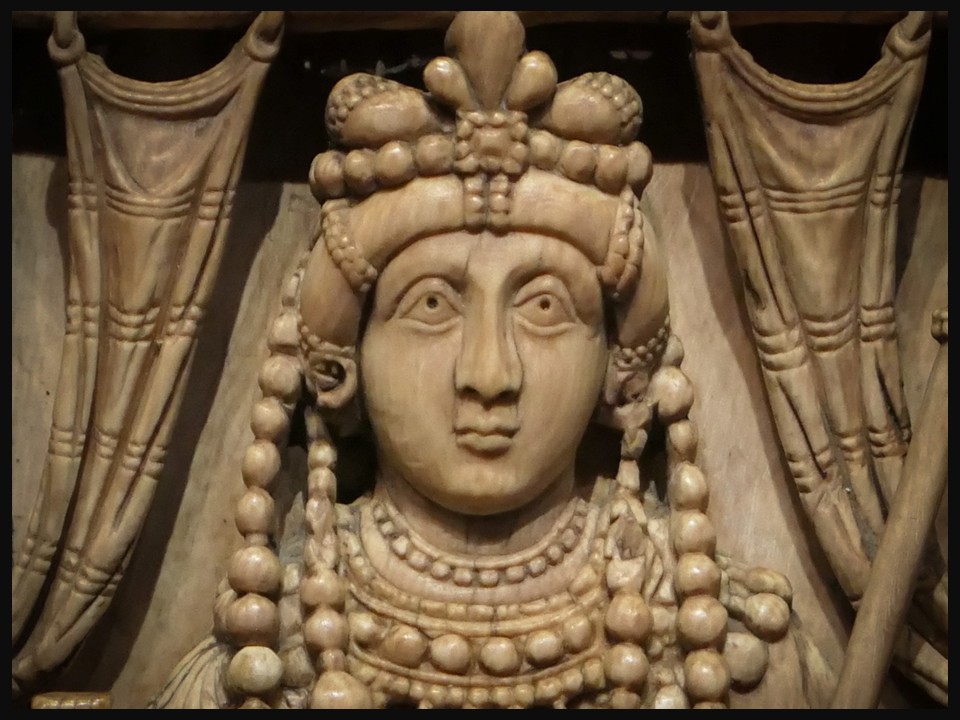
Empress Ariadne (detail), around 500 AD, Ivory, Height: 36,5 cm,The Bargello Museum, Florence, Italy

Empress Ariadne

October 22, 2025
by Amalia Spiliakou Byzantine ArtEarly Christian ArtTeaching Resources

Luxury Byzantine ivory plaques, attributed to Empress Ariadne, reveal Constantinople’s fusion of imperial power and Christian symbolism, linking court ideology with exquisite artistry preserved today in Florence and Vienna collections.
Read More
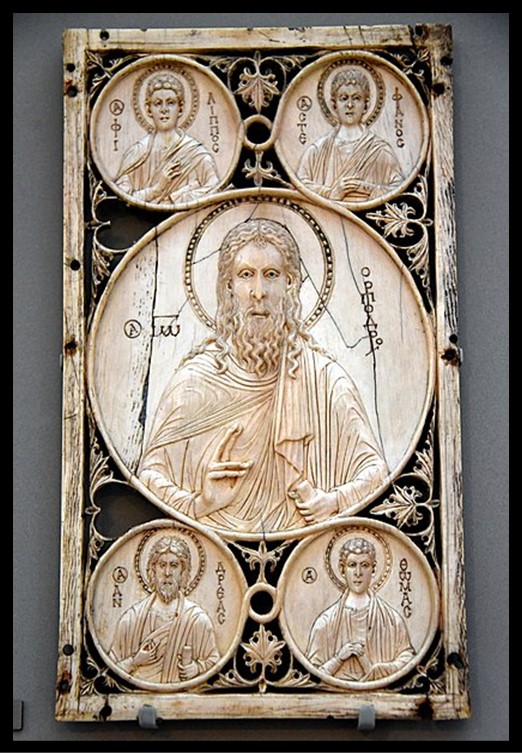
St John the Baptist and Four Saints Byzantine Elephant ivory with traces of gilding.

St John the Baptist and Four Saints

January 6, 2025
by Amalia Spiliakou Byzantine ArtTeaching Resources

Discover the Ivory Plaque of St John the Baptist and Four Saints—a masterful Byzantine work reflecting devotion, symbolism, and the enduring legacy of Saint John the Baptist.
Read More
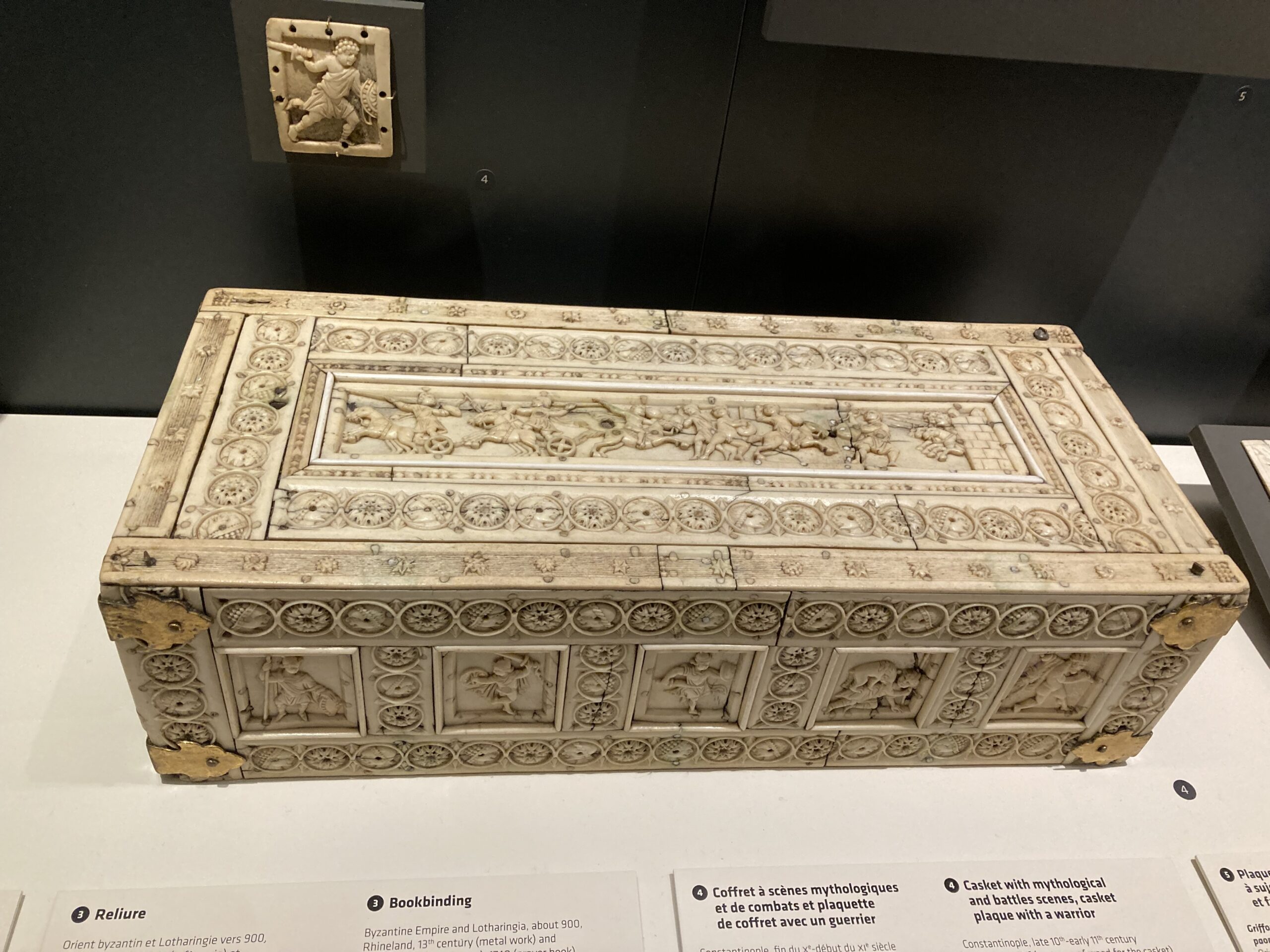
Byzantine Ivory Casket with Mythological and Combat Scenes

Byzantine Ivory Caskets

June 11, 2024
by Amalia Spiliakou Byzantine ArtMedieval ArtTeaching Resources

The Musée de Cluny’s Byzantine ivory casket — Heracles, mythological battles, and chariot races exquisitely carved — bridges classical antiquity and medieval Byzantine aristocratic splendour magnificently.
Read More
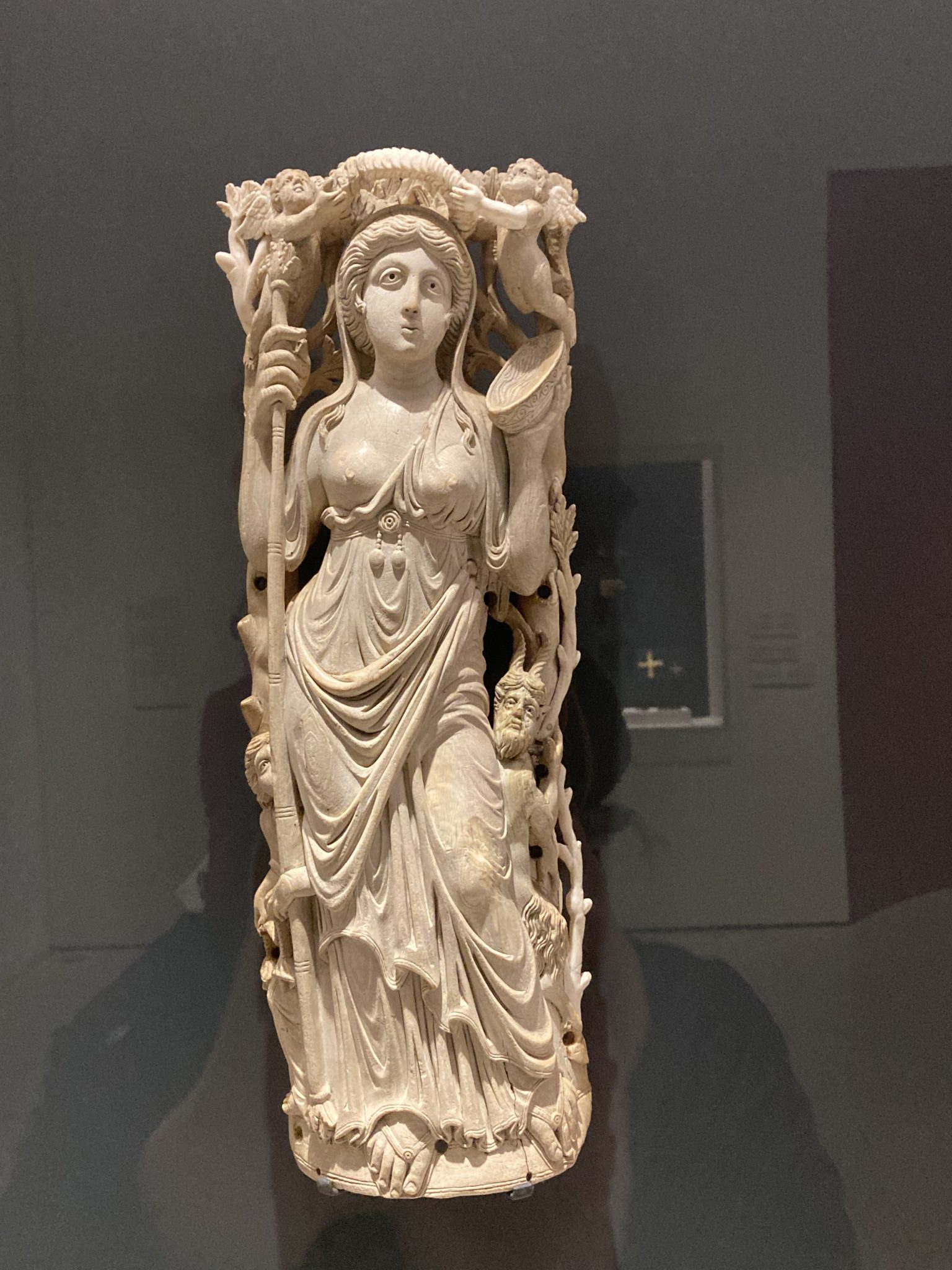
Ariadne, Maenad, Satyr, and Cupids, 1st or 2nd  quarter of the 6th century, Ivory high relief and inlay, 40x14x7.5 cm, Musée de Cluny, Paris, France

At Cluny vis-à-vis Ariadne

July 9, 2023
by Amalia Spiliakou Byzantine ArtEarly Christian ArtMythologyTeaching Resources

This Byzantine ivory from Constantinople shows Ariadne amid Dionysiac figures, likely from luxury furniture, now at the Musée de Cluny, reflecting myth, refinement, and classical themes reinterpreted in Late Antiquity.
Read More
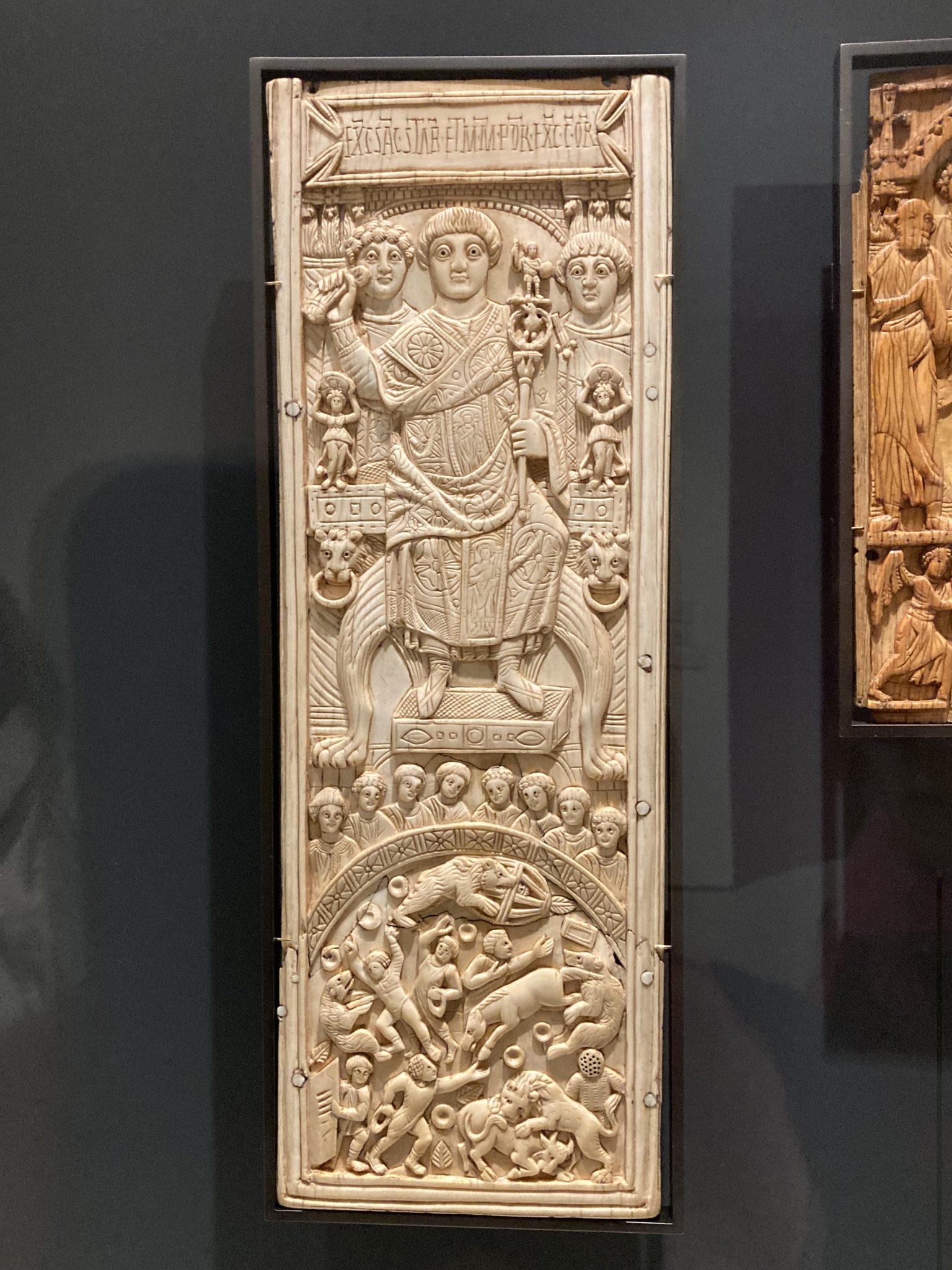
Leaf of a Diptych with Consul Areobindus, 506 AD, elephant ivory bas-relief, 39x13cm, Musée de Cluny, Paris, France

Consul Areobindus Dagalaifus Areobindus

June 8, 2023
by Amalia Spiliakou Byzantine ArtEarly Christian ArtTeaching Resources

At the Cluny Museum, the ivory diptych of Consul Areobindus captures ceremonial power, intricate artistry, and Byzantine spectacle, linking personal memory with the enduring legacy of late Roman political symbolism.
Read More
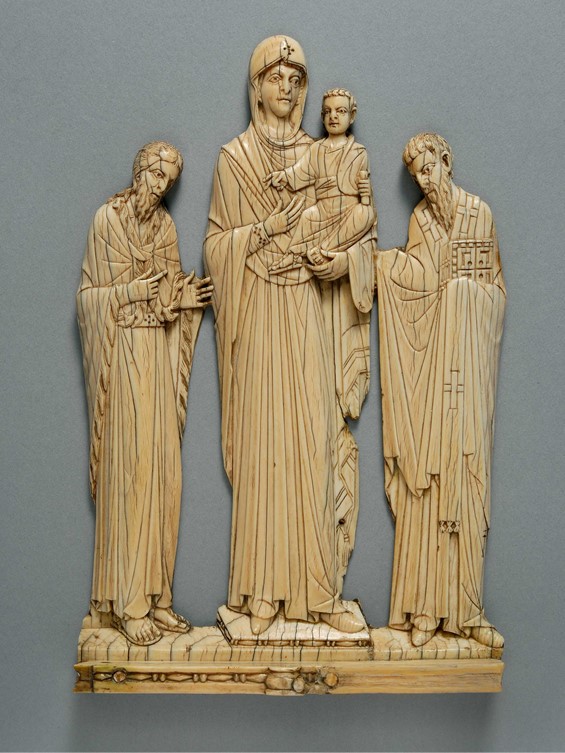
The Hodegetria with St. John the Baptist and St. Basil, Second half of 10th century, Ivory, 16.3x10.5 cm, Dumbarton Oaks, Washington, DC, USA

The Hodegetria Plaque

August 14, 2022
by Amalia Spiliakou Byzantine ArtTeaching Resources

The Hodegetria ivory and its related Louvre panel reveal the refined elegance of 10th-century Byzantine carving, where sacred figures, delicate drapery, and restrained composition embody aristocratic devotion and the serene spiritual authority of the Deësis tradition.
Read More
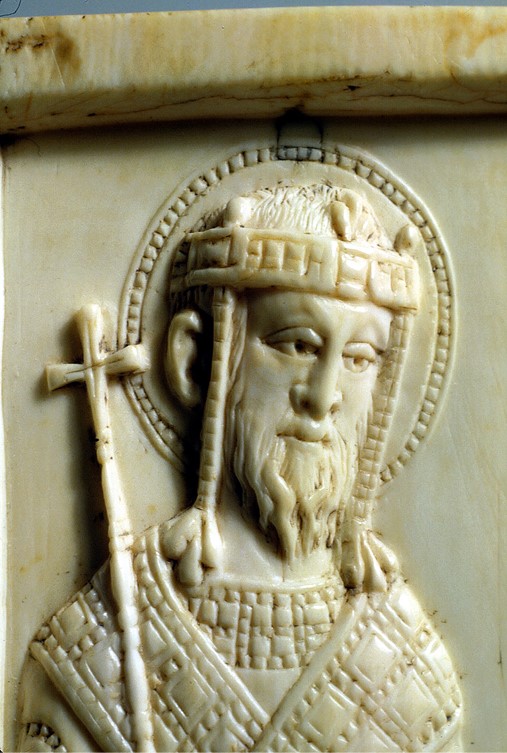
 Triptych Leaf with St. Constantine (detail), mid-10th century, Ivory, 16.4x6.5 cm, Dumbarton Oaks, Washington, DC, USA

Triptych Leaf with St. Constantine

May 20, 2022
by Amalia Spiliakou Byzantine ArtTeaching Resources

Constantine the Great is honored through a 10th-century ivory triptych leaf from Dumbarton Oaks, portraying him as both imperial ruler and Christian saint, embodying enduring authority and faith.

Read More
  • 1
  • 2
  • Next
  • Last

Recent Posts

  • June 2026 Newsletter
  • Marble Portrait of Constantine the Great
  • Carolus-Duran’s The Letter and The Reveler
  • Temple A at Prinias
  • The Portrait of the Wyndham Sisters by John Singer Sargent

Categories

  • 18th century Art
    • Rococo Art
  • 19th century Art
    • Impressionism
    • Post-Impressionism
  • 20th century Art
    • Art Deco
    • Art Nouveau
  • American Art
  • Ancient Egyptian Art
  • Ancient Greek Art
    • Cycladic Art
    • Minoan Art
    • Mycenaean Art
  • Archaeology
  • Baroque Art
  • British Art
  • Byzantine Art
  • Early Christian Art
  • Etruscan Art
  • French Art
  • Japanese Art
  • Medieval Art
    • International Gothic Art
  • Mesopotamian Art
  • Modern Greek Art
  • Mythology
  • Newsletter
  • Prehistoric Art
  • Renaissance Art
    • Italian Renaissance Art
    • Northern Renaissance Art
  • Roman Art
  • Teaching Resources
  • Uncategorized

Teacher Curator

Art History - Education

© Amalia Spiliakou. All Rights Reserved. Powered by Simplyfine

Shopping Basket